📚BOOK THREAD📚
How do we govern problems like climate change, pensions, infrastructure, or demographic shifts, which span more than a generation?
In *Long Problems* I try to explain why that's hard politically, but also what strategies might work. https://t.co/WoFmgOE4Y3
New analysis from us showing how clean energy reduces electricity bills. Countries with a cleaner electricity mix see much smaller increases in power prices when gas prices rise.
Good to see UK moving new homes off gas…in 2028. 12 years later than 2016, the year first proposed in 2006. The majority of the 1.86m homes built since 2016 will have to be retrofitted. For a #longproblem, kicking the can down the road does not save money
https://t.co/L7G4QeMiEa
One fossil fuel crisis costs the UK more than shifting to net zero by 2050. And how many more such crises can we expect in the next 24 years?
A great example of how the proper temporal frame clarifies costs and benefits #longproblems https://t.co/D9QKjRLF8J
As we look at future climate cooperation issues (e.g removals, geo-engineering, climate refugees, liability, managing the new electro-economy), etc. this fragmentation will undermine effectiveness.
The immediate effect of US withdrawal from the UNFCCC is relatively small because the Trump Administration already stopped mitigation + adaptation efforts and financial support, and was not engaging diplomatically. But the medium-term effects damage the US and the world.
Without the US, the world's largest economy and largest cumulative emitter, at the table, the UNFCCC's centrality as a 'focal institution' in the broader climate regime will be reduced. That hits at its core function: goal-setting, norm-setting, defining the problem.
We are pleased to announce the publication of our report 'Preparing for an ageing society.'
Read the full report here: https://t.co/qhAaus7yaF
Here is our Chairman @StewartWood with a summary of the key points:
🌱 Celebrating Our Amazing Volunteers! 🌱
In a recent newsletter, we highlighted your favourite local recipes, songs, and traditions that connect you to nature — along with your top sustainability tips and practices.
🌍 See below 🔽
Big move from Brazilian President Lula who has asked his government to draft by February guidelines for a national roadmap to transition away from fossil fuels.
https://t.co/YTdXbbLID0
COP30 kept multilateralism alive yet fell short on forests and fossil fuels. Professor's Thomas Hale and Nathalie Seddon urge clearer pathways for action and stronger support for those protecting the Amazon.
Read their reflections on COP30 here: https://t.co/E88vTgXgMq
"In a year of worsening climate impacts and geopolitical conflict, COP30 was both absolutely necessary and completely insufficient."
Prof @thomasnhale reflects on the outcomes of #COP30. 👇
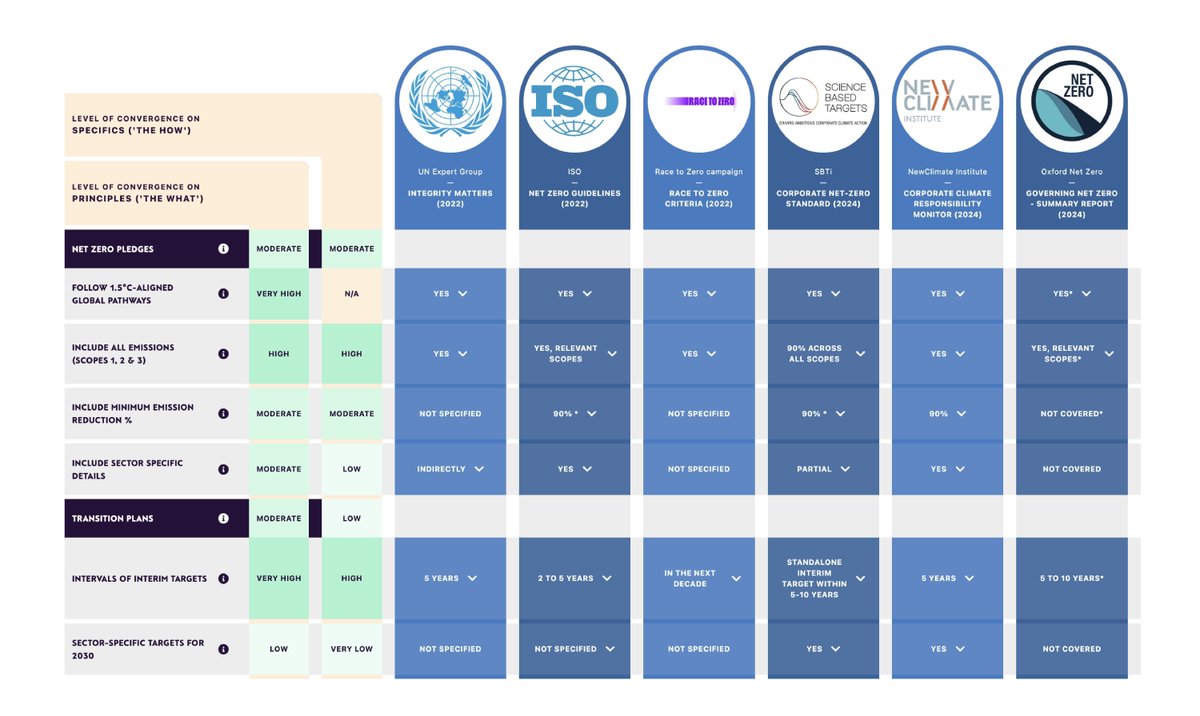
How can corporate entities pursue net zero with integrity?
Our ‘Net Zero Good Practice’ snapshot is an improved tool which strives to help those navigate the thicket of voluntary standards, and to understand areas of convergence.
Take a look below 👇
https://t.co/zq9qDXC4ZV
In our Department seminar last week, @thomasnhale examined the politics of climate change. With long-term goals in mind, he outlined strategies for tilting the politics and policies of climate change toward better outcomes.
🎙️ Catch up here: https://t.co/TFS4bQqKzm
📣 This week, @thomasnhale examines the politics of climate change.
With long-term goals in mind, he outlines strategies for tilting the politics and policies of climate change toward better outcomes.
📆 Join us on Thursday 20 Nov, 1.00pm-2.30pm
➡️ https://t.co/Uz8C6j4BsJ
Much more detail in the report: https://t.co/mJevdg0M6w
And huge thanks for all the collaborators and supporters who made it possible, especially lead authors @eklecavalier and Bhavya Gupta, and all the hundreds of lawyers from the law firm network who did the heavy lifting
The dominant narrative is that the world is rolling back climate policy. But what does the data say?
The latest Oxford Climate Policy Monitor Annual Review from the Oxford Climate Policy Hub tells three key stories.
https://t.co/mJevdg0M6w
🏃We need to go faster🏃♀️
Yes, policy is increasing in quality and quantity. But we are still far off. The plot below show the change in ambition, stringency, implementation, and comprehensiveness since 2020. The further out, the better. We are inching up, but need to speed up.