The grandpa you laughed at behind his back for letting you watch violent war movies as a kid, but who freaked out about the Disney show where the kid had 2 Dads... that guy was right.
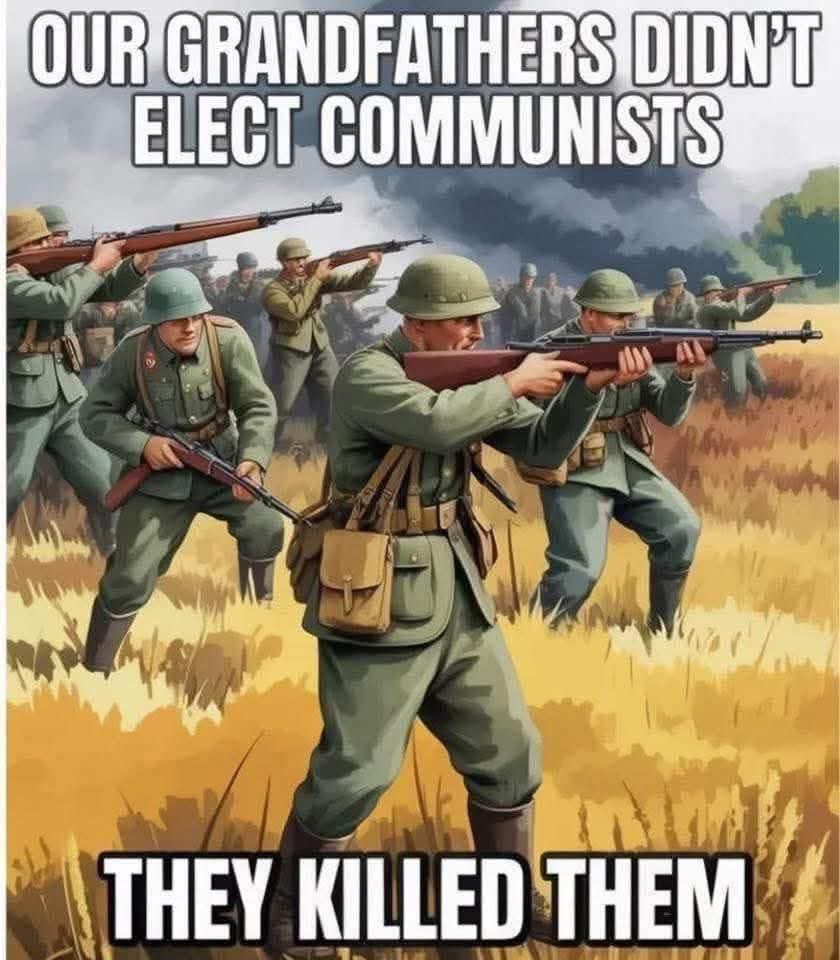
There was evil in the war movie, but it was generally evil depicted AS EVIL in a great struggle between good and evil, and it trained the consciences of a generation to value things like...
- Valor
- Self-sacrifice
- Courage
- Integrity
- Honor
- Patriotism (yes, patriotism IS a good thing)
My Dad used to say, "The worst kind person is the guy who was born on third and acts like he hit a triple."
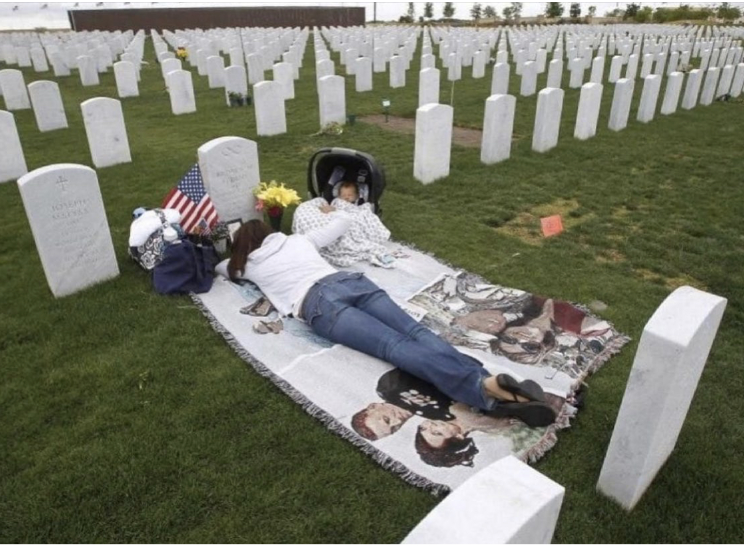
Be wise, but watch a war movie with your kids today and help your American kid understand they were born on third base because a bunch of people died to get them three bases ahead.
Imagine yourself on the other side of the door…
I bet you can take a minute this weekend to thank God for those who fell while serving this Nation; and say a prayer for the families and friends they left behind.
A doorbell camera captures two Soldiers—one a battle-hardened Sergeant Major, the other an officer—standing at a family’s door in full dress uniform. They wait with quiet dignity, heads up, eyes steady. The weight of what they’re there to do is written on their faces.
They’re not delivering good news.
As we approach Memorial Day, it’s easy to post flags and barbecues. But this is the real cost. Since our nation’s founding, as many as 1.4 million American service members have made the ultimate sacrifice—fathers, mothers, sons, daughters, brothers, sisters—who never came home.
Every Gold Star family knows that knock. Every folded flag, every name on a wall, every empty seat at the table carries a story of love, duty, and unbearable loss.
Tonight I’m praying for every family who’s ever answered that door. For every name we must never forget. And for the brave men and women in uniform who still carry the hardest mission of all: telling a family their hero is gone.
We owe them everything.
Freedom isn’t free. It’s given by the blood of patriotic heroes.
Take a moment to realize what they sacrificed for us, reflect on all that you have, and decide what you will do to protect and advance the Republic they died for.
Thomas Sowell: "We're raising whole generations who regard facts as optional. They are being taught that it's important to have views, they are not being taught that it's important to know what you are talking about."
James Madison described the powers of the federal government as “few and defined” and those reserved to the states as “numerous and indefinite.”
We’ve been dangerously drifting from that understanding since the 1930s.
The drift has been most evident in areas now most fraught with waste, fraud, and abuse.
If we honored the Constitution’s limits on federal power, there’d be very little waste, fraud, and abuse in our national government.
Share if you’d like to see a “constitutional reset,” in which any government function that’s not obviously and necessarily federal under the Constitution would be returned “to the states respectively, or to the people,” as the Tenth Amendment specifies.
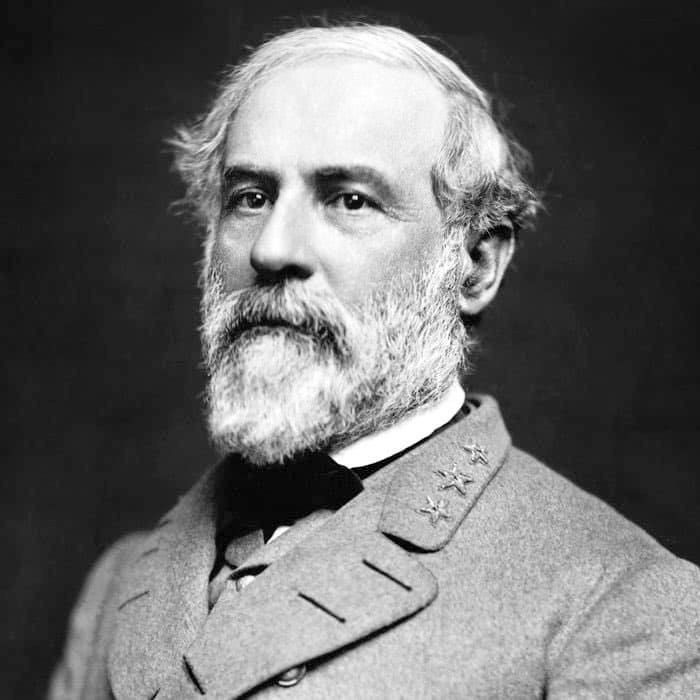
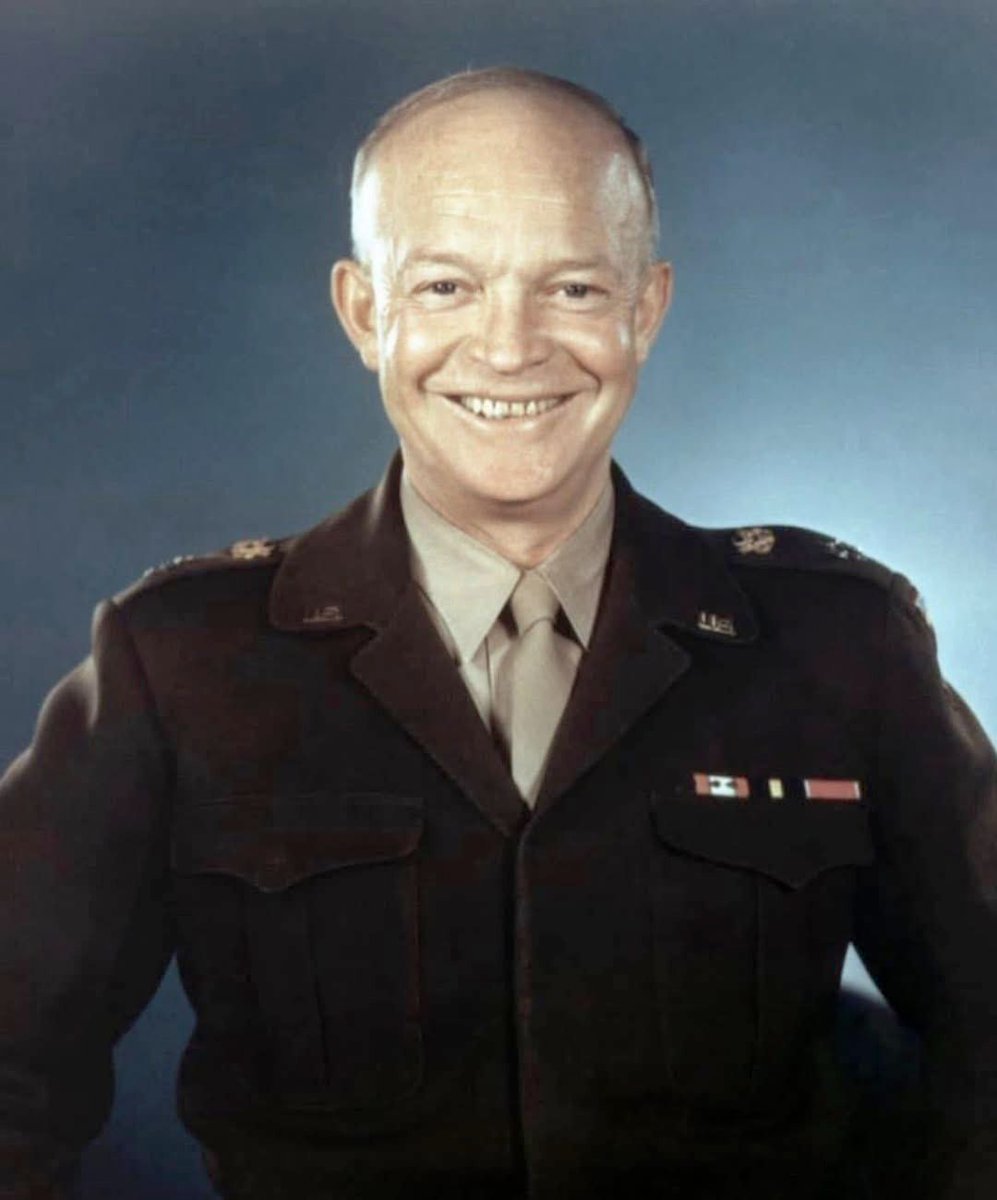
On August 1, 1960, President Dwight D. Eisenhower received a letter from a frustrated citizen named Leon Scott. Mr. Scott asked Eisenhower why he had a picture of Robert E. Lee in his office. This was Eisenhower's response to Mr. Scott:
"Dear Dr. Scott,
Respecting your August 1 inquiry calling attention to my often expressed admiration for General Robert E. Lee, I would say, first, that we need to understand that at the time of the War between the States, the issue of secession had remained unresolved for more than 70 years. Men of probity, character, public standing, and unquestioned loyalty, both North and South, had disagreed over this issue as a matter of principle from the day our Constitution was adopted. General Robert E. Lee was, in my estimation, one of the supremely gifted men produced by our Nation. He believed unswervingly in the Constitutional validity of his cause which, until 1865, was still an arguable question in America; he was a poised and inspiring leader, true to the high trust reposed in him by millions of his fellow citizens; he was thoughtful yet demanding of his officers and men, forbearing with captured enemies but ingenious, unrelenting, and personally courageous in battle, and never disheartened by a reverse or obstacle. Through all his many trials, he remained selfless almost to a fault and unfailing in his faith in God. Taken altogether, he was noble as a leader and as a man, and unsullied as read the pages of our history.
From deep conviction, I simply say this: a nation of men of Lee's calibre would be unconquerable in spirit and soul. Indeed, to the degree that present-day American youth will strive to emulate his rare qualities, including his devotion to this land as revealed in his painstaking efforts to help heal the Nation's wounds once the bitter struggle was over, we, in our own time of danger in a divided world, will be strengthened and our love of freedom sustained. Such are the reasons that I proudly display the picture of this great American on my office wall.
Sincerely,
Dwight D. Eisenhower"
The Plymouth Pilgrims accidentally ran the first documented socialist experiment in America three centuries before Marx scribbled his manifesto. Governor William Bradford's "common storehouse" system from 1620-1623 delivered textbook collectivist results: mass shirking, crop failures, and near-starvation.
Bradford recorded the disaster in detail. Young men "complained that they were oppressed" when forced to work for others without reward. Productive colonists watched lazy neighbors receive equal rations despite contributing nothing. The system "was found to breed much confusion and discontent" because it violated basic human incentives. People starved while fertile Massachusetts soil lay underworked.
The turnaround came swiftly in 1623 when Bradford abandoned the collective model and assigned private family plots. Production exploded overnight. Women and children voluntarily joined field work when their families directly benefited from extra effort. The same colonists who nearly died under socialism suddenly produced abundant harvests under private property.
Bradford explicitly credited private ownership for saving Plymouth Colony. He documented how individual responsibility transformed human behavior within a single growing season. Individual effort cannot be separated from individual reward without destroying both.
Every socialist experiment since Plymouth has repeated this identical pattern. Different century, different continent, same predictable collapse when planners ignore the reality of human nature.
No matter what they call it, whenever and wherever collectivist ideas are put into practice, disaster soon follows.