10 RESEARCH WEBSITES THAT PHDS DO NOT WANT YOU TO FIND.
Bookmark this. Academia is gatekept by paywalls and you should not be paying.
1. https://t.co/w5aGmsEO8t
The largest open library on earth. Almost any textbook your professor assigned is here for free.
2. https://t.co/bgokJYdop3
The search engine for academic papers. Sort by citations to find the most influential research.
3. https://t.co/iF6YXpIhEj
AI powered paper search built by the Allen Institute. Highlights every citation in context.
4. https://t.co/5xwH9lD6tl
Plug in one paper, see every related study mapped as a graph. Reveals what experts actually read together.
5. https://t.co/1pMqKlnIWZ
An AI research assistant. Ask any question and get a structured table of papers with key findings.
6. https://t.co/loNjo3UikE
Aggregates the conclusions of thousands of papers into one answer. Stops cherry picking.
7. https://t.co/zoFxYq3kOi
The Spotify of papers. Recommends new research based on what you have already read.
8. https://t.co/SwdhbpHOQt
Visualizes citation chains. Shows how an idea spread across decades of research.
9. https://t.co/RmAmyVOCV7
Tells you which papers support, contradict, or mention any claim. Saves hours of fact checking.
10. https://t.co/D8H3COvPXj
200 million open access papers in one searchable index. The world's largest free academic archive.
Most students pay $40,000 to access what these sites already make free.
This is a great post. I read the paper those years ago, and also listened to a podcast with Emily Bender on this very subject. One item to note - and I’m not sure if you can pin this down to LLMs specifically (and thereby, centralized power to do this): “Bender and Gebru argued that the deployment of these systems would centralize linguistic and cultural power in the hands of the small number of companies that could afford to train them.”
- this has been happening really for about the last ten years with social media, and in particular, TikTok. Just listen to the GenZ / GenA vernacular. Listen to this podcast if you don’t believe me. https://t.co/xKLzjGMc3G
Most SOPs fail before the second paragraph.
Not because the scholar lacks substance. But because they never clearly answer the one question every committee is silently asking.
Why graduate school? Not why you are passionate. Not why the field is important. But why is this the inevitable next step in YOUR specific journey?
The answer to that question is what separates a forgettable SOP from one that gets you the offer.
Here are 4 insider tips on how to win a fully funded PhD in Switzerland 🇨🇭 in 2026 (from someone who won the Swiss Government Excellence Scholarship)
First, stop applying to institutional prestige. Apply to research problems. A strong application begins with identifying labs working on questions you would be capable of extending for four years.
Second, read recent publications properly. Most applicants skim faculty profiles and repeat broad research themes back to the professor. That signals superficial fit. Strong candidates identify unresolved tensions inside recent papers and position themselves against those open questions.
Third, your cold email should initiate research conversation, not request opportunity. Professors rarely respond to admiration. They respond to evidence of recognisable thought.
Fourth, every document should signal immediate research utility. Your CV should reveal direction, your proposal should reveal methodological precision, and your cover letter should make your contribution legible within minutes.
Finally, interview like a future collaborator.
The strongest applicants do not sound grateful to be considered.
They sound ready to extend the lab’s work.
This is the difference between applying like a student and being evaluated like a colleague.
If you are targeting Switzerland for 2025–26, this distinction matters more than most people realise.
DM me “Swiss” if you are serious about positioning yourself properly.
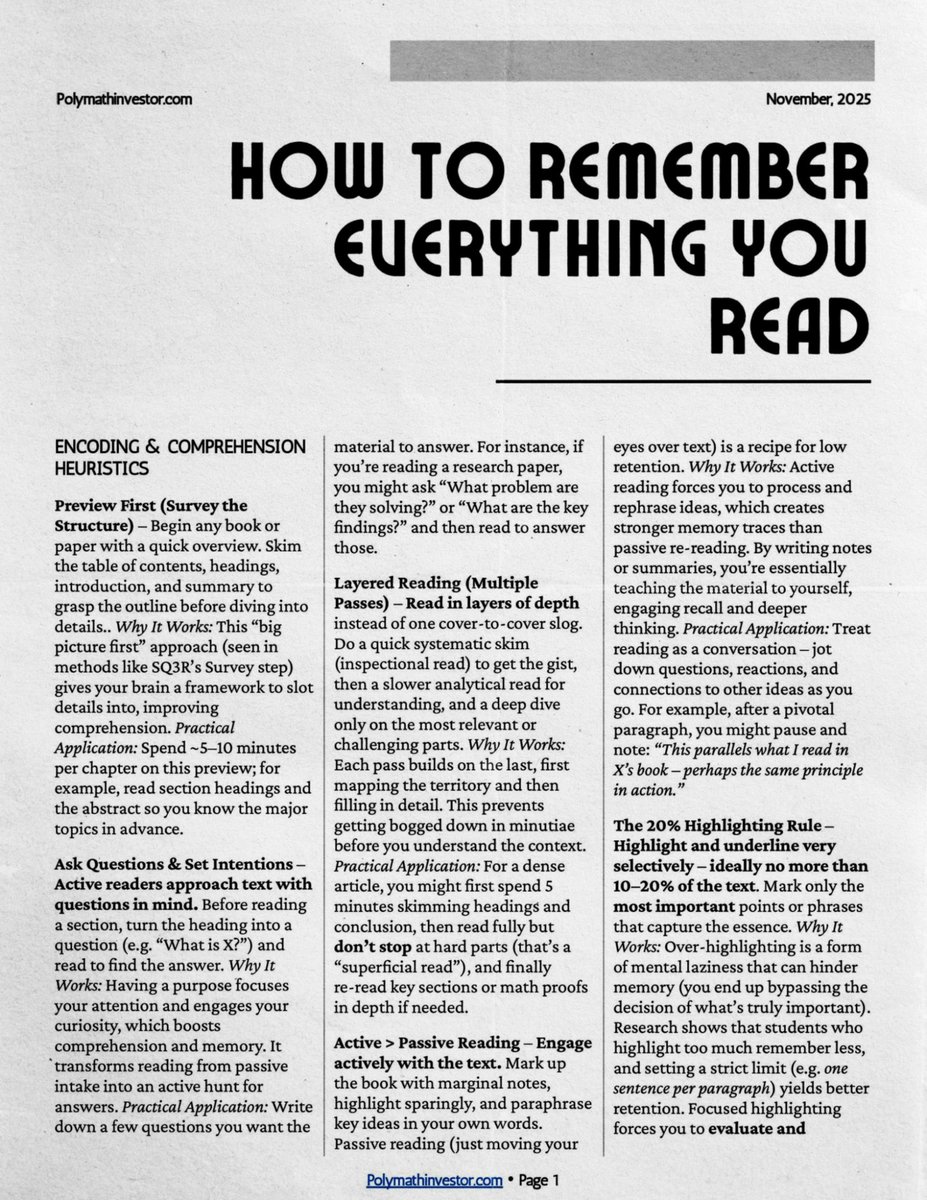
A few months back, I published this guide on how to remember everything you read.
Re-sharing it here for anyone who finds these protocols useful.
(1/11)
Nowadays, many researchers use AI to write their papers and send them to journals. The editor sends the paper to a reviewer who also uses AI to give feedback. Then the paper goes back to the author who again uses AI to address the reviewers comments. Feel free to disagree.
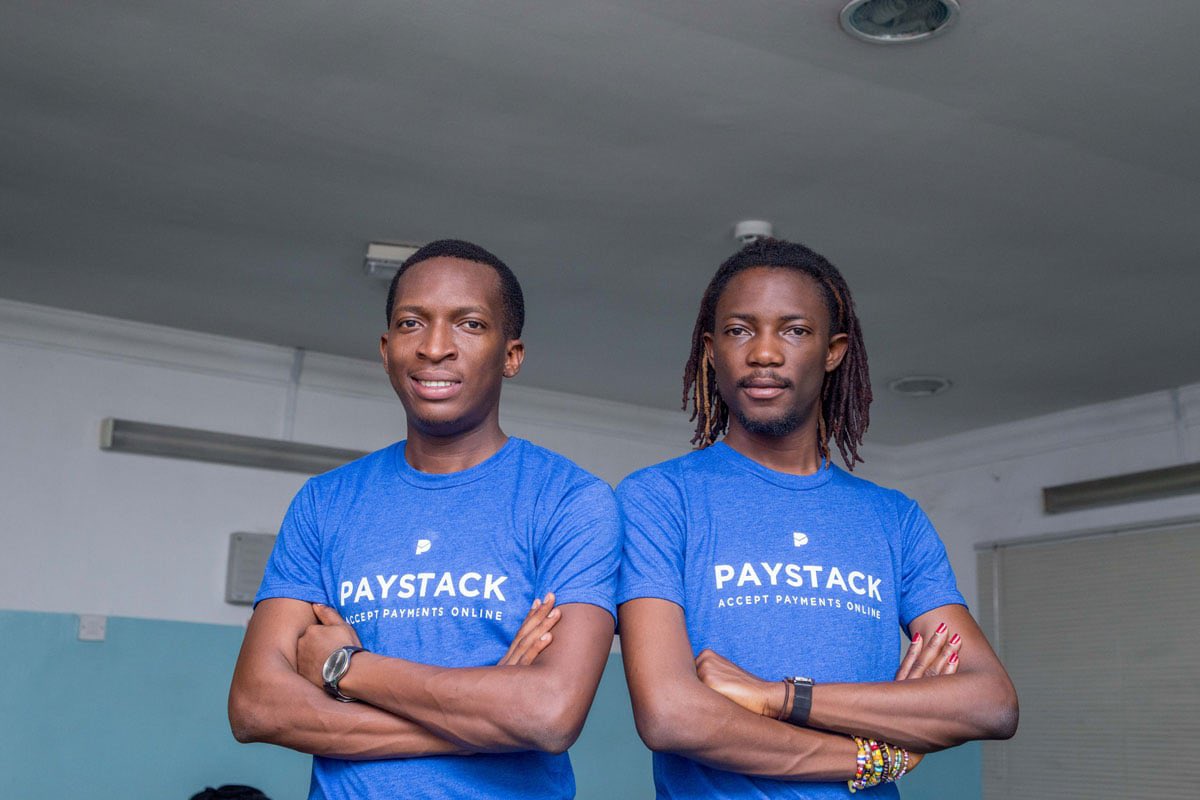
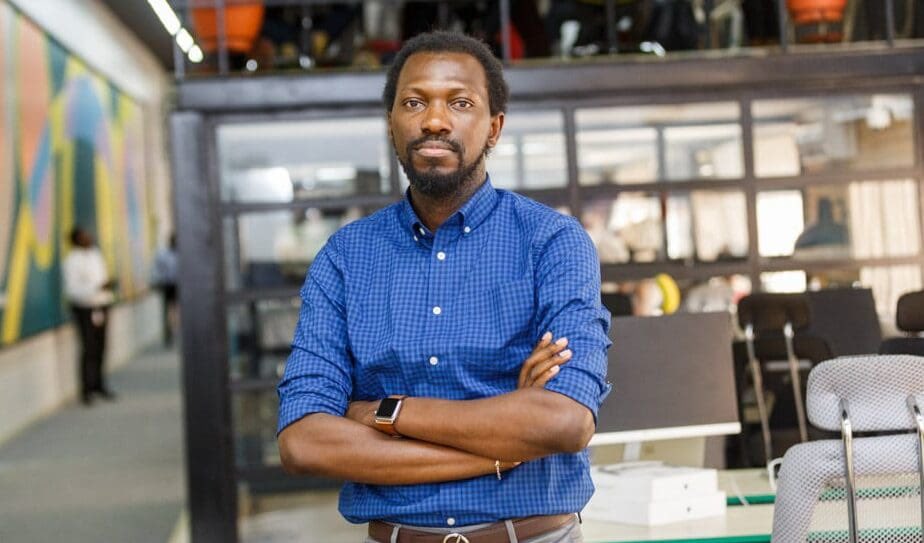
I took this photo of Shola and Ezra before Paystack announced their first round. Years later, Stripe acquired Paystack for over $200M.
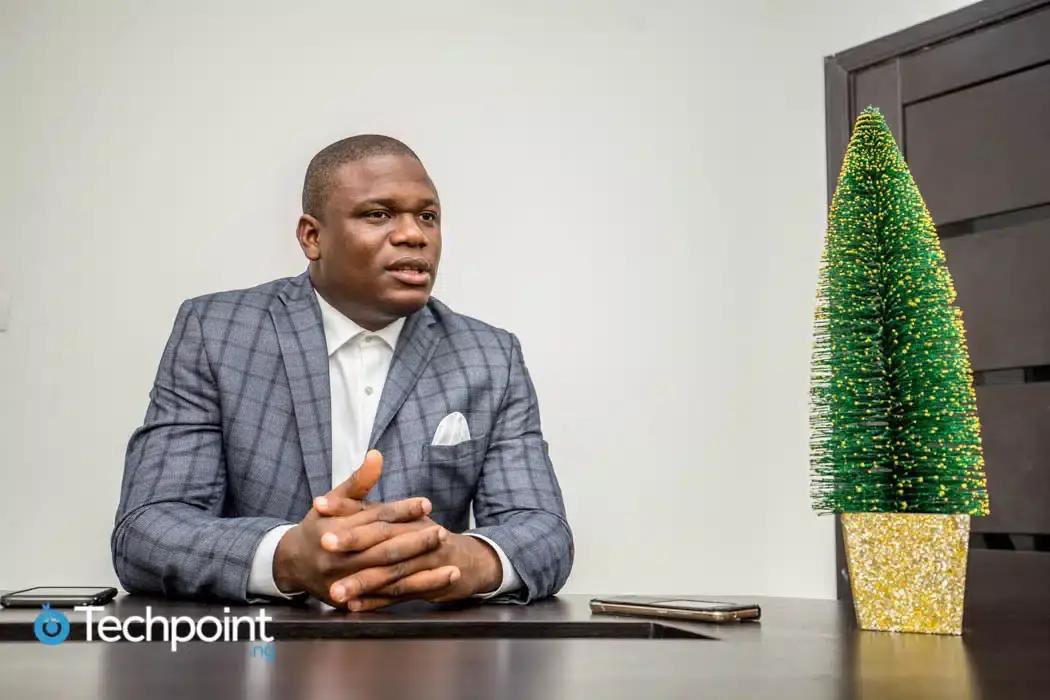
I took this photo of Tosin before Moniepoint raised a single dollar.
Today, they’ve raised over $200M and are valued at more than $1B.
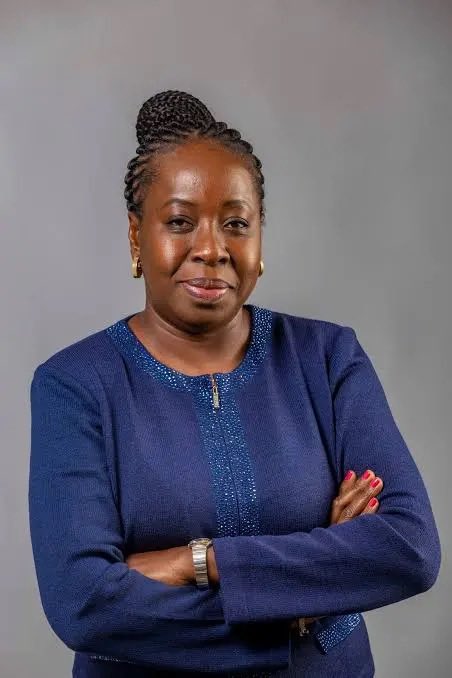
I took this photo of Madam Funke Opeke before the big MainOne exit. Equinix acquired MainOne for $320M.
I took this photo of GB on his first day as CEO of Flutterwave. Today, Flutterwave has raised over $470M and is valued at $3B.
Recently, I saw a tweet that said:
“Most successful founders have an unfair advantage. They all know each other.”
Here’s what people don’t see.
Many of us met when there was no money. No valuations. No press. No hype.
We were hustling through Lagos traffic to hackathons and tech events. Showing up at meetups with more ambition than resources.
Building relationships without calculating ROI.
We weren’t thinking about leverage. We were building community.
Years later, those same relationships became partnerships, investments, boards, and Million-dollar outcomes.
Yes, privilege exists.
But long before the headlines, there was proximity. There was consistency. There was shared struggle.
If you’re early in your journey, don’t underestimate the people around you today.
The founder you’re brainstorming with. The engineer you’re building side projects with. The operator grinding quietly.
You don’t know who they’ll become.
And more importantly you don’t know who you’ll become together.
Build real relationships. Not just transactions.
That’s the long game.
If you're a passionate teacher looking to earn money online by teaching students in different countries, please send your email here for curated links to apply.
You don't need much experience, but you must be ready to put in the work.
I want only serious people to drop their emails in the comments section.
Teachers for English language, Maths and sciences.
Her analysis is always spot on!!
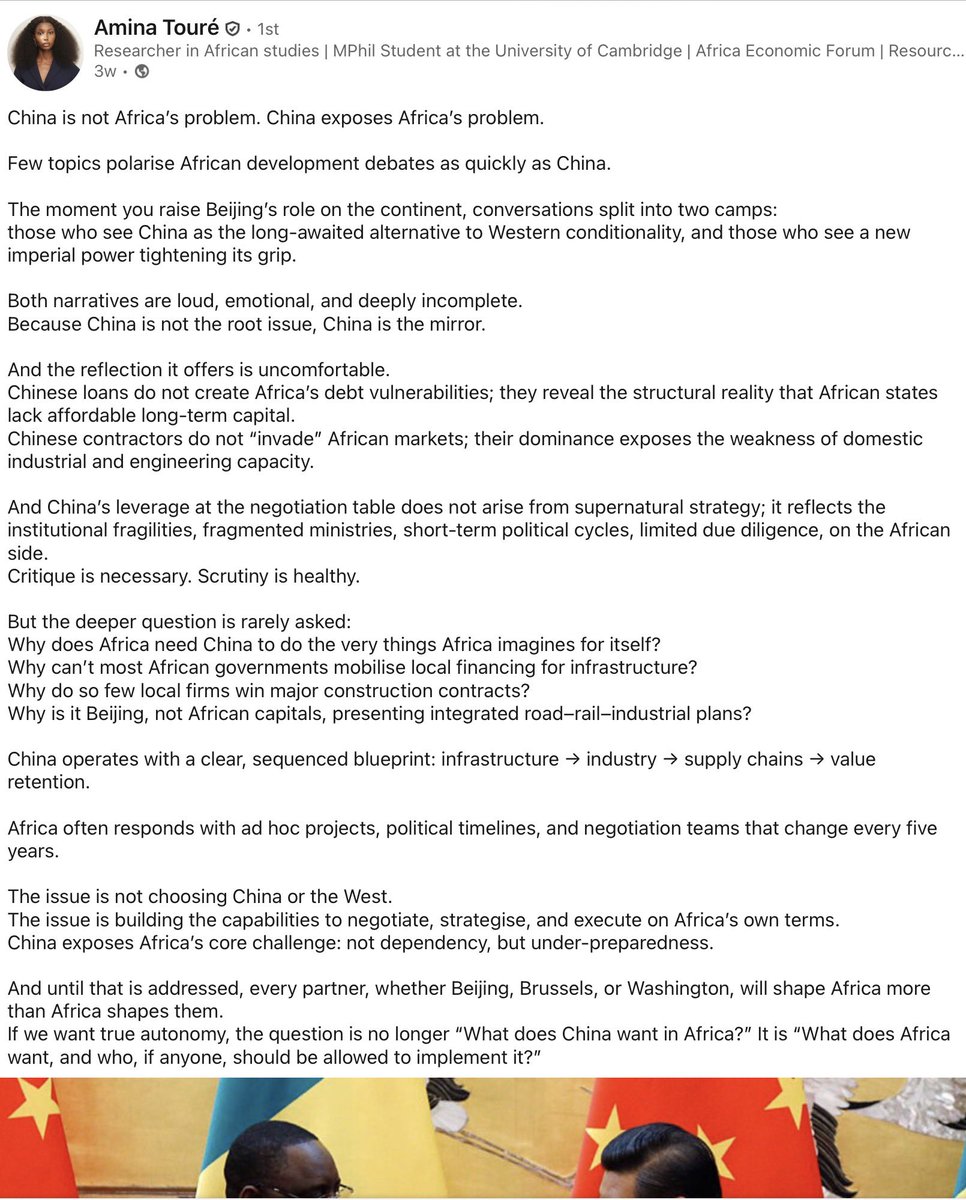
This right here should make us think:
"China operates with a clear, sequenced blueprint: infrastructure → industry → supply chains → value retention.
Africa often responds with ad hoc projects, political timelines, and negotiation teams that change every five years."
I remember starting a project in Tanzania with Google to revamp their educational institutions with tech, the government changed and that project was dead. Google avoided direct government projects after that. African politics is our greatest undoing. It is immature and selfish even when filled with old men.
China is indeed a mirror showing our flaws.
I see most Data scientist and Analyst struggle to build
a job portfolio to showcase their work, expertise and
experience.
Yet there are solutions out there to help with the process.
The following shows you how to build a FREE Portfolio
Website:
You may never see this post again.
Let me help you solve some problems
No Hype, No content, Just some random tools I want you to Use today in your business or role
Check out:
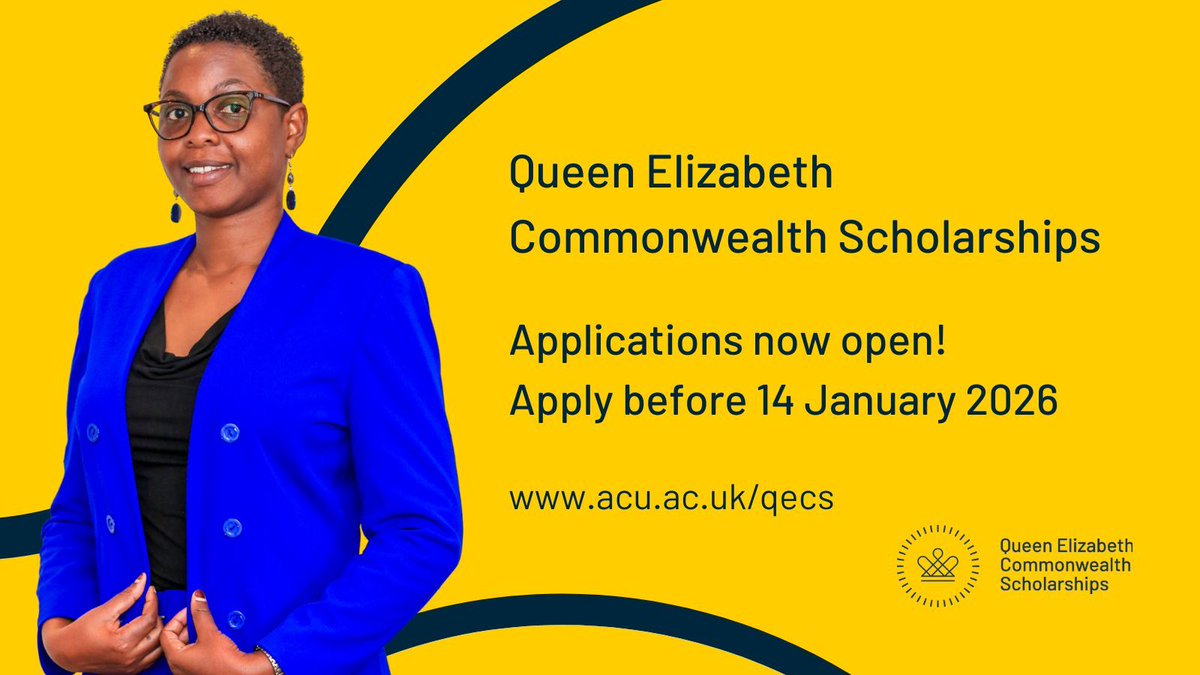
Applications for Queen Elizabeth Commonwealth Scholarships are now open!
You have until 14 January 2026 to apply for this life-changing opportunity to undertake a fully funded Master's degree in one of these 10 #Commonwealth countries👇
https://t.co/Yd8PPm3YaB
How to Convert Your PhD Thesis Into Multiple Journal Articles: A Practical Guide.
A PhD thesis is rich with data, ideas, and insights. Yet many graduates struggle to convert this work into several publishable journal papers.
The goal is not to copy and paste the thesis into articles, but to extract focused pieces of research that each tell a clear and important story.
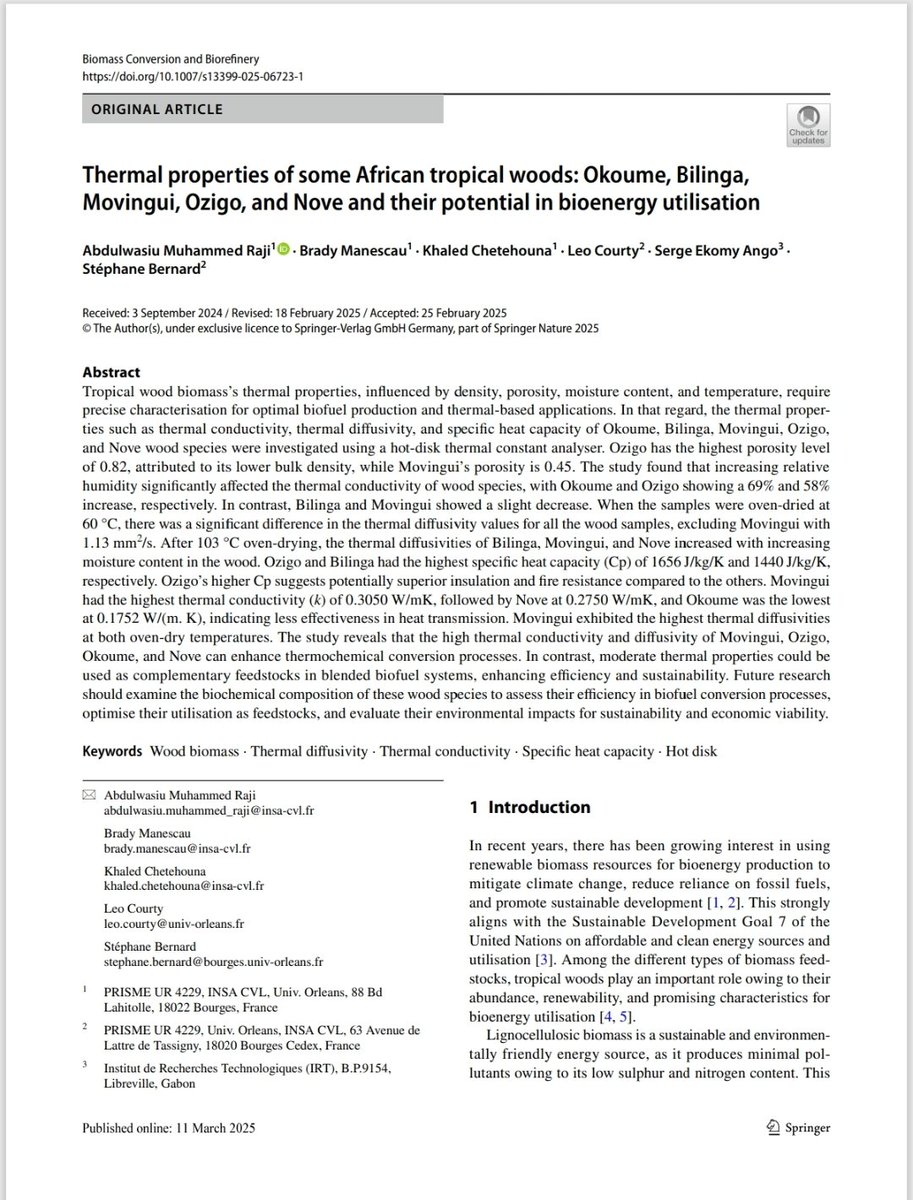
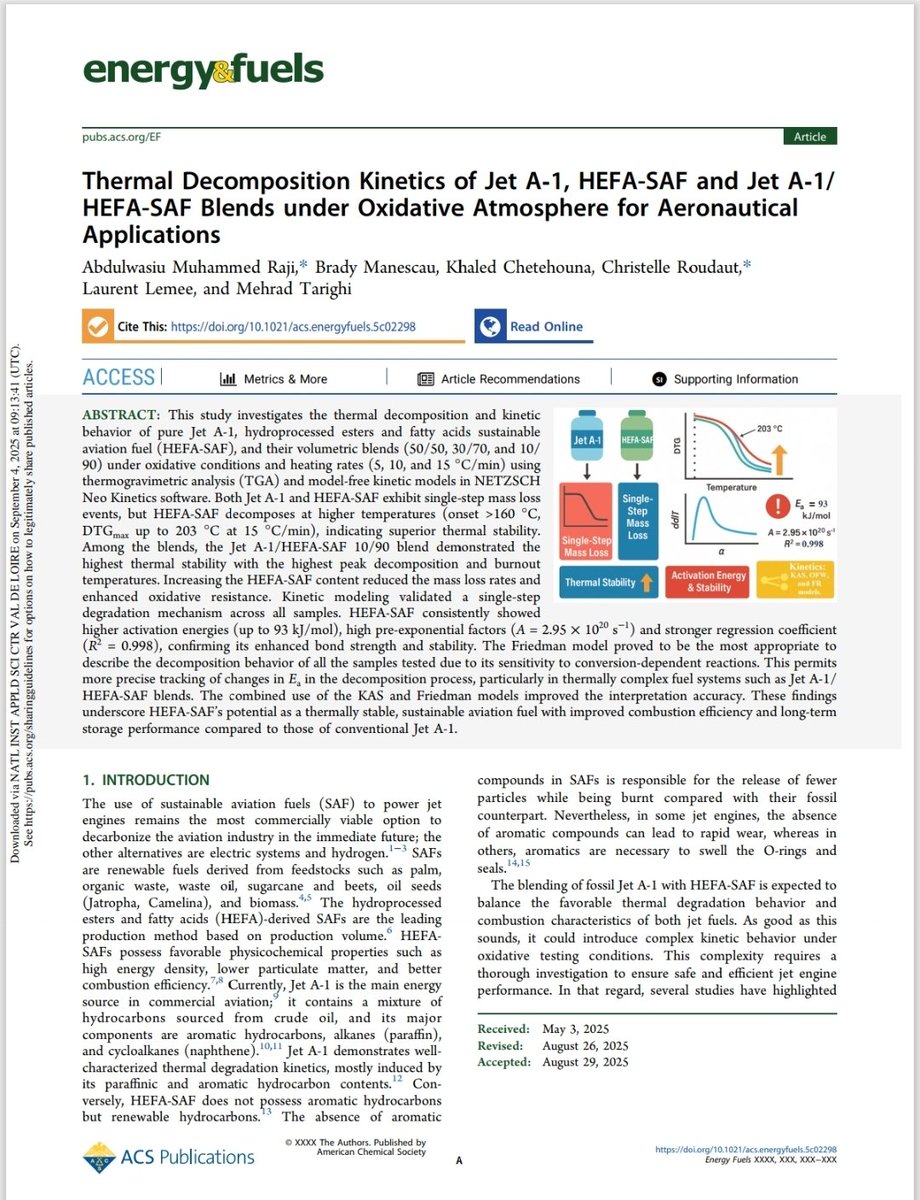
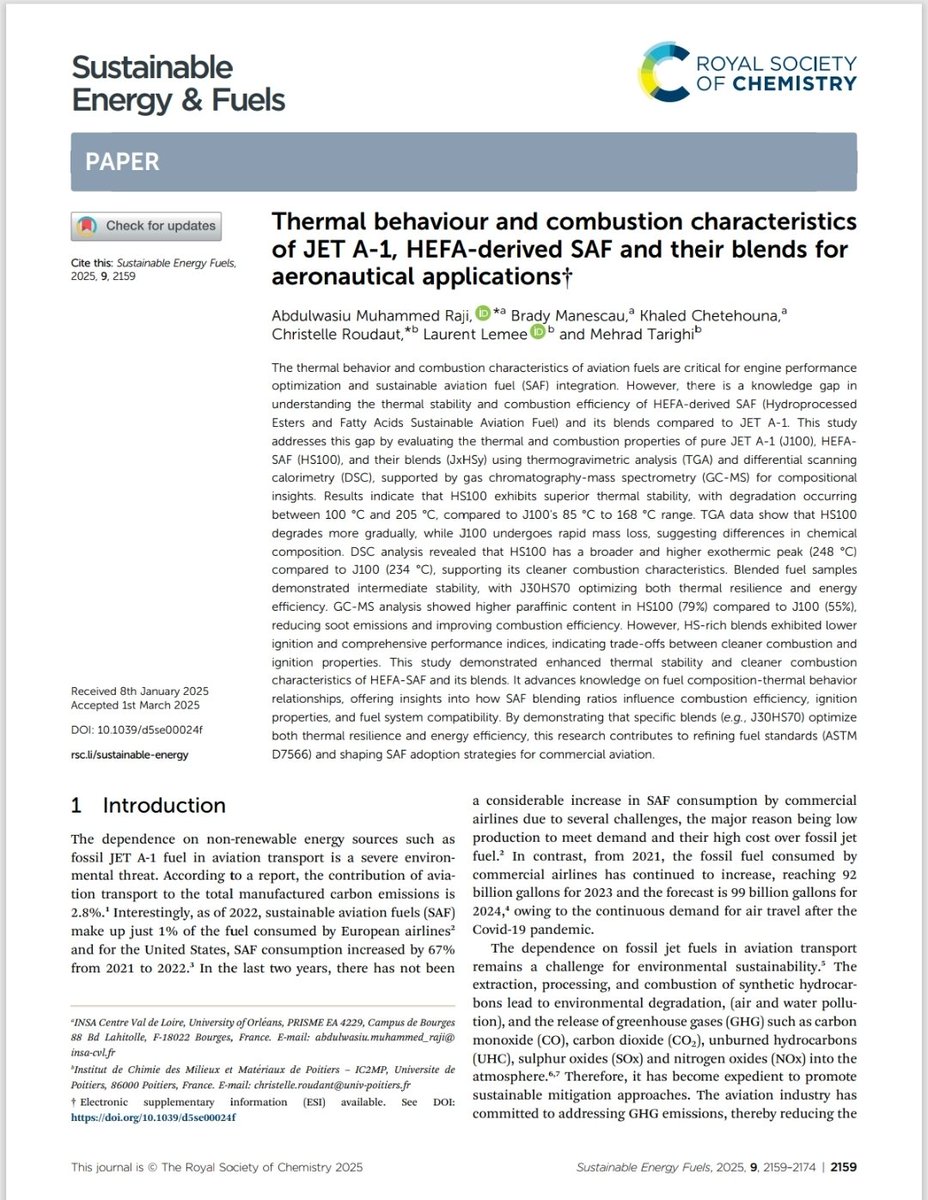
Using my experience (See the Pics), here is a simple and practical step-by-step guide.
1. Understand the Difference Between a Thesis and Journal Articles.
According to my experience, a thesis contains large chapters, extensive methodology, long literature reviews, and detailed appendices.
Journal articles, however, require:
-short, targeted background
-a single focused aim
-concise methods
-specific results
-a clear, engaging narrative
This means your thesis must be broken into smaller, independent research stories.
Step-by-Step Process
Step 1: Map Your Chapters.
Review each chapter and identify which ones can stand alone as papers. Not every chapter becomes a paper, but most contain publishable insights.
Ask yourself:
Does this chapter answer a unique research question?
Does it contain enough data for a full article?
Step 2: Extract the Key Contributions.
Break your thesis into categories:
Methodology papers (how you did the research).
Empirical findings (your main results).
Theoretical contributions (what it means for the field).
Review papers (synthesis of literature).
Each article should revolve around one focused research question.
Step 3: Match Each Paper to the Right Journal.
Different sections of your thesis may appeal to different journals.
For example:
A methodological innovation fits a methods-focused journal.
A theoretical idea fits a conceptual journal.
A dataset analysis fits a field-specific journal.
Choose journals with the correct scope, audience, and impact.
Step 4: Rewrite, Don’t Copy-Paste.
This is one of the most important steps. A journal paper must be rewritten completely.
-You must create:
-a new introduction.
-a shorter literature review.
-a focused methodology.
-a results section tailored to the research question.
-a specific conclusion
Remove redundancy and avoid using thesis-style narrative.
Step 5: Strengthen Figures and Tables.
Journals expect clear, simple visuals. Redesign your tables and graphs to emphasise clarity and quick understanding.
Step 6: Create a Publication Timeline.
Start with the strongest paper. While waiting for reviews, draft another article. Stagger your submissions so you maintain constant progress.
Summary:
-Your PhD thesis is a goldmine of publishable material.
-By mapping chapters, focusing each article, rewriting carefully, and planning strategically, you can convert one thesis into multiple strong journal papers.
-It requires time and effort, but the outcome strengthens your academic profile and expands the impact of your research.
I practice what I teach:
See my published articles from my PhD thesis. Three more articles are currently under review in Fire Safety Journal and Fuel.
So, follow who know road!
the "unsexy" markets will make you richer than chasing AI tools ever will
- manufacturing operations coordinating production in email threads
- wholesale distributors tracking inventory in excel sheets
- construction firms managing million-dollar projects on whatsapp
- equipment rental companies tracking assets in notebooks
these markets have no glamour, no viral content, but insane margins
most still use infrastructure from 2005...which means even small fixes save them $40k monthly
they don't want complex systems...they want manual chaos eliminated
and the person who brings basic predictability becomes irreplaceable infrastructure
i broke down how to find these industries and what simple systems to build
like, rt & comment "markets" and i'll send the doc
must follow so i can dm you