“TWIN is not just a piece of technology. It’s a foundation for countries to modernize trade, connect across borders & unlock global trade’s true promise.” – Sir Tony Blair, @InstituteGC, on the launch of #TWINFoundation
🎥 https://t.co/ZKFcrG1ViK
A 10% improvement in automating border procedures could boost global goods exports by up to 18%.
The bottleneck isn't the goods.
It's the process around them.
#TrustedTrade
Digitalising trade documents could increase global trade flows by approximately 8%.
Not by building new ports or faster ships.
Just by making the paperwork work.
#TrustedTrade
A single trade transaction can involve up to 27 documents, cost $80,000 to process, and take up to 3 months to complete.
Most of that cost and time has nothing to do with the goods.
#TrustedTrade
$1.6 trillion flows through the global economy every year as trade-based money laundering.
63% of it through invoice manipulation.
The same document problem that slows legitimate trade is the one that enables fraud at scale.
#TrustedTrade
Trade finance in one paragraph:
A seller needs to ship before they get paid.
A buyer needs to receive before they want to pay.
A bank sits in the middle, takes on the risk, and charges for it.
The fee reflects how hard it is to verify that the underlying trade is real.
Distrust has a price, and someone always pays it.
#TrustedTrade
Fraud is priced into global trade.
Premiums, redundant checks, buffer time - the cost of doing business in a system where documents can't be verified at source.
Fix the trust layer. The rest gets cheaper - and more efficient.
#TrustedTrade
In most industries, if you can prove an asset exists, you can borrow against it.
In global trade, proving a shipment exists - compliantly, verifiably, in real time - is still surprisingly hard.
That's why so much legitimate trade goes unfunded.
#TrustedTrade
Border-related admin costs can be as high as 20% of a good's retail price.
One in five dollars. Not from making the thing.
From the paperwork required to move it.
#TrustedTrade
Most sustainability reports in global supply chains are self-reported.
The company at the end of the chain fills in a form.
Someone signs off.
It gets filed.
A checkbox, not a chain of custody.
#TrustedTrade
Every party in a trade transaction does their own verification.
The importer checks. The bank checks. The customs authority checks. The insurer checks.
Same document. Four times. Zero shared result.
Redundant by design, because the infrastructure was never built for shared trust.
#TrustedTrade
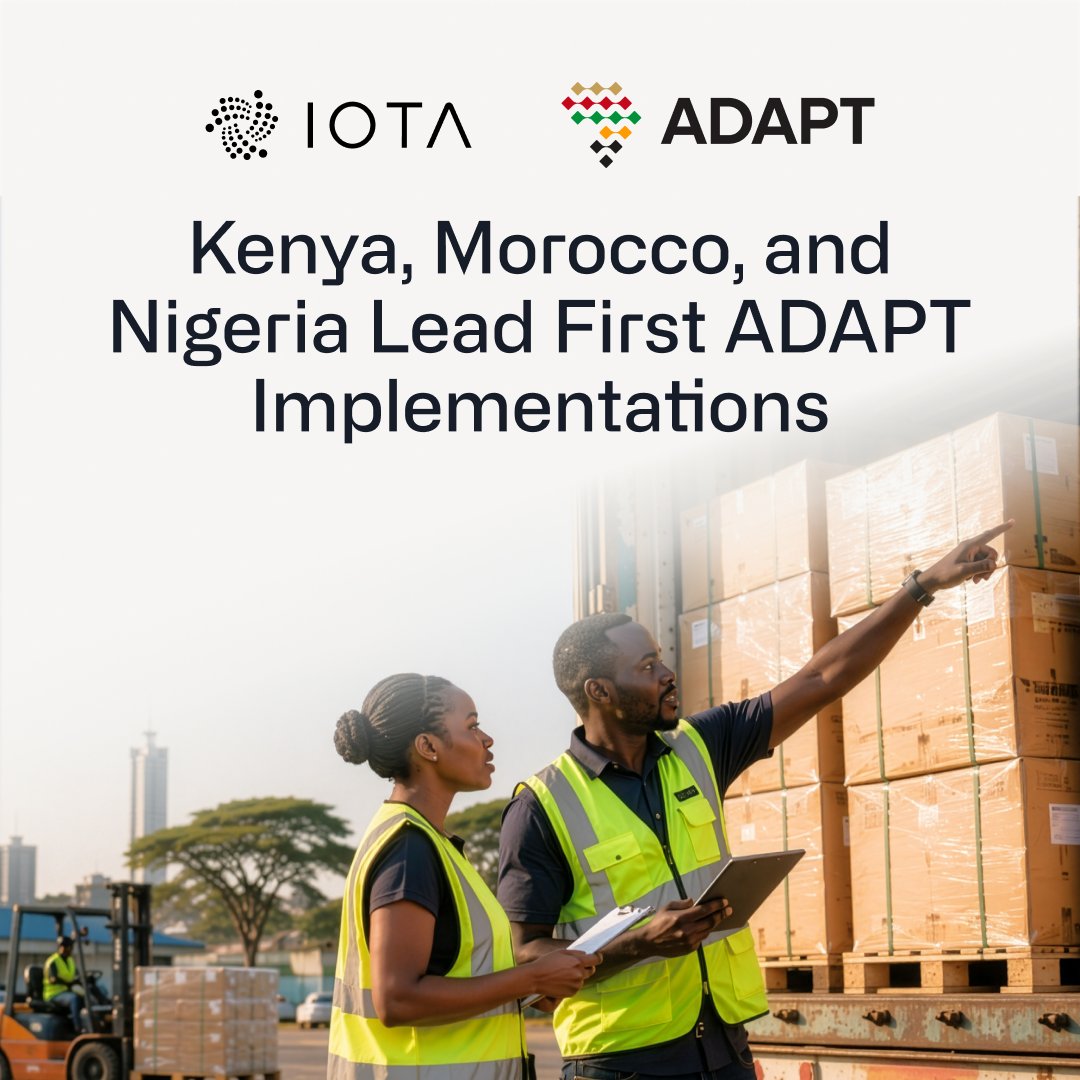
"Africa has a unique opportunity to leapfrog fragmented, paper-based trade systems and establish digital trust infrastructure designed for the future."
DomSchiener on ADAPT, now in implementation across Kenya, Nigeria, and Morocco.
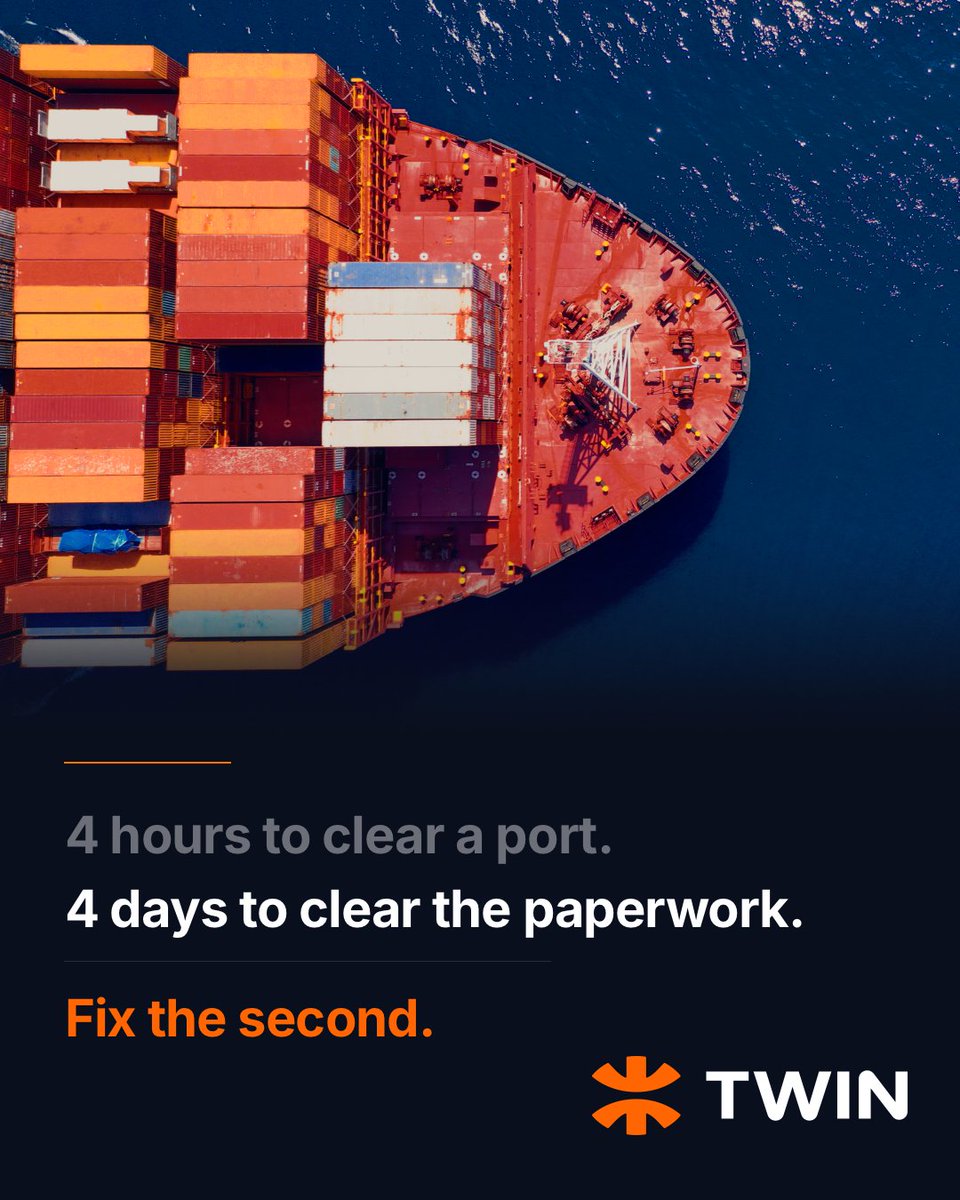
A shipment can clear a port in 4 hours.
The documents authorizing it can take 4 days.
The goods aren't the bottleneck.
The paper trail is.
It doesn't have to be.
#TrustedTrade
Kenya, Nigeria, and Morocco have been selected as the first countries to implement ADAPT - the Africa Digital Access and Public Infrastructure for Trade initiative.
Trade finance is one of the lowest-risk forms of lending in the world.
The assets are real. The transactions are documented. The trade has already been agreed.
And yet it's one of the hardest things for small businesses to access.
The barrier isn't risk.
It's paperwork.
#TrustedTrade
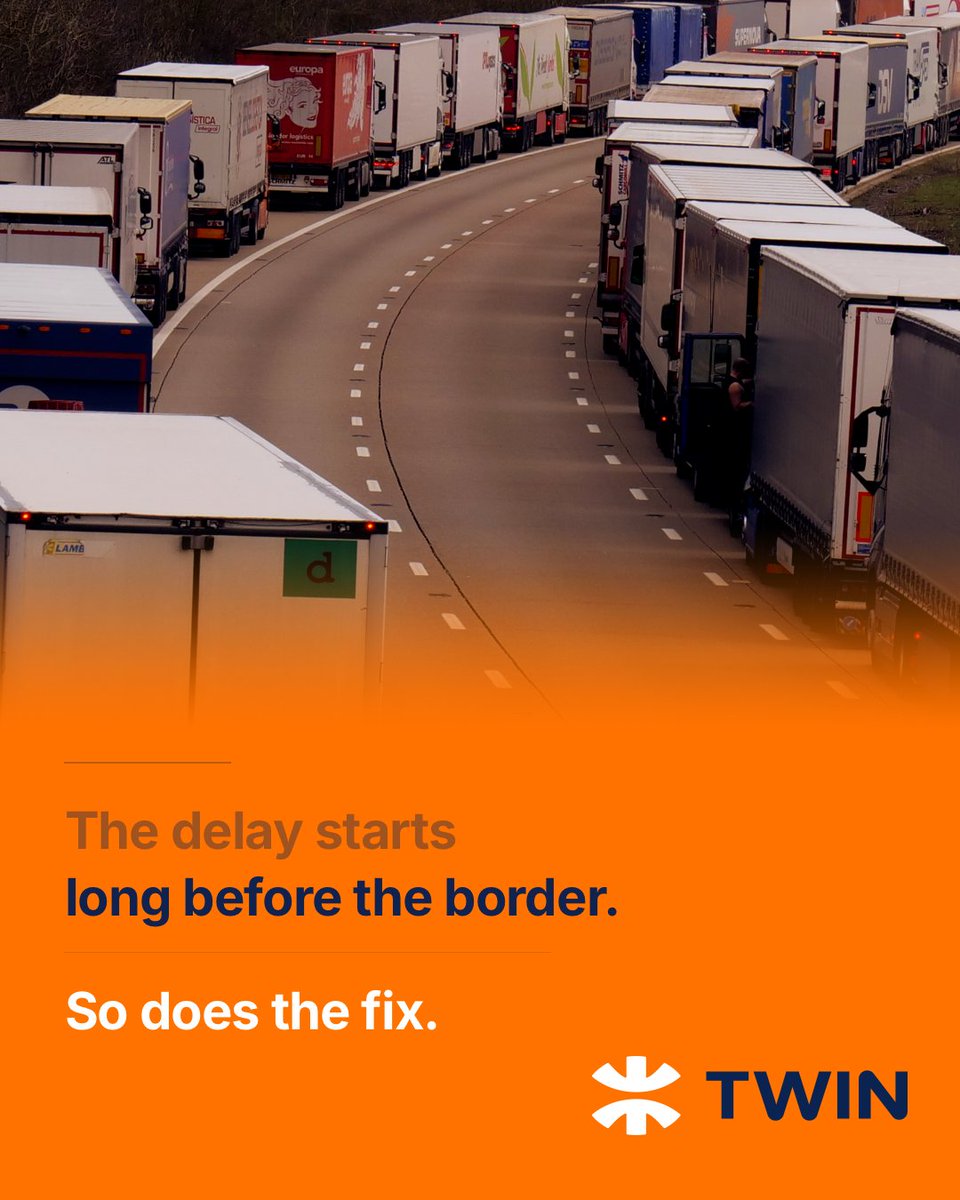
Customs delays look like a border problem.
They usually start weeks earlier, when a document is issued with incomplete or unverifiable data.
By the time the goods arrive, someone is manually tracing back through the chain to find where it broke.
The border is just where the waiting becomes visible.
Fix the data at source, and the border stops being the problem.
#TrustedTrade
$2.5 trillion.
That's the gap between the trade finance that exists and the trade that needs it.
The goods are real. The buyers and sellers are real.
The transactions just can't get funded, because the documents proving they are real can't be verified fast enough.
Most of that gap falls on small and medium businesses.
The ones that can least afford to wait.
#TrustedTrade
A Bill of Lading is a 400-year-old document.
It proves a shipment exists, establishes ownership, and authorizes delivery.
Still mostly issued on paper. Still mostly verified by fax or email.
One document. The backbone of global shipping.
Still running on 17th century infrastructure.
#TrustedTrade