A huge congratulations to IRES's Professor Terre Satterfield, and her colleagues including Kate Moran, Curran Crawford, David Goldberg and Felix Pretis, for being awarded $24 million in funding to advance ocean-based carbon dioxide removal!
Learn more: https://t.co/KRXEidudd4
Does Alberta really want to bet its future on the predictability of US politics rather than consumer preferences driving a rapid technology transition to electric vehicles?
Drs. Milind Kandlikar & David Boyd of @ubcires on prosperity in a post-oil world. https://t.co/RPpVf8R7Le
One top tip?
"Eliminate or reduce your beef consumption," says Dr. Juan Diego Martinez.
"I grew up in Latin America where eating a lot of beef is part of the culture, so I get how much of an ask this is. But we just can’t deny the data anymore." https://t.co/sEda0156oT
90% of Canadians need to change our diets NOW for the world to warm no more than 2 C.
Read what Juan Diego Martinez, who led the research as a PhD student at IRES, recommends as changes can we make to our diets this holiday season:
@ubcires research shows nearly half the global population—and almost all Canadians—must change their diets to curb climate change.
Discover simple steps to reduce food emissions and help keep warming below 2°C.
https://t.co/4zHF9p9oXN
“All we know that is happening is that we've been removing existing climate policies,” @simondonner said. @UBCGeog@ubcires@ubcscience https://t.co/8QVKP5czQt
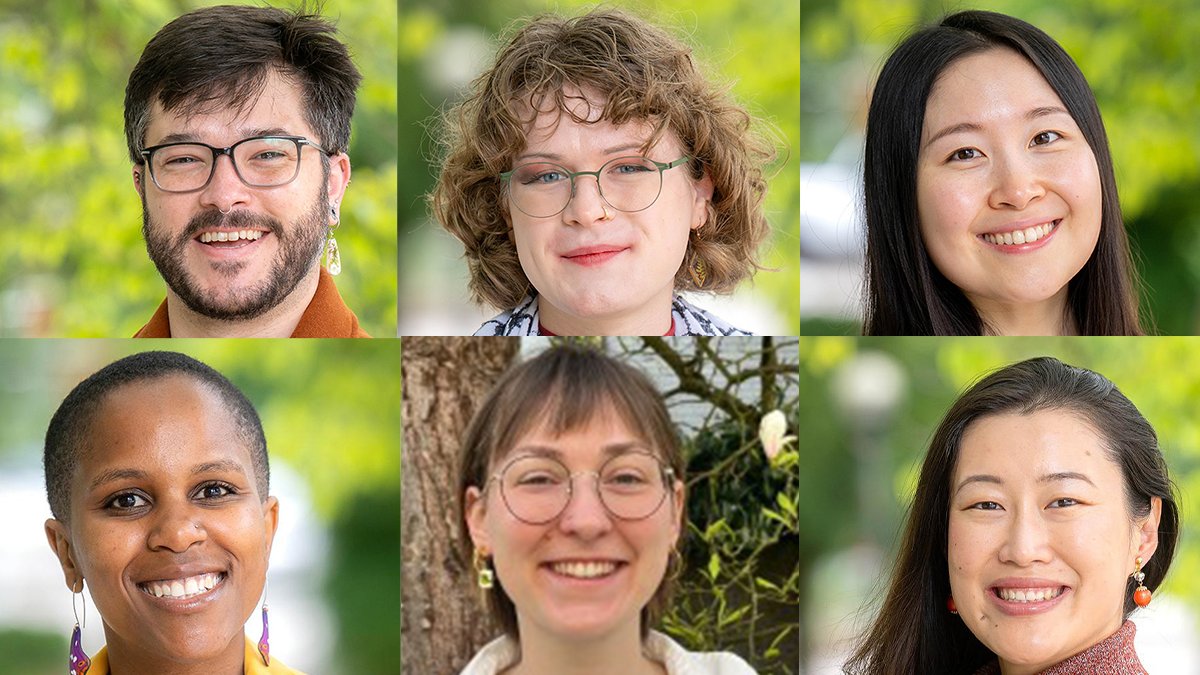
Congratulations to UBC Science’s 6 new public scholars! Sean Edgerton, Drew Hall, Yunfei Li, Jessica Mukiri, Lilith South & Molly Zhang are among 36 doctoral students who are pursuing interdisciplinary, community-engaged PhD work with real world impact.
https://t.co/yS8mtyuwBG
A new paper co-authored by IRES adjunct prof Dr. Robin Gregory argues that B.C. should be spending more than the cost of battling wildfires in 2025, expected to be close to $500m, to break the current cycle of destructive wildfires: https://t.co/BPi8oCFiup
“People need to come home feeling inspired to seek systematic, transformational change, not that the trip was their good deed for the year,” said @simondonner. He warns greenwashing can undermine #environmental gains. @UBCGeog@ubcires https://t.co/yrHrkdMt5Y
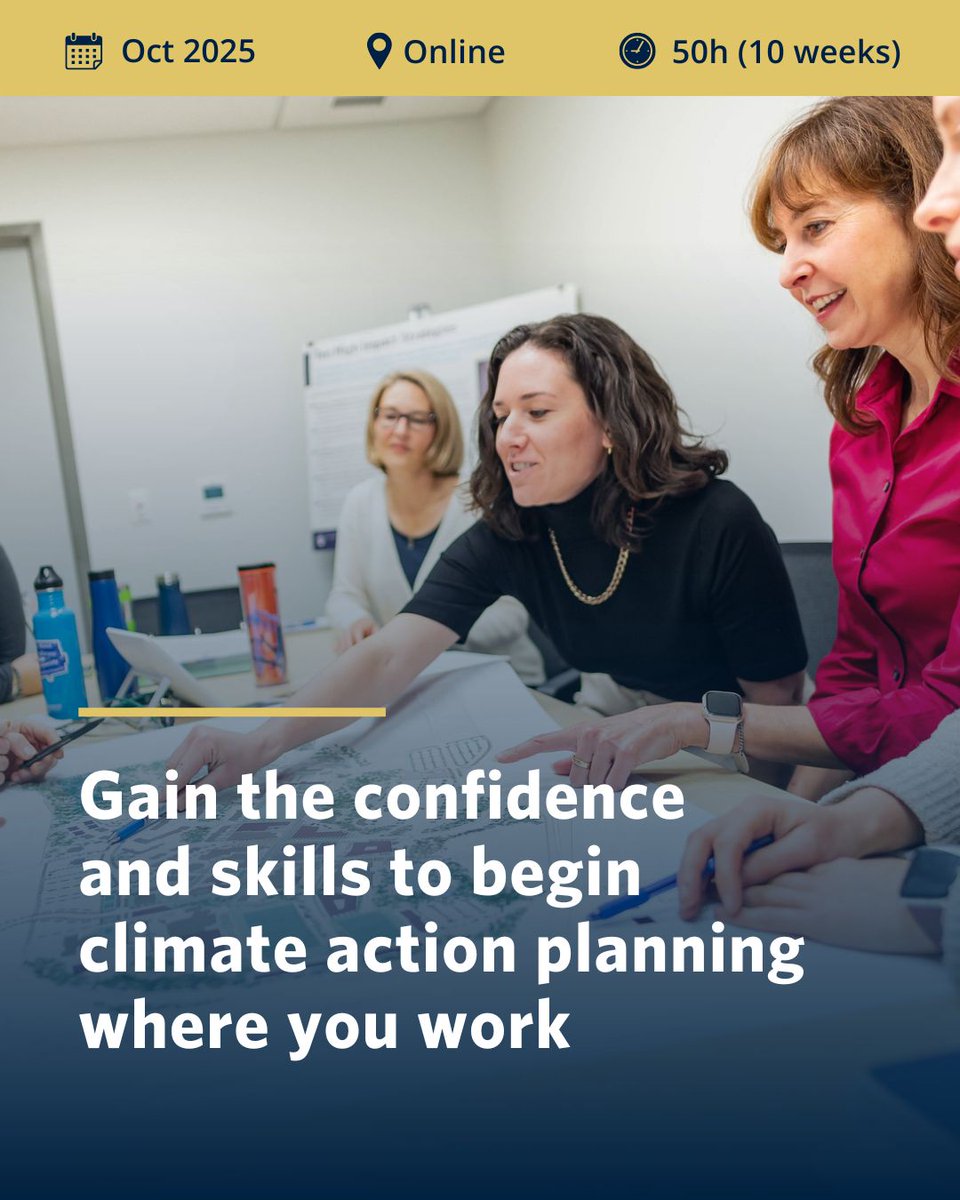
UBC Micro-certificate in Climate Action Planning!
For policy makers, planners, and other professionals:
⏰ Part-time
💻 100% online
💵 Eligible for the StrongerBC future skills grant
https://t.co/yw48Zqzc8t
💐 Congrats to Manvi Bhalla and Amanda Giang, who are two recipients of the 2025 Peter Wall Legacy Awards!
Bhalla is being honored for her IRES PhD research into environmental racism, while Giang's award is in association with her @ubcmech research. https://t.co/zwd7uFUEMY
July 2025 marked a significant milestone for climate justice as the human right to a healthy environment was recognized by top judicial authorities.
@EnvirOptimist, IRES professor & former UN Special Rapporteur, discussed its implications:
🔗 https://t.co/7xGnGTDakd
Anaïs Pronovost-Morgan, an IRES grad student, spearheaded an Eco-Improv workshop!
Eco-Improv, she says, can help us deal with the diverse eco-emotions of the climate crisis, and build our confidence in the face of the unknown.
Read more! https://t.co/3E6U6ccW5a
With restorative work Canada’s western ecosystems are in a better position to absorb greenhouse gases than any current technology. “It's not just the plants, because the animals are fundamental parts of those ecosystems,” says Dr. @KaiChanUBC.
@ubcires https://t.co/7bH4F8PJs9
Many low- and middle-income countries, Indigenous Nations and communities, and small states are missing from debates around space activities.
IRES adjunct prof Dr. Niiyokamigaabaw Deondre Smiles & coauthors call for greater inclusion:
https://t.co/QBKDM500IC
Researchers including IRES adjunct professor Justin Ritchie argue that the Congressionally mandated report, the National Climate Assessment (NCA), has been highly politically influenced and not consistent with science.
https://t.co/A1AOF3GOkK
🌎💚 Can we make meaningful climate action feel happy instead of miserable? Dr. Jiaying Zhao answers this and more in the American Psychological Association.
🔗 https://t.co/AQsxui5wBx
Dr. Jiaying Zhao and Jade Radke are featured in the Conversation for their innovative study to increase recycling rates through a green lottery, contributing to a circular economy and allowing people to choose the refund option that works best for them.
🔗https://t.co/t5Q6XdgyA6
When corporations are able to sue governments for strengthening environmental and human rights laws, sustainability and human rights are at risk. Dr. David Boyd is featured for his report on what countries can do to protect themselves. https://t.co/IoQvCcxMnM