@UNAIDS Every Voice Matters means creating spaces where people can share their experiences, feel heard, and be part of the community. Because well-being is not only about physical health, also about feeling connected, supported, and heard. #EveryVoiceMatters#1Game1Community
“The one organization that stood with people living with HIV, key populations, communities and governments to help them maintain HIV services, transform their services and integrate into the broader health system was UNAIDS.”
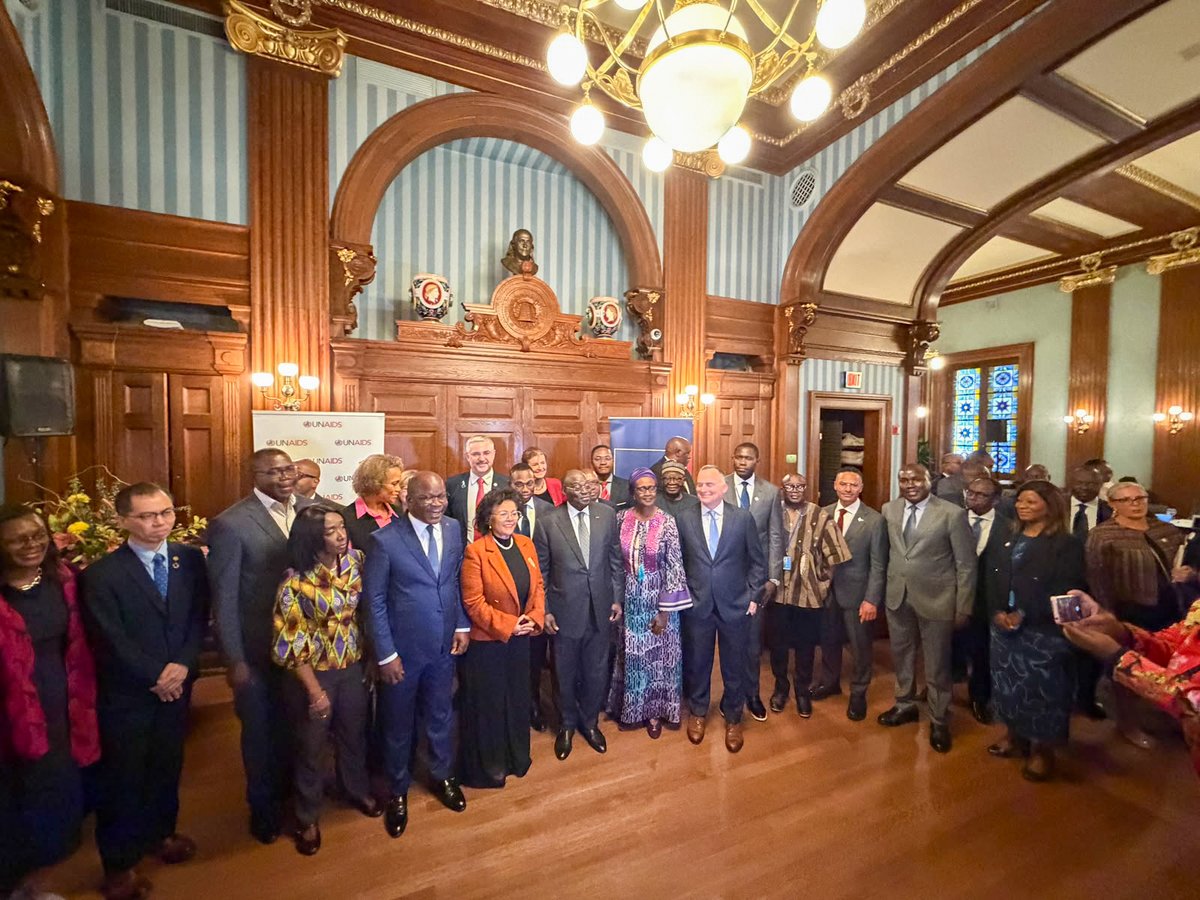
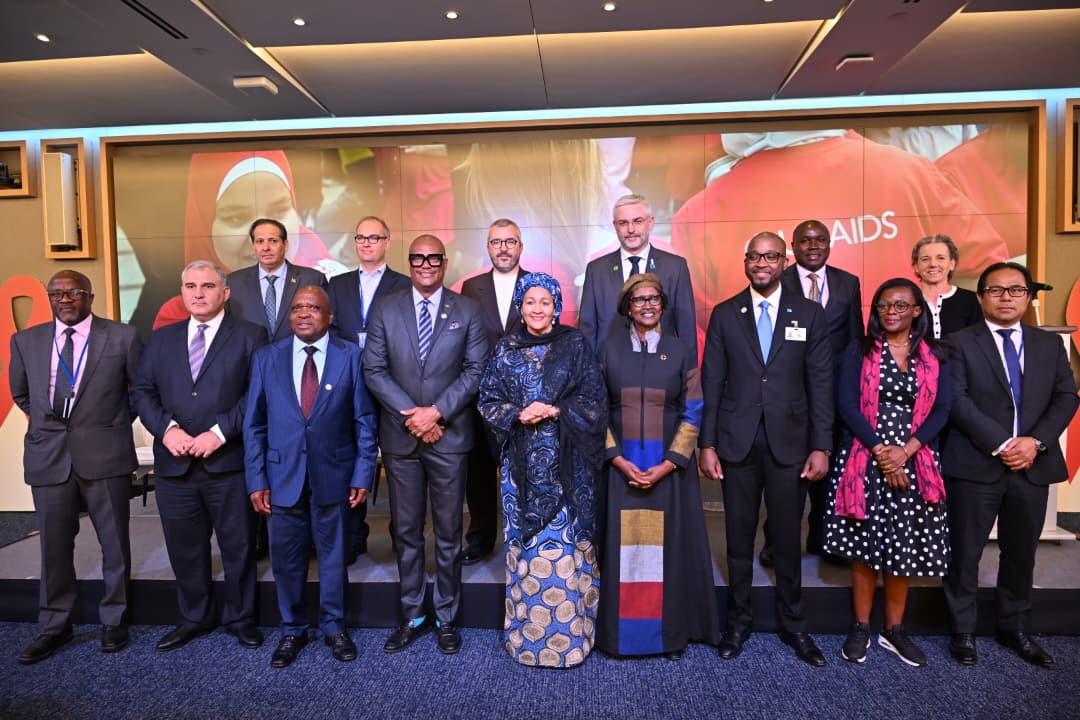
At #UNGA81, UNAIDS Chief of Staff Mahesh Mahalingam recaps UNAIDS' flagship event on the future of the UNAIDS Joint Programme.
The message: UNAIDS will continue to stand with countries and communities as they work to end AIDS.
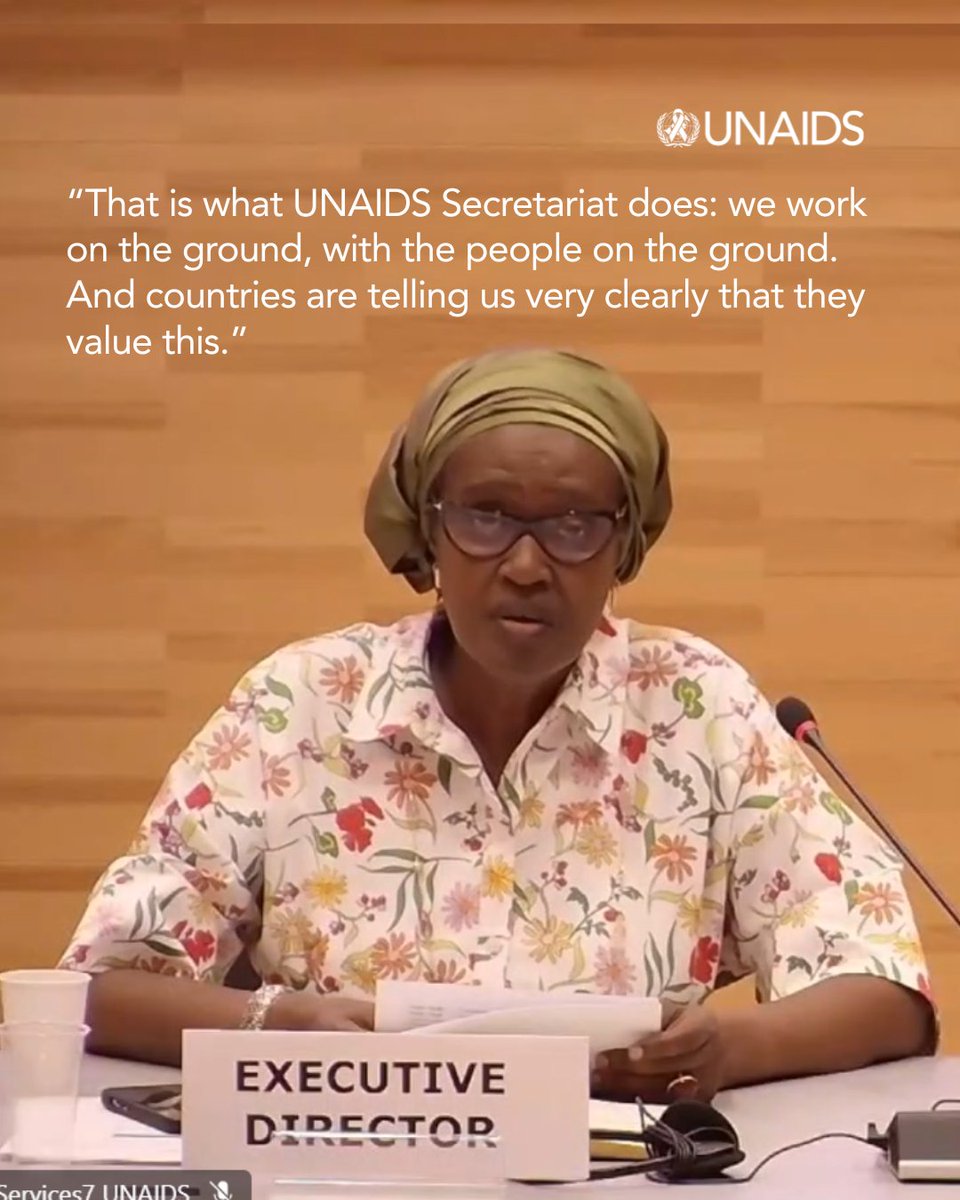
During the 2nd Multistakeholder Consultation convened by the UNAIDS Programme Coordinating Board (PCB) Working Group on the further transition and integration of UNAIDS into the UN system and beyond, UNAIDS Executive Director @Winnie_Byanyima stressed that any transformation of UNAIDS must be guided by the do no harm principle — protecting the gains of the global HIV response, maintaining critical support to countries and communities, and ensuring that people living with and affected by HIV remain at the centre of decisions about the future of the response.
Learn more about the UNAIDS PCB https://t.co/jGPSHku9j3
UNAIDS at #UNGA81: from commitments to action.
Throughout the week, UNAIDS brought countries, communities and partners together around what it will take to deliver on the commitments made in the new Political Declaration on HIV and AIDS.
From country ownership and sustainable HIV responses to health sovereignty, local production and equitable access to medicines, the conversations at UNGA81 also focused on the future of UNAIDS — and how a transformed Joint Programme can continue to provide political leadership, connect partners and support countries and communities.
As UNAIDS Executive Director @Winnie_Byanyima said: “Countries are telling us: stay with us, we need you.”
Read our full recap of #UNGA81 and the commitments, partnerships and priorities shaping the next phase of the HIV response. 👇
https://t.co/CgarZNuEpF
From #UNGA81, UNAIDS Executive Director @Winnie_Byanyima saw strong signs of solidarity and leadership to keep working together to end AIDS.
UNAIDS brought African leaders, Ministers of Health, industry and civil society together to advance health sovereignty through local production of medicines for HIV and other pandemics and to identify concrete opportunities to move this work forward.
She also highlighted strong support for the continuation and transformation of the UNAIDS Joint Programme, and the growing role of countries in sustaining the HIV response, including Benin’s new contribution to support UNAIDS work in the country.
Multilateralism may be under pressure, but it is alive. And there are many forces working to strengthen it and solve global challenges together.
At #UNGA81 in New York, the Government of Benin 🇧🇯 (@gouvbenin) signed a new €544,000 contribution to support UNAIDS’ work in the country in 2026–2027.
At a time when international financing for health and development is under pressure, this contribution demonstrates Benin’s national leadership and commitment to sustaining progress against HIV.
The investment will strengthen UNAIDS’ work in Benin, including data and analysis, community engagement and coordination, helping ensure people can continue to access lifesaving HIV services and that the country remains on track towards ending AIDS by 2030.
UNAIDS Country Director for Benin @moualachristia1 shares a message from #UNGA81 ⬇️
https://t.co/YMVyvqjbeA
One week. Many conversations. And some important questions about what comes next.
At #UNGA81, UNAIDS brought the lessons of the HIV response into the wider conversation on pandemic preparedness, advanced discussions on health sovereignty and access to science, and pushed for HIV responses that countries can lead and sustain.
The work continues. UNAIDS will keep convening governments, communities and partners, connecting political leadership, science and evidence, and supporting action to end AIDS.
That’s what we’re taking forward.
Day 3 of the SADC–China strategic exchange included visits to Biovac and Afrigen, with discussions focused on strengthening regional pharmaceutical and vaccine manufacturing capacity and reducing reliance on external supply.
Biovac’s experience in vaccine manufacturing and industrial scale-up, alongside Afrigen’s work in biotechnology, mRNA technology and technology transfer, offered valuable lessons for building regional capacity.
For SADC, the China partnership creates an opportunity to connect expertise, technology, investment and markets — turning knowledge exchange into practical partnerships that support local production, resilient supply chains and greater health security.
Good news! Countries around the world have committed to ensuring the global accessibility, availability and affordability of HIV medicines, diagnostics, and other essential technologies.
Find out more about the new Political Declaration on HIV/AIDS: https://t.co/Rk2g7YuenQ
“This is not about importing medicines. This is about ensuring that there is capability in Africa itself to produce the key medicines needed for AIDS.”
Anne Githuku-Shongwe, UNAIDS Regional Director for East and Southern Africa, explains why this week’s SADC–China strategic exchange matters — and how stronger regional pharmaceutical manufacturing can help Southern Africa turn scientific innovation into greater capacity to prevent and treat HIV.
With new innovations in HIV prevention and treatment, the opportunity is there. Building the manufacturing capacity to make these innovations accessible is the next step.
#PartnersForHealthSecurity #SADCChina #HealthSecurity
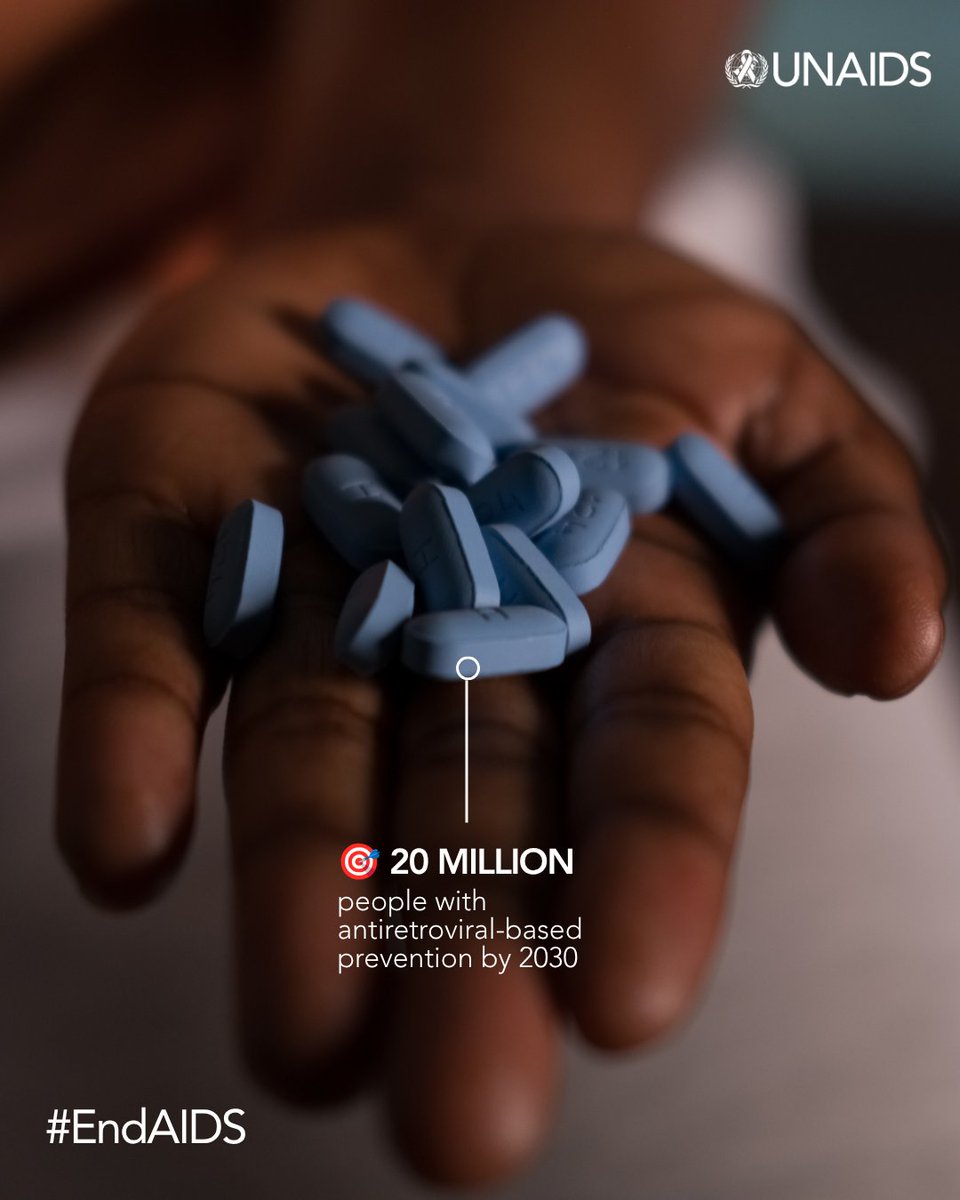
Scaling up HIV prevention is essential to ending AIDS.
The new Political Declaration sets a new critical global target of reaching 20 million people with antiretroviral-based HIV prevention by 2030, expanding access to effective options for those who need them most. https://t.co/8nmN1uZPyp
Good news! 11 countries have achieved the 95-95-95 HIV testing and treatment targets in 2025!
Despite the progress, disparities continue to exist: between men and women, and children and adults.
Ending AIDS requires achieving the targets across all populations.
https://t.co/BOnCnKBUSc
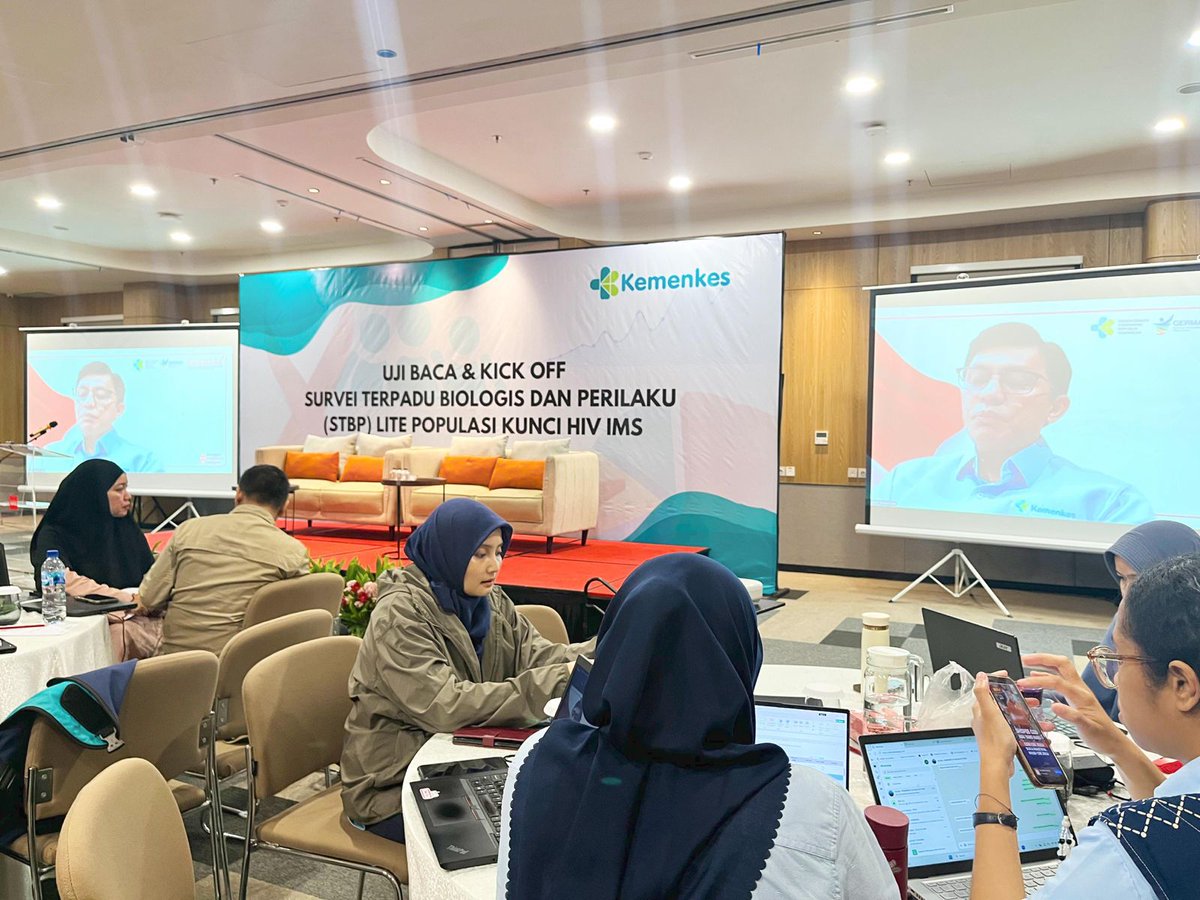
Understanding the HIV epidemic starts with better, more granular information. UNAIDS Indonesia joined the kick-off of the IBBS-Lite for Key Populations Pilot & provided technical support to the National AIDS Programme to prepare for its implementation.
#EndAIDS#IBBSLite
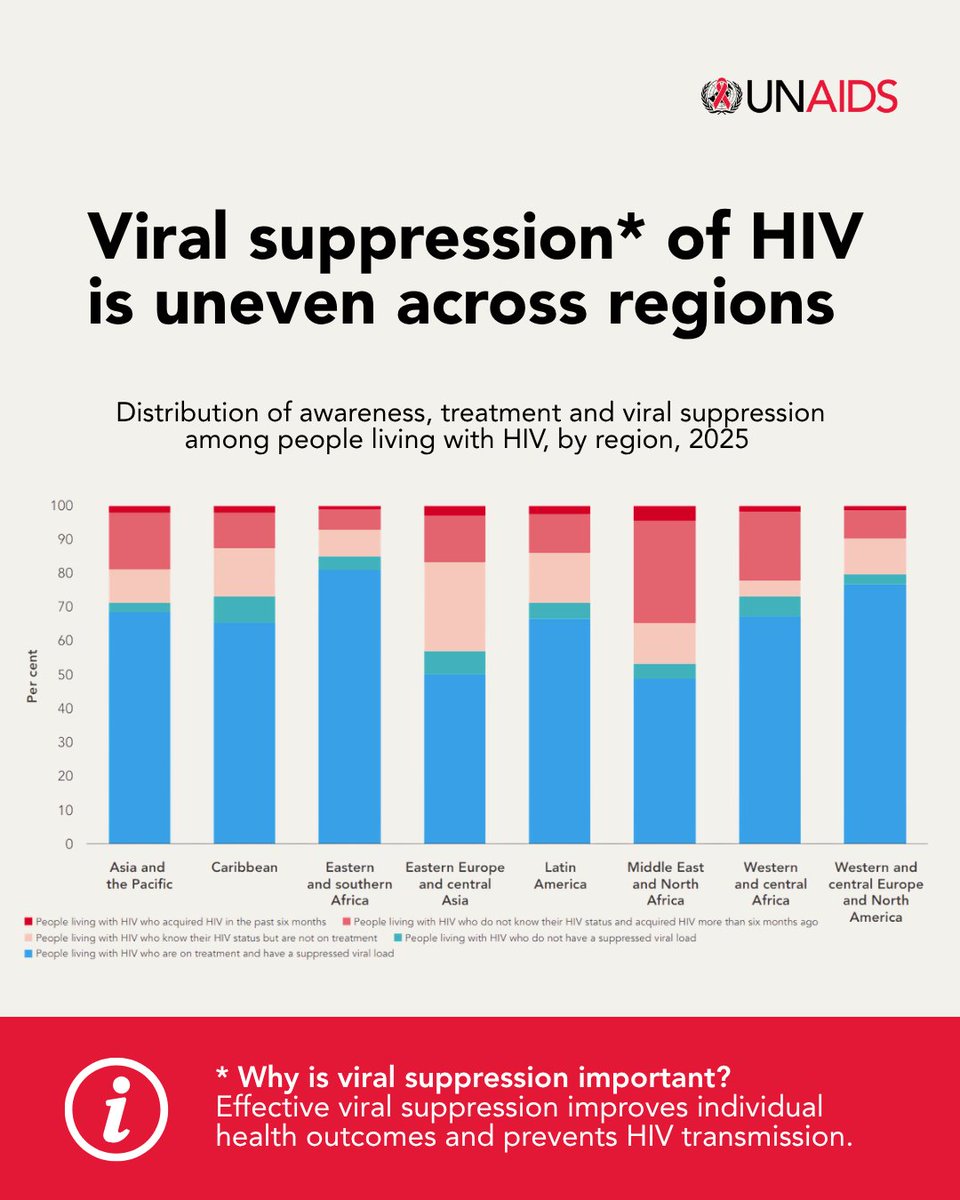
Viral suppression:
✅ improves health of people living with HIV
✅ prevents HIV transmission
But UNAIDS data shows that access to treatment and viral load testing still varies by region.
With the newly reaffirmed target of 38 million people living with HIV virally suppressed by 2030, we must ensure treatment and care services are accessible for all in need. https://t.co/8nmN1uZhIR
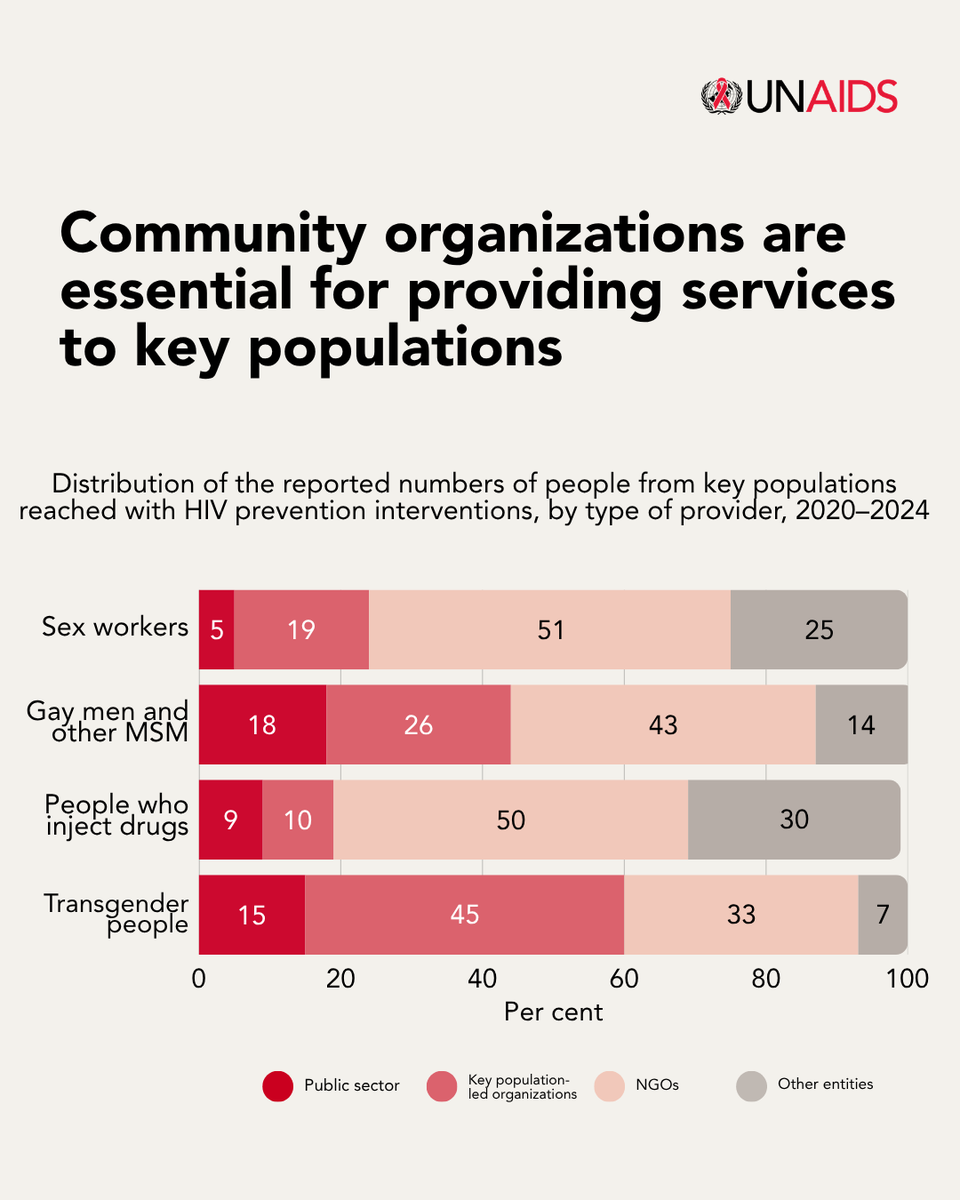
Community-led services are critical for key populations most affected by HIV to access services like HIV prevention.
However, the decline of funding puts this vital work at risk.
For more data on HIV: https://t.co/PmqFRarZ4u
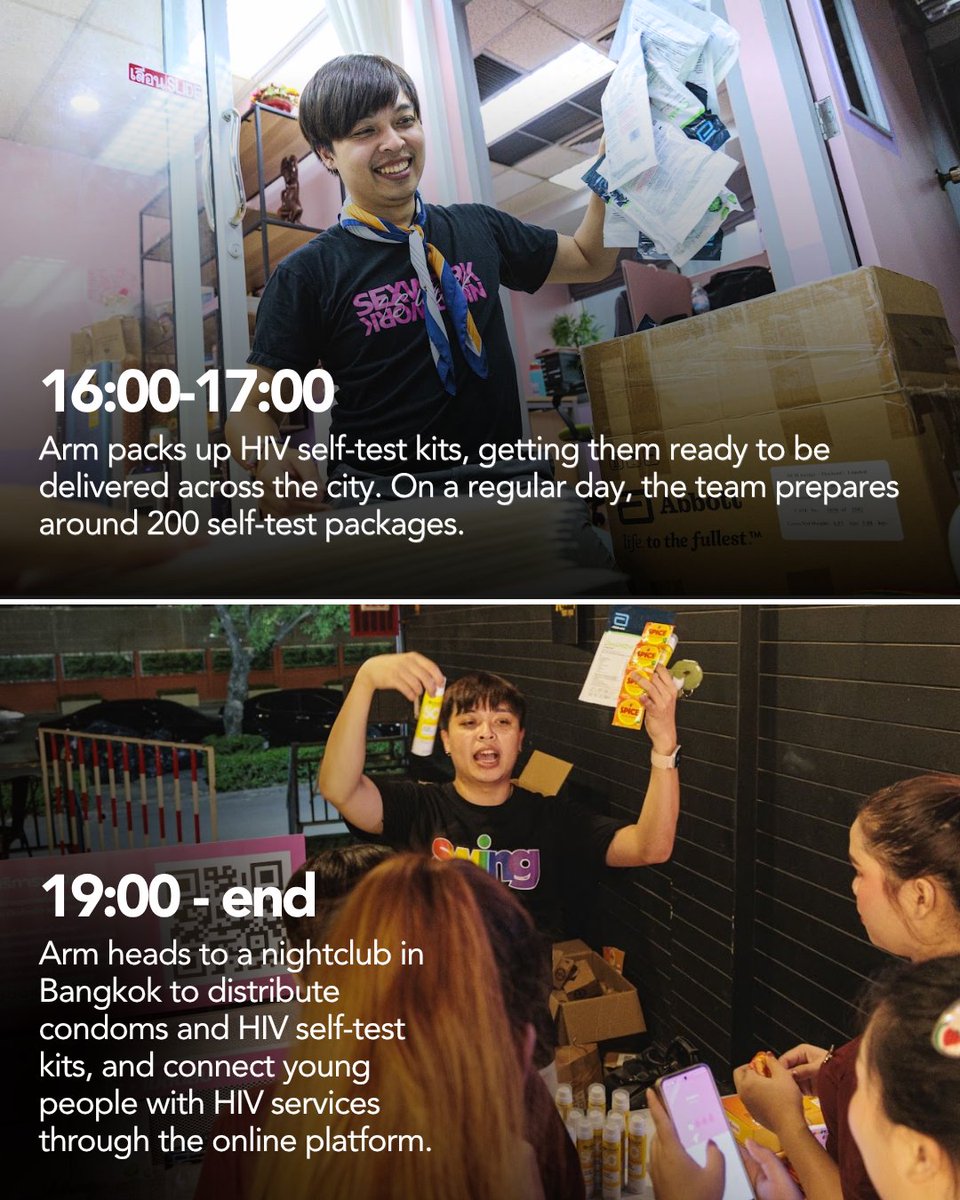
What does a day in the life of an HIV community worker at @SWINGThailandTH look like?
🤝 Supporting clients at the clinic
📦 Preparing HIV self-test kits
💻 Creating creative ways to reach young people with PrEP
🌙 Taking HIV services into the community
Read Arm's story: https://t.co/U4vD9FvXNV
#DidYouKnow HIV treatment can help people living with HIV achieve an undetectable viral load - meaning they do not transmit HIV to their sexual partners. People with a suppressed viral load have a near-zero risk of transmitting HIV.
In 2025, 30.4 million people living with HIV globally have a suppressed viral load. The target? 38 million by 2030.
Countries must ensure everyone who needs HIV treatment can access it, helping people stay healthy and preventing new HIV infections. https://t.co/8nmN1uZPyp
Dolly Parton leaves a lasting legacy of compassion and solidarity. At a time when HIV was deeply stigmatized, she used her platform to support and fundraise for the AIDS response, and stand with the LGBTQ+ community.
Her commitment helped challenge stigma and advance messages of dignity, inclusion and acceptance ❤️
Ending AIDS by 2030 is not possible unless stigma, discrimination, criminalization gender inequality are tackled.
The new Political Declaration includes commitments for countries to protect human rights of all.
Read: https://t.co/Rk2g7YuenQ