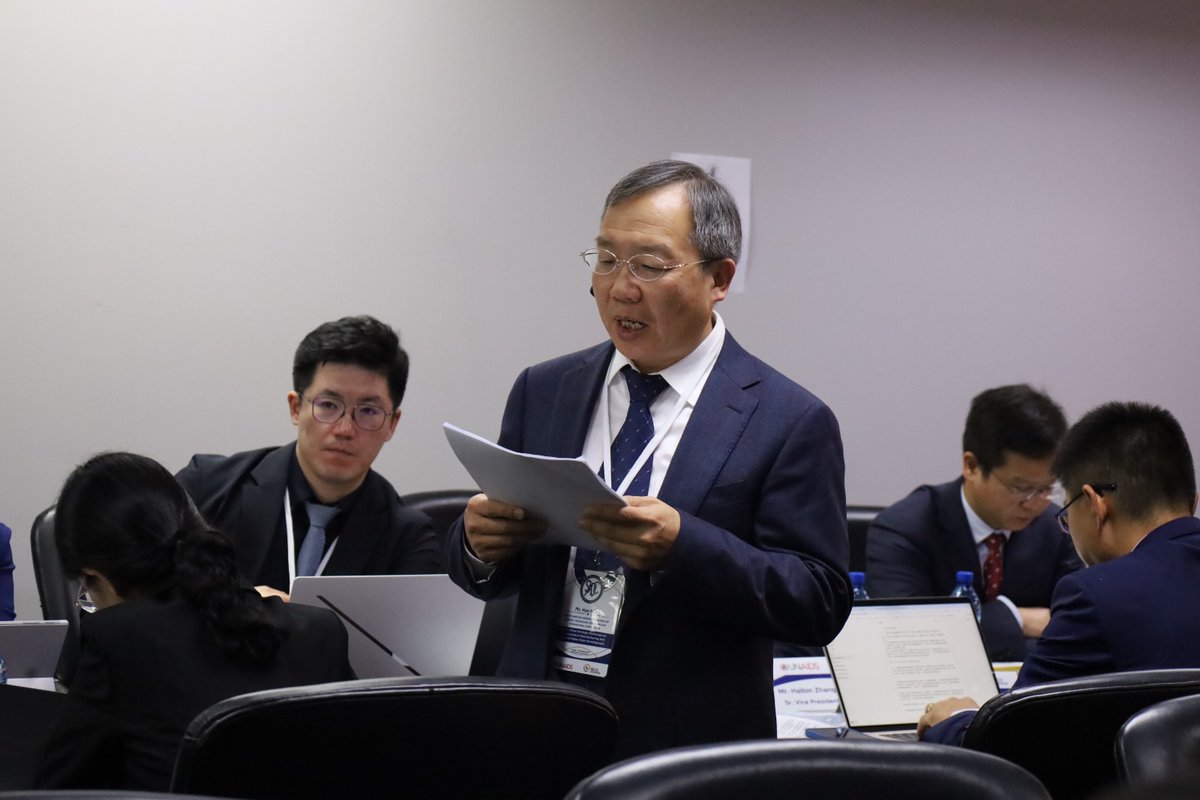
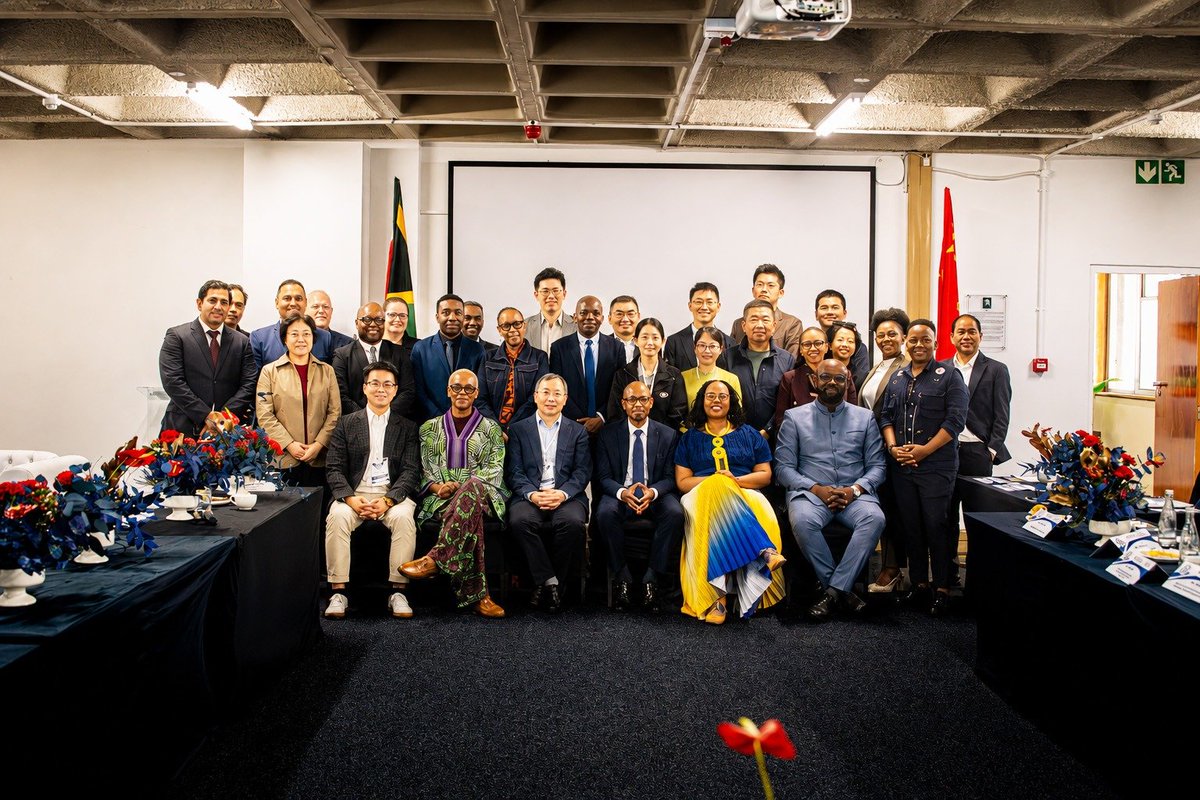
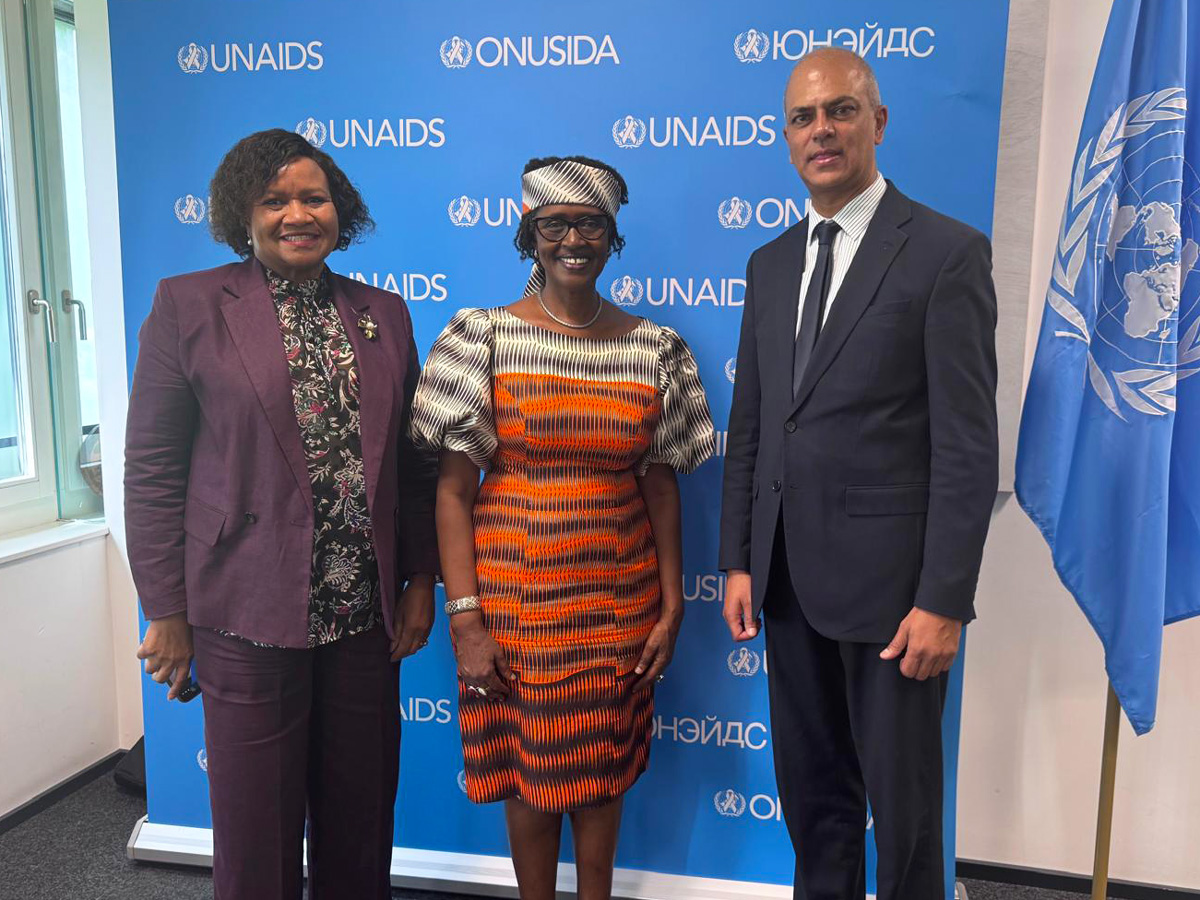
This past week, UNAIDS, SADC, the Governments of South Africa and China, the Global Health Innovation Institute (GHII), pharmaceutical companies, research institutions and partners came together for a strategic exchange on pharmaceutical manufacturing across Southern Africa.
The conversations reinforced an important lesson from the HIV response: scientific innovation is only transformative when people can access it.
New medicines, prevention technologies, vaccines and diagnostics are changing what is possible. But access depends on more than having the science. It depends on whether countries have the manufacturing capacity, technology, skills, investment, supply chains and partnerships needed to make these innovations available at scale — and at a price people and health systems can sustain.
Across Johannesburg, Durban and Cape Town, UNAIDS saw the capabilities that already exist in Southern Africa and explored how they can be strengthened. From pharmaceutical and vaccine manufacturing to biotechnology, genomics and diagnostics, there is significant potential to build regional capacity and bring production closer to the people who need these products.
Several priorities for cooperation were identified, including a regional priority product list for HIV and sexual and reproductive health commodities, stronger demand forecasting and pooled procurement, and more predictable markets for African manufacturers.
The partners also agreed to explore opportunities for technology transfer, skills development and investment to support the growth of local pharmaceutical manufacturing.
The partnership with China offers an opportunity to connect technology, expertise, investment and manufacturing capabilities with this growing regional capacity.
For UNAIDS, this is about ensuring that the next generation of HIV prevention and treatment innovations does not remain out of reach. People should not have to wait for access to the science that can protect their health.
Building stronger regional manufacturing systems can help make access more sustainable, strengthen resilience and ensure that health innovations reach the communities that need them.
The work now is to turn the partnerships and opportunities identified this week into practical action.
Because health security is not just about the ability to produce. It is about the ability to ensure access.
UNAIDS joined Federal President Frank-Walter Steinmeier at the #Bürgerfest to mark 30 years of Bonn as a UN city. As part of the #UNBonn family, UNAIDS connected with people to share what it takes to end AIDS.
Germany has long been a steadfast partner in the global AIDS response, helping protect hard-won gains and sustain progress. Together, through continued solidarity, investment, and action, we can reach our common goal of ending AIDS by 2030.
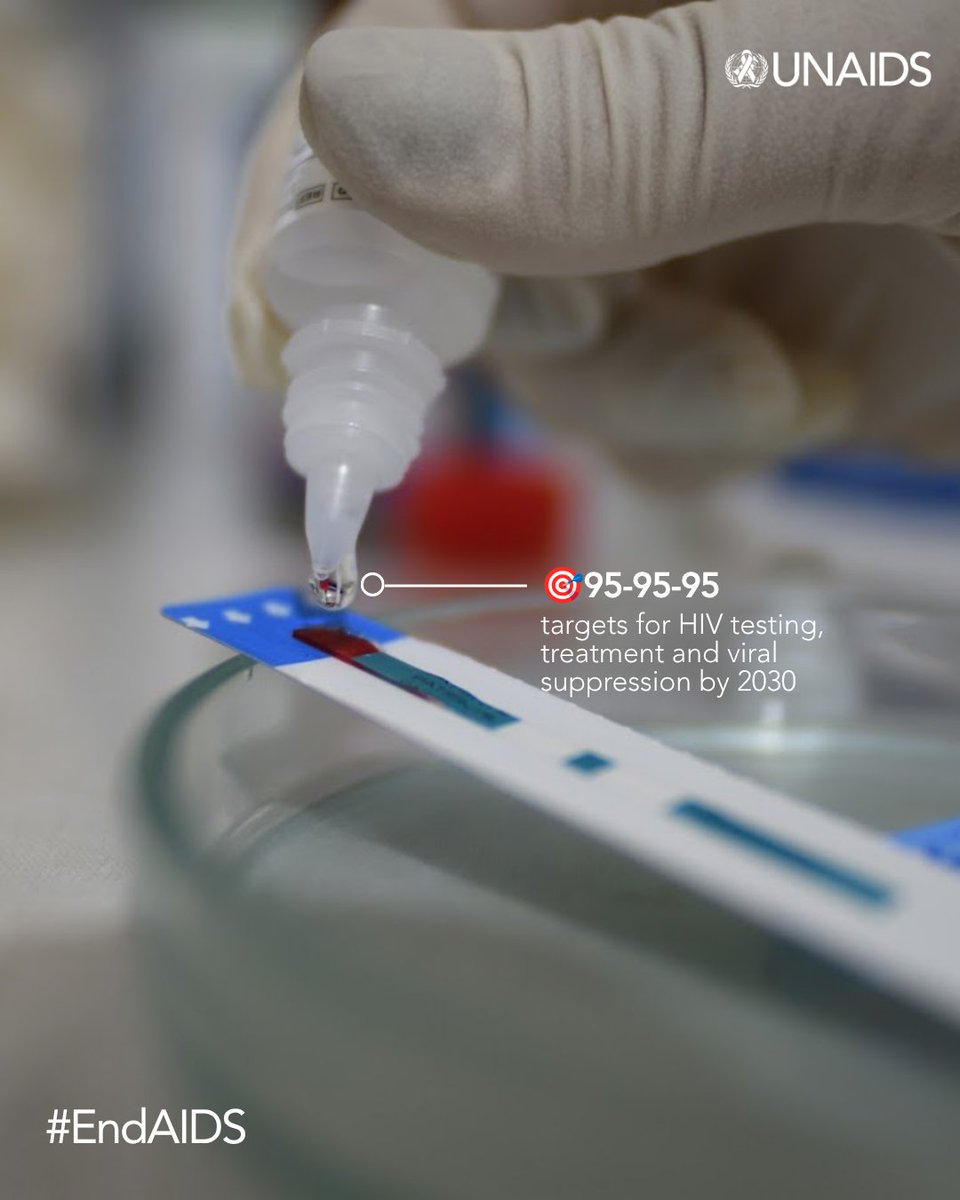
95-95-95 remains one of the world's most powerful targets to end AIDS:
✅ by 2030, 95% of people living with HIV know their status
✅ 95% of those diagnosed are on treatment
✅95% of those on treatment achieve viral suppression.
The new Political Declaration reaffirms these targets. https://t.co/8nmN1uZPyp
Important conversations on how financing and development partnerships can help turn regional pharmaceutical manufacturing ambitions into practical investments and stronger supply chains.
We are is pleased to be part of this important exchange alongside SANAC and partners.
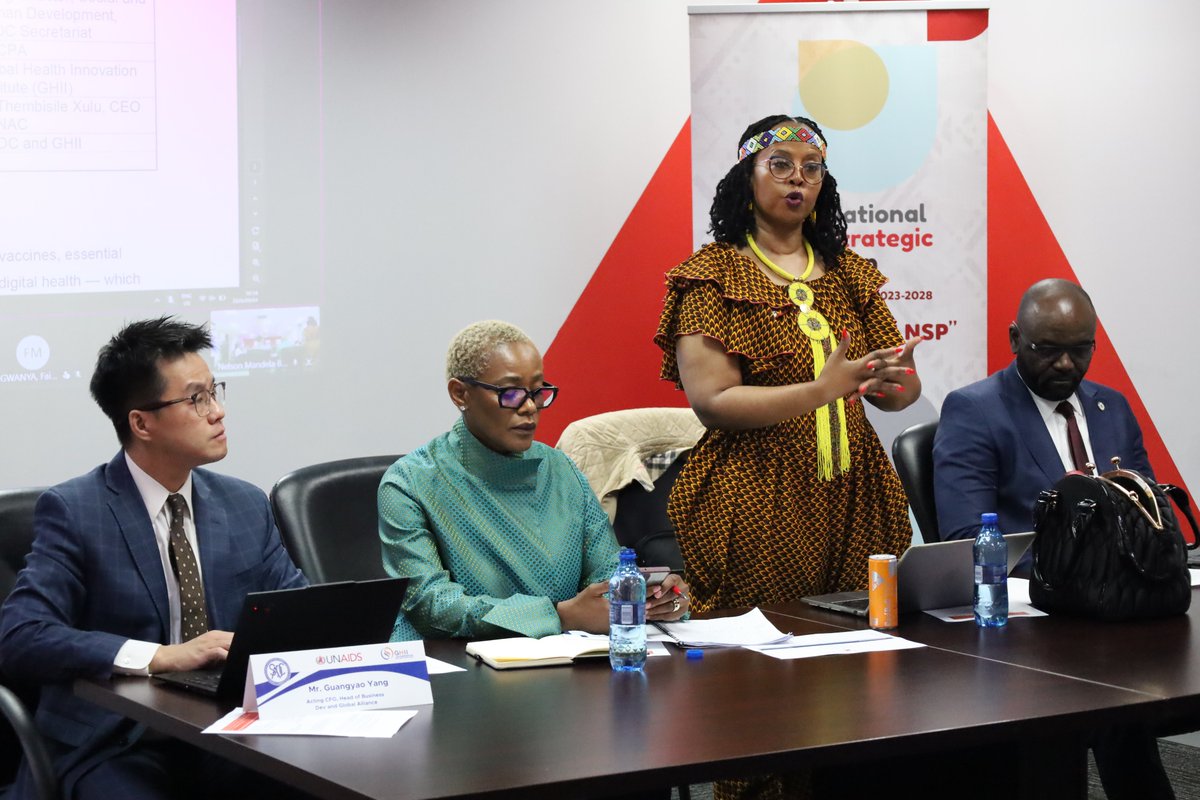
Today, SANAC hosted the Chinese Delegation for a roundtable discussion with financial institutions and development partners as part of the five-day SADC–China Strategic Exchange Visit to South Africa on Pharmaceutical Manufacturing and Regional Value Chains, which took place ...
Today, SANAC hosted the Chinese Delegation for a roundtable discussion with financial institutions and development partners as part of the five-day SADC–China Strategic Exchange Visit to South Africa on Pharmaceutical Manufacturing and Regional Value Chains, which took place ...
Day 4 of the SADC–China Exchange included a visit to the South African Medical Research Council (SAMRC), highlighting South Africa’s scientific and technological capabilities across genomics, vaccines and therapeutics, TB and HIV, diagnostics, digital health and more.
The visit also showcased opportunities for deeper South Africa–China collaboration, including in genomics and precision medicine, vaccine and pharmaceutical development, diagnostics, AI, clinical trials, skills development and technology transfer.
The focus is clear: moving beyond importing health products towards co-developing solutions, strengthening local manufacturing and building African scientific and technological capacity.
#PartnersForHealthSecurity #SADCChina #HealthSecurity
Day 3 of the SADC–China strategic exchange included visits to Biovac and Afrigen, with discussions focused on strengthening regional pharmaceutical and vaccine manufacturing capacity and reducing reliance on external supply.
Biovac’s experience in vaccine manufacturing and industrial scale-up, alongside Afrigen’s work in biotechnology, mRNA technology and technology transfer, offered valuable lessons for building regional capacity.
For SADC, the China partnership creates an opportunity to connect expertise, technology, investment and markets — turning knowledge exchange into practical partnerships that support local production, resilient supply chains and greater health security.
Good news! Countries around the world have committed to ensuring the global accessibility, availability and affordability of HIV medicines, diagnostics, and other essential technologies.
Find out more about the new Political Declaration on HIV/AIDS: https://t.co/Rk2g7YuenQ
Parceria para a saúde na África! 🌍💊
O @UNAIDS, em aliança com a África do Sul e a China, lançou uma iniciativa para impulsionar a produção local de medicamentos e tecnologia médica na África Austral.🔗👇
https://t.co/gFMDlqJCin
Day 3 of the SADC–China strategic exchange included visits to Biovac and Afrigen, with discussions focused on strengthening regional pharmaceutical and vaccine manufacturing capacity and reducing reliance on external supply.
Biovac’s experience in vaccine manufacturing and industrial scale-up, alongside Afrigen’s work in biotechnology, mRNA technology and technology transfer, offered valuable lessons for building regional capacity.
For SADC, the China partnership creates an opportunity to connect expertise, technology, investment and markets — turning knowledge exchange into practical partnerships that support local production, resilient supply chains and greater health security.
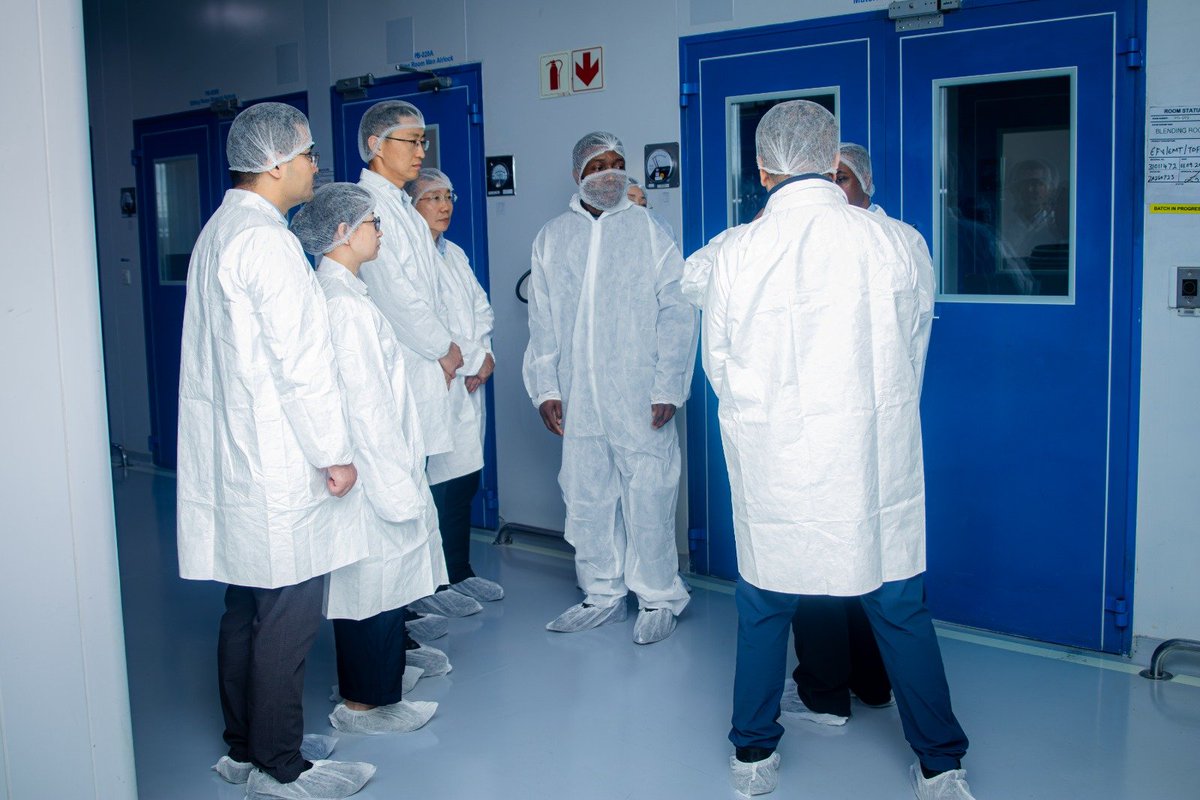
Day 2 took the SADC–China strategic exchange into South Africa’s pharmaceutical manufacturing sector, with a visit to Cipla South Africa.
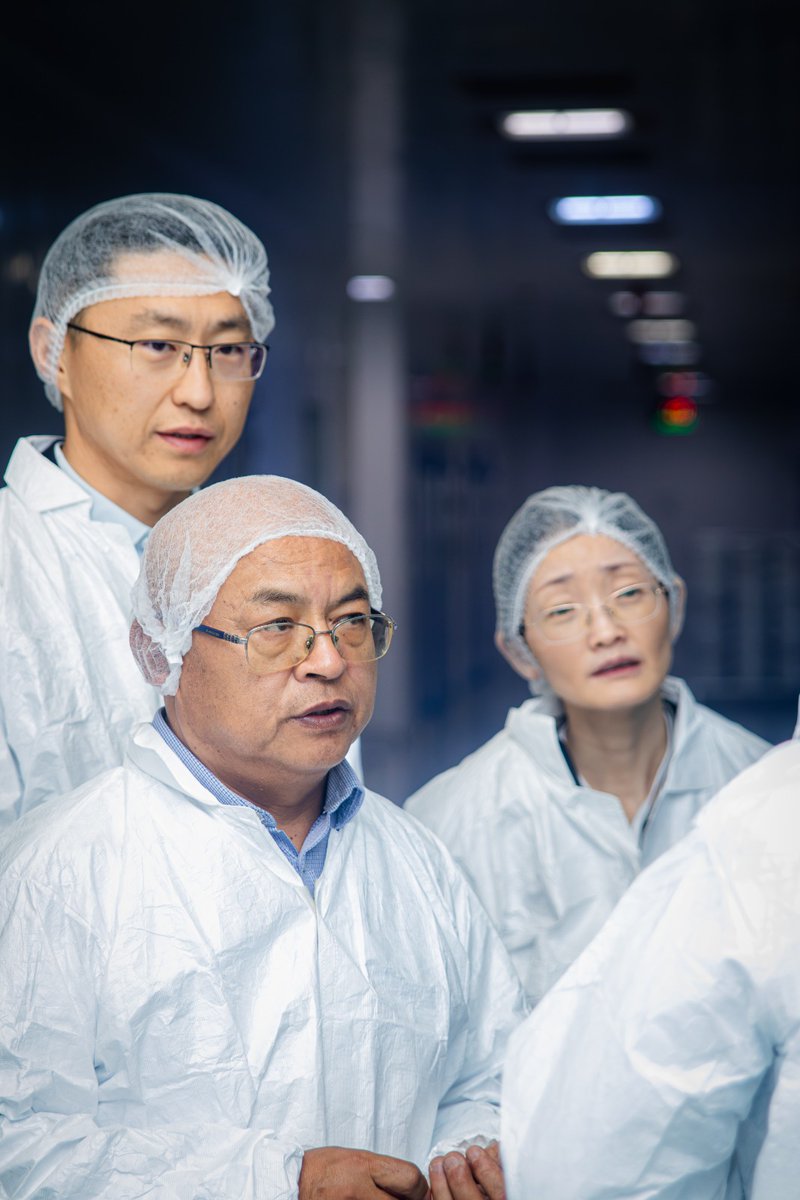
The visit offered a first-hand look at manufacturing capacity, quality standards and production at scale, while opening discussions on local API production, technology transfer, skills development, investment and industry partnerships.
With a footprint across Africa and global-access markets, @Cipla_Global also highlighted the potential for stronger regional manufacturing and industry-to-industry collaboration to expand access to quality, affordable medicines.
A key takeaway: stronger partnerships can help turn local manufacturing potential into sustainable production capacity and greater pharmaceutical security.
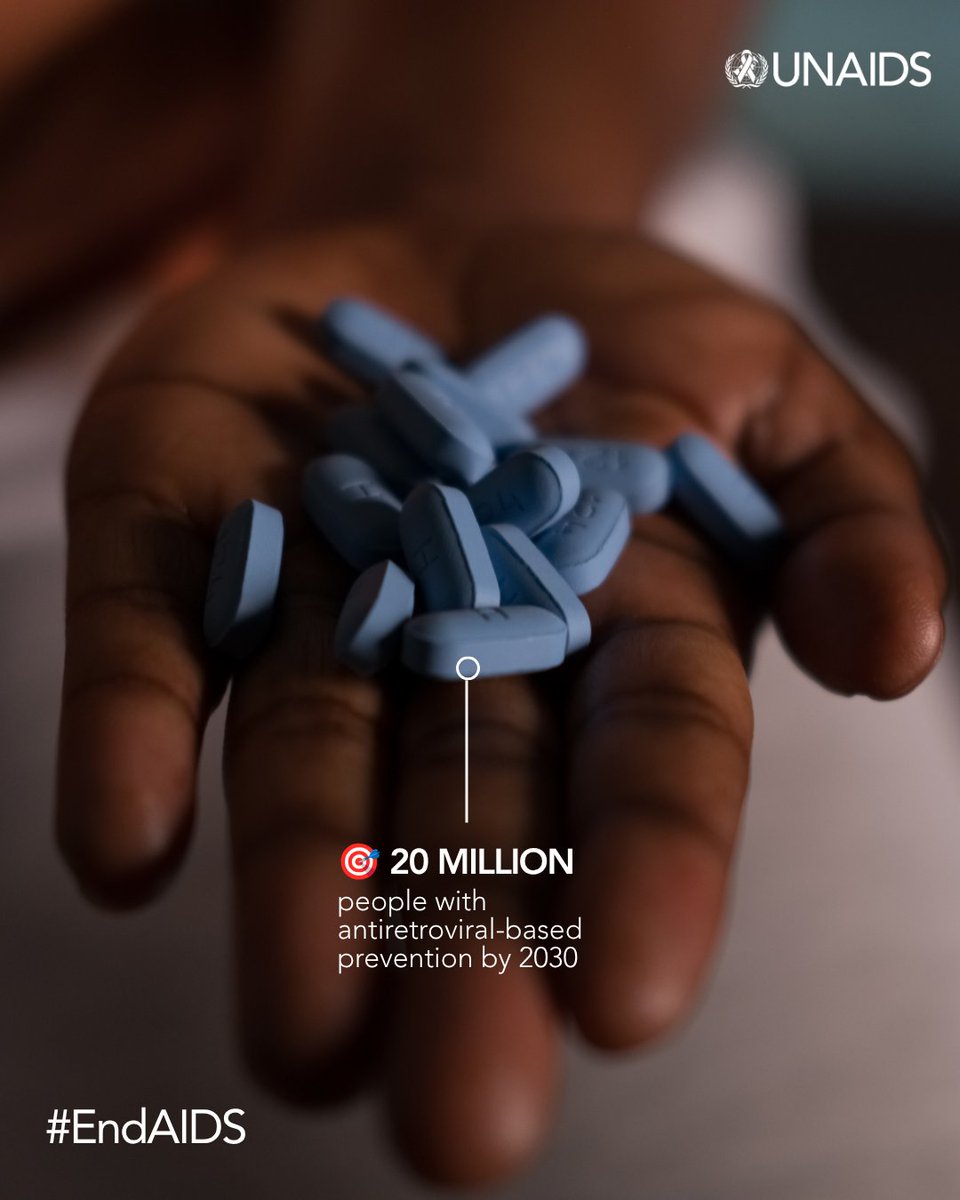
Scaling up HIV prevention is essential to ending AIDS.
The new Political Declaration sets a new critical global target of reaching 20 million people with antiretroviral-based HIV prevention by 2030, expanding access to effective options for those who need them most. https://t.co/8nmN1uZPyp
Warm welcome to Geneva to H.E. Mr. Zaheer Laher 🇿🇦, and congratulations on your appointment as Permanent Representative to #UNGeneva. Thank you for highlighting the continued importance of @UNAIDS and its support to South Africa. I am grateful for South Africa's commitment to fighting inequalities, and the country's leadership — with Brazil, Spain & Norway — in establishing the International Panel on Inequality (IPI).
#EndInequalities #EndAIDS
Day 2 took the SADC–China strategic exchange into South Africa’s pharmaceutical manufacturing sector, with a visit to Cipla South Africa.
The visit offered a first-hand look at manufacturing capacity, quality standards and production at scale, while opening discussions on local API production, technology transfer, skills development, investment and industry partnerships.
With a footprint across Africa and global-access markets, @Cipla_Global also highlighted the potential for stronger regional manufacturing and industry-to-industry collaboration to expand access to quality, affordable medicines.
A key takeaway: stronger partnerships can help turn local manufacturing potential into sustainable production capacity and greater pharmaceutical security.
UNAIDS, together with the Government of South Africa, the Government of the People’s Republic of China and the Southern African Development Community (SADC), is convening a strategic exchange on pharmaceutical manufacturing and health security in Southern Africa.
From 31 August to 4 September, governments, Chinese pharmaceutical companies, regional manufacturers, research institutions, financing and development partners, and the Global Health Innovation Institute (GHII) are coming together to explore opportunities to strengthen regional production of medicines, diagnostics and health technologies.
The exchange will focus on technology transfer, investment, innovation, stronger regional value chains and more resilient health systems.
Follow along for moments from the exchange.
#PartnersForHealthSecurity #SADCChina #HealthSecurity
Good news! 11 countries have achieved the 95-95-95 HIV testing and treatment targets in 2025!
Despite the progress, disparities continue to exist: between men and women, and children and adults.
Ending AIDS requires achieving the targets across all populations.
https://t.co/BOnCnKBUSc
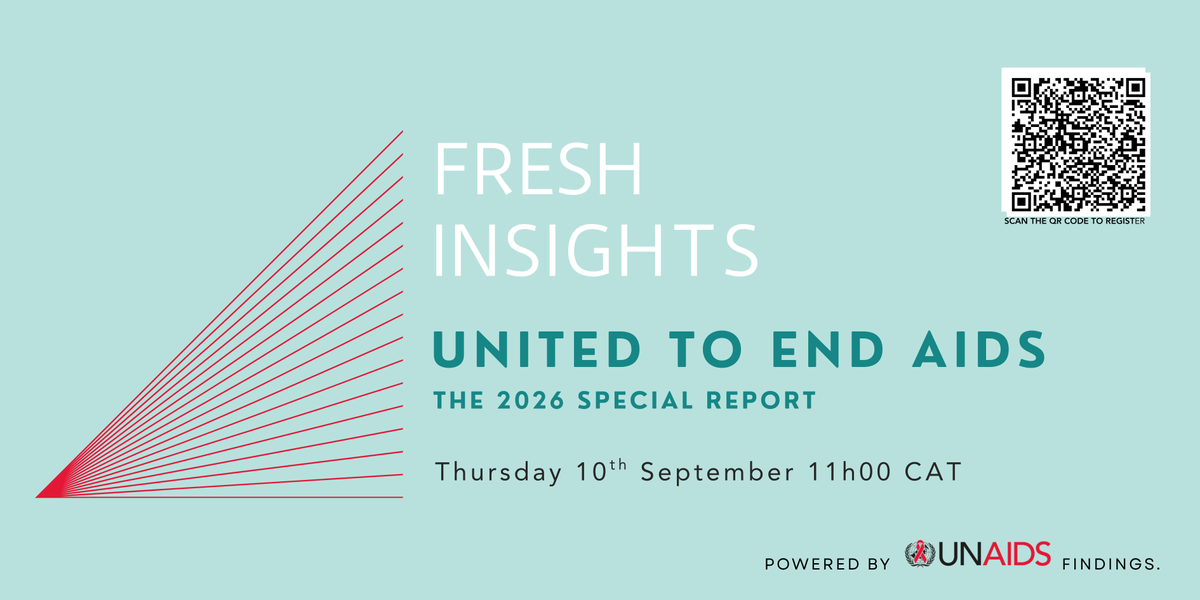
📢 New #FreshInsights session! 🤩
Join us as we unpack the "United to End AIDS: The 2026 Special Report" key findings, trends and what they mean for the region's HIV response!
🗓️ Thursday 10 September
🕚 11h00 CAT
Link to register👉🏿https://t.co/ROF4YF5i3D #2gether4SRHR
“This is not about importing medicines. This is about ensuring that there is capability in Africa itself to produce the key medicines needed for AIDS.”
Anne Githuku-Shongwe, UNAIDS Regional Director for East and Southern Africa, explains why this week’s SADC–China strategic exchange matters — and how stronger regional pharmaceutical manufacturing can help Southern Africa turn scientific innovation into greater capacity to prevent and treat HIV.
With new innovations in HIV prevention and treatment, the opportunity is there. Building the manufacturing capacity to make these innovations accessible is the next step.
#PartnersForHealthSecurity #SADCChina #HealthSecurity
UNAIDS grieves with Nepal, as thousands of families are still waiting for news of their loved ones. We are working with partners to support Nepal to protect continuity of essential HIV services and keep rights central throughout recovery so people living with HIV and key populations affected by the floods are not left behind.
We are supporting rescue & relief efforts in Nepal after this week’s deadly floods have left hundreds killed & many more injured or missing.
UN teams on the ground are providing food, medical supplies, shelter & other life-saving assistance.
https://t.co/UpTfw2cdgn
A new partnership is bringing UNAIDS, SADC and the Global Health Innovation Institute (GHII) together with South Africa, China, Chinese pharmaceutical companies and partners to strengthen pharmaceutical manufacturing across Southern Africa.
Through the SADC–China strategic exchange taking place this week, partners are exploring how investment, technology transfer, manufacturing expertise and innovation can accelerate regional production of medicines, diagnostics and health technologies.
The ambition: stronger local production, more resilient supply chains and greater health security.
Read the press release: https://t.co/RhKGJIOkoK
A sustainable HIV response needs sustainable financing.
That's why through the new Political Declaration, countries have committed to mobilizing US$21.9 billion annually by 2030, while reinforcing domestic & international investment.
https://t.co/Rk2g7YuMdo