"The cost of a healthy diet is not simply another statistic."
FAO calls for:
• reducing structural costs across the value chain;
• repurposing policies toward nutrient-dense foods;
• strengthening evidence-based policymaking through better data and coordination.
🚨 FAO Chief Economist Máximo Torero Cullen:
"Almost one in every three people in the world still cannot afford a healthy diet."
📊 The 2026 State of Food Security and Nutrition in the World (SOFI) report will be released on 21 July in Rome.
• The global cost of a healthy diet has increased 25% in just five years.
• It now stands at US$4.28 (PPP) per person per day.
• 2.69 billion people still cannot afford a healthy diet.
Ahead of the FIFA World Cup Final, the United Nations Youth Office announced the launch of a global advocacy campaign on youth mental health and well-being: One World, One Game, One Goal.
Acting Assistant Secretary-General Indrika Ratwatte said more than 18 million people across Yemen are hungry, while the parties agreed in May to release over 1,600 conflict-related detainees — the largest such release agreed since the start of the conflict in Yemen.
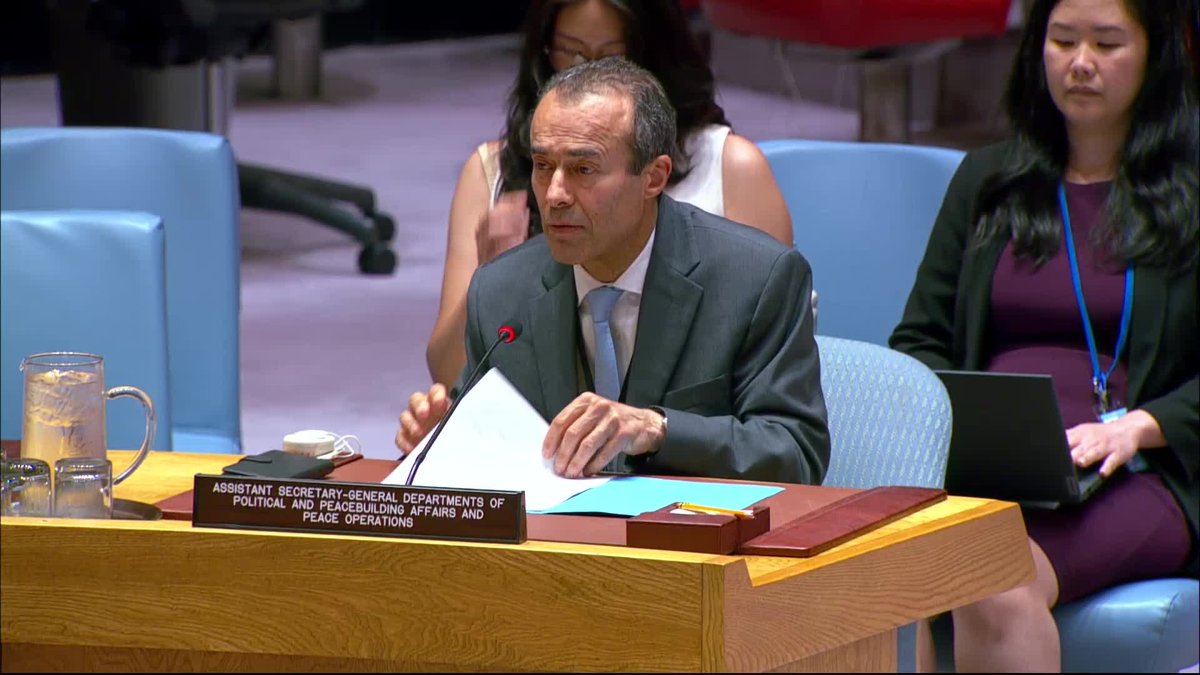
UN Assistant Secretary-General Khaled Khiari warned that unilateral measures “will not bring Yemen closer to peace” and “risk entrenching divisions, accelerating fragmentation and heightening the danger of renewed escalation and military confrontation.”
Military spending reached 2.9 trillion dollars in the same year that development assistance suffered its steepest fall on record, leaving an annual SDG financing gap of four trillion dollars.
Deputy Secretary-General Amina J. Mohammed highlighted gains in human development since 2020:
Global unemployment fell to a record low of 4.9 per cent in 2025, nearly one billion more people gained access to drinking water over the past decade.
At the same time, Mohammed warned that conflict in the Middle East has disrupted maritime traffic, energy, fertilizer and food corridors, driving up inflation, and that war has erased 77 years of human development gains in Gaza.
Humanitarians are working to save lives but needs continue to outpace resources. Of the $890 million required for this year, $387 million has been received to date.
“We are receiving alarming reports of hostilities in the city of Pokkoku, in the Magway Region,” a UN spokesperson said on the situation in Myanmar. Since July 2, operations in the area have triggered the displacement of more than 20,000 men, women and children.
Myanmar remains one of the world's most severe humanitarian crises, with more than 16 million people in need of assistance, including almost 3.8 million who are displaced from their homes.
Following the 24 June earthquakes in Venezuela, WFP is scaling up food assistance to reach 500,000 people. It has 3,000 metric tons of food in-country and is appealing for US$50 million for the emergency response.
Following the 24 June earthquakes in Venezuela, UNICEF has delivered 47 metric tons of humanitarian supplies, adding to 22 tons already sent from Panama. 680,000 children need urgent assistance across six affected states. The response requires US$52 million.
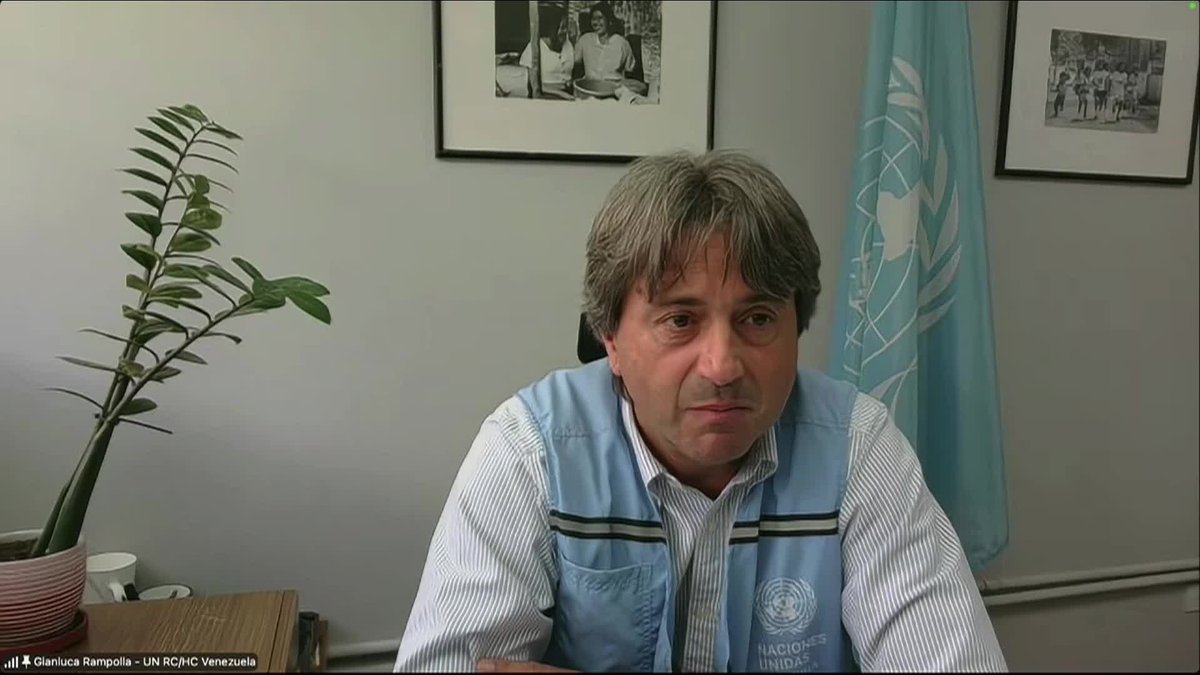
More than 500 aftershocks have struck Venezuela since twin 7.5- and 7.2-magnitude earthquakes, including a 5.2-magnitude tremor Mon, the UN coordinator said.
As of Sun night, 1450 people had died, more than 3000 were injured and over 12000 displaced, government figures showed.
“In 2025, almost 70 percent of child casualties were caused by explosive weapons. The highest numbers were verified in Ukraine, Afghanistan, Myanmar, Israel and the State of Palestine, and Lebanon,” — Catherine Russell, UNICEF Executive Director.