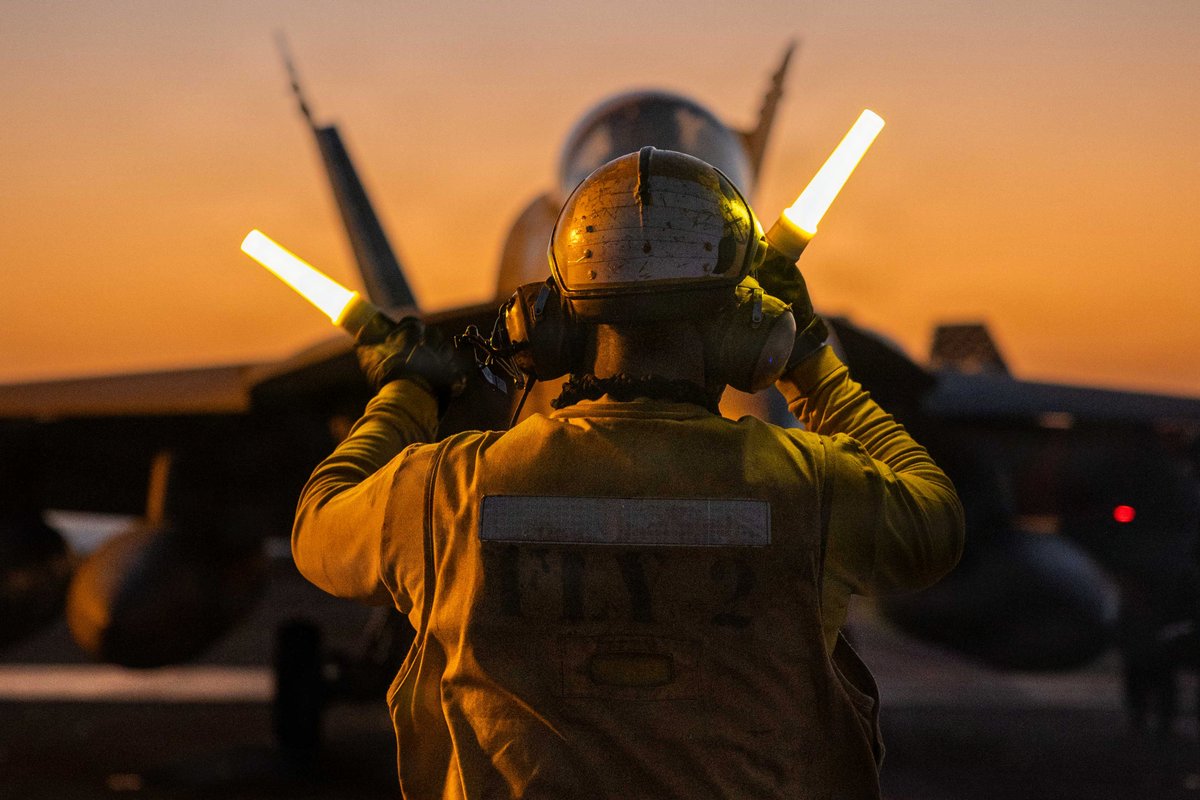
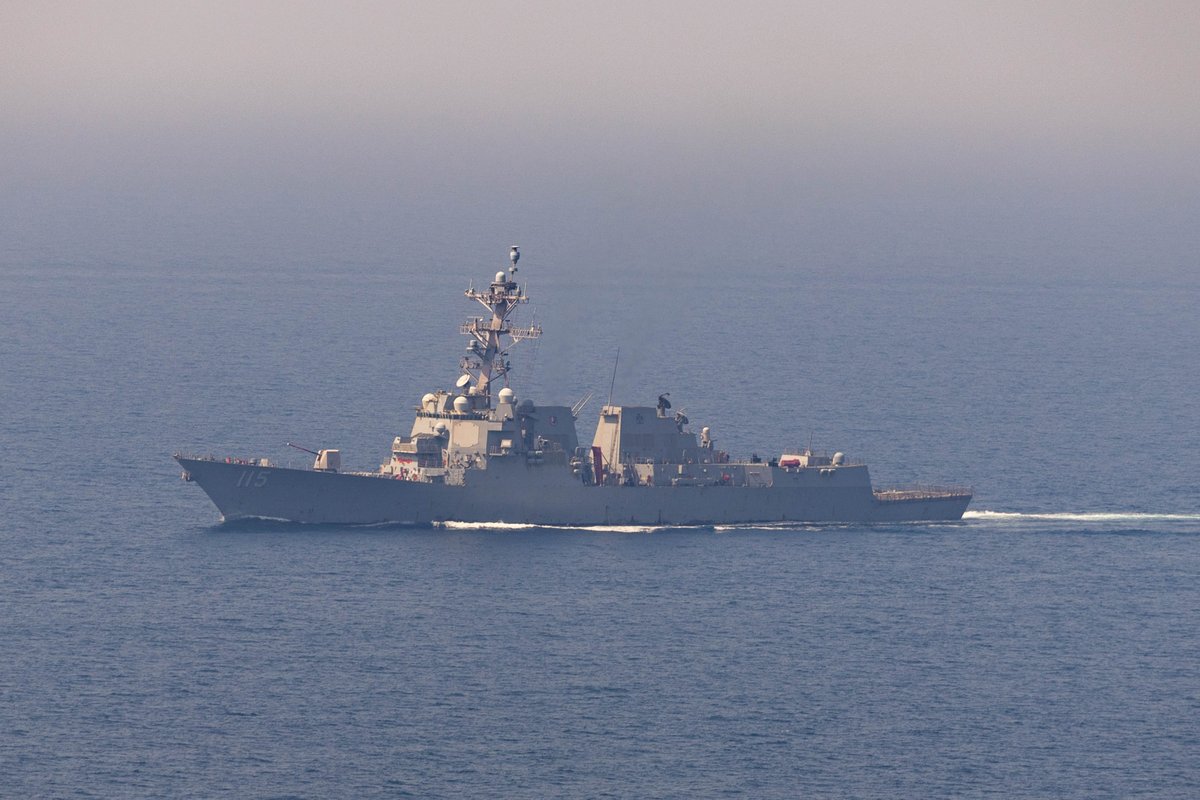
Today, more than 20 U.S. Navy warships are patrolling waters across the Middle East as CENTCOM forces continue promoting regional security and stability. Last month, U.S. naval warships and aircraft transited the Arabian Sea in close formation, demonstrating unmatched American military strength and firepower.
The U.S. Navy suspended the active search for a Sailor assigned to Helicopter Sea Combat Squadron (HSC) 5 embarked aboard aircraft carrier USS George H.W. Bush (CVN 77), effective 3:00p.m. AST on July 5, 2026. The Sailor was reported missing July 1st, after an MH-60S helicopter went down in the Arabian Sea. The efforts concluded following an extensive search by the U.S. Navy and U.S. Air Force in the U.S. Central Command area of responsibility. The Sailor’s name is being withheld until at least 24 hours after next-of-kin notification is complete in accordance with Navy policy.
For more than 102 hours, an extensive and coordinated search and rescue effort spanning over 14,000 square miles was conducted. The efforts brought together the USS George H.W. Bush carrier’s HSC 5 and Helicopter Maritime Strike Squadron (HSM) 46, the fixed wing aircraft of Carrier Air Wings (CVW) 7 and 9, aircraft carrier USS Abraham Lincoln’s (CVN 72) helicopter squadrons HSC 14 and HSM 71, Arleigh Burke-class guided-missile destroyers USS Ross (DDG 71), USS Donald Cook (DDG 75), USS Higgins (DDG 76), USS Mason (DDG 87), and USS John Finn (DDG 113) with HSM 51, two P-8 Poseidon squadrons, and multiple U.S. Air Force aircraft.
On July 1 at 3:30 a.m. ET, the aircrew of an MH-60S Sea Hawk helicopter assigned to USS George H.W. Bush (CVN 77) conducted an emergency water landing in the Arabian Sea. There is no indication the emergency was caused by hostile action. Three of the helicopter’s four crew members have been recovered and are in stable condition aboard George H. W. Bush. U.S. Navy assets in the region are currently searching for other aircrewman still missing. The cause of incident is under investigation.
USS George H.W. Bush (CVN 77) sails in the Arabian Sea. Two aircraft carriers continue to operate in the Middle East as U.S. forces remain present and vigilant.
Today, U.S. forces lifted the blockade on all maritime traffic entering and exiting Iranian ports and coastal areas, in accordance with the President's direction. American forces are not impeding the transit of vessels to or from Iranian ports. All U.S. military blockade enforcement efforts have ceased. Our great Naval Ships will remain in the general area to make sure that all aspects of the agreement are adhered to, obeyed and in full force and effect.
Vice Adm. Curt Renshaw, NAVCENT/5th FLEET commander, visited USS George H.W. Bush (CVN 77), May 15, as the aircraft carrier patrolled regional waters in support of the U.S. blockade operations against Iran. While on board, he interacted with Sailors and addressed them on the 1MC while highlighting the importance of the ongoing mission.
The U.S. Naval blockade against Iran continues be to fully enforced. As of today, CENTCOM forces have redirected 58 commercial vessels and disabled 4 since April 13 to prevent the ships from entering or leaving Iranian ports.
Earlier today in the Arabian Sea, U.S. Marines from the 31st Marine Expeditionary Unit boarded M/V Blue Star III, a commercial ship suspected of attempting to transit to Iran in violation of the U.S. blockade of Iranian ports. U.S. forces released the vessel after conducting a search and confirming the ship’s voyage would not include an Iranian port call.
American forces continue to operate and enforce the blockade across the Middle East. So far, 39 vessels have been redirected to ensure compliance.
For the first time in decades, three aircraft carriers are operating in the Middle East at the same time. Accompanied by their carrier air wings, the USS Abraham Lincoln (CVN 72), USS Gerald R. Ford (CVN 78) and USS George H.W. Bush (CVN 77) include over 200 aircraft and 15,000 Sailors and Marines.
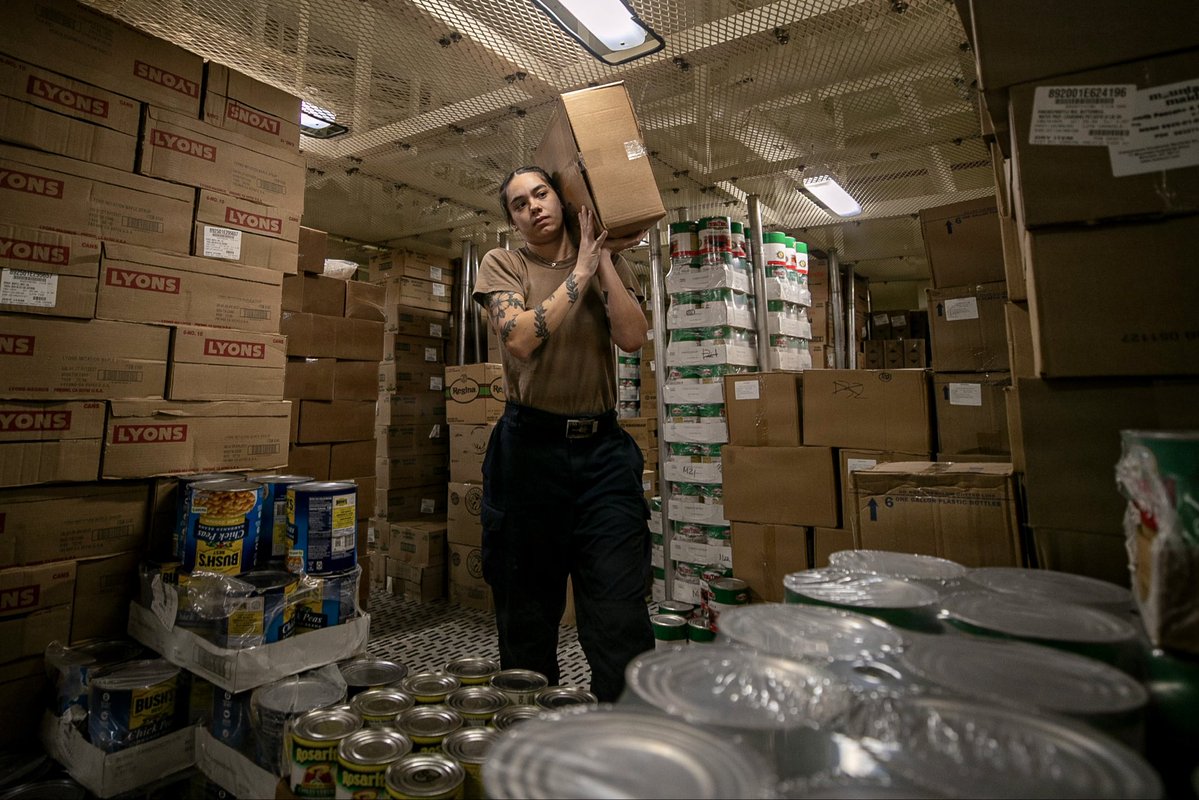
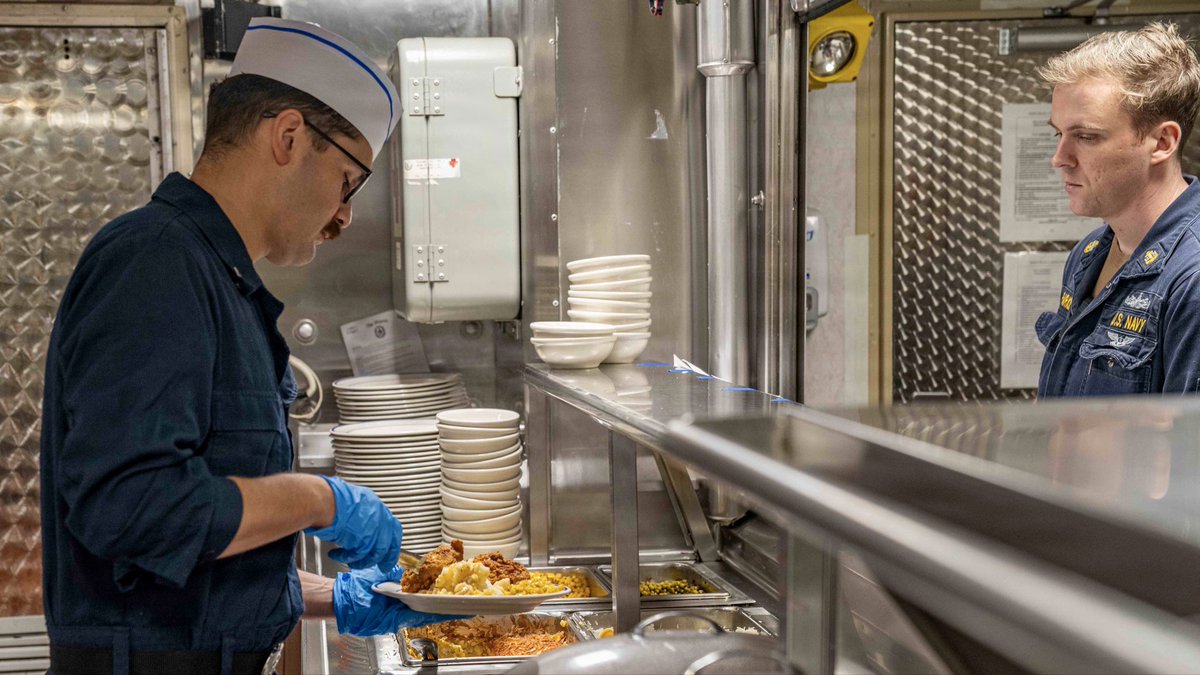
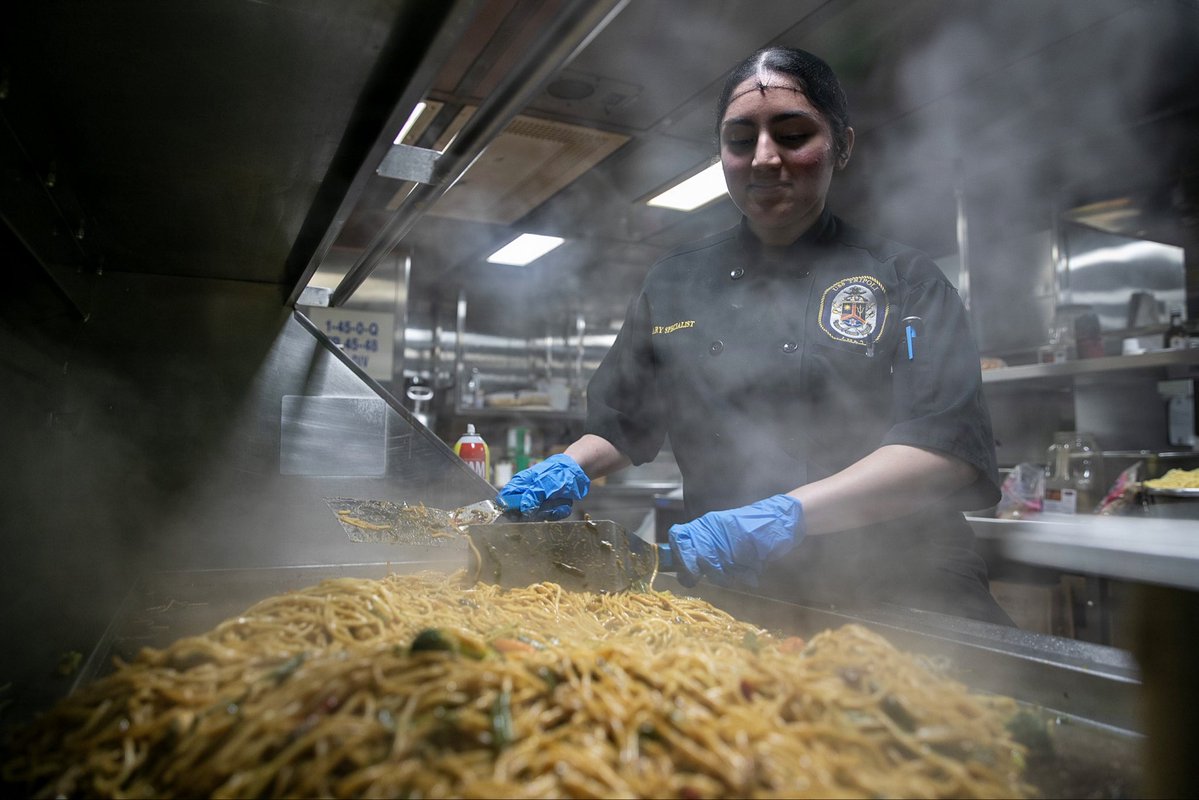
Fresh meals. Full service. Mission ready.
Sailors aboard USS Abraham Lincoln and USS Tripoli continue to receive regularly prepared meals at sea—no interruptions, no shortages.
After implementing the blockade on ships entering and departing Iranian ports, American forces halted economic trade going into and out of Iran by sea. U.S. Sailors, Marines, and Airmen remain positioned and ready to act against any vessels seeking to violate the blockade.
Thousands of U.S. service members, including 5,000 Sailors and Marines from the Abraham Lincoln Carrier Strike Group, are executing the mission to blockade ships entering and departing Iranian ports. 📽 of USS Abraham Lincoln (CVN 72) conducting flight operations in the Arabian Sea.
More than 10,000 U.S. Sailors, Marines, and Airmen along with over a dozen warships and dozens of aircraft are executing the mission to blockade ships entering and departing Iranian ports. During the first 24 hours, no ships made it past the U.S. blockade and 6 merchant vessels complied with direction from U.S. forces to turn around to re-enter an Iranian port on the Gulf of Oman.
The blockade is being enforced impartially against vessels of all nations entering or departing Iranian ports and coastal areas, including all Iranian ports on the Arabian Gulf and Gulf of Oman. U.S. forces are supporting freedom of navigation for vessels transiting the Strait of Hormuz to and from non-Iranian ports.