The University of Zurich is no longer active on X. We look forward to staying in touch with you through the following channels:
LinkedIn: https://t.co/59AFavoZ5K
Facebook: https://t.co/1WLC8HyLiH
Instagram: https://t.co/GSz8dGFimI
TikTok: https://t.co/aEexiiCKyb
Youtube: https://t.co/OljE1PbbAo
UZH Weekly Newsletter: https://t.co/QRE05y2M8Q
The UZH spin-off ONTRACK Biomedical is working on a simple test that could dramatically improve early detection of prostate cancer—the most common cancer among men in Switzerland: https://t.co/F7r4GMcKKB
Four experiments at the Large Hadron Collider particle accelerator at CERN have been awarded the Breakthrough Prize in Fundamental Physics. UZH researchers are significantly involved in two of the prize-winning experiments: https://t.co/7YnlRTk7ZT
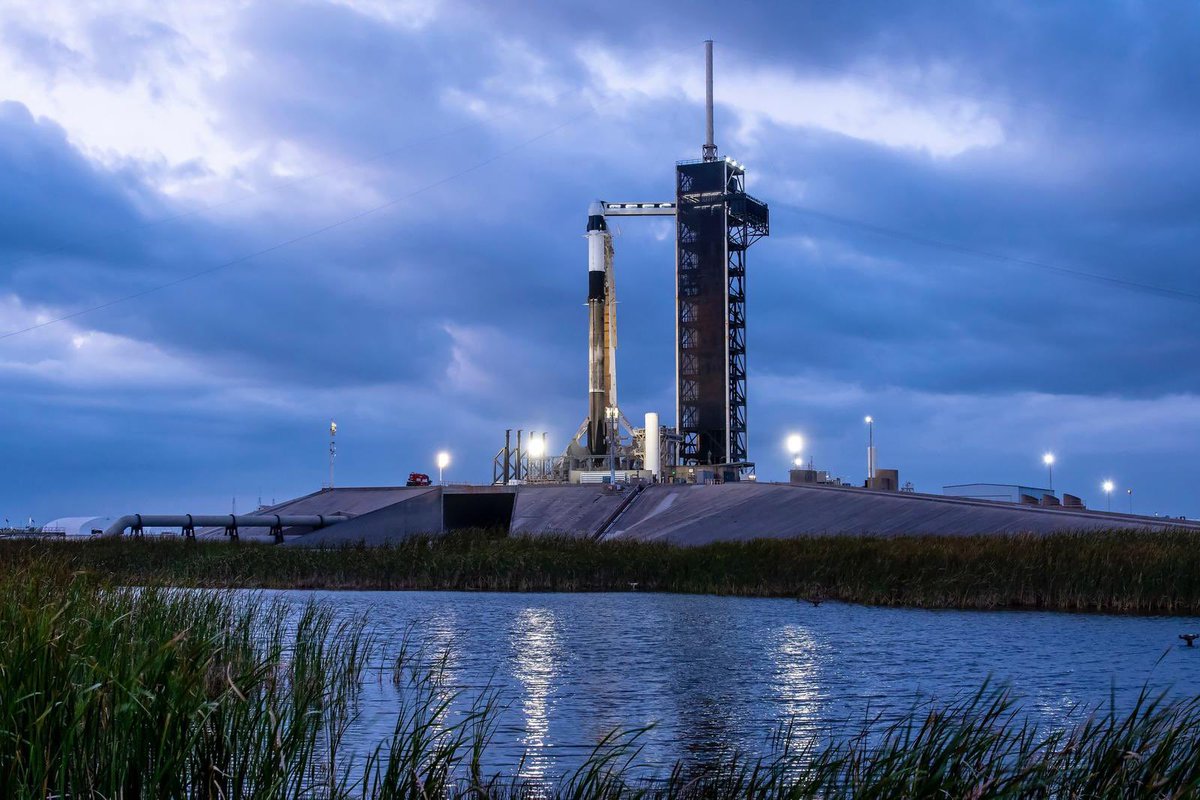
@UZH_en The researchers of the UZH Space Hub had only a few months to prepare the "Space Genomics" experiment for the Fram2 mission. Read more here: https://t.co/5q9157oxYZ (Image: Space X)
In addition to the scientific gain, the "Space Genomics" experiment represents a didactic cooperation with a Caribbean island nation: the Ministry of Education of Nevis (MOE) in the federation of St. Kitts and Nevis. The experiment marks the beginning of a series in which students will be able to prepare, accompany and evaluate space research together with the UZH Space Hub. “Nevis maintains an excellent standard in education and pursues a very far-sighted and sustainable development strategy. I am very proud to work with our partners and believe that this partnership holds great potential. A new era dawns, a time when space unfolds to all humanity.” says Prof. Oliver Ullrich, Director of UZH Space Hub on this collaboration. Image: Dr. Cora Thiel teaching online with students on Nevis. @UZH_en
The experiment is conducted aboard the private space mission Fram2, the first human spaceflight mission to a polar orbit. The international four-member crew will conduct 22 research experiments along a polar trajectory, including the one from Switzerland and Nevis. The space flight is planned to last three to four days. @UZH_en (Image: Fram2-Crew)
The experiment "Space Genomics" on the Fram2 space mission could already be processed in orbit in the night from Wednesday to Thursday. The Swiss-Nevisian experiment explores the vital role of genomic architecture and adaptive mechanisms enabling human survival and adaptation in space. Dynamic chromatin, which allows to produce different phenotypes from the same genome, was recently identified by Dr. Cora Thiel and Prof. Oliver Ullrich from the UZH Space Hub as key factors in how gene expression is influenced by gravitational forces. The new study aims to uncover the potential or limitations for long-term, environment-driven adaptations that could one day support sustained human life across planets. The UZH-part of this project is supported by the Swiss State Secretariat for Education, Research and Innovation SERI. @UZH_en (Image SpaceX)
The Space Hub of the @UZH_en of Zurich and the Ministry of Education of Nevis from the Federation of St. Kitts and Nevis participate in the Fram2 mission with their joint experiment „Space Genomics“. Astronaut Rabea Rogge will execute the experiment.
Godspeed, Fram2 on your historic mission highlighting that in a the New Space Age also small nations can go to Space.
Fram2 launched at 03.46 am CEST today. Space Hub Director Oliver Ullrich and Chief Scientist Cora Thiel ready for the handover of the experiment „Space Genomics „
(Copyright Falcon9, SpaceX)
On board the private spaceflight mission Fram2, the Space Genomics experiment of the University of Zurich launched today. The researchers of the @UZHspacehub had only a few months to prepare: https://t.co/DHuU562yIG
Under a mandate from the State Secretariat for Education, Research and Innovation, UZH will promote and foster cooperation in research, education and innovation between Switzerland and the Asia-Pacific region: https://t.co/ZfKloeboTk
@SBFI_CH
What should schools be doing to ensure that our children can learn successfully and develop positively?
Educational scientists Katharina Maag Merki and Roland Reichenbach share their views: https://t.co/Gl28WKD6ND
Crafting Compact Clusters in the Early Universe
Recent simulations tackle the question of how dense star clusters like those spotted by JWST formed in the early universe. https://t.co/nymF4Hcccg
🔭 70% of galaxy mass is dark energy. Using new measurement techniques, astrophysicist Marcelle Soares-Santos attempts to shed light on the darkness: https://t.co/f5D71w1PCe
@UZHPhysics@UZH_Science
Europe currently faces challenges on multiple fronts, internally and externally. How can Europe respond? Political scientists Stefanie Walter and Jonathan Slapin and legal scholar Daniel Moeckli analyze the situation: https://t.co/vYl1m0MI8q
Humans are having a highly detrimental impact on biodiversity worldwide. Not only is the number of species declining, but the composition of species communities is also changing. These are the findings of one of the largest studies ever conducted on this topic.
https://t.co/WpozCHAOkW
@altermatt_lab@UZH_Science@EawagResearch
Maria 1.0 is an initiative run by Catholic women who promote traditional female roles in the Church – roles shaped by faith. Alexandra Probst analyzed the initiative in a term paper and received a semester award in recognition of her work: https://t.co/c4qoGZ5szx
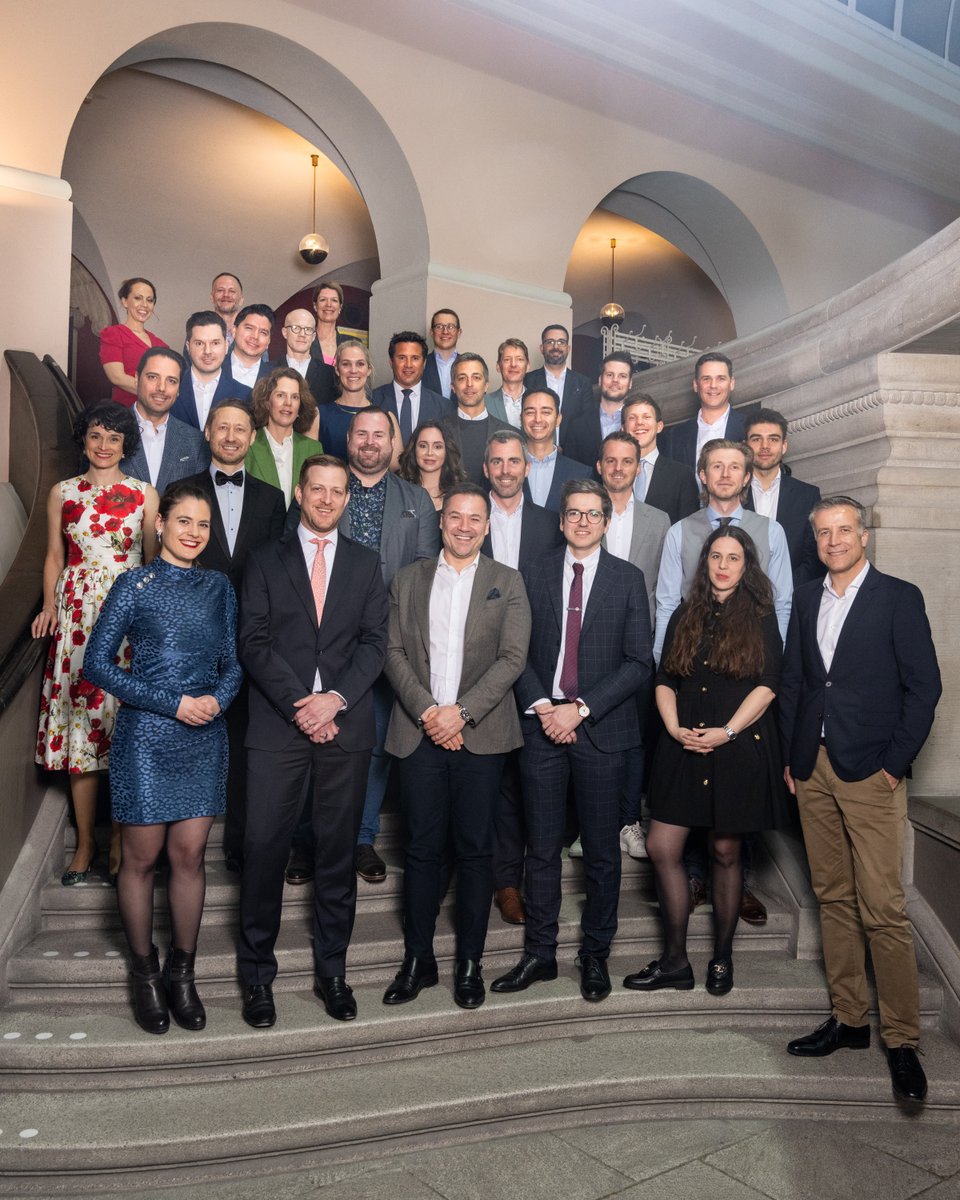
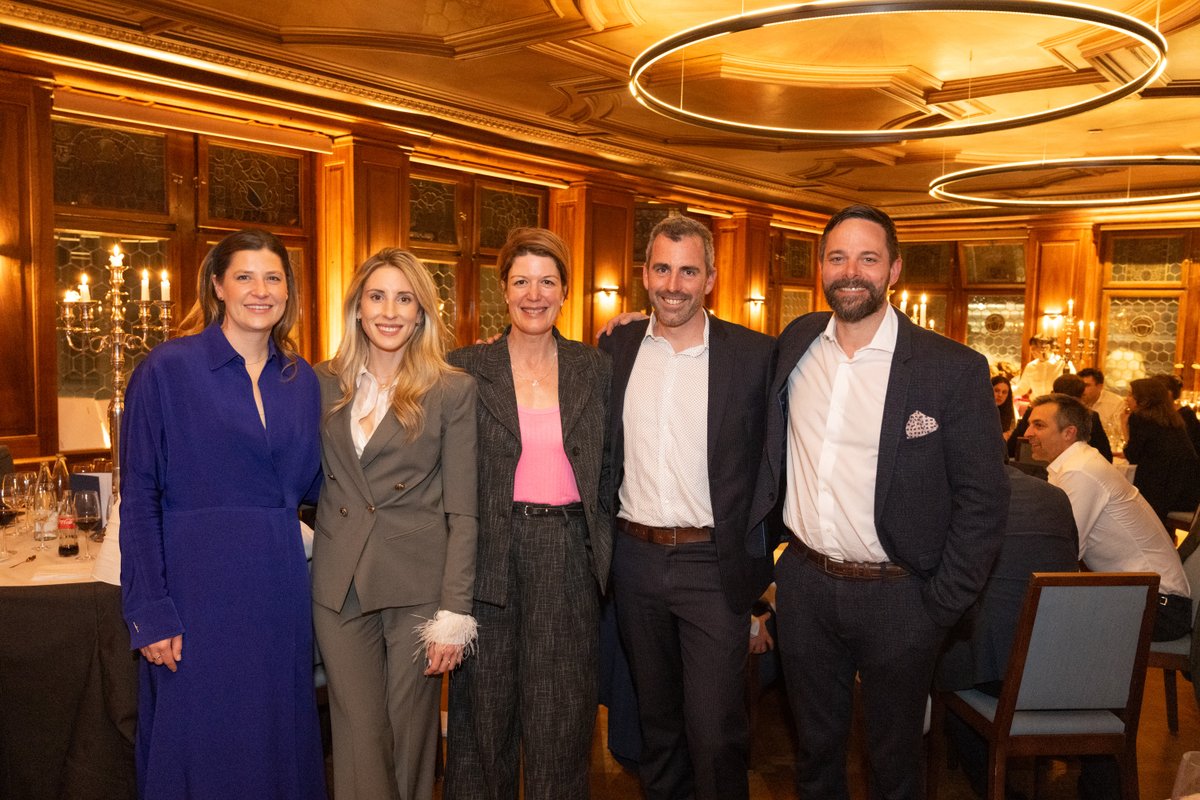
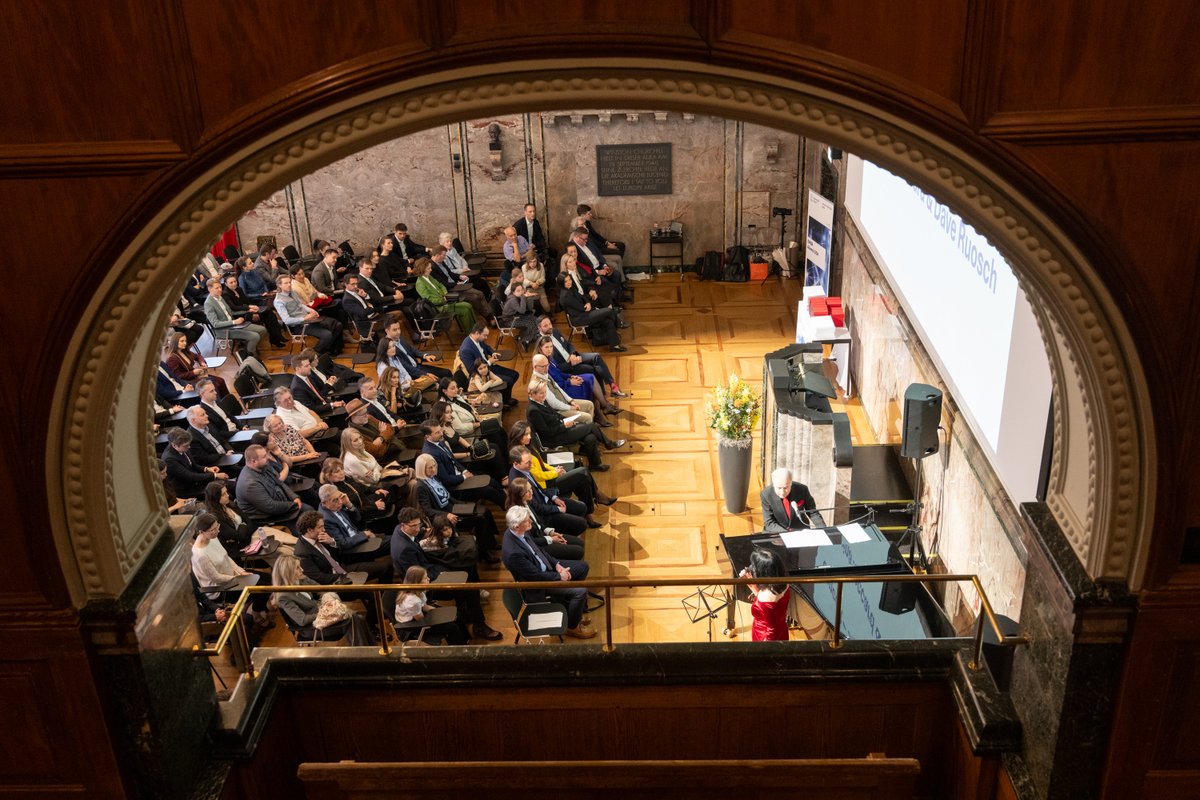
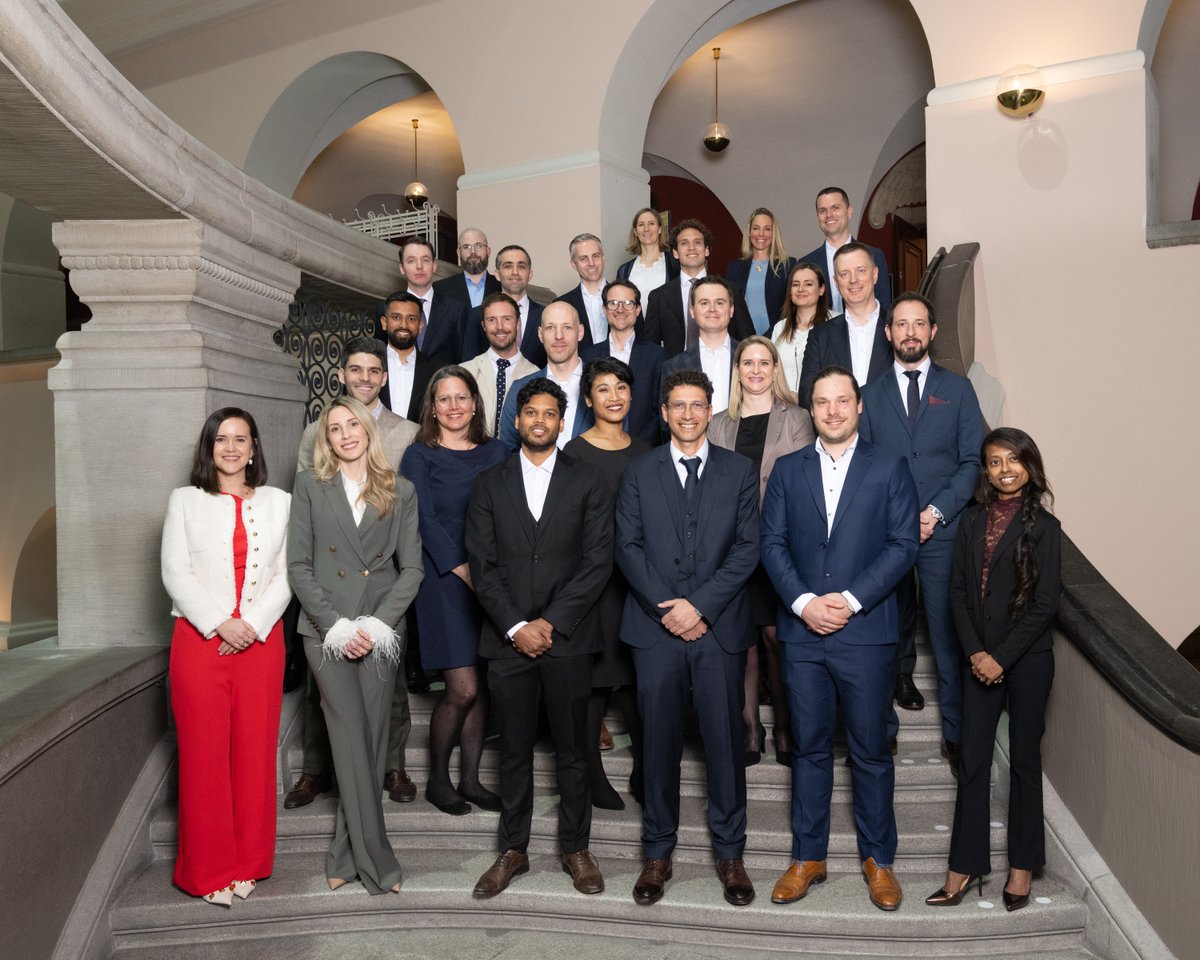
Graduation Ceremony: 59 EMBA UZH graduates, alongside their families and friends, came together to the grand Aula of the University of Zurich to receive their well-earned diplomas and celebrate this remarkable achievement.
Read more: https://t.co/FHIvqWn3By
#UZH
An immune system defect makes affected individuals vulnerable to severe viral diseases such as influenza or COVID-19. It is caused by the body's own antibodies. UZH researchers have now generated “decoy molecules” that restore the immune defense – the foundation for a possible new therapy. https://t.co/GFI8keGCYn