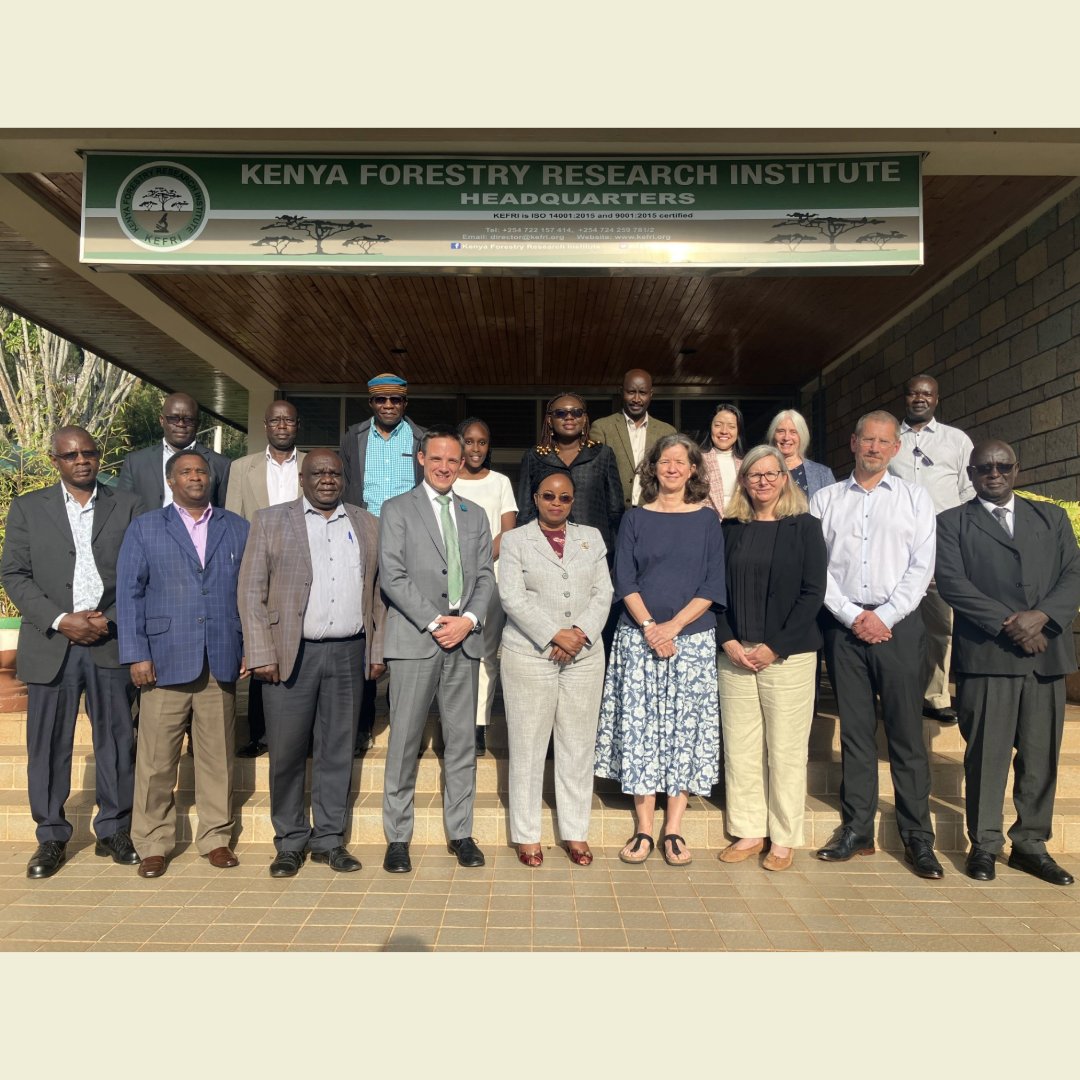
A UKCEH delegation is visiting Kenya this week as we grow our longstanding relationships in the region around climate, biodiversity & water.
Delighted to visit @KEFRIHQ, with whom we've collaborated for 40+ years, and plant a tree at their campus as a symbol of our friendship.
#DYK that #InvasiveAlienSpecies are one of the five most important direct drivers of biodiversity loss? 🤔
Learn more about this global environmental threat that has severe local impacts!
Read the #IAS@IPBES Assessment or watch 1 of our summary videos
https://t.co/ChFiNOwbUN
Good news!📢
After over 2 decades, a giant pangolin, a species believed to be extinct, has been rediscovered in Senegal
They are threatened by poaching & habitat loss, but this discovery revives hopes for the species’ survival in west Africa
@TC_Africa
https://t.co/5xpHW1T8aP
JOB OPPORTUNITY: We are advertising an 18-month research assistant position to investigate the drivers of insect biodiversity change, working on the fabulous GLITRS Project (https://t.co/89uQKpSX6V). DM to discuss further details, or apply here: https://t.co/126DqAJlOU
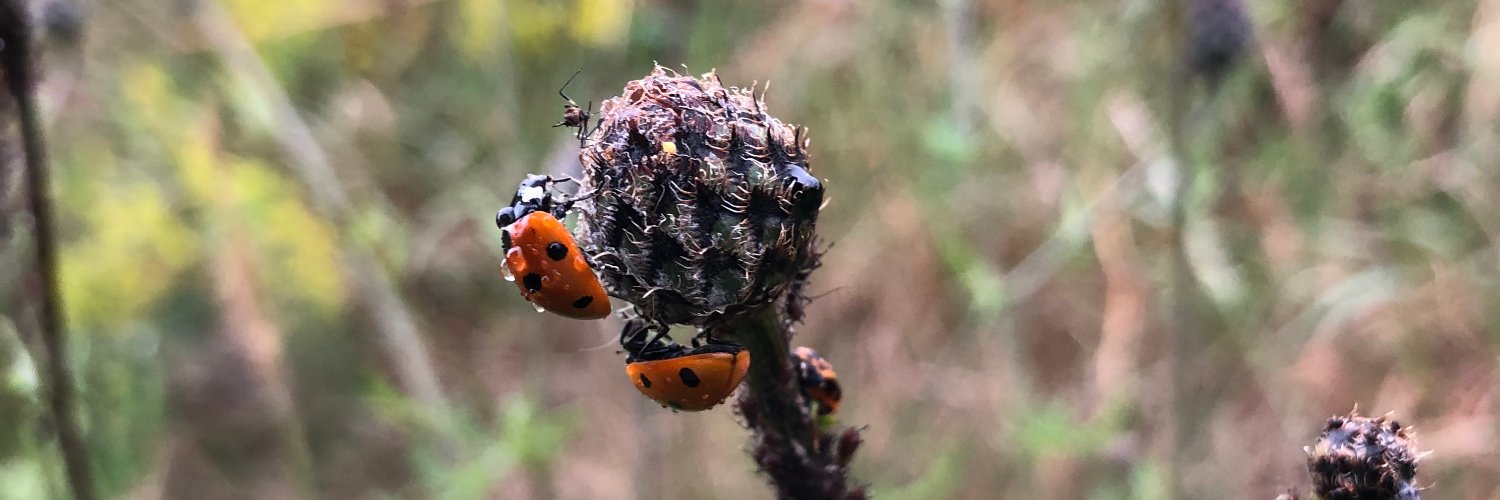
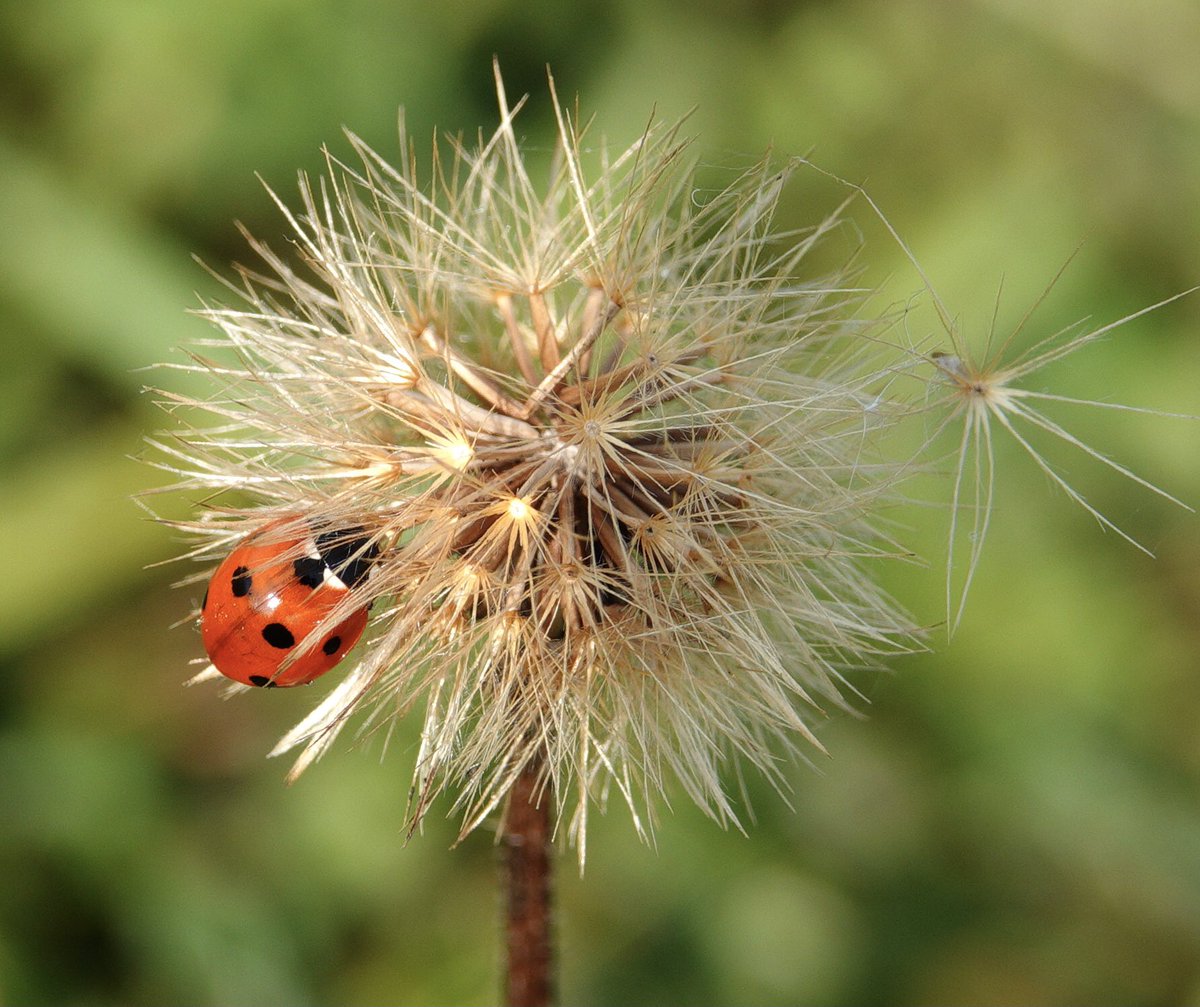
@vc40ladybirds Utterly incredible. I am currently writing about ladybirds for the British Wildlife Collection @BloomsburyBooks - it would be great to include this photograph if possible please.
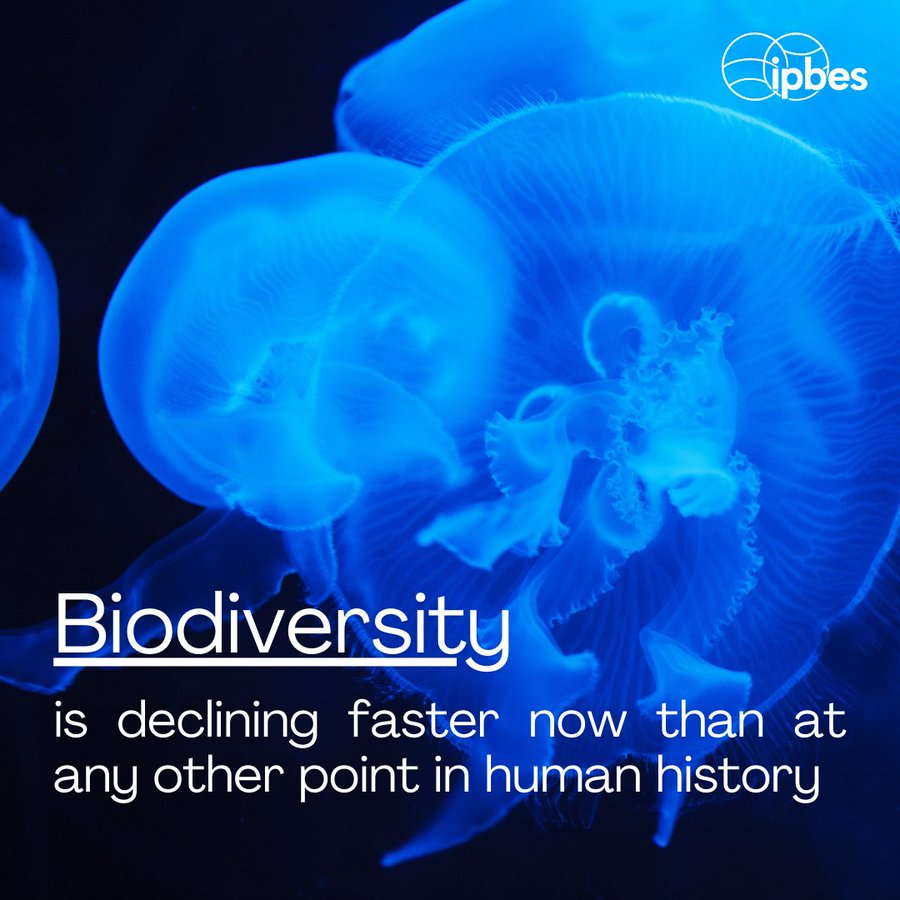
🌿 With #biodiversity in rapid decline, @IPBES is working tirelessly to inform global action through science for the protection of our ecosystems & nature's contributions to people.
👉 https://t.co/pfu3wX68b6
🐝#Pollinators are responsible for much more than food-crops. From biofuels to medicines, we rely on pollinators in much of our daily lives.🐝
Check out a few facts about pollinators from the @IPBES#PollinationAssessment
Read the Report here⤵️
https://t.co/0ihlh2DgyD
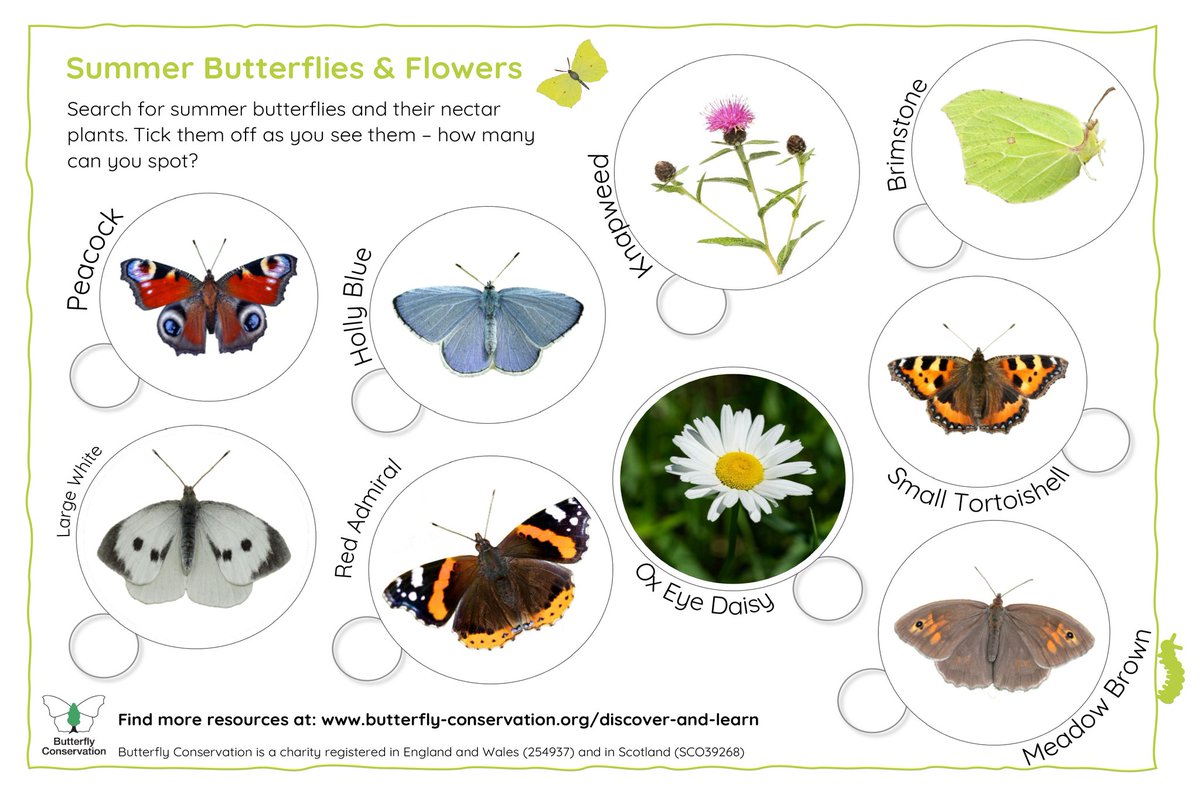
Our Discover & Learn hub is full of activities to keep the kids amused this #SummerHolidays 🦋🔍
Why not head out with the family and see how many of these summer butterflies and flowers you can spot?
Download the spotter sheet 👉 https://t.co/nR70nsmdeK