How can long-acting HIV prevention reach more people?
In Tshwane, South Africa, @UNITAID visited Maria Rantho Clinic and a mobile clinic serving a local hotspot area to learn about @WitsRHI's LEN4PrEP study and community-based HIV prevention.
#AI could close the global health gap. Or widen it.
Our new publication explores how to make AI more equitable and turn innovation into access.
Read more: https://t.co/hZj9OAUbHo
“It is a silent disease,” says Unitaid’s Janet Ginnard. Women may not know they’re infected until complications emerge.
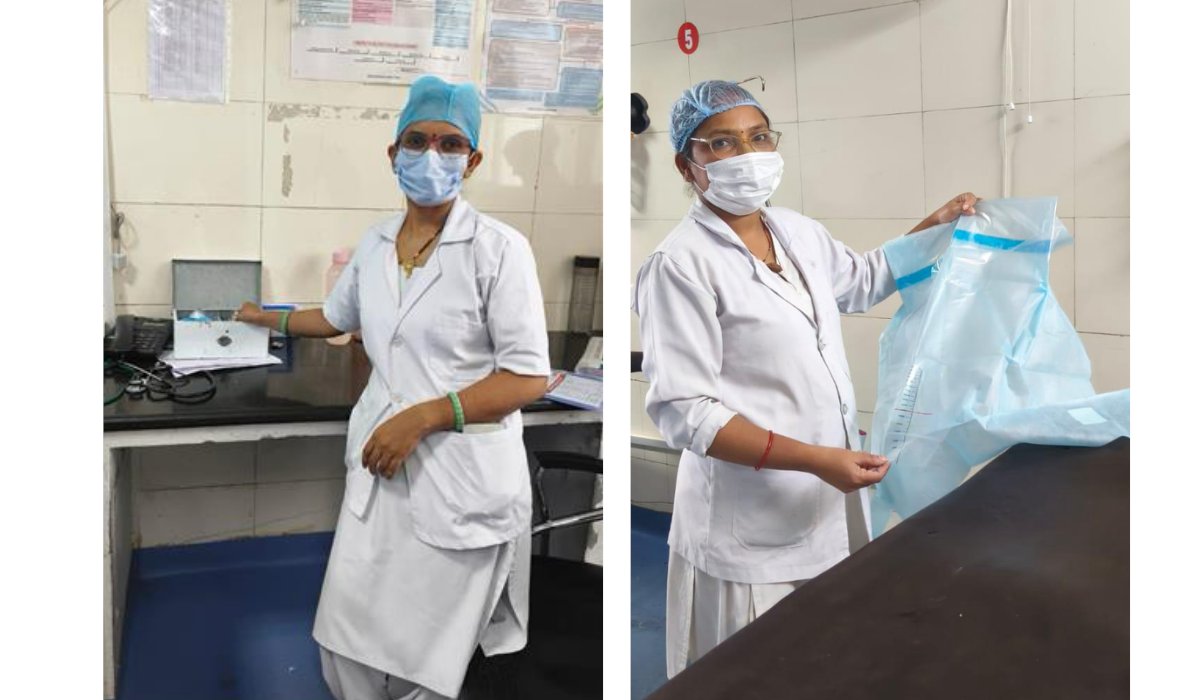
SAFEStart+ is a $22m initiative working to prevent HIV, syphilis, hepatitis B and Chagas disease passing from mother to baby.
https://t.co/EFku5EDIEU
The next pandemic won’t wait. We can’t afford to be unprepared.
The Republic of Korea is backing Unitaid with US$13 million in 2026 to expand access to lifesaving health innovations, strengthen diagnostics and build pandemic preparedness.
Preeclampsia can become life-threatening quickly, yet many women still struggle to access timely diagnosis and treatment.
A new @WHO global roadmap aims to accelerate action. The priority now is ensuring life-saving care reaches every woman who needs it: https://t.co/N67BTXeabA
“We survived for different reasons. One of us because oxygen was guaranteed, the other because crowdfunding intervened.”
Louis and Maurine’s stories expose inequalities in access to life-saving oxygen.
Read more: https://t.co/ja4GOoKRKT
Heat-stable carbetocin costs more than oxytocin. Could it save health systems money?
Research from Uganda estimates it could prevent nearly one-third more cases of postpartum hemorrhage, with potential savings of US$1M in direct public health system costs: https://t.co/LZZeBMVchl
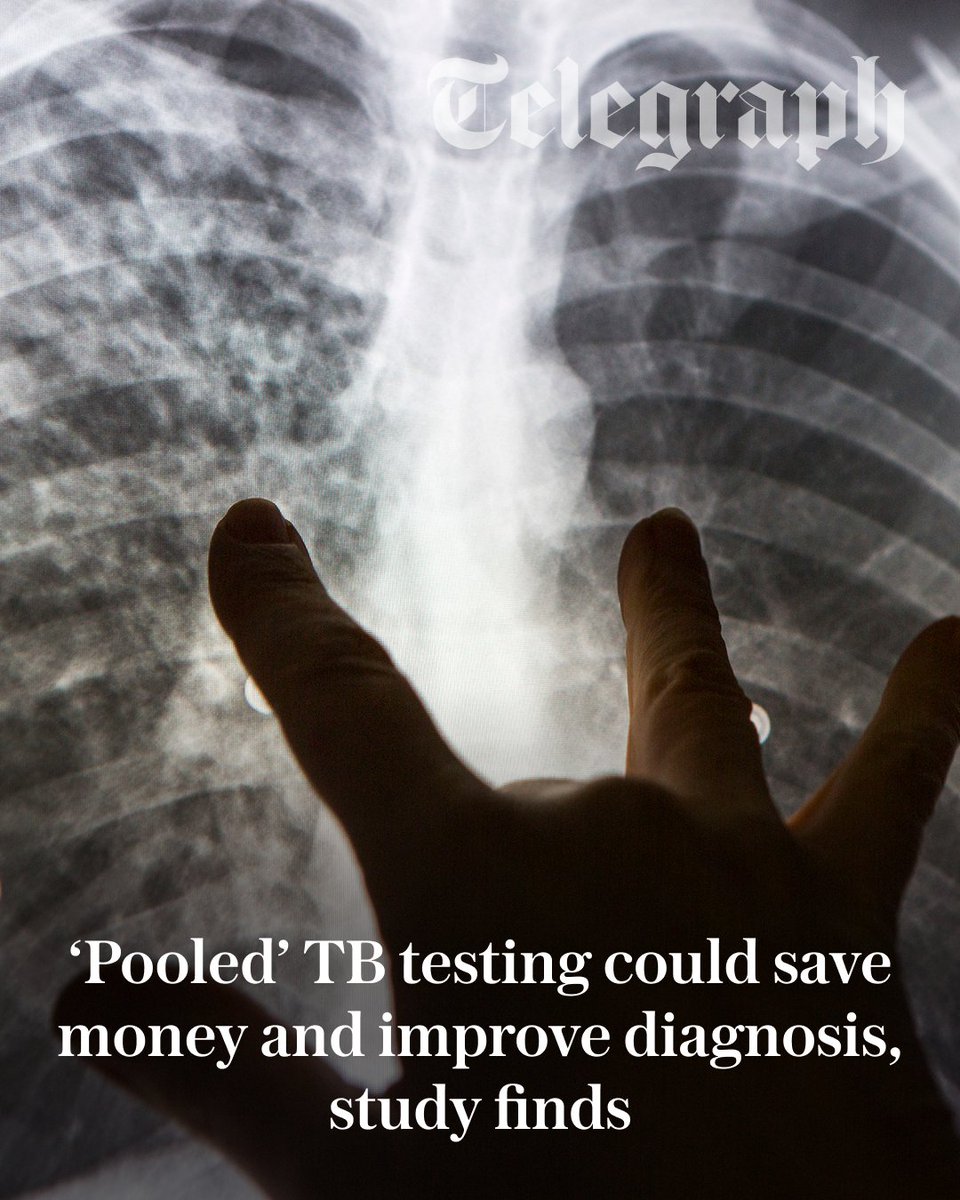
TB pooled testing could cut diagnosis costs by 50%.
@UNITAID shaped and funded research with @LSTMnews and partners to explore this approach.
Listen to the discussion on @BBCSounds, from 12 mins: https://t.co/zmHFKDzBFT
“Where you live still determines whether you will live.”
Preeclampsia survivor and advocate Koiwah Koi-Larbi explains why life-saving care must reach every woman.
https://t.co/xy3yPR7gJ5
Preeclampsia is a leading cause of maternal & newborn deaths. We have tools to prevent, detect and treat it, but they don’t always reach the women who need them.
@UNITAID & partners are working to change that through a new global roadmap @HRPresearch@WHO
https://t.co/nNAFQdwWNG
When it comes to #PPH, we need to look beyond the numbers and ask ourselves, ‘How can we scale what we can’t see?’ Strengthening routine PPH data is essential to understanding the challenge, tracking progress, and driving action.
#WorldPPHDay
https://t.co/7E1Km8YJVB
On #WorldPPHDay, we’re reminded that every minute matters.
Sunita Bai’s story shows what’s possible when frontline providers have the tools, training and confidence to act when it matters most.
Read her story: https://t.co/S5KrhicB9F
“Without access to innovation, we create injustice.” For Dr. Serge Breysee, innovation, access and impact go hand in hand.
Watch the full discussion with leading voices in global health.
Congenital syphilis is preventable, but getting proven, low-cost tools to women in time remains a challenge.
In a new @devex article, @UNITAID Director of Strategy discusses what it takes to make congenital syphilis prevention routine, country-led care: https://t.co/Bp2B3skKMN
Postpartum haemorrhage can become life-threatening within minutes. On #WorldPPHDay, Dr. Mary Maina shares how Kenya is testing innovations to help health workers prevent, detect and treat it sooner.
https://t.co/MOMlnrobCt
Louis and Maurine both needed oxygen during COVID-19.
In Portugal, Louis received it continuously for two weeks.
In Kenya, Maurine had to raise money to access it.
Why does access to a century-old essential therapy still depend on where you live?
https://t.co/ja4GOoKRKT
A year ago, we announced a deal to bring lenacapavir, a twice-yearly HIV prevention shot, to 120 LMICs for US$40. Now the focus is delivery. CHAI CEO Buddy Shah joined @AlterIgoe on @devex Theory of Change at #UNGA81. https://t.co/3DC0g5e6Wj
@drreddys | @UNITAID | @WitsRHI
Making TB diagnosis more affordable, and bringing it closer to people who need it.
Unitaid investments are helping make it possible:
Pooled testing: 50% lower costs
Portable X-ray + AI: 65% lower costs, helping reach remote communities.
@LSTMnews@katlay@LancetGH@CHAI_health
While most advances in fighting TB come with a large price tag, the shift in strategy could dramatically boost access to diagnosis and save money, experts said ⤵️
https://t.co/hjwgrJa93Q
“Health innovation only matters if people can access it.”
For Sithembile Chiware, that means asking: Is it affordable? Registered? Can countries procure it?
For Jorge Bermudez, FIOCRUZ, it comes down to “solidarity”, the right to health and access to medical technologies.
“The next big shift is moving from simply creating medical innovations to ensuring their actual delivery to everyone.”
Former Japan Health Minister Keizo Takemi on a challenge at the heart of Unitaid’s work for 20 years: turning innovation into access.