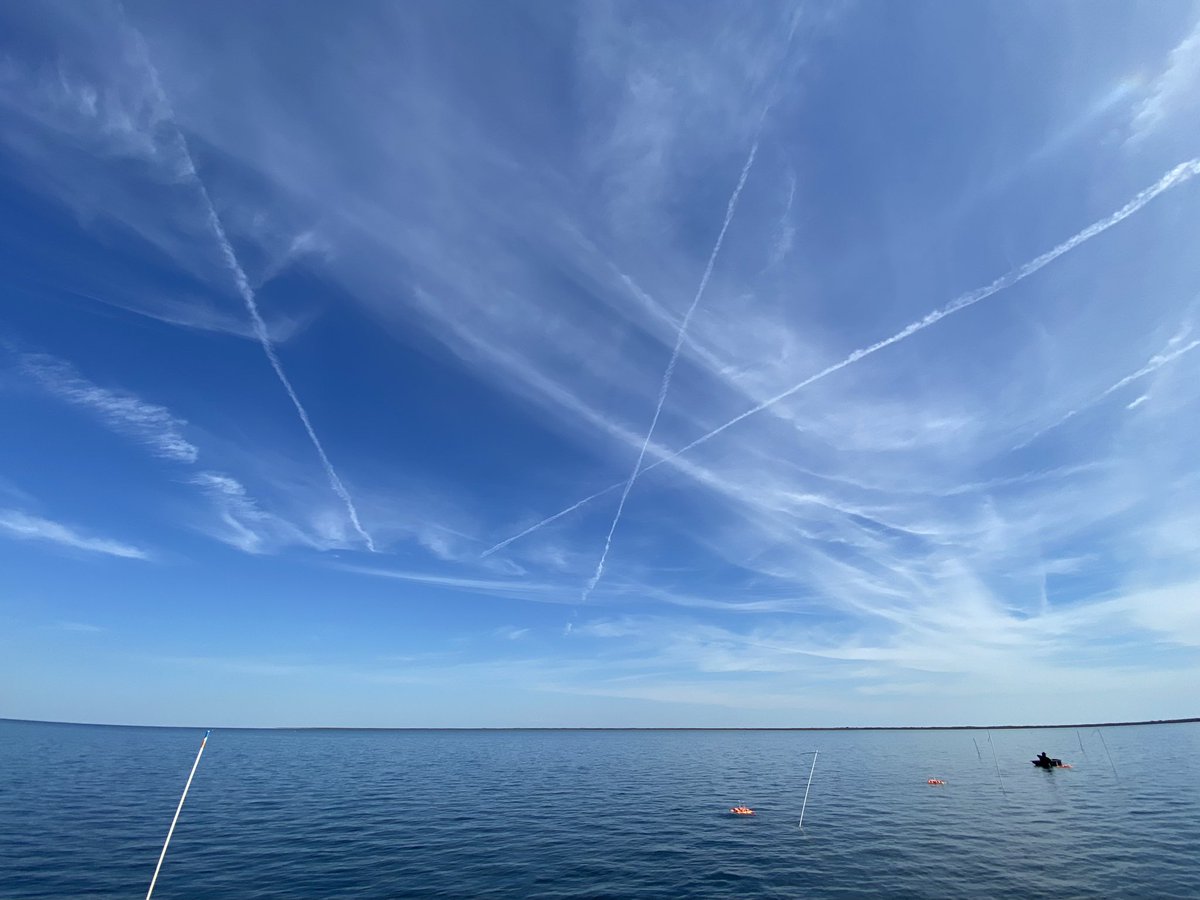
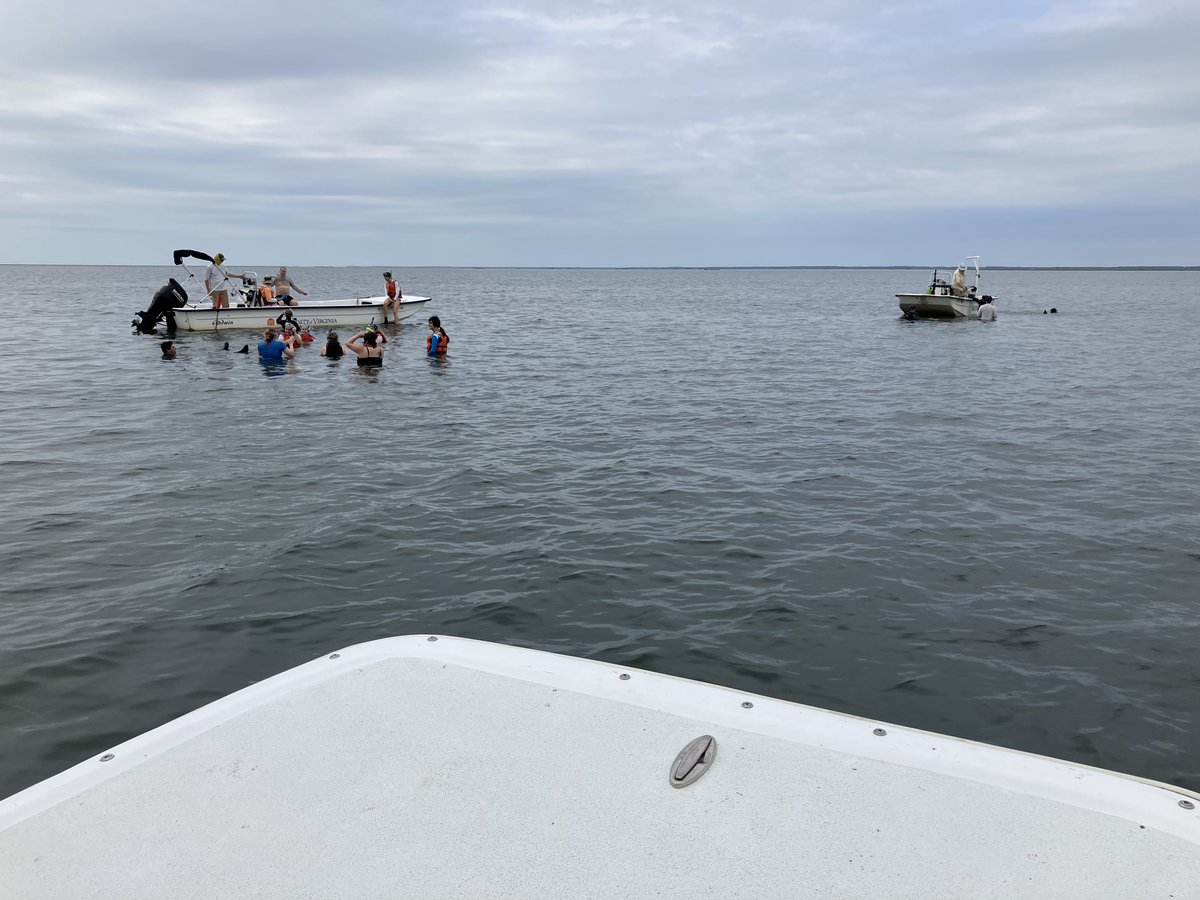
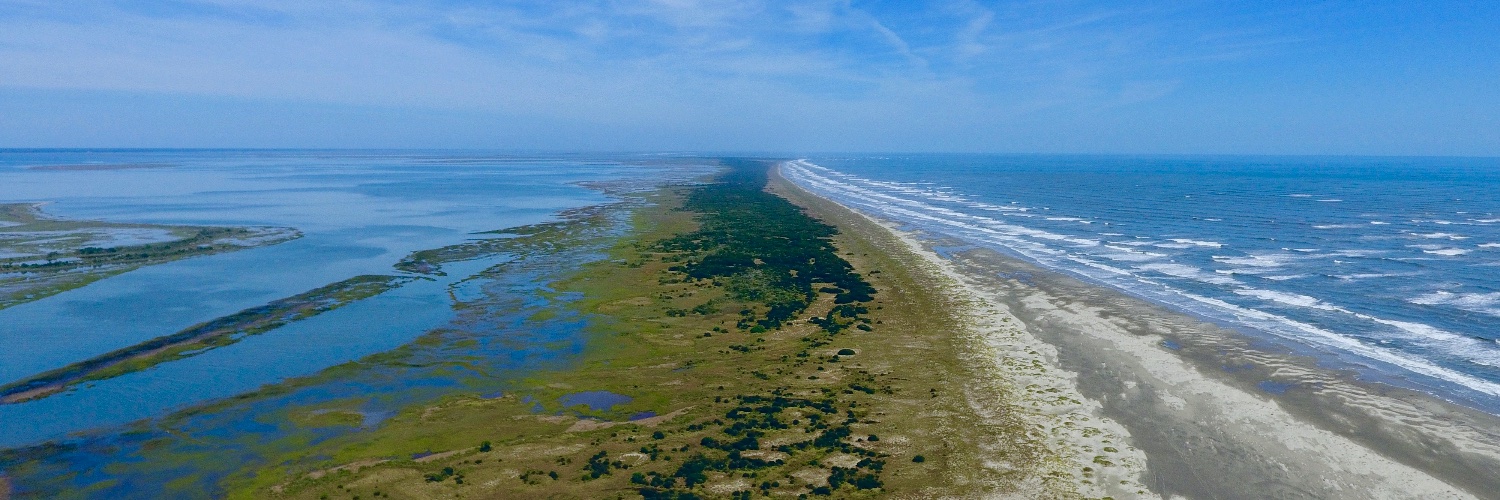
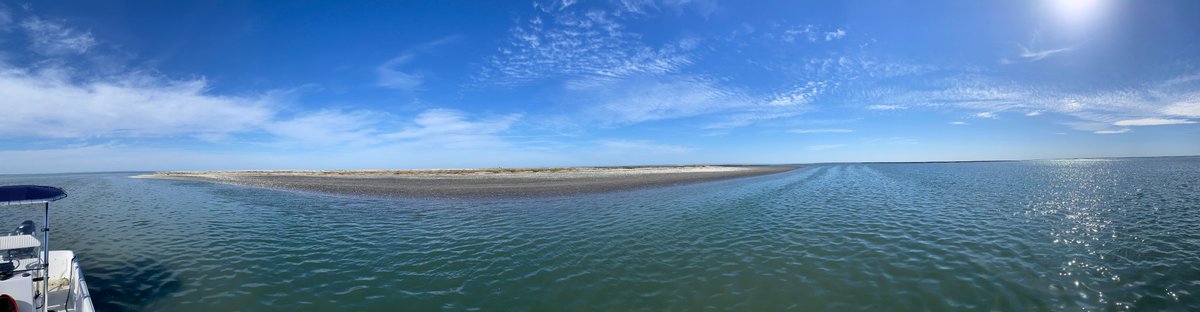
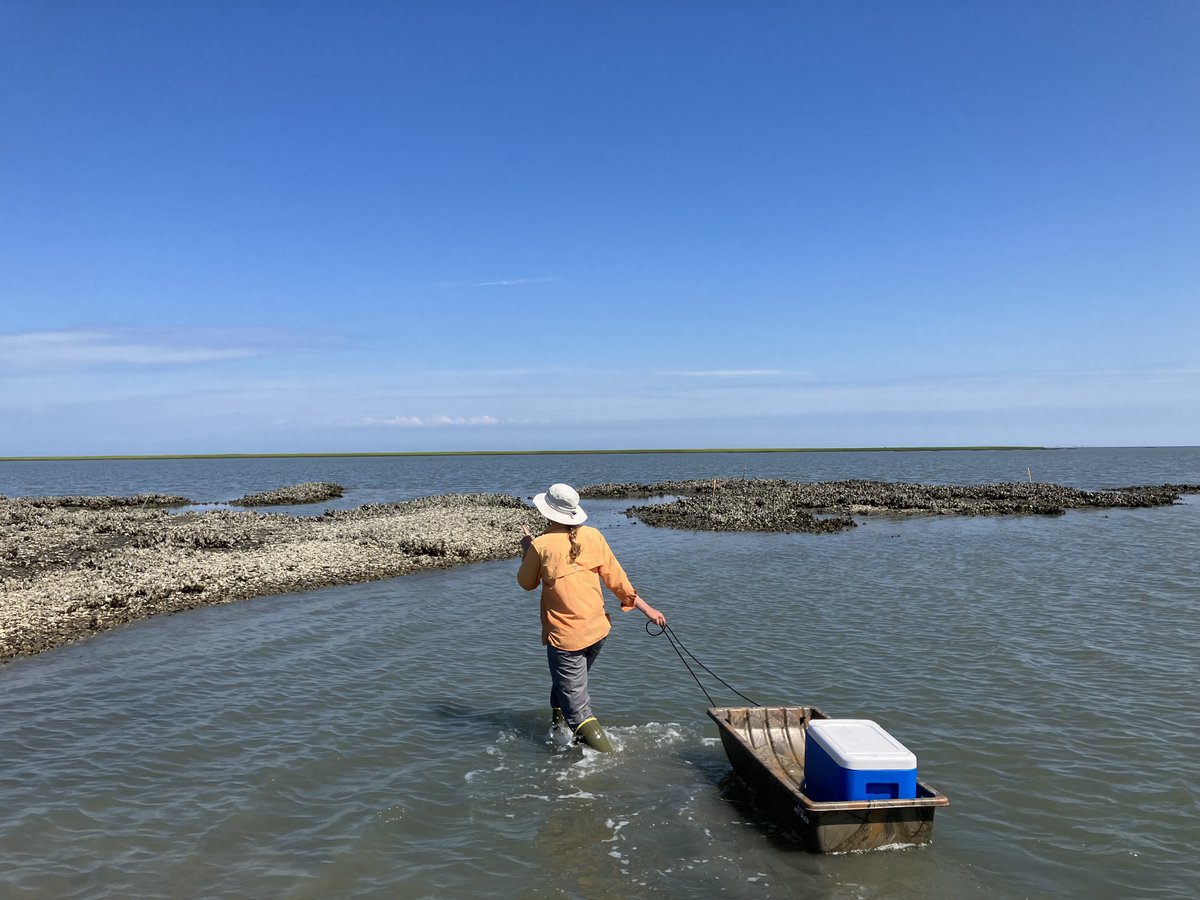
How are oyster reefs connected, and how does the distribution of their larvae impact recovering oysters?
The Castorani lab at UVA has just deployed a new experiment to find out.
We'll return later to add cages that help reveal the role of predation in shaping oyster recruitment.
Coming this Friday!
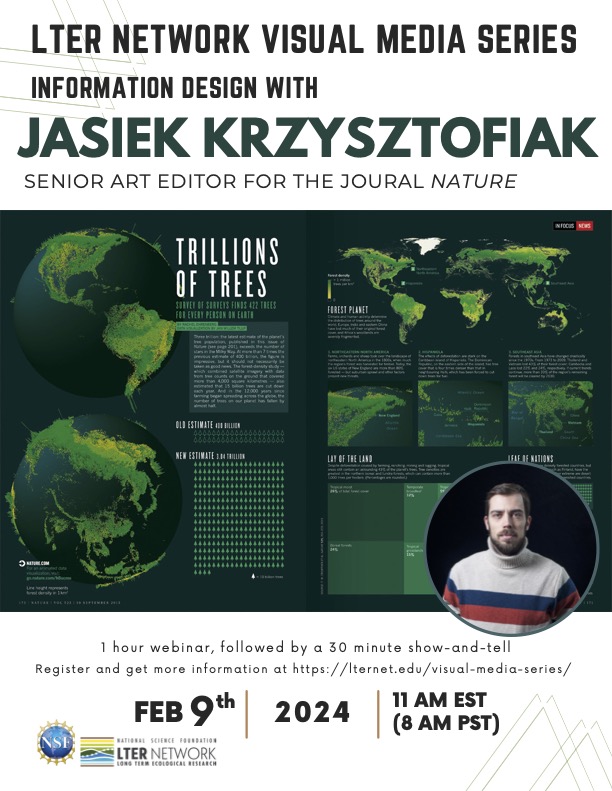
Want to learn about science graphics with a Senior Art Editor of Nature?
The LTER Visual Media Webinar is on Friday, February 9, 2024 at 8 am PT/ 11 am ET! Register for the event below. https://t.co/VjxV3Xyli7
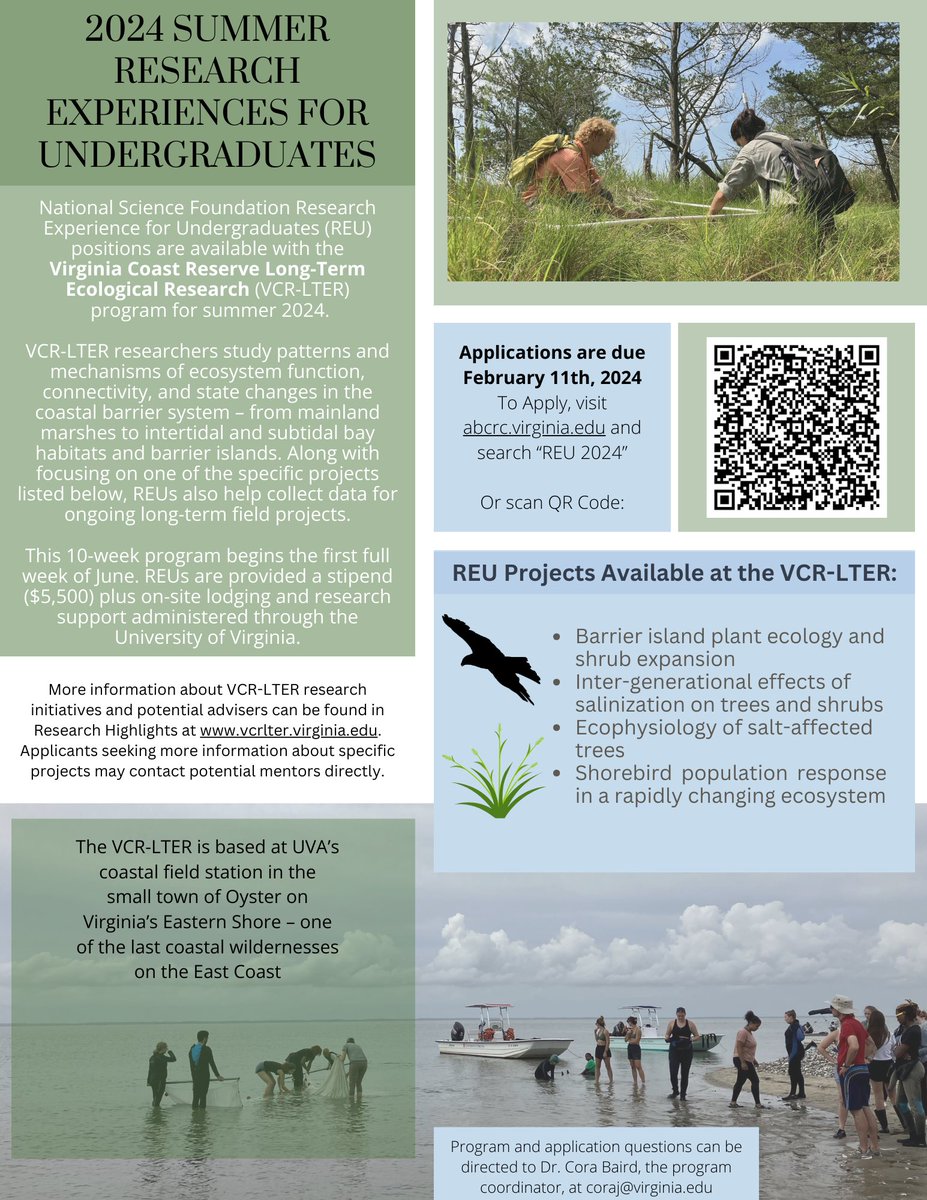
Come spend your summer at the Virginia Coast Reserve #LTER! There are just under 2 weeks left to apply for our #REU positions; applications are due February 11th. @NSF@USLTER
Applications are now open for paid research experiences for undergraduates this summer at the Virginia Coast Reserve LTER!
https://t.co/uZV18eZjUk
Applications are due February 11th.
@USLTER#REU#USLTER#VCR
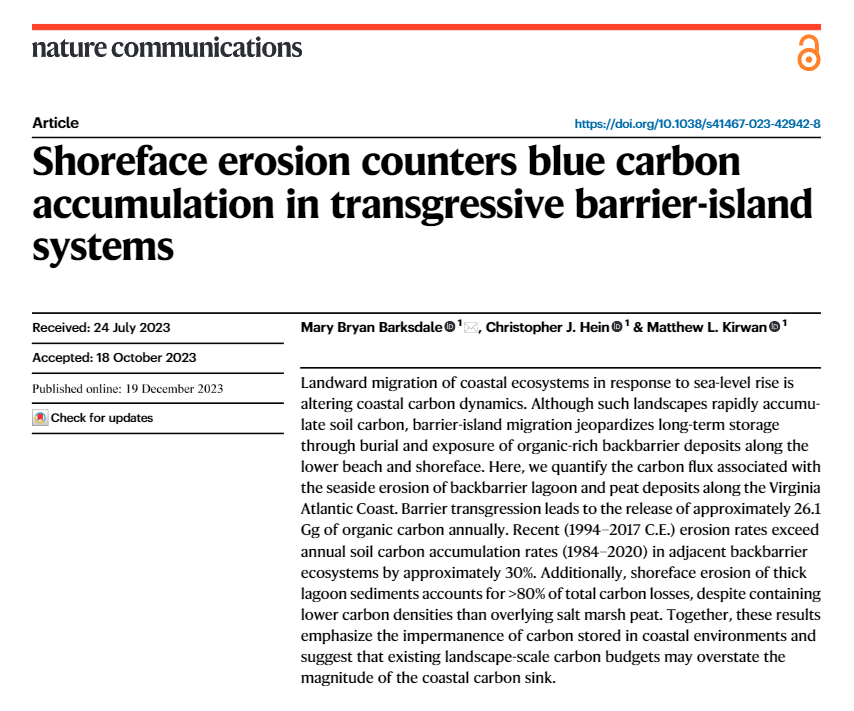
"Existing carbon budgets may overstate the magnitude of the coastal carbon sink" because eroding carbon stocks along the VA Atlantic coast are dominated by deep, UNvegetated sediments (nope, not marsh, not seagrass). New paper by @MaryBryanBarks1
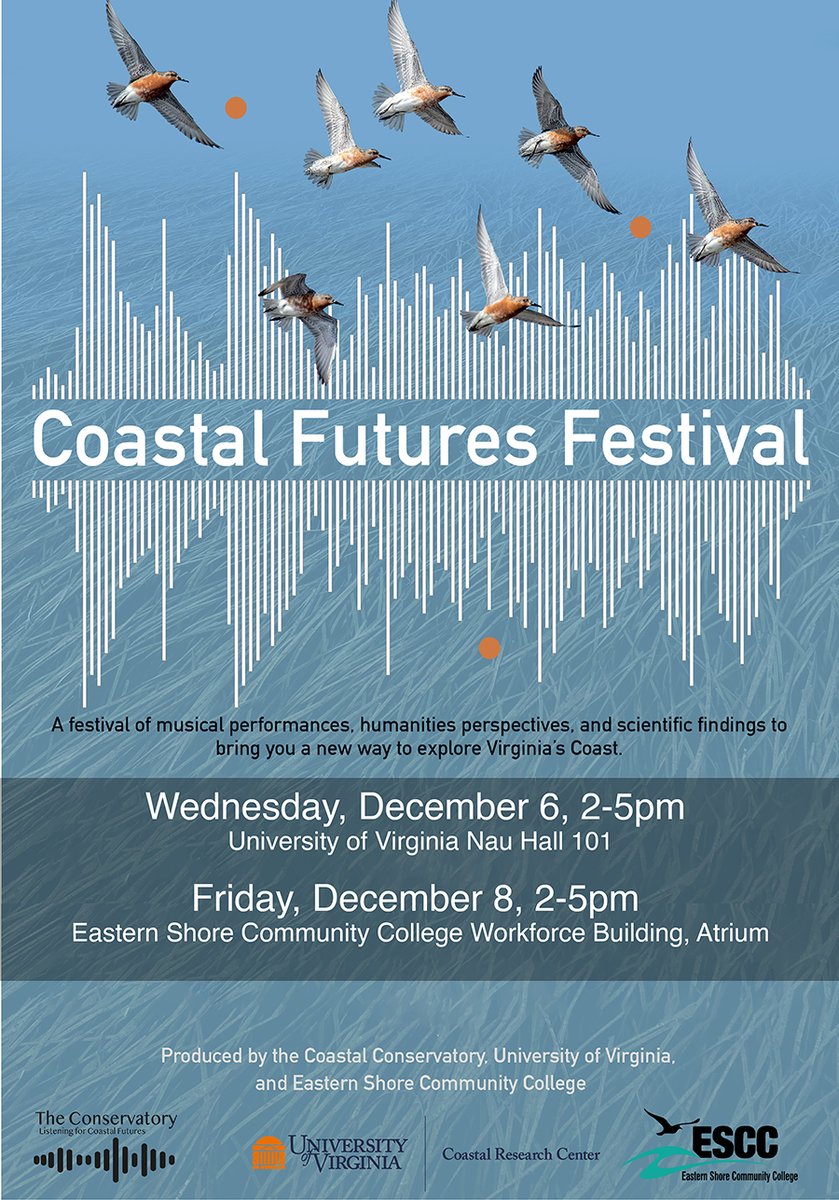
Mark your calendars! Next Wednesday, December 6 will be The Coastal Conservatory’s 2023 Coastal Futures Festival in Nau Hall from 2-5pm. Featuring an album release (“Soundscapes of Restoration” by @matthewburtner) and research talks from @Karen_McG2 and @matt_reidenbach
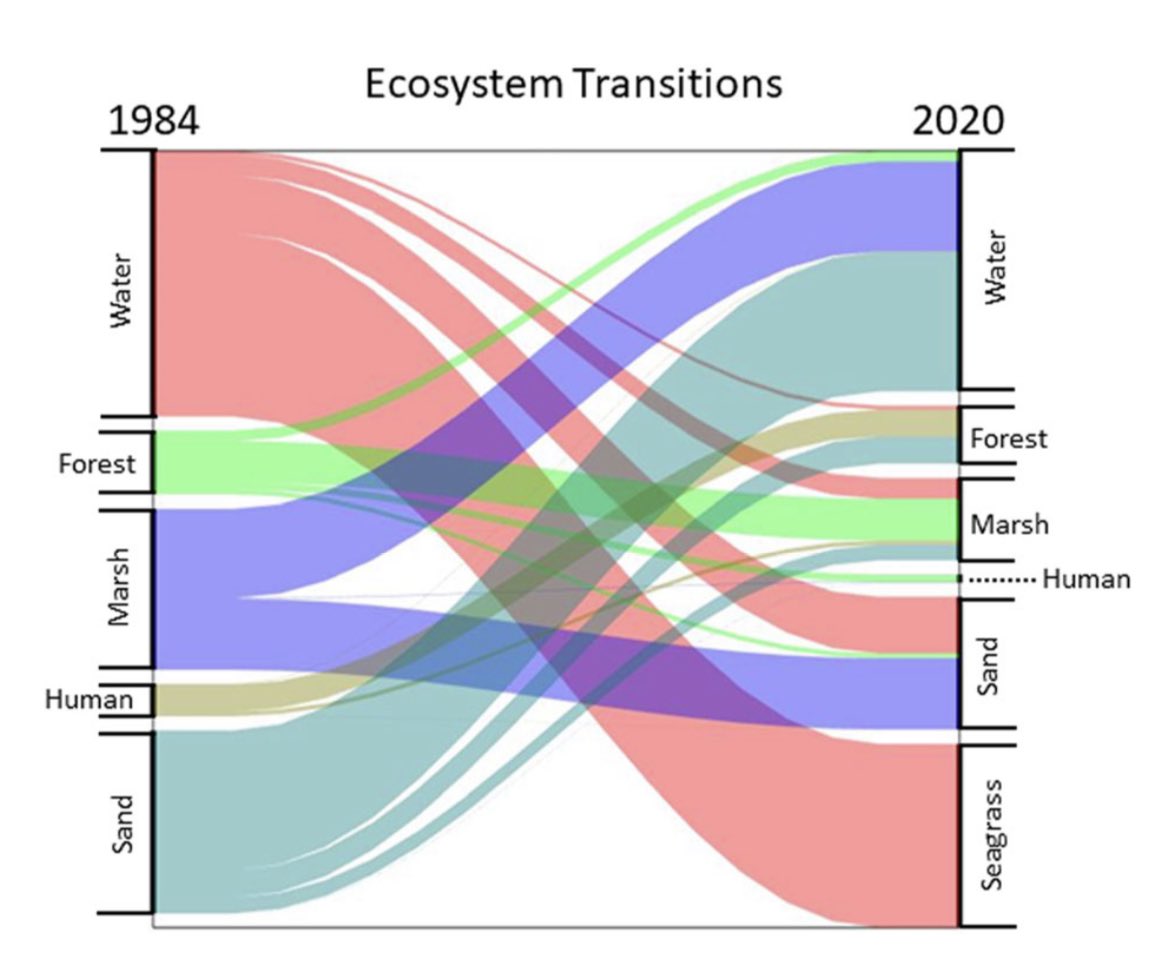
Our recent analysis of land cover change revealed that nearly 200 Gg of carbon were lost from a portion of the coast in ~40 years BUT compensatory mechanisms in the coastal landscape replaced this loss in <7 years!
https://t.co/zYo0vWB9iG
A great press article from the UVA Environmental Institute summarizing #vcrlter student, Sean Hardison's, paper that was recently published in Conservation Biology
In a seven-year study, University of Virginia researchers caught six times the number of fish in restored seagrass meadows off the state’s coast as compared to unrestored shallows. The level and consistency of fish recovery surprised the UVA scientists!
https://t.co/hId7rKz8Pu
New paper: It took only 7 years for surviving #bluecarbon ecosystems to replace 36 years worth of degradation across the entire @vcrlter coast. Led by @SaltMudVegHeat@VIMS_News.
https://t.co/avQ8uIgG4b
New paper alert! 🚨🌊🌱Led by Dr. Alex Smith, we looked at how coastal ecosystems can absorb regional carbon losses caused by shifts in ecosystem cover. @SaltMudVegHeat@uvaevsc@vcrlter@FlaglerCollege https://t.co/YrApcwbiRR
The #restoration and #conservation of #coastal habitats can enhance #biodiversity and support ecosystem function in the face of global change.🏝️ Read more on this from Hardison, McGlathery, and Castorani at https://t.co/siuemDtiSK
#science
Coastal marine megaripples are metabolic hotspots with highly dynamic oxygen exchange – Check out our new aquatic #EddyCovariance paper: https://t.co/FxyvKR6CkL
Image: Google Earth
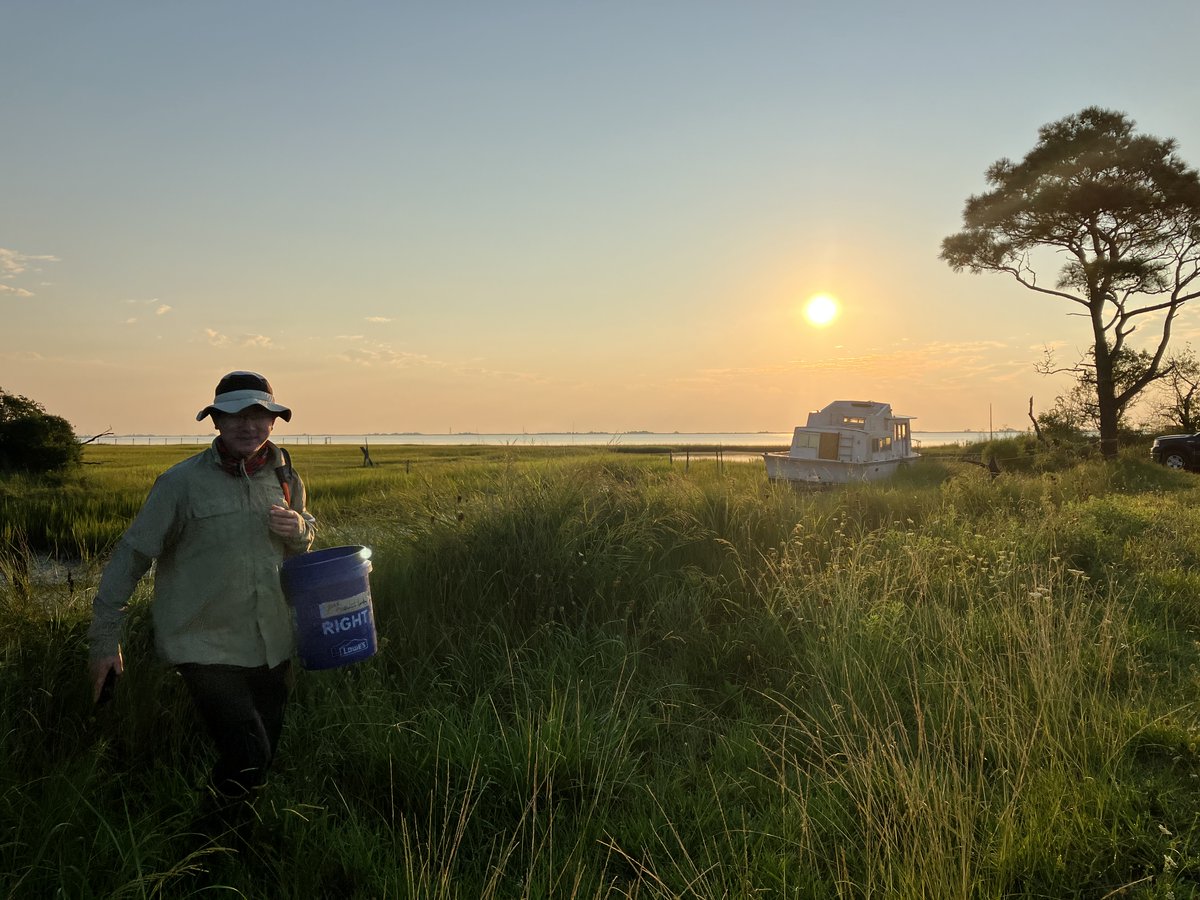
The air quality wasn’t great for our quarterly Water Quality Sampling at the @vcrlter yesterday, but there were some pretty stellar crews out on the bays!