PHinisheD 🥹✊🎓. Extremely happy for having had the chance to defend my work of 5 yrs in valuable company. Thanks to my thesis committee for the stimulating discussion @amrojasmendoza@fpazos_bioinf@baldo63!! And infinite thanks to my supervisors @Alfons_Valencia@eportacangen
Excited to see our work presented by @LorenzoScottB at the @genderbiasnlp workshop during #ACL2025NLP. Our research dives into the intricacies of gender in medical image classification using vision-language models. Looking forward to the valuable discussions that will follow!
I’ll be attending @aclmeeting next week, with a paper for the @genderbiasnlp workshop!
In this work, we tested the ability of a task-level explainability method to trace biological-sex biases in medical image classification, using general and biomedical VLMs.
#ACL2025NLP#XAI
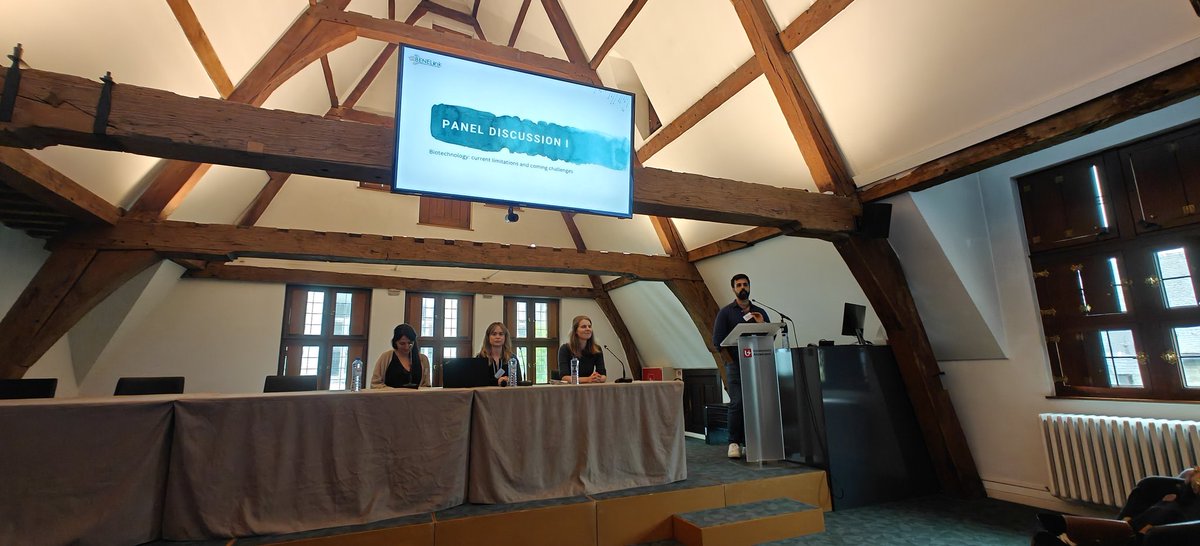
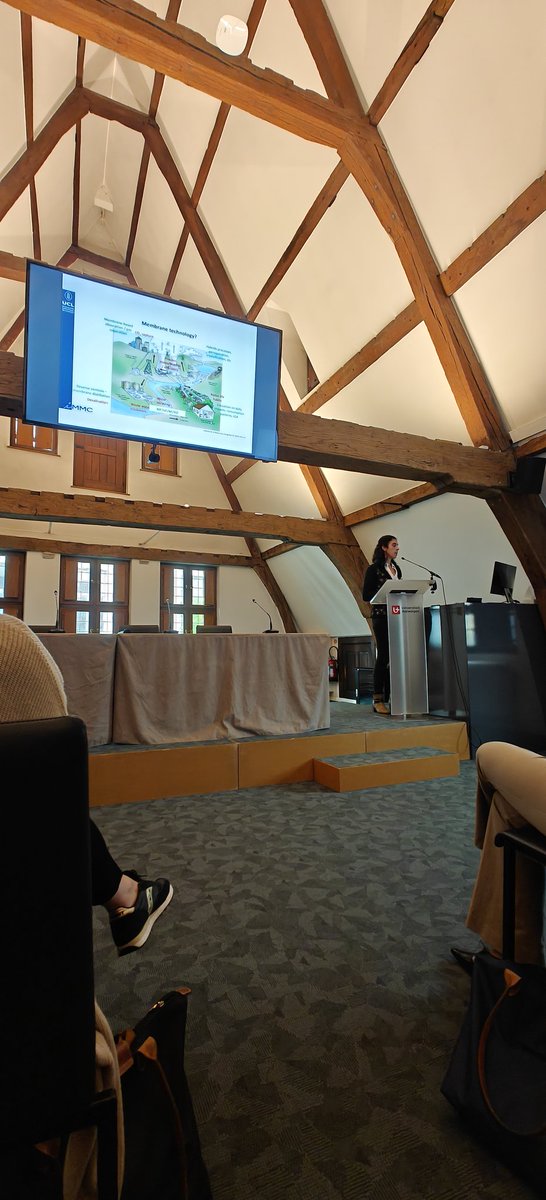
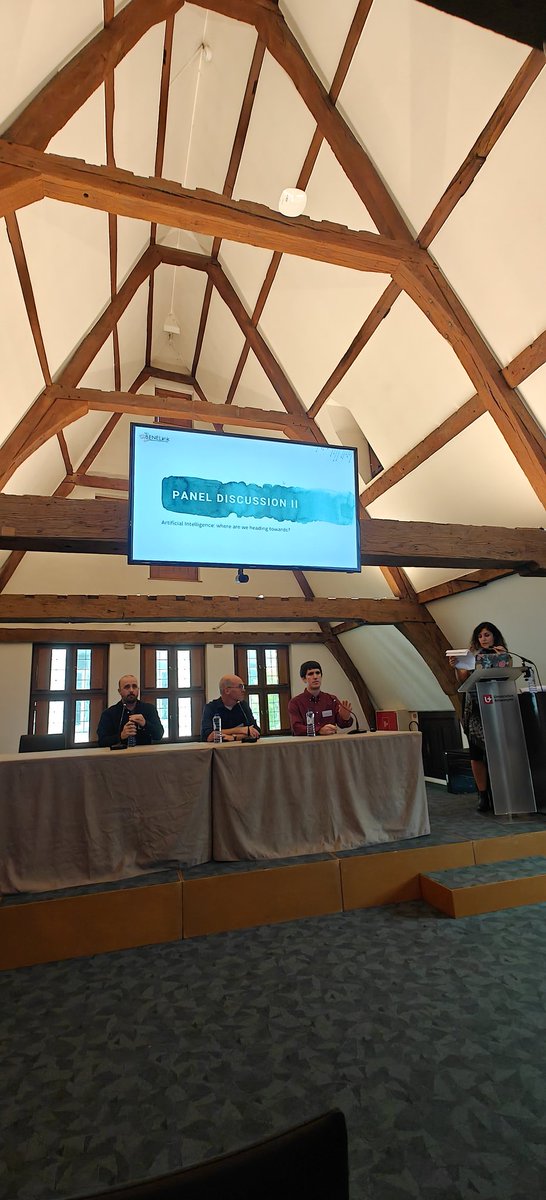
Big thanks to @CEBE_Belgica & @CENL_SWNL for the fabulous event! Great venue and amazing networking with fellow scientists. I had the chance to present our latest work on biological sex representation in databases 🌍. Check out the video https://t.co/XvdK0YrTBG! #Science
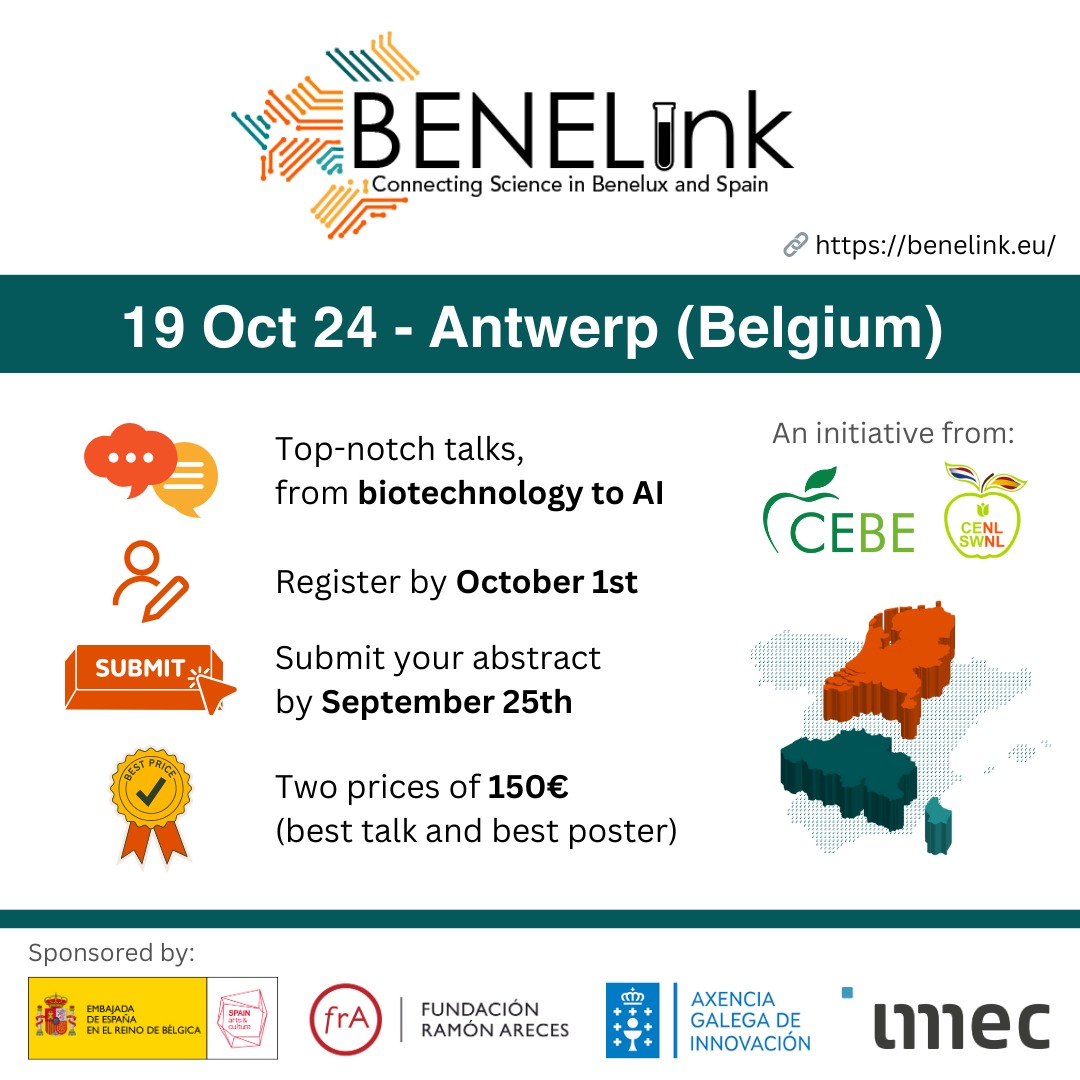
📢 BENELink - October 19th - Antwerp
👉 Keynote speakers from BENELUX and Spain
🗣️Talks about biotechnology & artificial intelligence
🗓️ Abstracts till 25/09
🏆Prices of 150€
🗓️ Register before 01/10
🔗https://t.co/0Z8ypjiZaY
@CENL_SWNL
@allostericstate @fraser_lab Thank you. I wasn't aware of this and was using the full N-structure for my research. I recently discovered that the paper presenting the method to resolve this structure has been retracted as well.
https://t.co/xSE7mvKbCG
Si voleu saber més sobre el premi Nobel d'avui, aquí teniu un altre fil amb un paper on en quantificavem l'impacte sobre el coneixement de les proteïnes de diversos organismes
This year’s #NobelPrize laureates in chemistry have revealed proteins’ secrets through computing and artificial intelligence.
Chemists have long dreamed of fully understanding and mastering the chemical tools of life – proteins. This dream is now within reach. 2024 chemistry laureates Demis Hassabis and John M. Jumper have successfully utilised artificial intelligence to predict the structure of almost all known proteins. This year’s chemistry laureate David Baker has learned how to master life’s building blocks and create entirely new proteins. The potential of their discoveries is enormous.
The ability to create proteins that are loaded with new functions is just as astounding. This can lead to new nanomaterials, targeted pharmaceuticals, more rapid development of vaccines, minimal sensors and a greener chemical industry – to name just a few applications that are for the greatest benefit of humankind.
BREAKING NEWS
The Royal Swedish Academy of Sciences has decided to award the 2024 #NobelPrize in Chemistry with one half to David Baker “for computational protein design” and the other half jointly to Demis Hassabis and John M. Jumper “for protein structure prediction.”
🙏 Big thanks to @ELIXIREurope for the #BioHackathon, and to @Bioinfo4Women &
@BSC_CNS for their support. Together, we're enhancing sex metadata integrity for better practices in biomedical research, such as safer, more effective AI in healthcare. #PrecisionMedicine
How much can we trust AI for life-or-death decisions in healthcare? **First, check the data!**
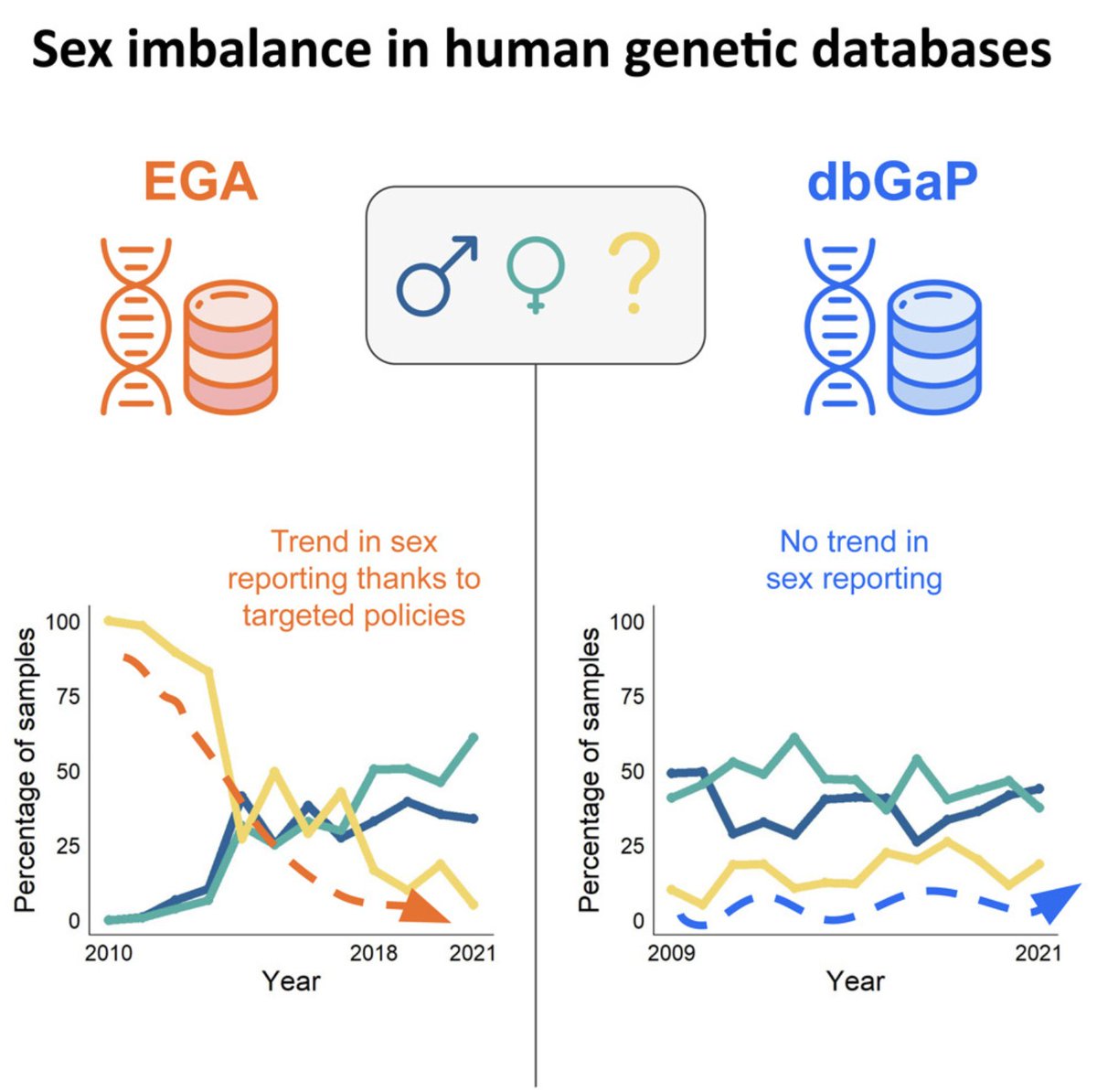
Our recent study analyzes sex classification in two major databases: EGA and dbGaP. We found significant imbalances that could impact research outcomes.
Our research "Analyzing sex imbalance in EGA and dbGaP biological databases: Recommendations for better practices" @CellPressNews has finally been published! We highlight data issues that need fixing to improve health accuracy considering impactful sex differences.
📢 Our findings emphasize the need for clear definitions of sex and gender in databases, improved data management, and privacy preservation to ensure accurate and representative biomedical research.
https://t.co/o5cM3UYAMK
➡️Recommendations for better practices in health databases:
1. Provide clear definitions of sex and gender
2. Improve data management
3. Privacy preservation
4. Transparency and accountability
5. Promote education and social impact assessment
Happy to see the first years of my PhD work finally published.
This tool will make your life easier if you're dealing with mapping positions from PDBs to protein sequences!
Thanks to @Alfons_Valencia 's lab and specially to the guidance and patience to @eportacangen. We did it!
Want to use protein structures to understand the impact of coding variants?
Check out 3Dmapper by @victoriaISruiz
Neat tool with great documentation!
https://t.co/6IsUTvnbLk
🚨Job alert
We have 𝟮 𝗼𝗽𝗲𝗻 𝗽𝗼𝘀𝗶𝘁𝗶𝗼𝗻𝘀 in our Unit at JRC (F7 Digital Health), one as 𝗖𝗮𝘂𝘀𝗮𝗹 𝗟𝗲𝗮𝗿𝗻𝗶𝗻𝗴 𝗦𝗰𝗶𝗲𝗻𝘁𝗶𝘀𝘁 (Geel) and the other as 𝗥𝗲𝗶𝗻𝗳𝗼𝗿𝗰𝗲𝗺𝗲𝗻𝘁 𝗟𝗲𝗮𝗿𝗻𝗶𝗻𝗴 𝗦𝗰𝗶𝗲𝗻𝘁𝗶𝘀𝘁 (Ispra)
👉Deadline: 10/04/2024