Wikipedia is a free encyclopedia written and maintained by a community of nearly 260,000 volunteers.
It is the largest and most-read reference work in history, and is consistently ranked among the ten most visited websites.
Wikipedia is available in more than 300 languages, which together comprise over 63 million articles and attract more than 15 billion views every month.
Wikipedia content is also available on social media:
➡️ Instagram: https://t.co/vtmY50QiAM
➡️ TikTok: https://t.co/2EMlCYly9q
➡️ Bluesky: https://t.co/LTRFdwM1FB
➡️ Threads: https://t.co/ktcmCfs9PM
➡️ Facebook: https://t.co/0ConAzfMbf
➡️ YouTube: https://t.co/mK4L1cluW9
➡️ LinkedIn: https://t.co/22sI0A3tRg
Every holiday season since 1966, the city of Gävle, Sweden, has erected a giant Yule goat made of straw in the town square.
This festive symbol has become famous not only for its impressive size, but also for its history of repeated arson. ➡️ https://t.co/iA4kc3s8Ql
Despite numerous attempts, no bilingual inscriptions (like the Rosetta Stone) have been found to provide clues, leaving the language and content of these symbols unknown to this day.
Explore this key to one of the world’s earliest civilizations ➡️ https://t.co/gD5dtM43N4 (4/4)
The Indus script remains one of history’s unsolved mysteries. Used by the Indus Valley Civilization over 4,000 years ago, this collection of symbols appears on seals and pottery across northwest India. Yet no one has successfully deciphered its meaning. ����⬇️ (1/4)
Scholars debate whether the script represents a full language or proto-writing, as most inscriptions are very brief, making analysis challenging. (3/4)
Today, Hildegard is celebrated for her pioneering spirit across many fields, her influence in sacred music, and her contributions to both scientific knowledge and spirituality.
Read more about her many scholarly and creative works ➡️ https://t.co/wVk8iJvu7f (4/4)
📜 She composed sacred melodies, advanced the science of medicine, and even invented a new language. Discover the genius of Hildegard of Bingen. 🧵⬇️ (1/4)
Hildegard also composed sacred music, wrote plays such as “Ordo Virtutum”, and even created an alternative alphabet called “Litterae ignotae” as part of her unique language system. Her scientific writings on natural history and medicine are among the earliest of their kind. (3/4)
The remote location, far from inhabited areas, presents a challenging environment for scientists studying the effects of extreme conditions, but it remains an important site for research. (6/7)
Christmas time, holiday season, Yuletide, festivities, winter or summer holidays... Depending on where you are in the world, the period between late November and early January can be known by various names.
Throughout history, multiple celebrations have taken place during this time of the year. Layouts of late Neolithic archaeological sites indicate that the winter solstice in the Northern Hemisphere was a special moment for some cultures. In ancient Rome, the Saturnalia festival honored the god of time with celebrations that lasted multiple days in December.
Since the 19th and 20th centuries, as the economic impact involving the lead-up to Christmas Day grew in North America and Europe, the term "Christmas season" became known as a peak season for the retail sector and began to also encompass the days right before and after 25 December.
Today, this holiday season begins in late November and runs until early January, including Advent, Christmas, New Year's Day, Hannukah, Yule, Kwanzaa, and more celebrations. In some traditions, Candlemas is the official end of the festivities, taking place on 2 February.
Learn more about this period ➡️ https://t.co/gY8EF3KIBT
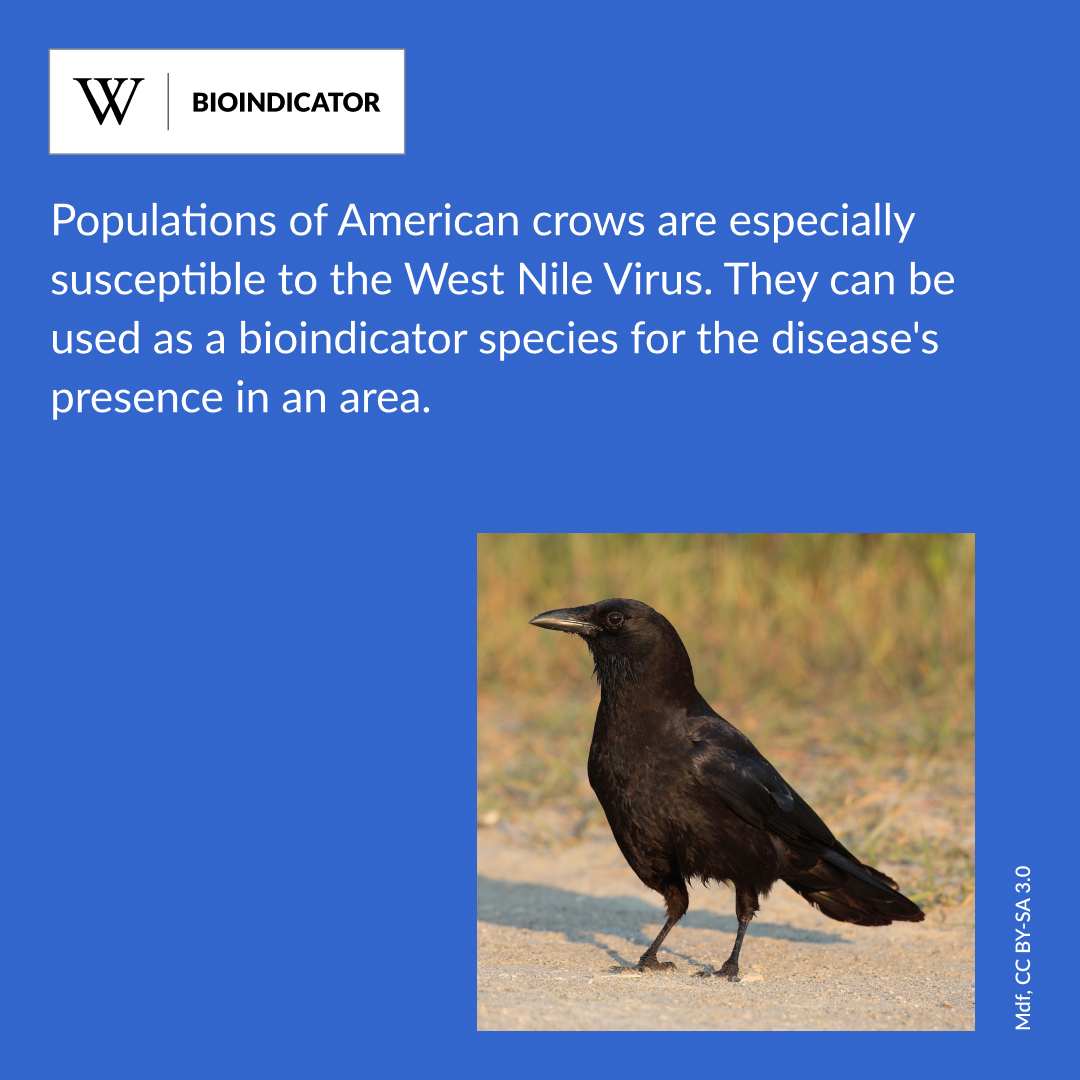
By observing bioindicators, scientists gain valuable information on the cumulative impacts on ecosystems, offering a natural approach to environmental monitoring. (3/4)
Common examples of bioindicators include fish and crustaceans in water bodies, which can indicate water quality changes that might go unnoticed by chemical testing alone. (2/4)