From wine lists to accidentally speaking fluent “somm,” these are the little habits that reveal you’ve crossed from ”person who enjoys wine” into wine geek territory.
- You choose the wine before deciding what’s for dinner.
- You judge a restaurant by its wine list.
- A perfectly good drinking glass starts looking suspiciously…unnecessary.
- You measure the value of things in bottles of wine.
- Being “thin-skinned” becomes a compliment.
- You start seeing wine aging as a full-blown lifecycle.
- And when you talk about wine, you occasionally sound like you’re auditioning for a sommelier exam.
What’s your “wine geek” tell that sets you apart from regular wine drinkers?
Learn more at https://t.co/x0pzis4EkW
#winegeek #winelover #wineeducation
Willamette Valley Pinot Noir has earned a reputation for elegance, but what makes it different from Burgundy?
Oregon Pinot Noir:
Cool maritime influence
Riper fruit, bright acidity, and silky texture
Burgundy Pinot Noir:
Cooler continental climate
Red fruit, floral notes, and earthy complexity
Willamette Valley is all about place. Like Burgundy, the region is divided into smaller growing areas (AVAs) with their own unique combinations of soil, elevation, and climate.
For a taste of Oregon Pinot Noir, experience ROCO Gravel Road Pinot Noir, a true expression of the Willamette Valley, where vibrant fruit, refined elegance, and a commitment to sustainable winemaking shine in every sip.
Happy Pinot Noir Day!
Paid partnership with @ROCOWinery
#pinotnoir #pinotnoirday #wineholiday
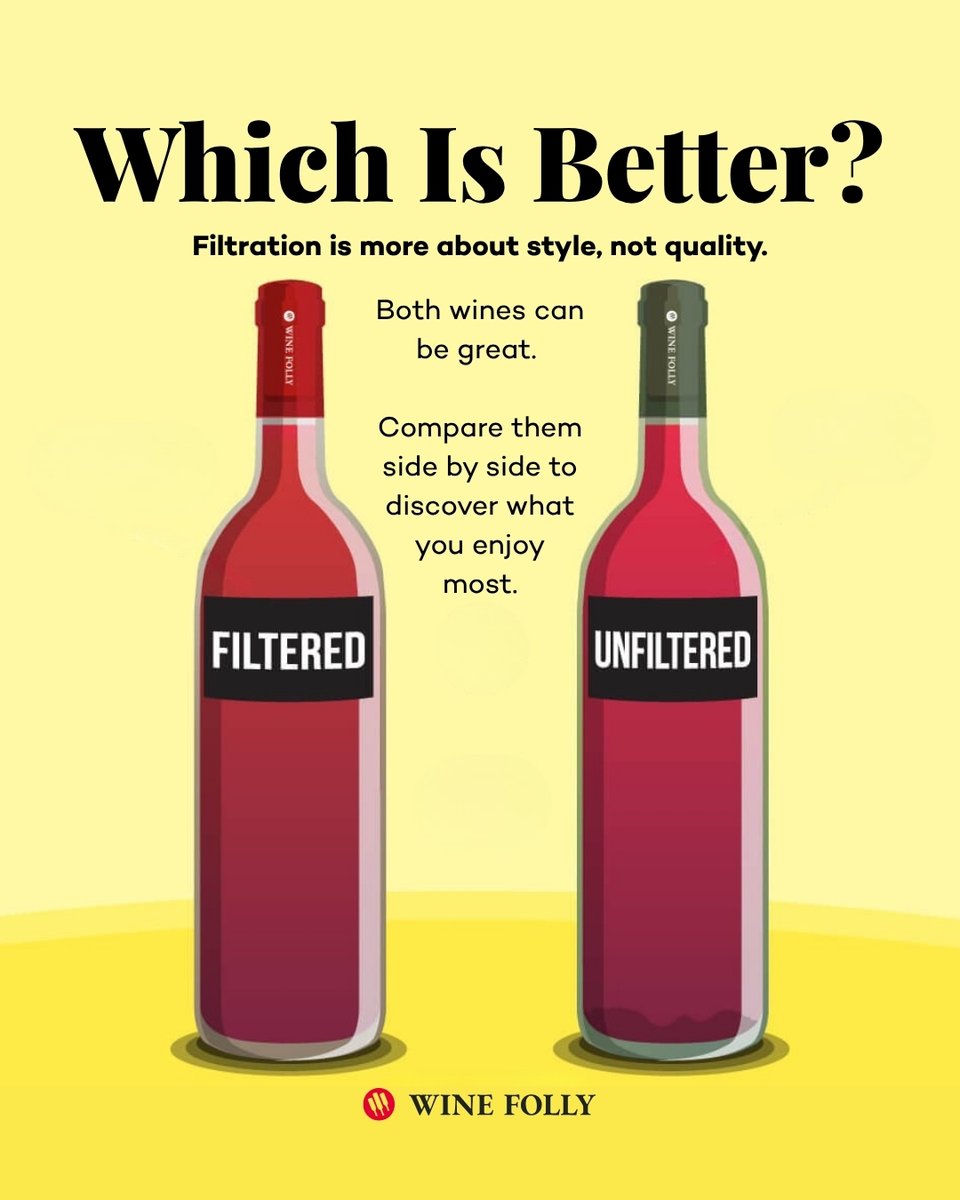
Ever spotted "unfiltered" on a wine label and assumed it meant better? The truth is a little “cloudy” (see what we did there)
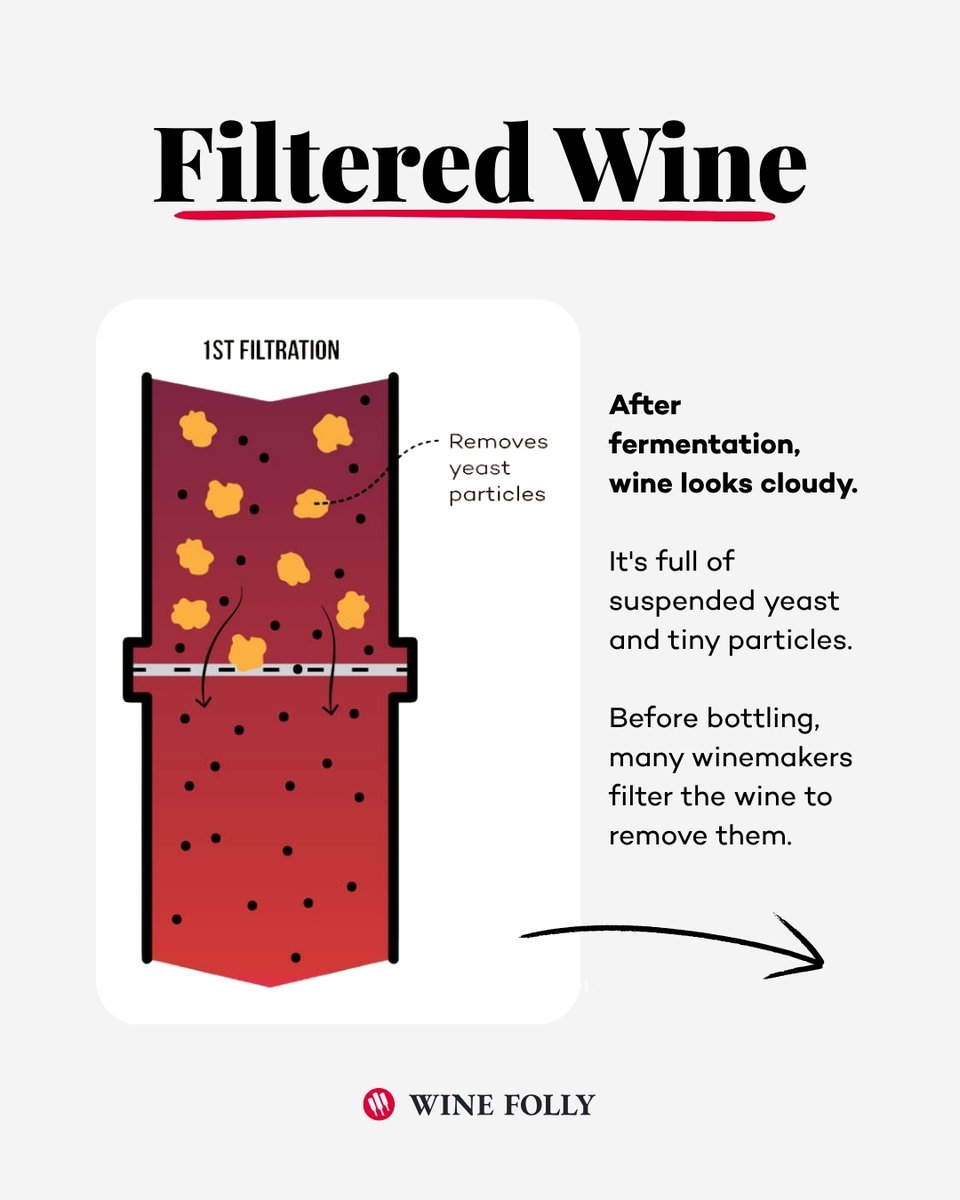
After fermentation, wine is naturally cloudy with suspended yeast and tiny particles. From there, winemakers have two paths:
- Filter the wine to remove yeast and microorganisms before bottling.
- Skip filtration and let gravity do the work, allowing the solids to settle naturally before racking the clear wine off the lees.
Both approaches can produce exceptional wines.
Filtration is simply one of many decisions a winemaker makes alongside choices like: fermentation temperature, aging vessels, and harvest timing. Some producers filter for clarity and stability. Others prefer minimal intervention and rely on time instead.
Swipe through to see how filtered and unfiltered wines are made, then tell us:
Which do you reach for more often—filtered or unfiltered?
Learn more at https://t.co/1kQc7prXJr
#filteredwine #unfilteredwine #winemaking
Good Prosecco doesn't ask for much; just a
little attention before you pour. 🥂
Here are a few simple habits that can help every glass
show its best:
• Serve it well chilled (about 3–7°C / 38–45°F) to keep
the bubbles crisp and refreshing.
• Reach for a white wine glass if you want to enjoy
more of the wine's fruit and floral aromas.
• Drink it while it's young. Prosecco is crafted to
showcase freshness, vibrant fruit, and lively bubbles.
• Check the label for the sweetness level. Brut, Extra
Dry, and Dry each offer a different balance of fruit and
sweetness, so you can choose the style that suits your
palate.
Sometimes, the smallest adjustments make the biggest
difference in the glass.
Celebrate #ProseccoDay with @torresellawine and
raise a toast to fresher pours, brighter aromas, and
bubbles at their best. 🍾✨
#PaidPartnership #Torresella #ProseccoDOC
#SparklingWine #ItalianWine
Happy Grüner Veltliner Day! 💚
If you've never explored Austria's signature grape, this
is the perfect excuse.
Here's what makes Grüner Veltliner one of the wine
world's most versatile white wines:
Bright & Precise: High natural acidity gives Grüner its
vibrant, refreshing character. Look for flavours of lime,
green apple, pear, white pepper, and fresh herbs.
A Sense of Place: Across Austria, Grüner reflects
where it's grown. Cooler sites deliver citrus and
mineral-driven wines, while warmer vineyards produce
richer styles with stone fruit, spice, and impressive
aging potential.
A Wine Worth Knowing: Grüner Veltliner has been
Austria's flagship variety for generations and continues
to be a favourite among sommeliers thanks to its
balance, complexity, and incredible value.
Educational content proudly supported by
@austrianwine & @austrianwineusa
🎯 Find out everything about Grüner Veltliner here:
https://t.co/Bdgi2yjuvV
s/white-wine/gruener-veltliner
Supported by the European Union
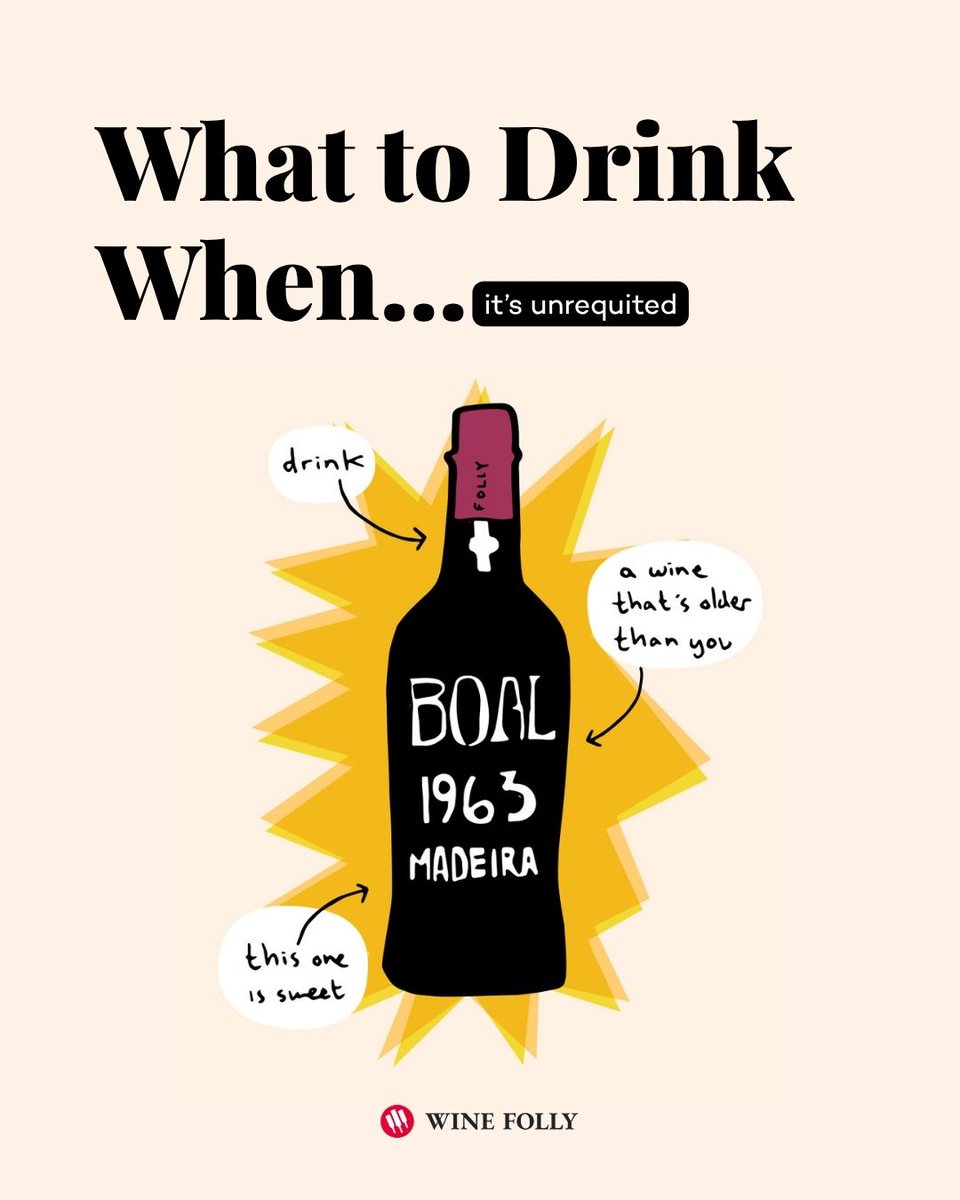
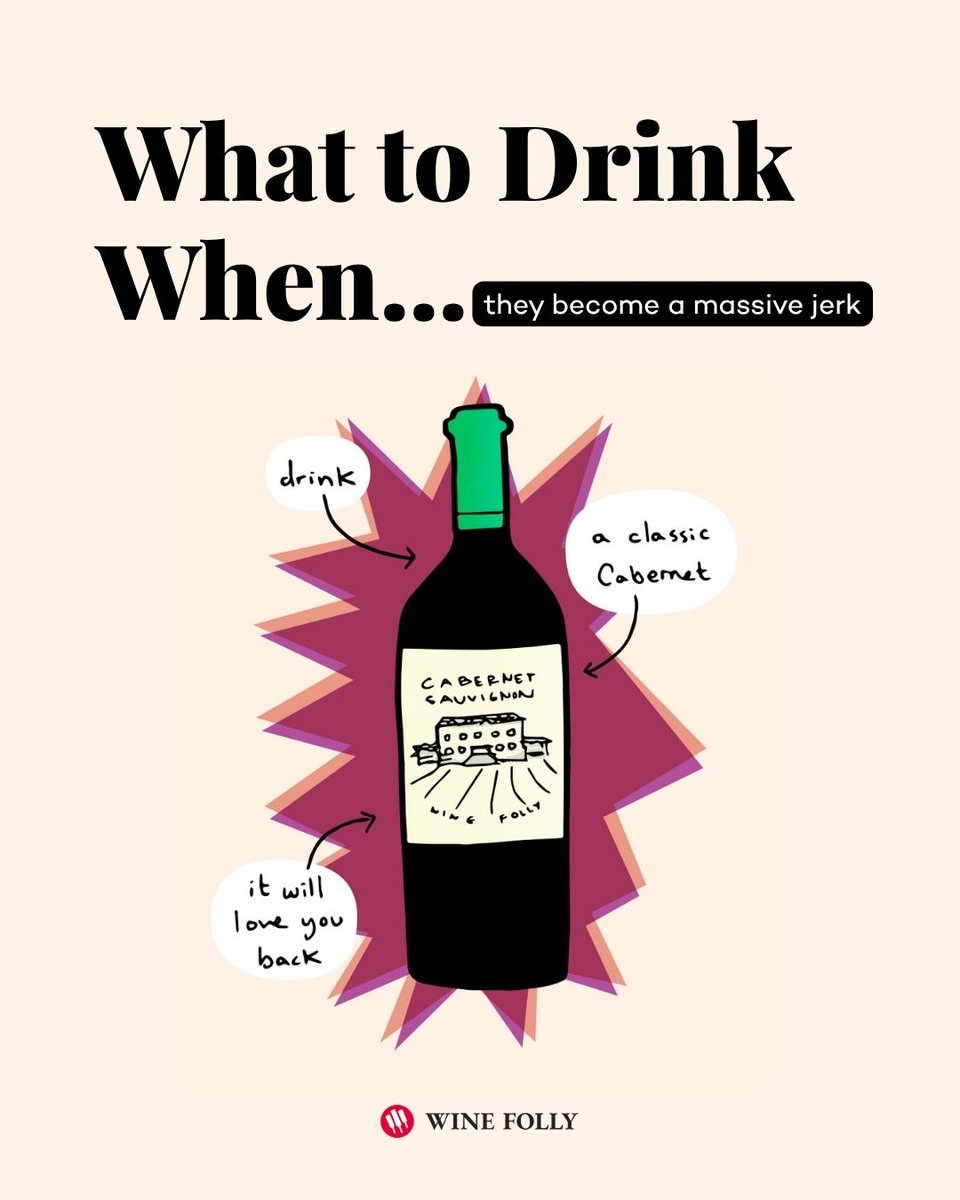
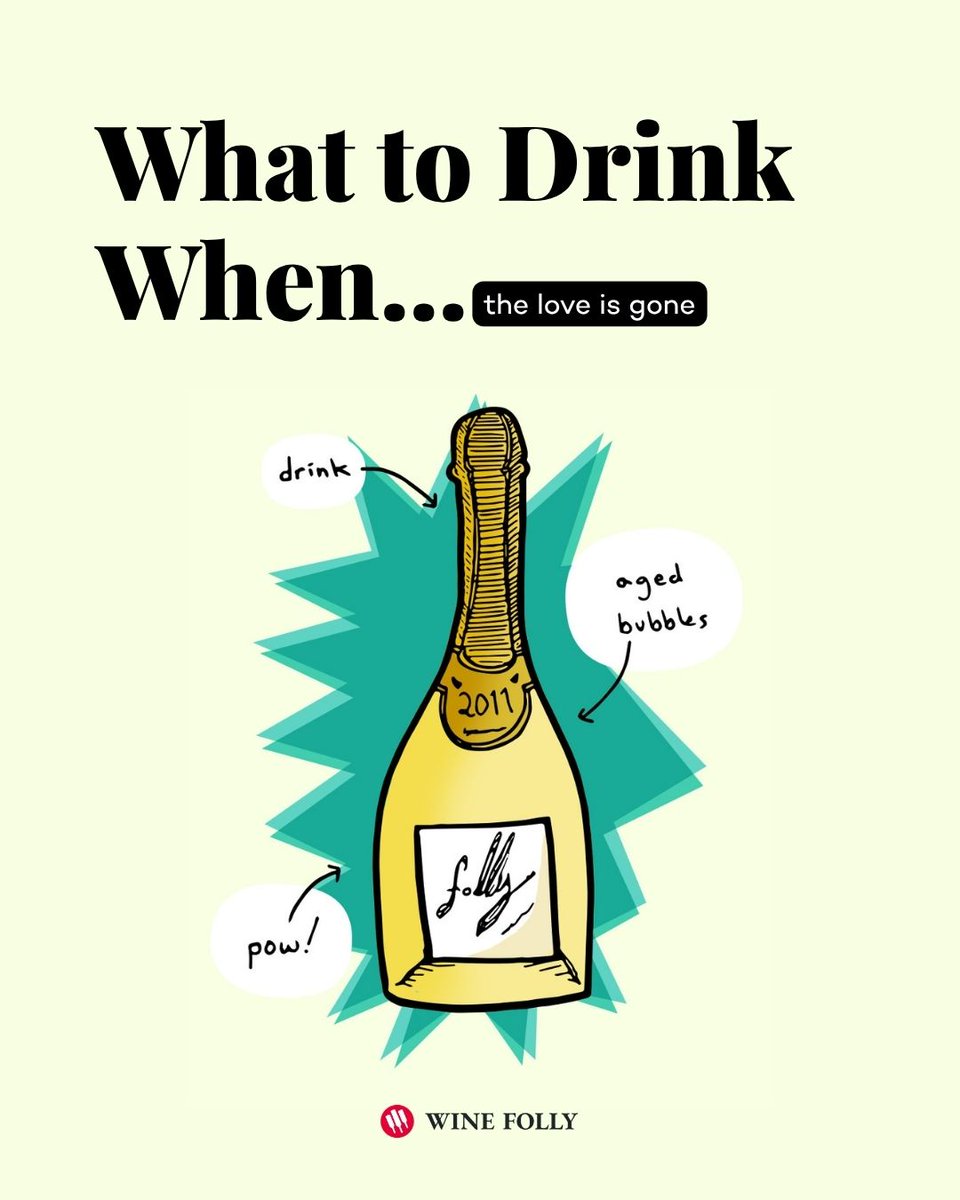
Heartbreak comes in many forms. Romantic. Platonic. Professional. Whatever the relationship, there's probably a bottle that fits the mood. Not because wine solves your problems, but because the right pour can help you slow down, reflect, or celebrate a fresh start.
In this guide, we pair six classic breakup scenarios with wines that match the moment:
- They cheated on you? Treat yourself to Brunello di Montalcino. Life's too short to save the good bottle.
- You made the mistake? Reach for Tannat. One of the world's most tannic red wines, it's built for slow sipping while you do some honest self-reflection.
- The relationship simply ran its course? Pop a bottle of lees-aged sparkling wine. Sometimes a new chapter deserves bubbles.
- They turned into someone you barely recognized? Cabernet Sauvignon delivers the confidence, structure, and longevity every healthy relationship should aspire to.
- Unrequited love? Open something with a few decades behind it. A mature Madeira, Tawny Port, or Sherry offers perspective that's hard to rush.
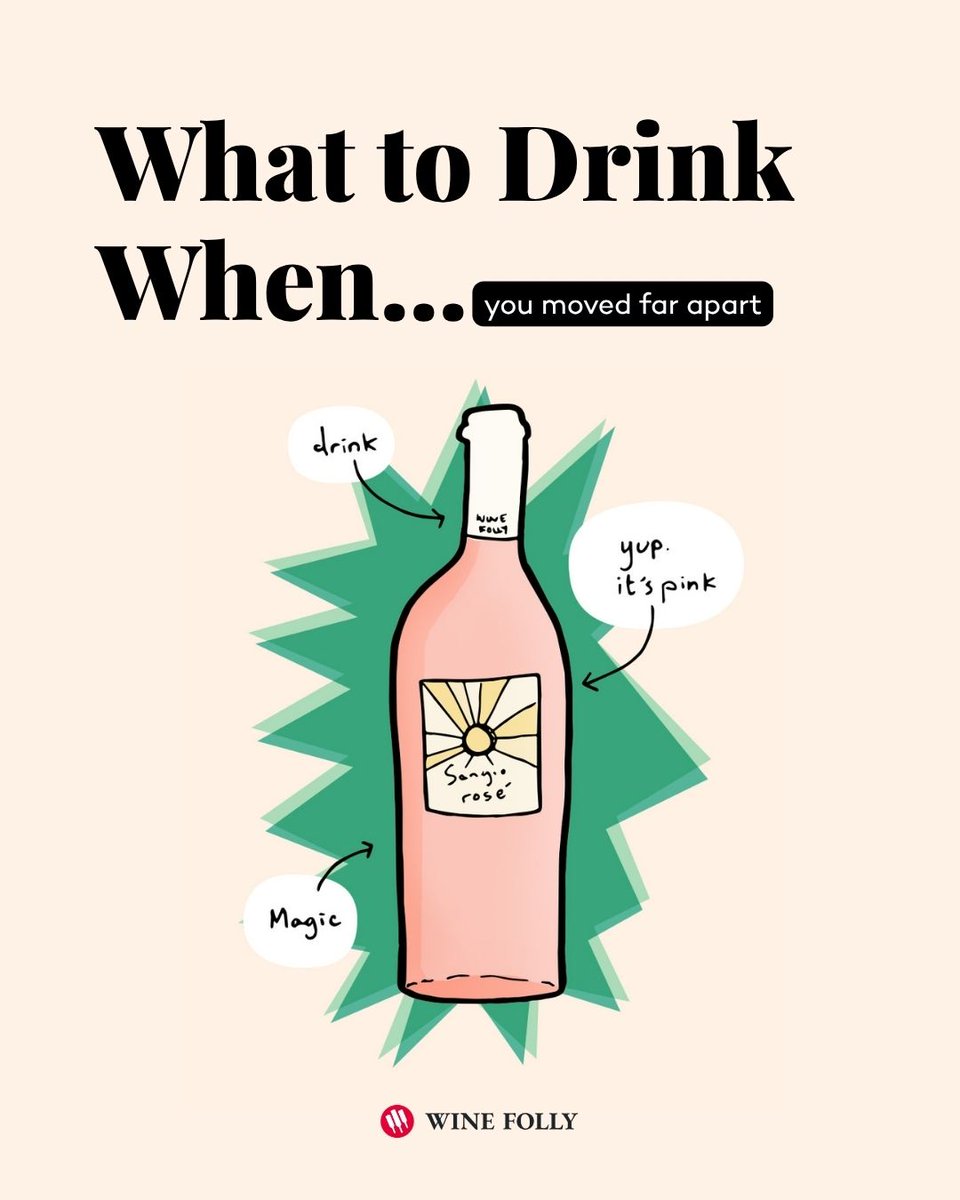
- Long-distance goodbye? Rosé keeps things light. Chill the bottle, call your friends, and let tomorrow figure itself out.
Learn more at https://t.co/fetO7VvvoM
#breakup #summerlove #breakupwine
There are right and wrong ways to hold a wine glass. Most are socially acceptable, while others will get you kicked out of the country club.
If you're using a stemmed wine glass, hold it near the base of the stem with your thumb, forefinger, and middle finger. Why?
• It helps keep fingerprints off the bowl, so you can better appreciate the wine's color.
• It slows down heat transfer from your hand, keeping whites, sparkling wines, and lighter-bodied reds at their ideal serving temperature for longer.
• It gives you better control when swirling (and yes, swirling is encouraged).
Using a stemless glass? Hold it like any other drinking glass (preferably closer to the base instead of wrapping your hand around the middle).
One more wine geek tip: Try sipping from the same spot on the rim each time. It keeps the glass looking cleaner and provides a more consistent tasting experience.
Do you naturally hold your wine glass by the stem or the bowl?
Learn more at https://t.co/3kB2gppU7J
#wineglass #howto #wineeducation
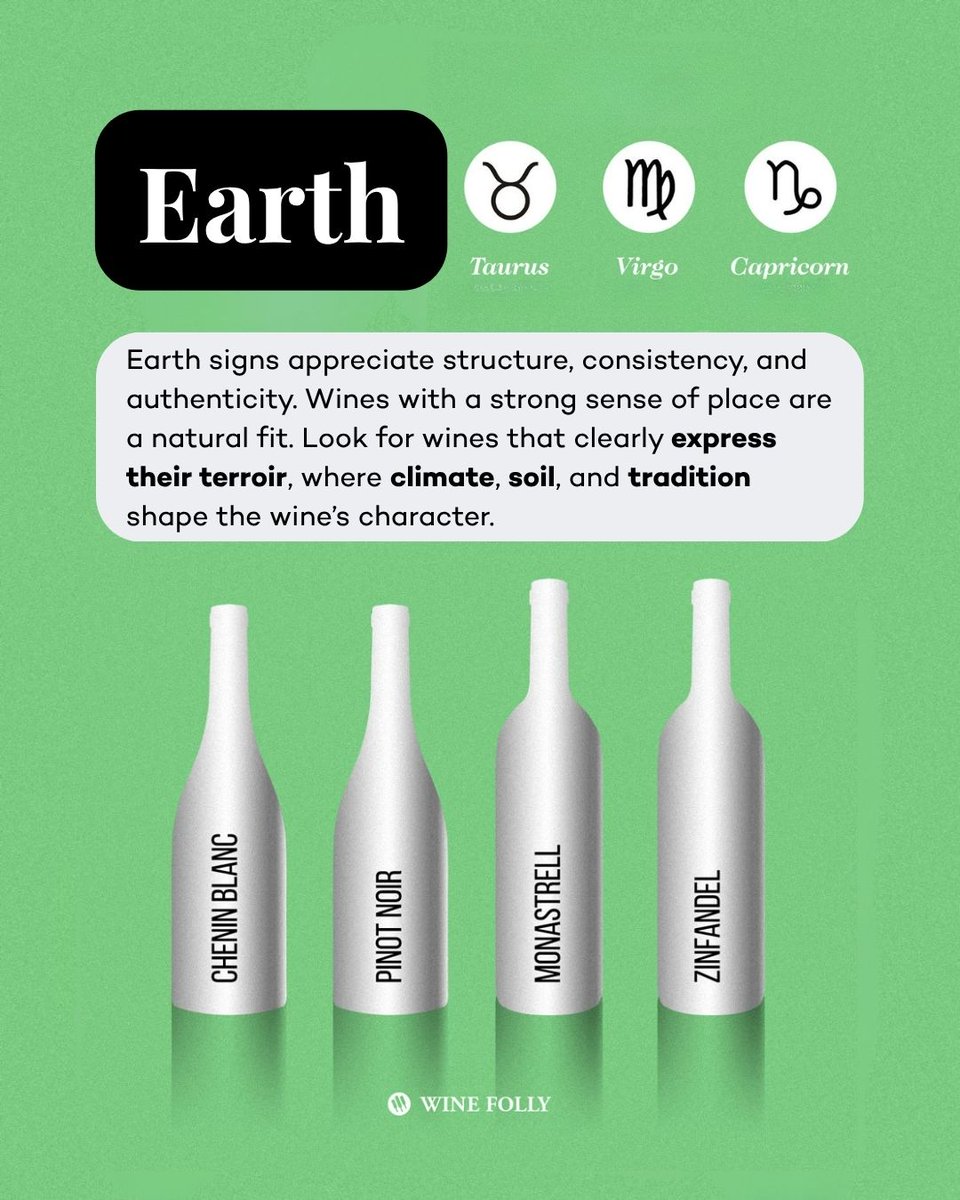
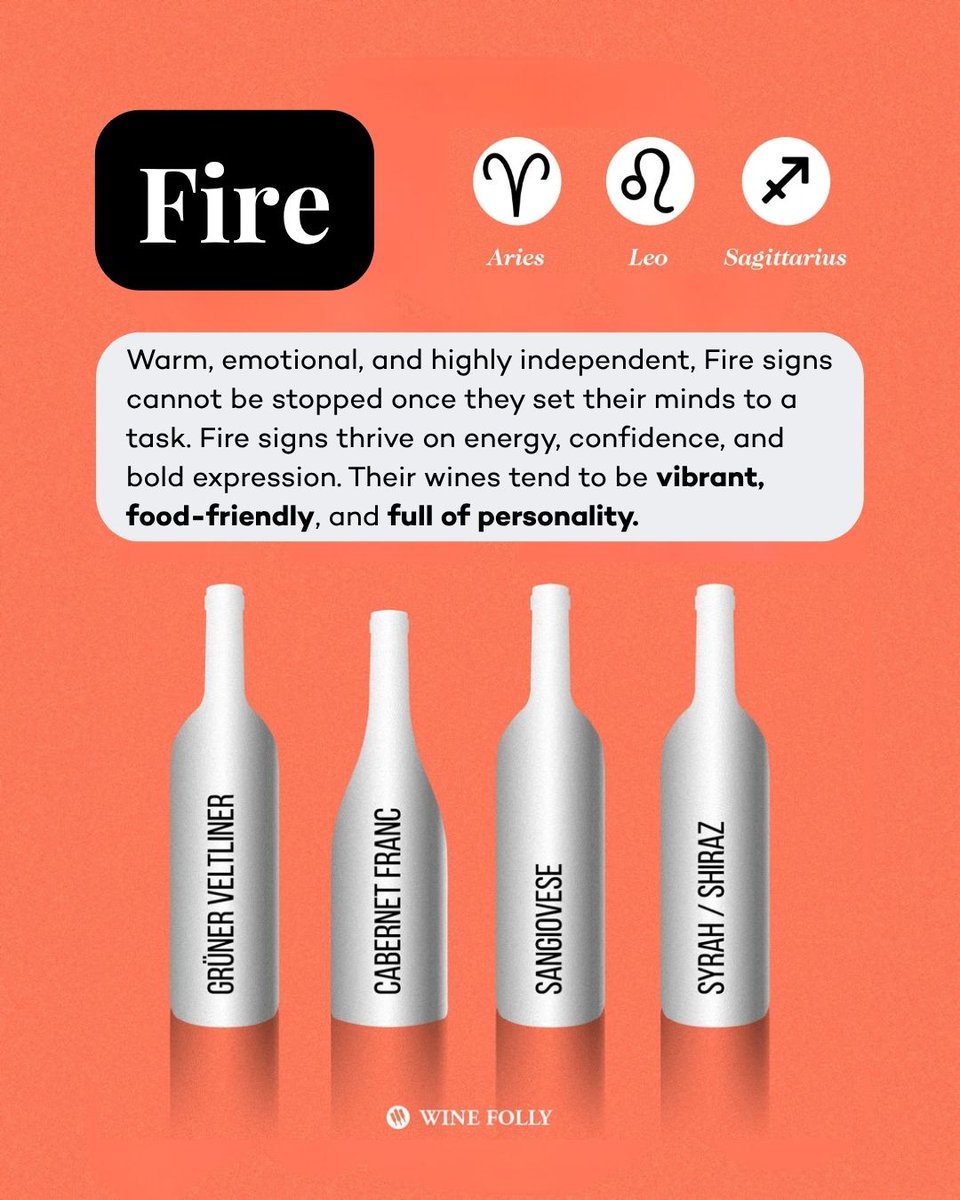
The zodiac might be fiction for some, but it does make a surprisingly amusing lens for exploring wine styles, structure, and personality in the glass.
Fire Signs (Aries, Leo, Sagittarius)
- Wines with energy, lift, and bold expression
- Think bright acidity, generous fruit, and confident structure
- Examples: Syrah, Sangiovese, Barbera, Cabernet Franc, Valpolicella, Nero d’Avola
Earth Signs (Taurus, Virgo, Capricorn)
- Wines grounded in structure, texture, and sense of place
- Often defined by balance, depth, and steady complexity
- Examples: Pinot Noir, Grenache, Assyrtiko, Chenin Blanc, Montepulciano, Zinfandel
Air Signs (Gemini, Libra, Aquarius)
- Styles that move easily between occasions and moods
- Aromatic whites, sparkling wines, and fresh, lifted reds
- Examples: Champagne, Chardonnay, Riesling, Sauvignon Blanc, Mencía, Zweigelt
Water Signs (Cancer, Scorpio, Pisces)
- Wines shaped by depth, nuance, and layered flavor
- Often structured, expressive, and contemplative in profile
- Examples: Merlot, Malbec, Nebbiolo, Tempranillo, Bordeaux-style blends, Viognier
Learn your wine sign https://t.co/GqICaYLBUE
#zodiac #firesign #watersign #earthsign #airsign
You don’t need to memorize grape varieties, regions, vintages, and tasting notes to enjoy wine. In reality, getting more out of a bottle often comes down to just four simple choices:
🍷 Color: The shade of a rosé can tell you a lot. Pale pink wines often means light-bodied, while darker hues are often more full-bodied.
🥂 Glass: The right glass isn't about being fancy. A tulip-shaped glass helps concentrate aromas, and because so much of flavor comes from smell, that means a more expressive wine in every sip.
❄️ Temperature: Too cold, and the aromas stay hidden. Let your rosé sit for a few minutes after taking it out of the fridge and you'll notice more fruit, more character, and more flavor.
⏳ Time: Most rosés aren't built for long-term cellaring. They're meant to capture freshness, vibrancy, and youthful fruit. In other words: don't save the good bottle for "someday."
Paid partnership with @SantaMargheritaUSA. Bright fruit, fresh, and effortlessly drinkable—this is rosé, the Santa Margherita way.
#wineeducation #roséwine #italianwine
Whole cluster fermentation is one of the oldest tricks in the winemaking playbook. Instead of removing the grapes from their stems before fermentation, winemakers ferment entire grape clusters, stems and all.
What stems can contribute:
• Floral aromatics like violet and peony
• Baking spices, black pepper, and incense
• Herbal notes ranging from fresh thyme to dried sage
• Firmer tannins and more structure
• A lifted, energetic texture
But whole cluster isn't a shortcut to complexity.
Stem ripeness, grape variety, climate, and fermentation method all influence the final wine. Green, unripe stems can produce harsh herbal flavors, while well-lignified (woody, mature) stems often contribute more savory spice and aromatic complexity.
Some of the world's most celebrated whole-cluster wines come from:
• Pinot Noir in Burgundy and Oregon
• Syrah from the Northern Rhône
• Gamay made with carbonic maceration in Beaujolais
• Grenache from regions where freshness and perfume are prized
Learn more at https://t.co/NNRgwSzEaV
In southern France, rosé appears in everyday drinking culture. That’s the philosophy echoed in the southern French lifestyle of @cotemas_wines, where wine is about shared tables and the idea of slowing the day down, taking the scenic route, and enjoying life’s big little luxuries.
Educational content proudly supported by @cotemas_wines and @paulmaswines
🎯 Learn more at https://t.co/S1h5RvKUm2
Rosé sits in a strange category in wine: technically simple in structure, but endlessly expressive in context. It’s made from red grapes, but it doesn’t behave like a red wine. It borrows color, aromatics, and texture from a process that is deliberately brief — skin contact measured in hours, not weeks — which is why the final wine feels lighter, fresher, and more immediate.
Educational content proudly supported by @cotemas_wines and @paulmaswines
🎯 Learn more at https://t.co/S1h5RvKUm2