One Season, 20 Farmers and a Harvest Worth ₹25 Lakh!
In Rudarpur and Govindpur villages of Gumla district, Jharkhand, Across 28.5 acres,farmers adopted improved cultivation practices leading 68,200 kg of fresh chilli produced, ₹30.69 lakh in gross revenue and ₹25.40 lakh
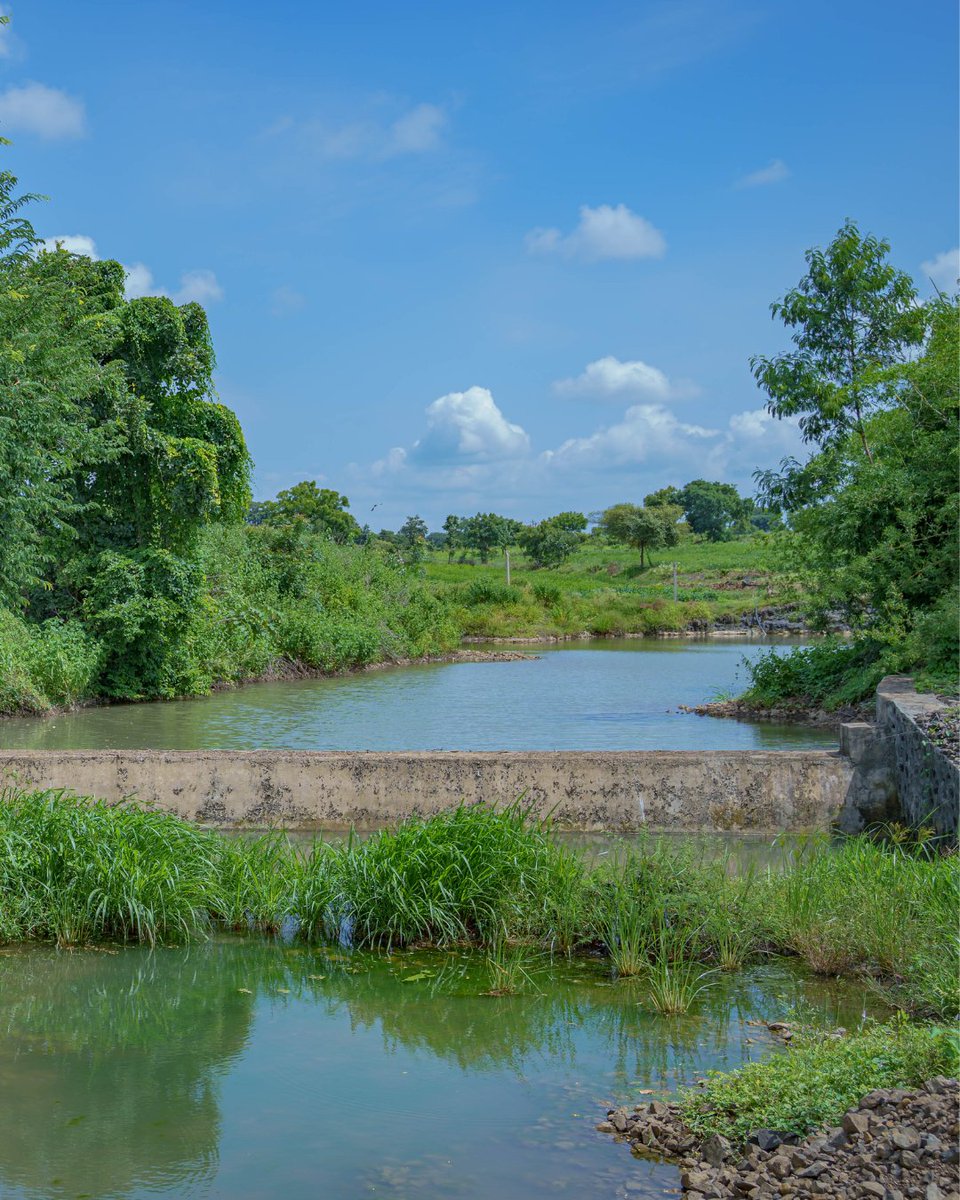
In 2025, a Cement Nala Bund's repair in Badalgaon, Karnataka, added 1.5 million litres of storage capacity for the community.
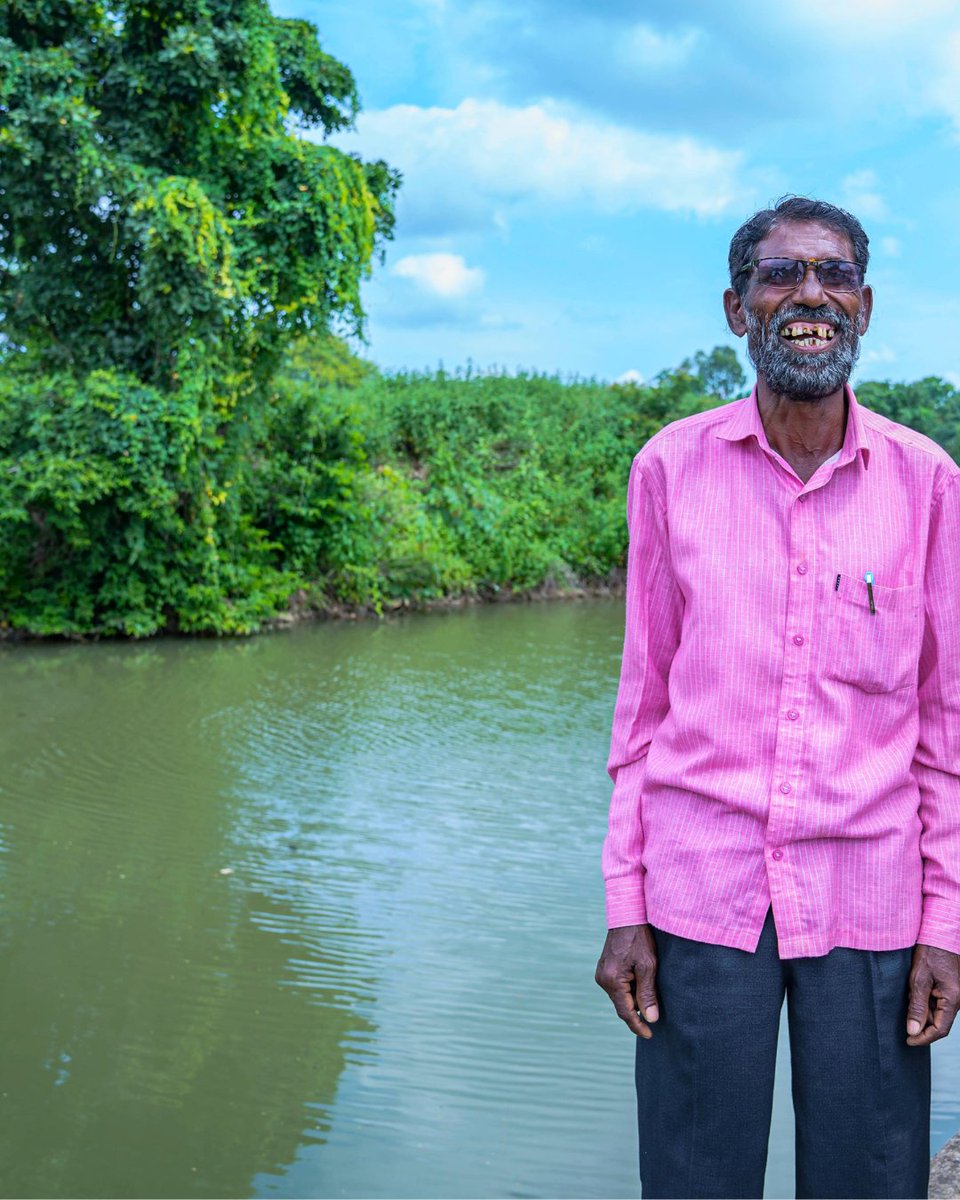
With water availability now, Govind, a local resident has expanded from crops into horticulture and vegetable cultivation!
At UNCCD COP17, Marcella D'Souza, Founder-Director, W-CReS (WOTR Centre for Resilience Studies) spoke on the synergies between land degradation, drought, and climate action.
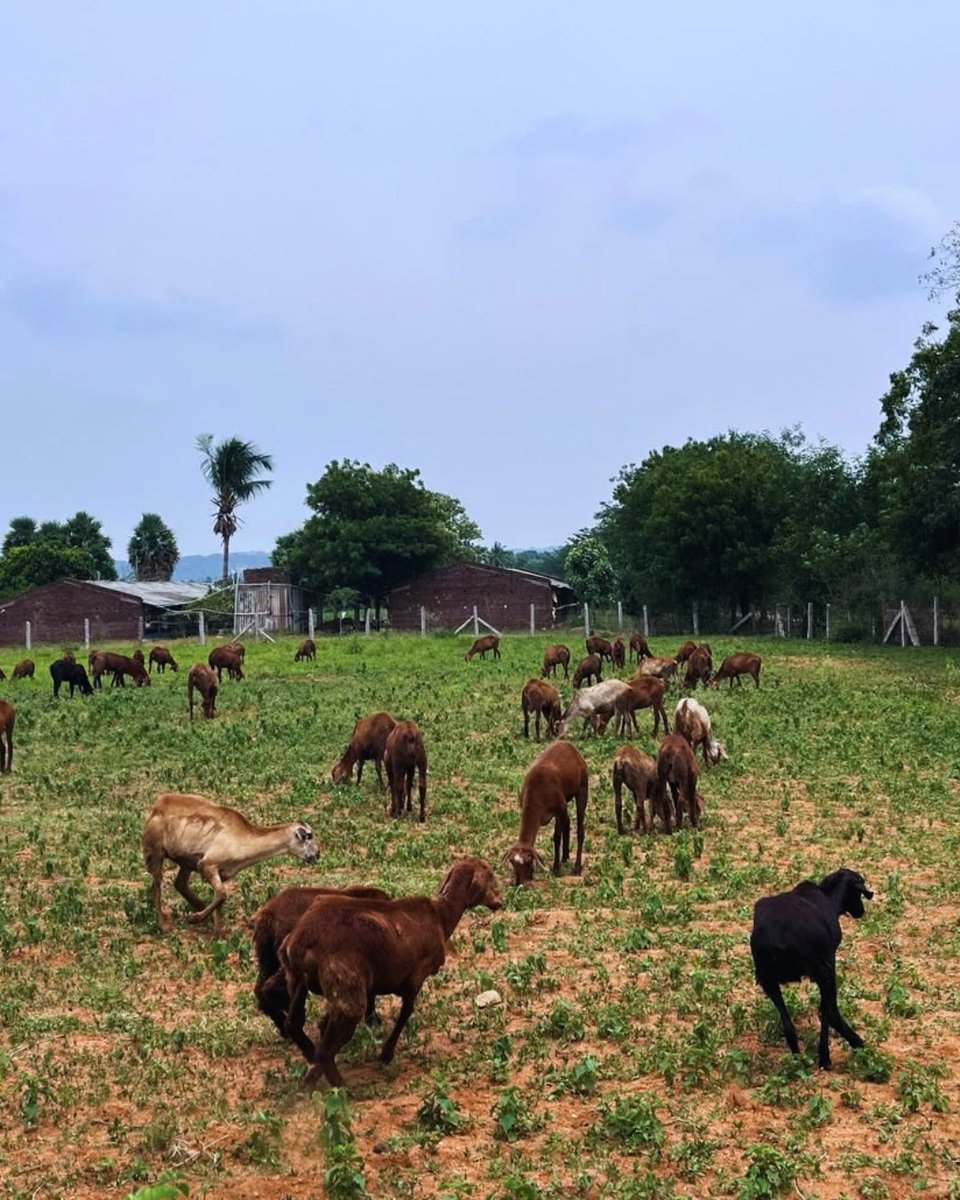
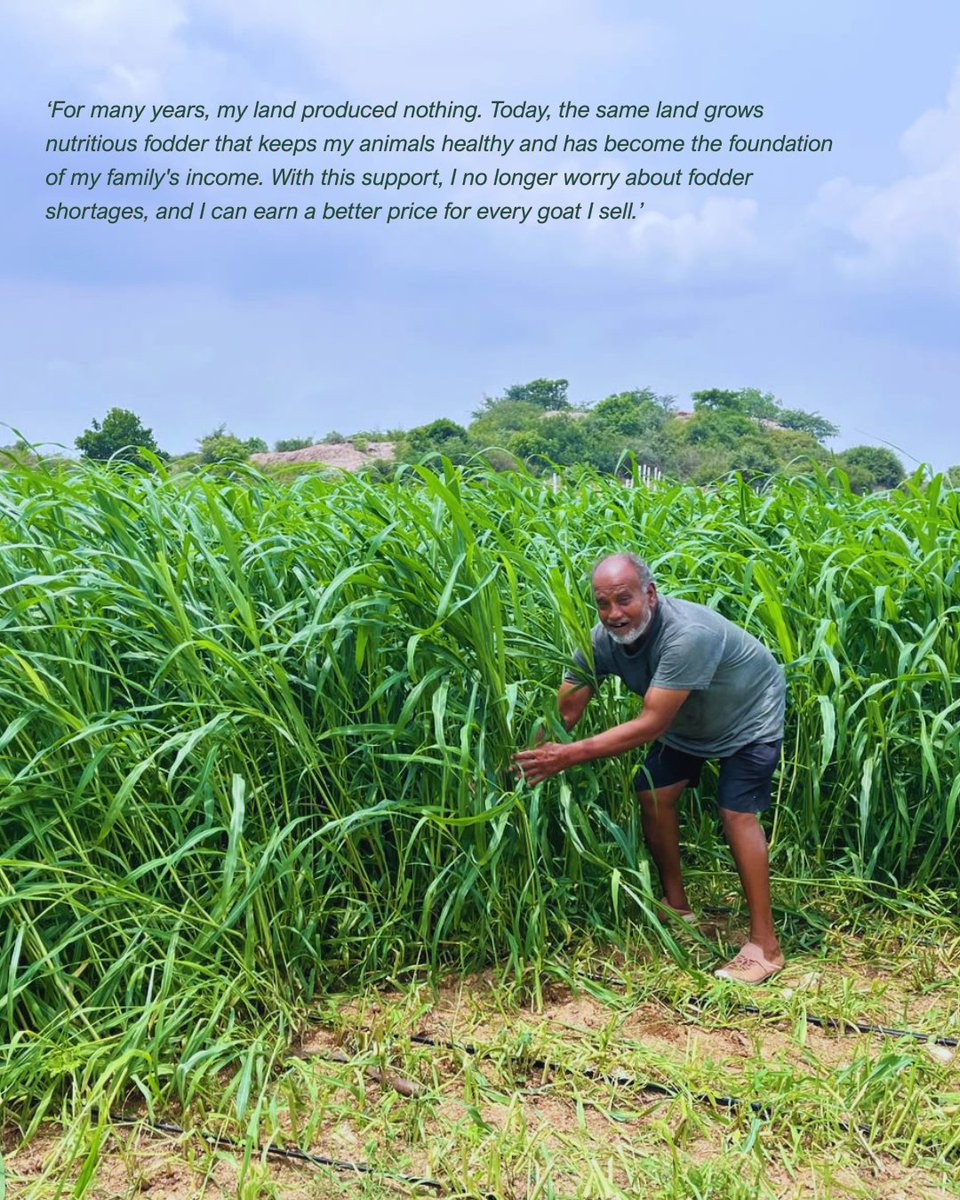
For 15+ years, Mirza Mohammad Ali Bek’s 1.25 acres in Arutla, Telangana lay barren. With improved fodder seeds and drip irrigation, supported by @SwissRe, it now grows nutritious fodder, supporting healthier livestock and raising his annual income to ₹5 lakh.
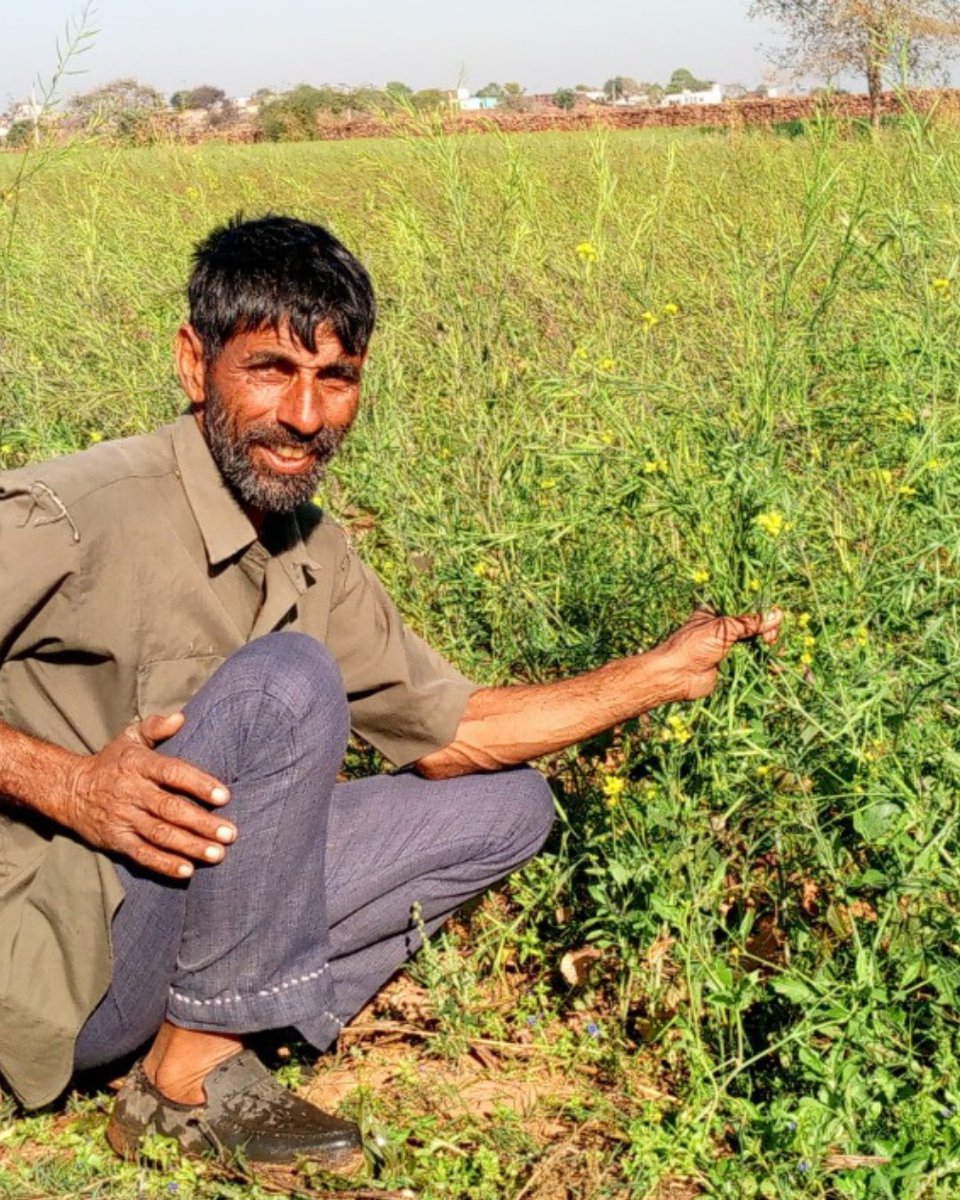
For Shreeful Meena of Kasiyapura, Rajasthan, farming for a family of 15 meant making every drop count. With traditional flood irrigation, 2 bighas took nearly 12 hours to irrigate. Then came the sprinkler.
The results:
-40% less water used
-2× land irrigated
-Irrigation time cut from 12 to 8 hours
-Mustard yields rose from 5 to 6 quintals/bigha
-Wheat yields rose from 9 to 11.5 quintals/bigha
-Annual household income jumped from Rs 1 lakh to Rs 1.7 lakh
Have you ever seen a nala cutting through a farm? Do you know why watershed professionals and farmers bother deepening and widening it?
Picture this: monsoon rain comes crashing down, and this narrow, silted-up nala just can't keep up.
No water for the dry spells.
All that rain, gone. This issue needs deeper digging, literally.
When the same nala is deepened and widened, it can actually hold the runoff instead of just rushing it away. The water sits, slows down, & sinks into the ground, recharges wells.
The water sits, slows down & sinks into the ground, recharging wells, feeding soil moisture.
Pair that with a check dam or bund, and you're not just moving water anymore, you're storing it underground for future.
#WOTR#WOTRat32#WOTR4Development#Watershed#WaterSecurity
No water left to see the crop through the dry spells.
All that rain, gone. This issue needs deeper digging, literally.
When the same nala is deepened and widened, it can actually hold the runoff instead of just rushing it away.
For the first time ever, paddy irrigation was supported. followed by a second season of farming .
As one farmer put it: “Pehle sab kuch barish par nirbhar tha, ab paani apne paas hai.”
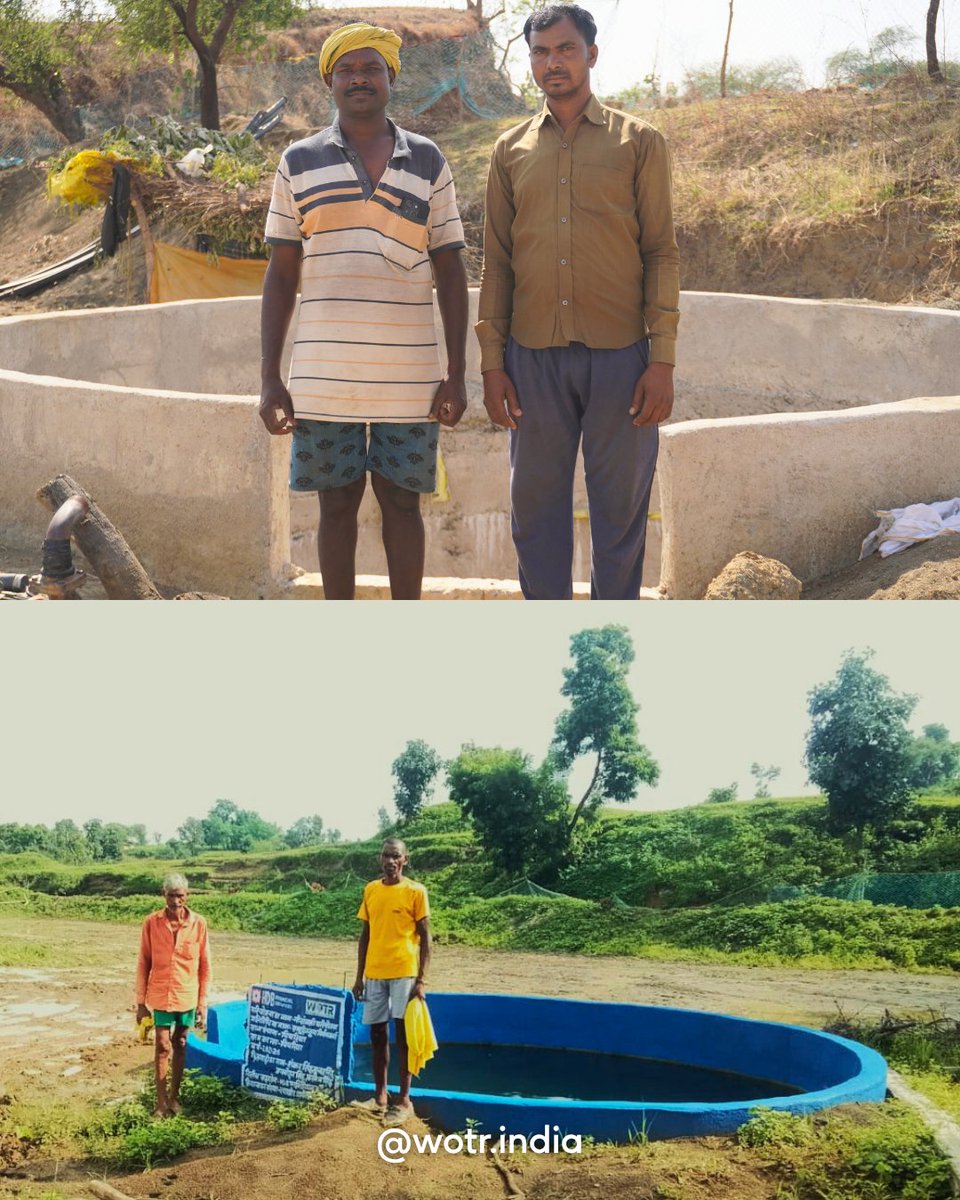
One Dug Well. Nine Acres. A Second Season of Farming Income.
#DugWell#WaterSecurity#Rabi
#FromTheField | “Zameen Bilkul Sukhi Pad Jaati Thi.” Until One Dug Well Changed That.
For farmers in Chhattisgarh, the rhythm is pre-decided: Kharif ends, water runs out, farming stops.
#WOTR#WOTRat32#WOTR4Development
For five farmers from Pipariya village, that meant their 9 acres lay dry after the monsoon while they resorted to daily wage work.
Then came one dug well.
Built in September 2025 by WOTR, supported by @hdbfsl , this well was about to change their usual post-monsoon routine.
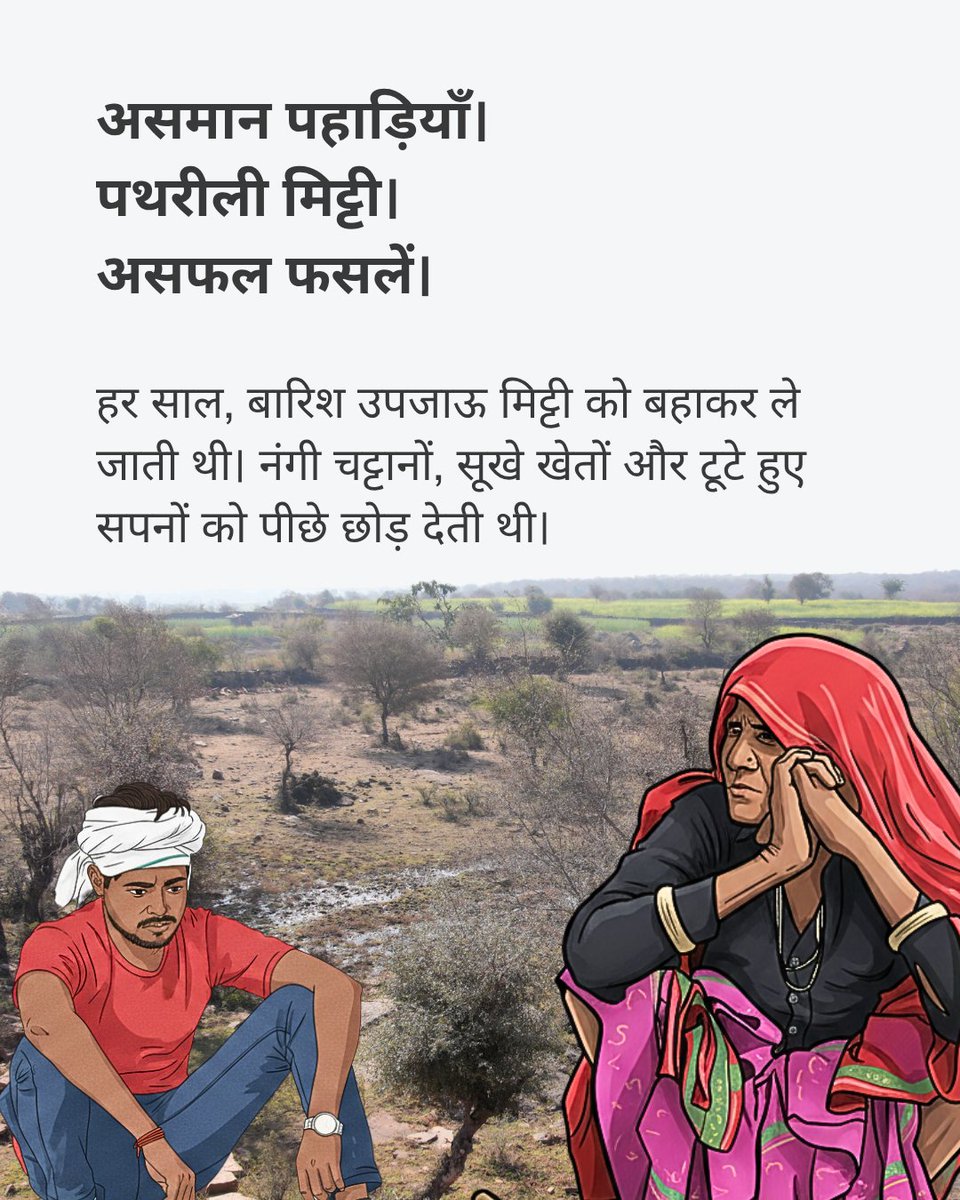
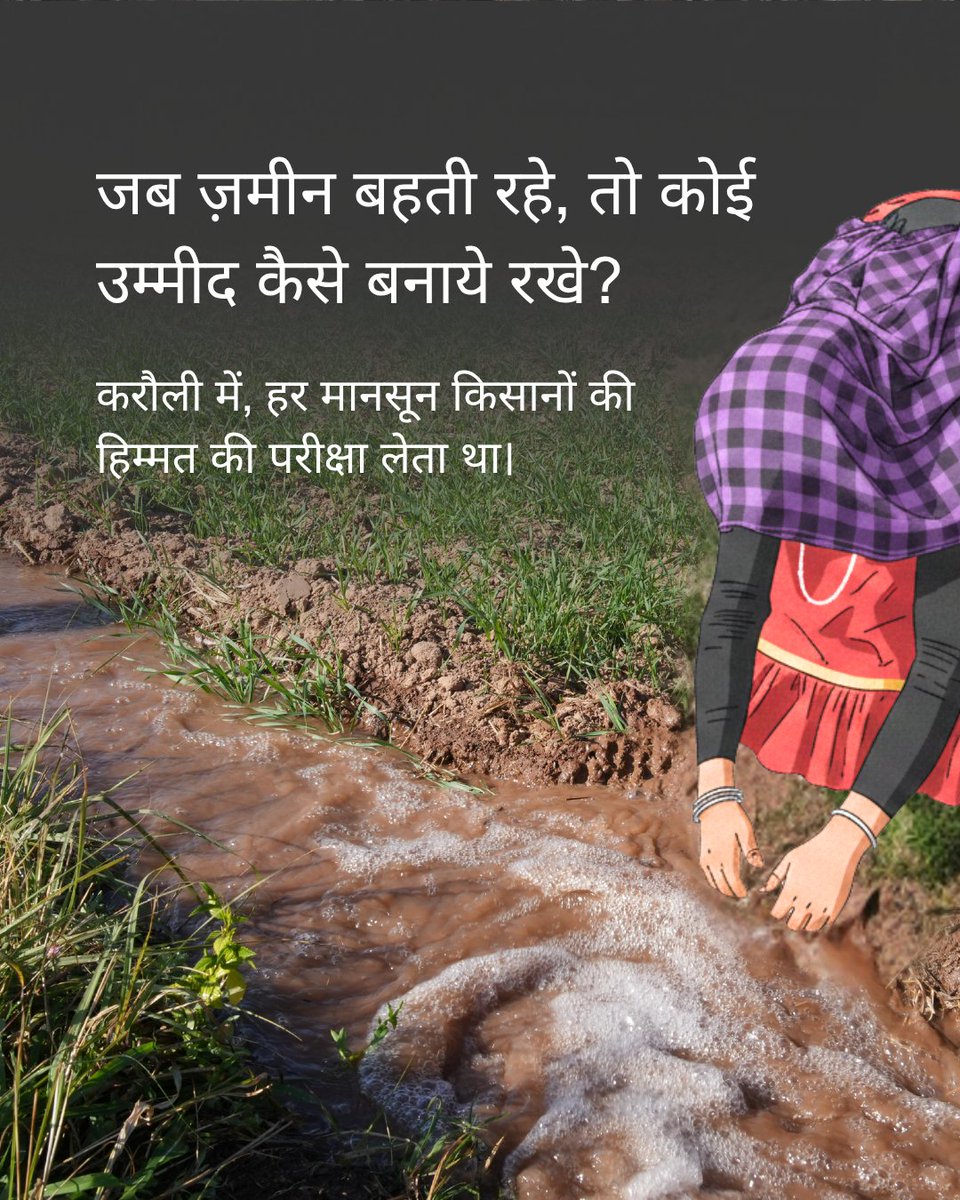
करौली में, एक समय मानसून का मतलब सिर्फ 'नुकसान' होता था।
जैसे-जैसे फसलें असफल हुईं, कई किसान पत्थर की खतरनाक खदानों में काम करने को मजबूर हो गए।
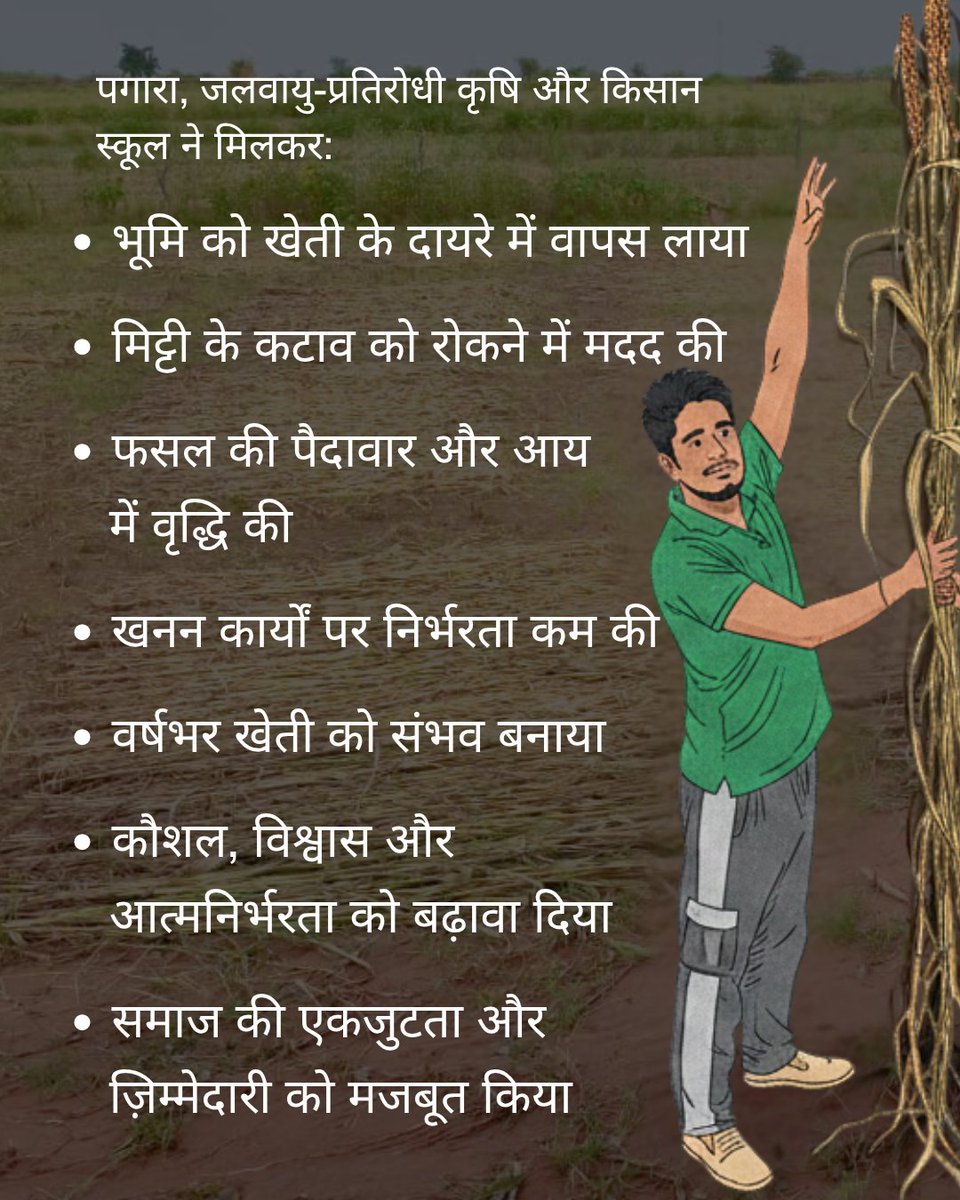
@Genpact के सहयोग से WOTR की 'डांग जलसंचय परियोजना' के तहत, पारंपरिक पगारे बनाए गए और पुराने पगारों की मरम्मत की गई।
किसानों ने 'किसान पाठशाला' (Farmer Field Schools) में 'जलवायु प्रतिरोधी कृषि' के बारे में सीखा और वह करना शुरू किया।
धीरे-धीरे, खेत वापस लाए गए। आय में स्थिरता आई। पानी की आसान पहुँच से महिलाओं को राहत मिली। बच्चों ने खेती को एक भविष्य के रूप में देखना शुरू किया।