The Daugherty Water for Food Global Institute at the University of Nebraska works to ensure a water and food secure world via research, education and policy.
💧 More than 85% of Nebraskans rely on groundwater for drinking water, making it one of our state's most valuable resources. Protecting groundwater starts with understanding it.
Through the Nebraska Water Center's Know Your Well program, students, educators and well owners are learning more about the water beneath their feet through water quality testing, hands-on education and community partnerships.
Learn how this program is helping build awareness, encourage well testing and inspire the next generation of Nebraska water stewards: https://t.co/RgjL3odOQq
🆕 #Blog: Are subsidies the solution for “costly” small-scale irrigation technologies?
🖋️ Claudia Ringler (IFPRI) & Nicole Lefore (@waterforfood)
🔗 Read more here: https://t.co/alcXKKPqHH
@CGIAR@u_nebraska
For decades, large-scale water projects have been seen as the path to growth and food security.
But what if they come at a cost?
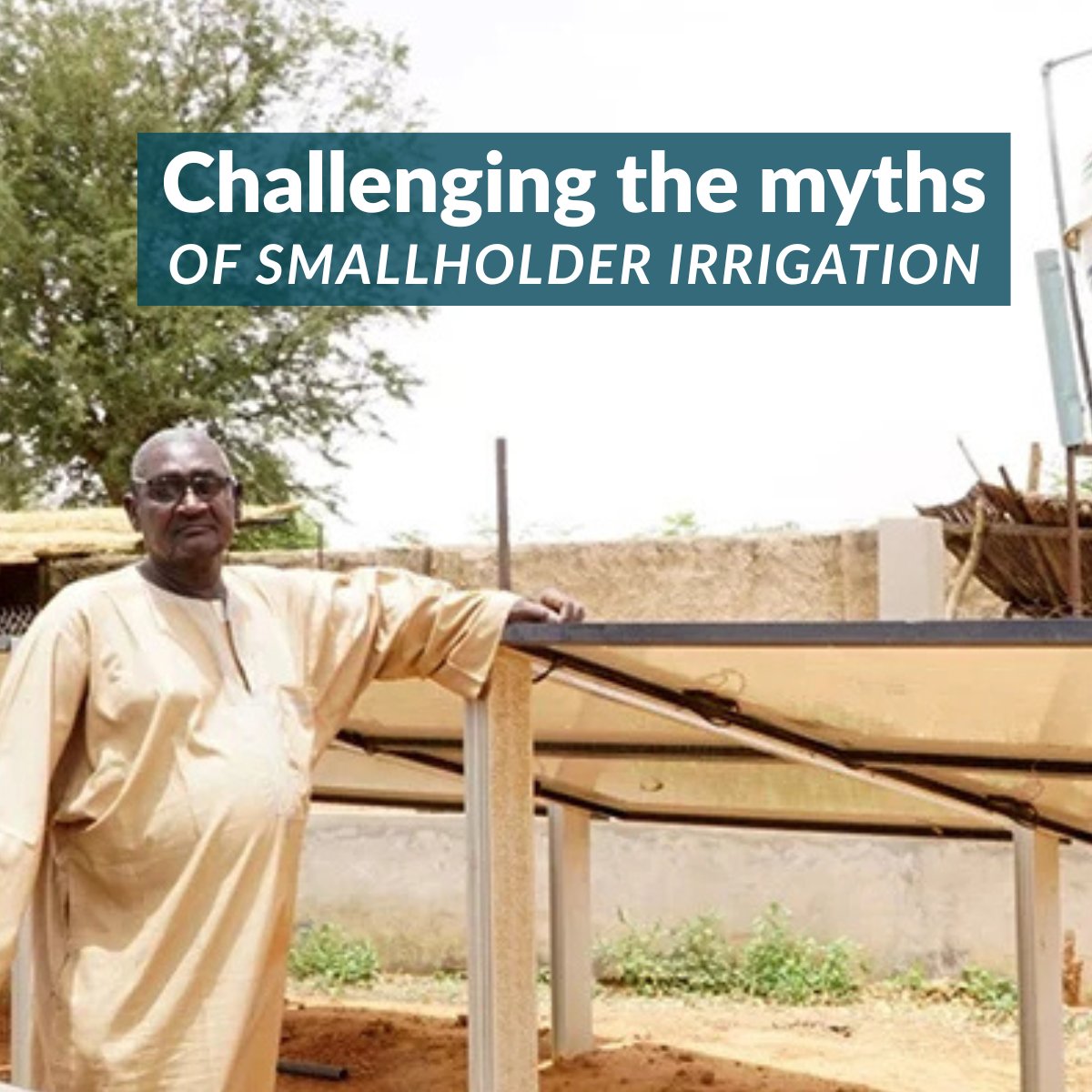
In Niger, a billion-dollar dam project remains incomplete after years of investment—while smaller, more flexible solutions like small-scale irrigation could have delivered faster, broader benefits.
In the final installment of our series exploring the myths of smallholder irrigation, this blog by Dr. Douglas Merrey explores the tradeoffs of large projects and what they mean for development decisions: https://t.co/UHoiONL4ih
Nebraska Extension will host a free June 11 webinar, Management Options in Drought, to help producers navigate ongoing dry conditions and management decisions.
Register: https://t.co/4FRCRpx3yp
DWFI works to address today’s agricultural water management challenges while building the partnerships, knowledge and innovation needed for tomorrow. 💧
We are proud to be a part of the Institute of Agriculture and Natural Resources at the University of Nebraska–Lincoln and contribute to the university's land-grant mission by connecting research, teaching and extension with communities in Nebraska and around the world!
The land-grant university system helped shape America, and Nebraska is helping lead its future.
Since 1869, @UNLincoln has connected research, teaching and @UNLExtension to serve Nebraskans across all 93 counties.
In many Sub-Saharan African countries, less than 5% of renewable groundwater is used. Yet, irrigation development is often approached with extreme caution due to concerns of water scarcity.
What if the bigger risk isn’t overuse—but underinvestment?
As part of our series exploring the myths of smallholder irrigation, this blog discusses the tradeoffs between water sustainability, food production and economic growth: https://t.co/hOwrGCGdEL
This is the last week to register for the 2026 Water and Natural Resources Tour! Don't miss your opportunity to learn about the Republican basin from local experts - register today at https://t.co/3U5KeV7lWO 💧
A brief published by researchers at DWFI and the @DroughtCenter highlights the complex intersection water law, resource management and agricultural development across Tribal lands in the United States. Read more: https://t.co/H2iryLWzn0
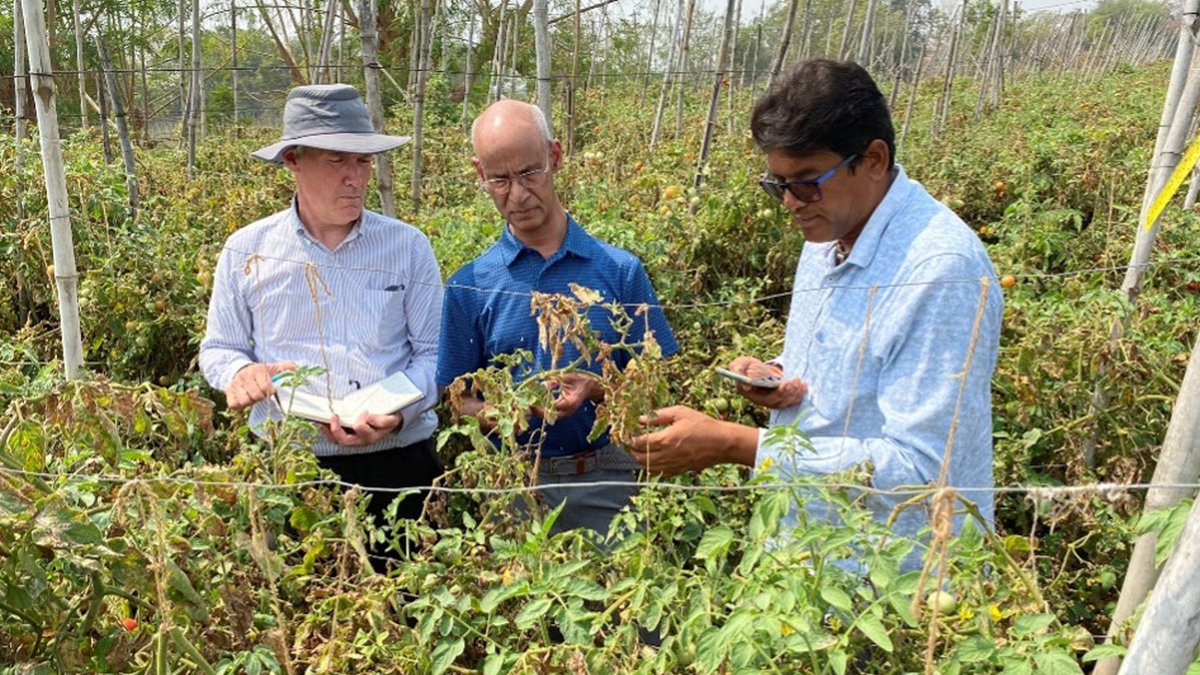
Global collaboration continues to be essential to advancing practical water and food solutions. Nebraska Water Center Director Chittaranjan Ray and Senior Program Manager Jude Cobbing were recently in India, presenting at an international symposium, strengthening research partnerships, delivering training courses and learning from agricultural innovations on small- and medium-sized commercial farms.
In the latest issue of @IrrigationToday, DWFI's @RenataRimsaite makes the case that crop diversification is an important strategy for water risk management and economic resilience. However, policy, technology and markets must evolve together to make adoption genuinely feasible for producers working on tight margins.
Read the article: https://t.co/T2kz1k7Doi
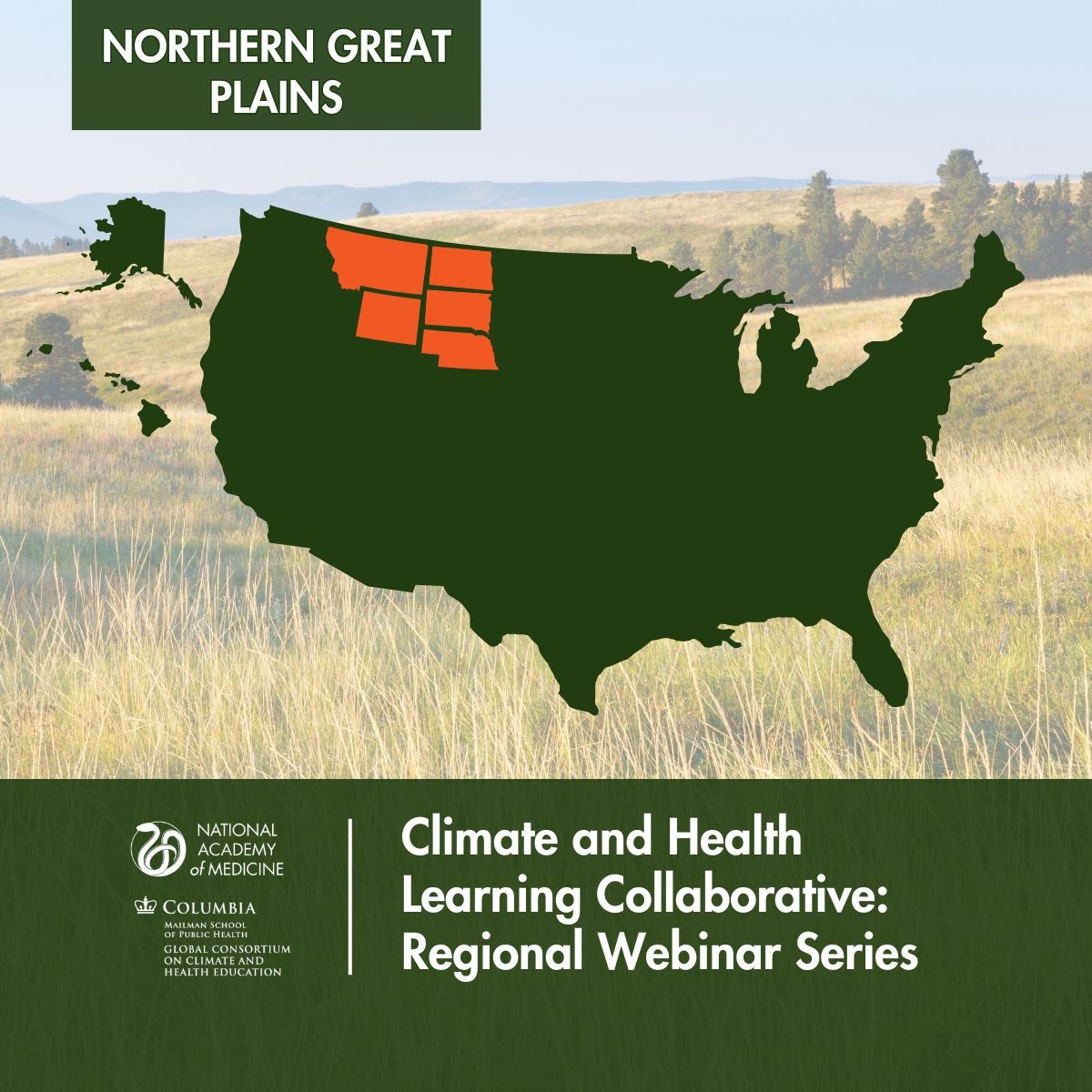
Join @UNMC_WCHP's @JesseEugeneBell and Summer Woolsey on May 21 for the National Academy of Medicine's Climate and Health Learning Collaborative webinar.
Their session will cover integrating climate and health into medical education, engaging public health and medical students in applied work, and advancing drought preparedness and health communication for healthcare providers and public health departments.
Register here: https://t.co/tvvFr7NWRj
For more than 20 years, Nebraska Kids Fitness and Nutrition Day has helped students learn about healthy eating and physical activity, often with limited resources.
At a workshop hosted by DWFI’s Water, Climate and Health Program, which brought together leaders across agriculture, water, nutrition and health, a single conversation helped secure five years of funding to expand the program’s reach to thousands of Nebraska students.
It’s a powerful example of how bringing the right people together can turn ideas into action, and deliver lasting benefits for communities.
🔗 Read more: https://t.co/4U7742kIuK
Small-scale irrigation is too expensive, so subsidies are the solution.
That’s the common thinking. But the reality is more complex.
Across multiple countries, barriers like lack of water access, limited information, and weak supply chains often matter just as much—if not more—than cost.
Focusing only on price risks missing what actually enables farmers to adopt and succeed.
Read more: https://t.co/i7xBYZjqE8
"Addressing water scarcity in agriculture is an important and complex issue that all states manage differently. Hearing about Texas’ regional approaches to these water problems was enlightening."
After attending the 2026 Water Law Symposium, DWFI’s Rebecca Carillo shares key takeaways from Texas, where groundwater challenges, policy changes and on-farm decisions are increasingly interconnected.
Read more: https://t.co/33iYzuuRPN
Research by DWFI Postdoctoral Research Associate Harshanee Jayasekera; DWFI Faculty Fellow and UNL Agricultural Economics professor Taro Mieno; and University of Minnesota graduate student and former UNL student Shunkei Kakimoto has been cited in the development of actionable items for protecting groundwater in Nebraska’s Water Quality and Quantity Task Force Final Report.
The study, based on more than 2 million nitrate records from wells across the state, helps show how policies like Wellhead Protection Areas can improve groundwater quality over time.
Its inclusion in the report highlights the role of science and long-term data in shaping decisions that protect Nebraska’s water resources.
Read Jayasekera's October 2025 blog describing their finding's: https://t.co/stYWtB2NEL
Meet DWFI's new Executive Director Joe Sanders, whose career spans 27 years of irrigation and agricultural development across the globe.
Now based in Nebraska, he’s focused on building on the state’s strengths in groundwater management and irrigation innovation—strengthening local partnerships while extending that expertise to global challenges.
Listen to our latest podcast interview with Sanders: https://t.co/7GcFSW6fNV
Learn more: https://t.co/HgBiLzkI9N
Congratulations to DWFI Postdoctoral Research Associate Harshanee Jayasekera on receiving the IOP Publishing Outstanding Reviewer Award for Environmental Research: Water! 👏
Her commitment to rigorous peer review helps strengthen water research and supports DWFI’s mission to advance science for global food and water security.
Small farmers only grow enough to feed themselves.
That's a misconception.
On a single 80x120 ft lot in Omaha, small-scale producers grew 5,000 pounds of vegetables, comparable to large-scale yields.
With the right support, small farms can strengthen local food systems, improve access to fresh food and build more resilient communities.
Read more: https://t.co/uzJL8KHtkI