You can help protect Canada's freshwater!
At Watersheds Canada, we believe sharing our resources, expertise, and programs allows us to make the greatest improvement to freshwater health across Canada.
Learn more: https://t.co/9acVN56gnL💧
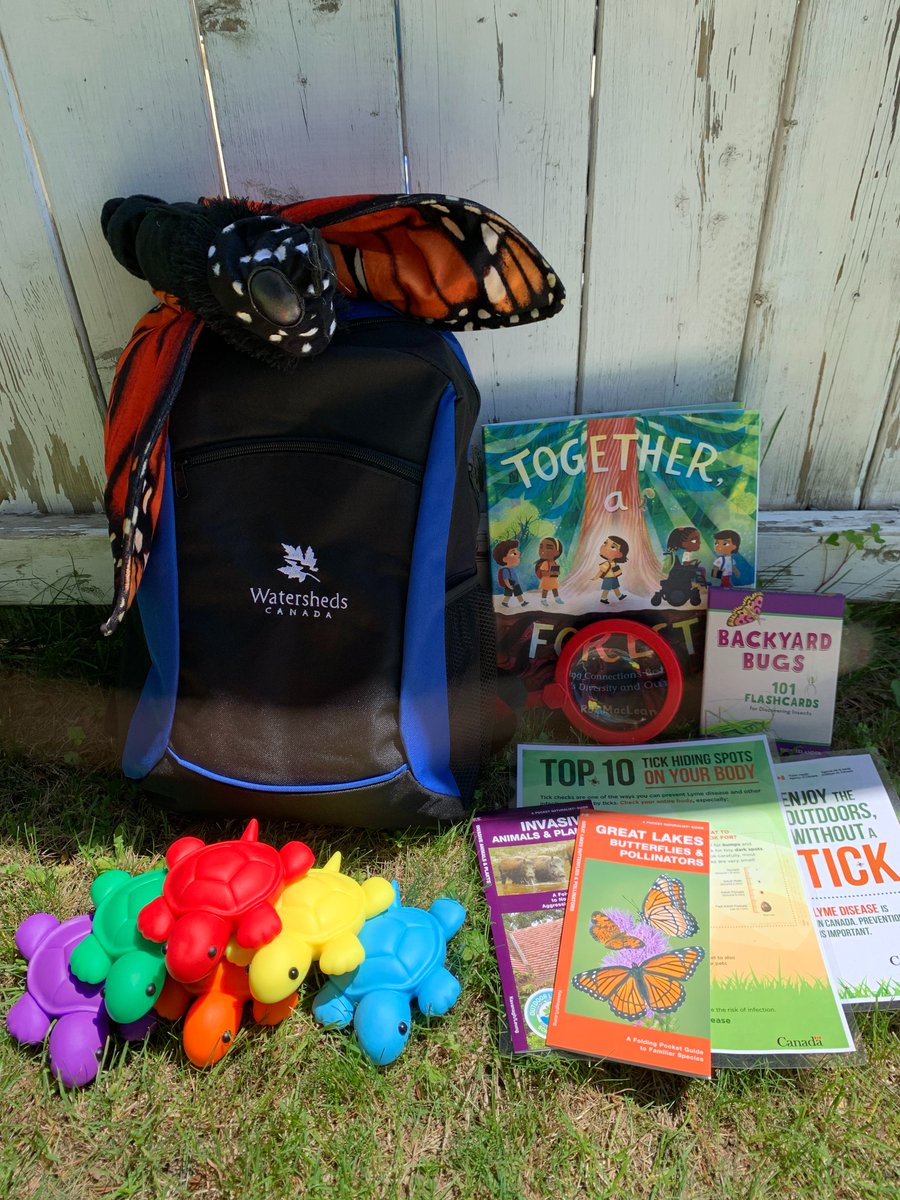
Eight new 'One Health' themed backpacks are now available for children, youth, and families using North Hastings Community Integration Association's services this summer!
One Health focuses on the idea that human and natural systems are interdependent on each other. One Health looks at human health, animal health, and environment health and how the interconnections are central to the well-being of all. You may have heard this concept also called 'All My Relations'. In many Indigenous cultures, the interconnectedness of all life shows our shared destiny and mutual reliance and respect.
This project is delivered in partnership with North Hastings Community Integration Association, with funding from @JLFoundation2 and @TD_Canada Friends of the Environment Foundation.
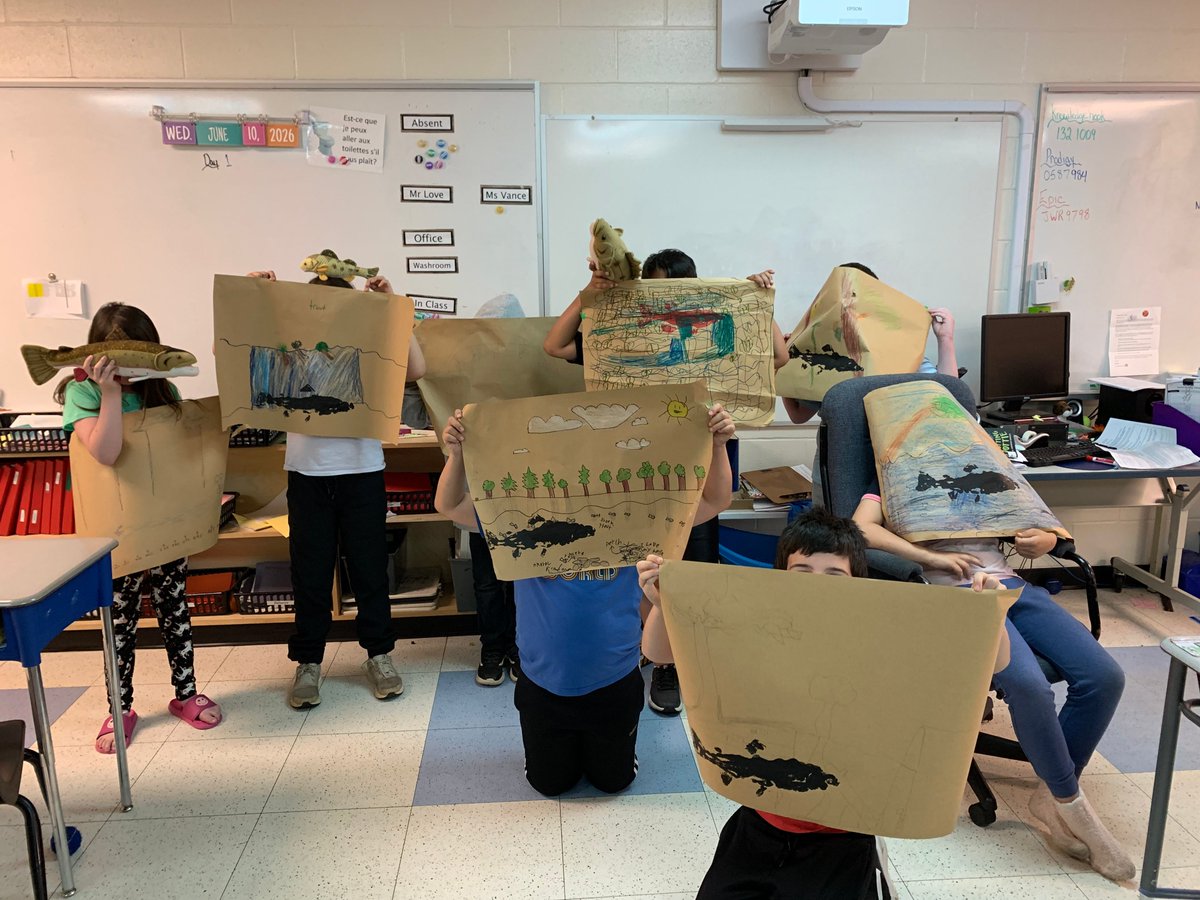
Students at York River P.S., Hermon P.S., Birds Creek P.S., and North Hastings High School in Bancroft, ON recently received 'One Health' workshops! One Health focuses on the idea that human and natural systems are interdependent on each other. One Health looks at human health, animal health, and environment health and how the interconnections are central to the well-being of all. You may have heard this concept also called 'All My Relations'. In many Indigenous cultures, the interconnectedness of all life shows our shared destiny and mutual reliance and respect.
This project is delivered in partnership with North Hastings Community Integration Association, with funding from @JLFoundation2 and @TD_Canada Friends of the Environment Foundation.
Give a gift that says it all, no matter the occasion! With our blank tribute card, you can send a personalized message for any reason. Whether it's to say thank you for visiting a friend’s cottage, or simply to show appreciation, your donation supports the protection of Canada’s freshwater for future generations.
Send a personalized eCard or print one to share in person. It’s a thoughtful way to show you care while making a positive impact.
A Canadian charitable tax receipt is provided for each donation, which will be emailed in the following calendar year of your donation (ex: 2026 donation, emailed in 2027).
Make every message count.
Visit https://t.co/Fy4iyyggZ6 to send your card today!
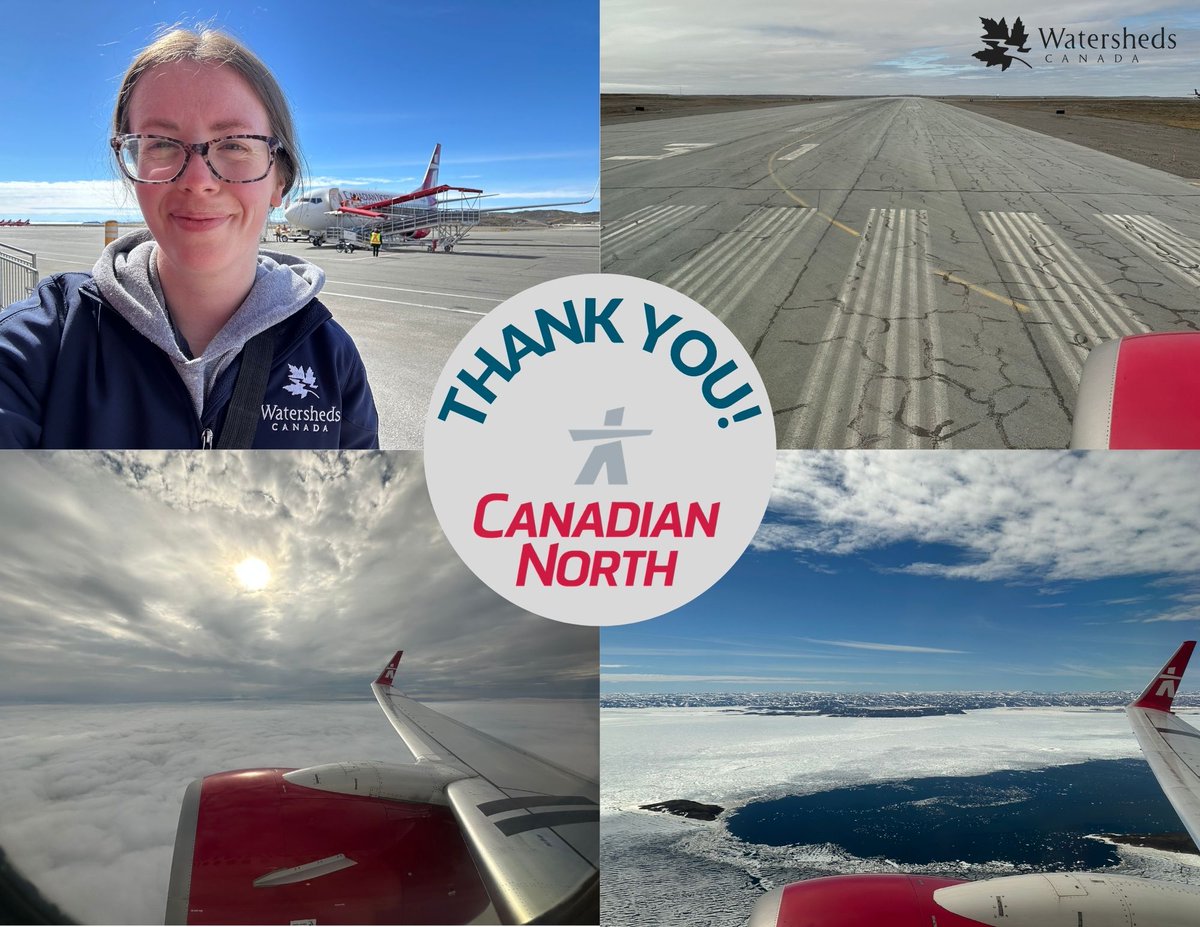
Watersheds Canada is thankful to @CanadianNorth for their sponsorship of a flight for our education programs lead, Monica, to travel to Yellowknife, NWT to deliver 9 education workshops and launch the first Nature Discovery Backpack lending library in Northern Canada alongside local partner, Yellowknife Public Library.
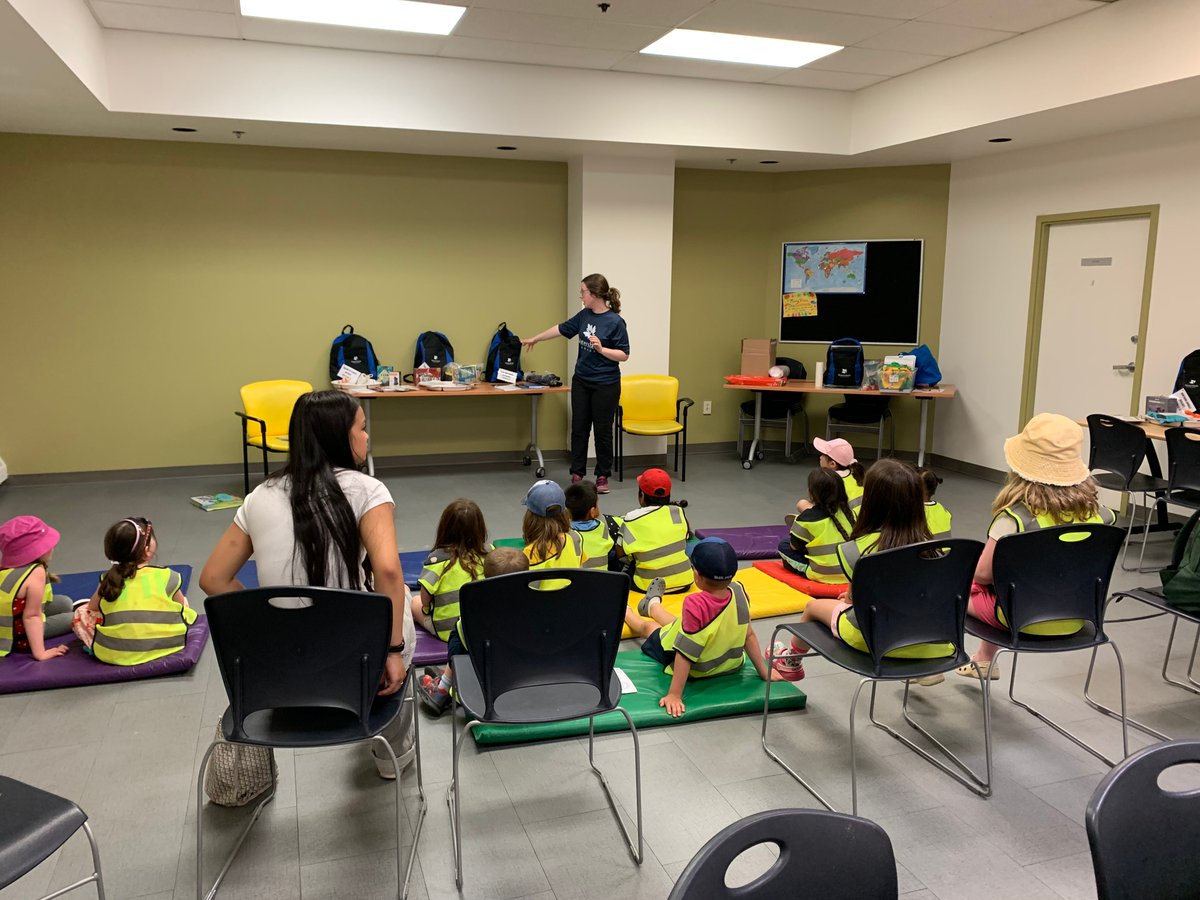
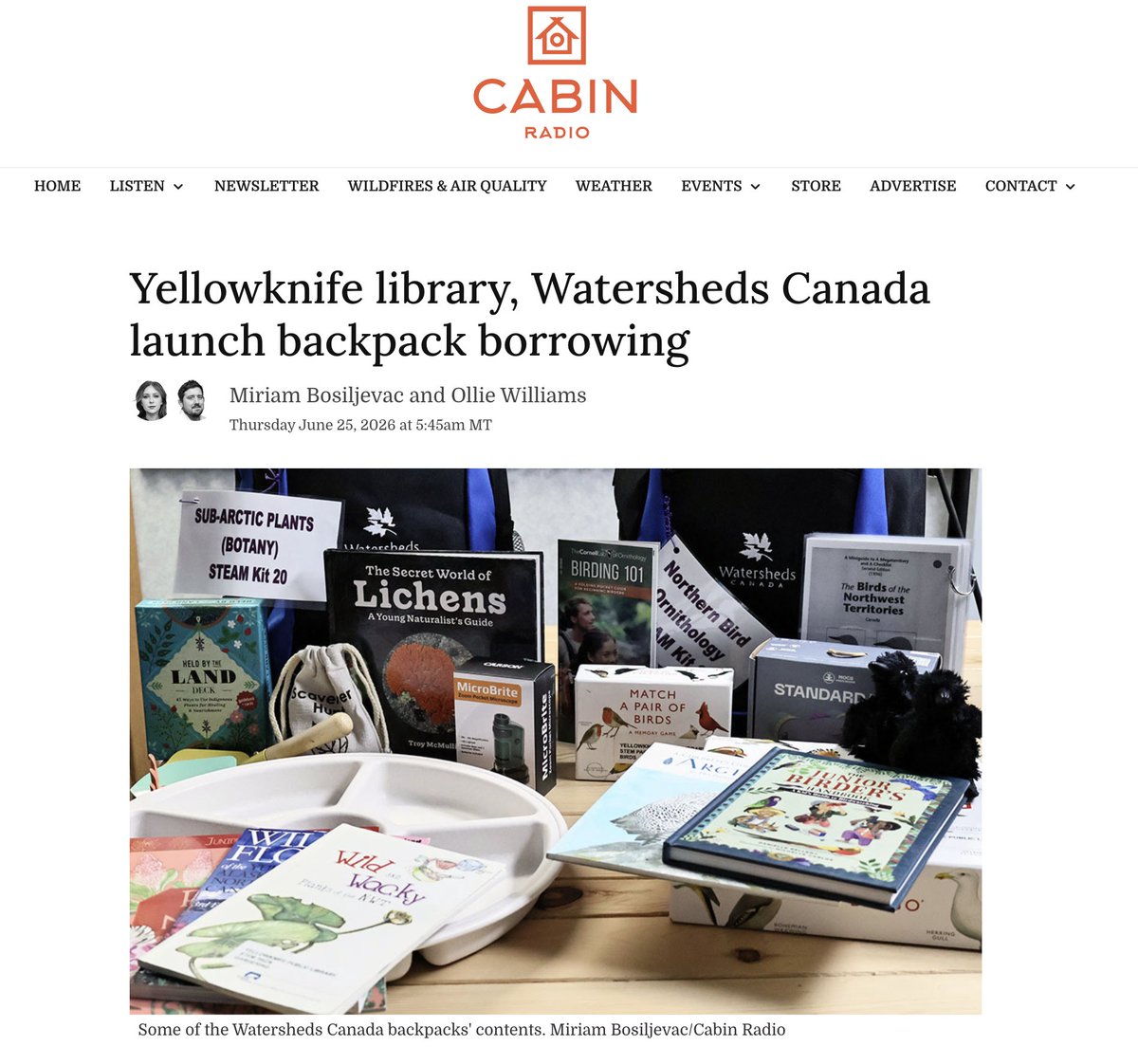
Watersheds Canada is officially delivering programming coast to coast to coast! A few weeks ago, we celebrated the launch of a new Nature Discovery Backpack lending library in Yellowknife, NWT. We welcomed over 80 people across four workshops to learn about the six new backpacks and 30+ nature-themed books now available for borrowing from the Yellowknife Public Library.
This project was made possible thanks to partner support from City of Yellowknife (Yellowknife Public Library), artist Melissa Clark, and translators Maro Sundberg and Stacey Drygeese-Sundberg. Funding support was provided by @HondaCanada Foundation, TD Friends of the Environment Foundation, @CanadianNorth, @OceanWeekCan, and @water_rangers.
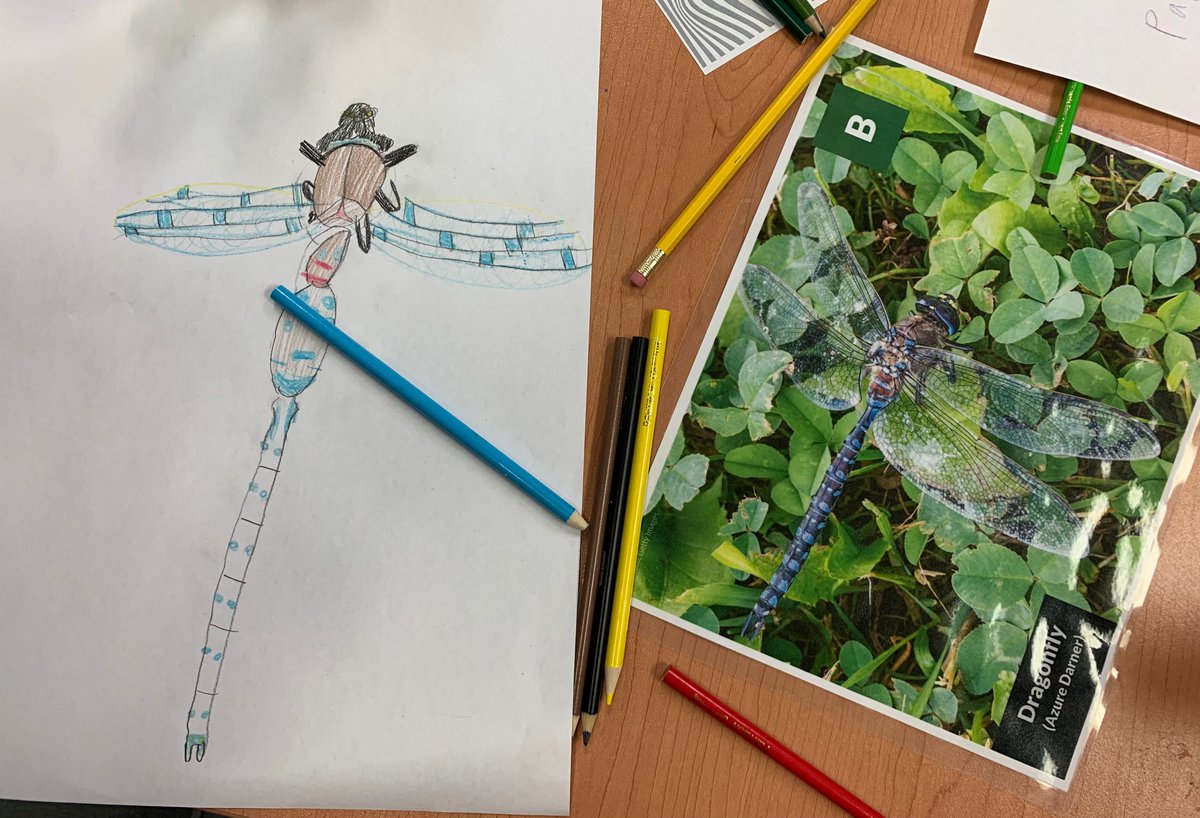
Watersheds Canada recently delivered 5 workshops at Mildred Hall School in Yellowknife, NWT! Grades K-8 students learned about insects, macroinvertebrates, bioindicators, lake health, and life cycles. Students took home information about local dragonflies, and a colouring book made by Yellowknife-based artist Melissa Clark that featured Wiìliìdeh Dene Yatì words translated by Maro Sundberg and Stacey Drygeese-Sundberg.
These workshops were made possible with support from @CanadianNorth.
Watersheds Canada is partnering with Wilfrid Laurier University to get Nature Discovery Backpacks to youth in Délı̨nę, NWT this summer! Each of the 30 backpacks are filled with items like invertebrate and water science tools, outdoors items to use while on the land, and Dene Kedǝ language materials. The backpacks will be used during an upcoming On the Land Camp. All backpacks and the camp are funded by @Laurier, and @braidingknowldg.
This marks Watersheds Canada’s second Nature Discovery Backpack project in the Northwest Territories, with the first being in Yellowknife.
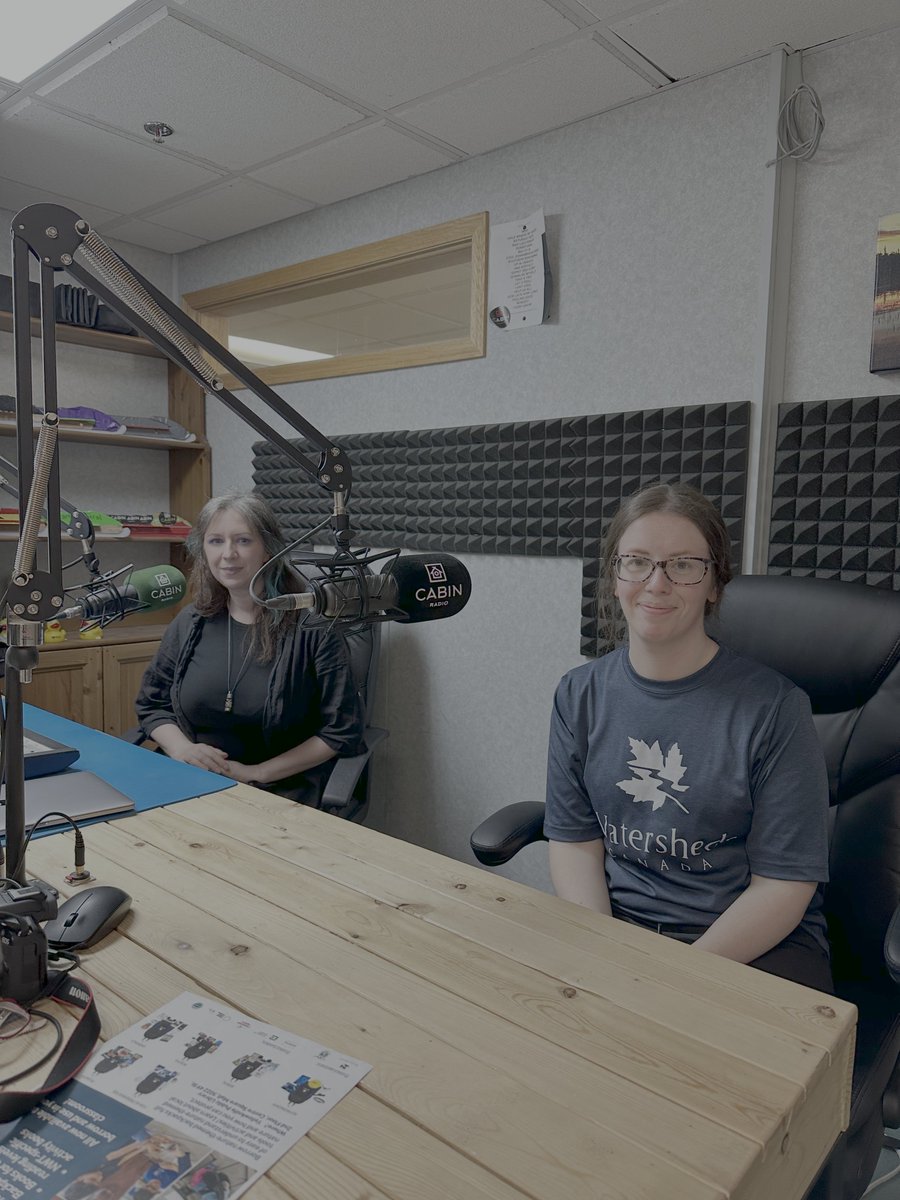
Thank you to @CabinRadio for having us on air to talk about the new Nature Discovery Backpack program launching in Yellowknife, NWT! We are so excited for families to use these new backpacks and books to explore their local nature this summer and beyond.
If you live in the Yellowknife area and have a library card, be sure to borrow one of six new backpacks: freshwater, plants, animals, birds, rocks, or astronomy.
Conservation succeeds when passionate people come together around a shared purpose.
Congratulations to Ducks Unlimited Canada for hosting another outstanding On Guard for Wetlands fundraising event at the Canadian War Museum in Ottawa. Events like this, held in communities across Canada, do far more than raise essential support for wetland conservation—they celebrate the volunteers, partners, donors, and grassroots champions who make this work possible.
Watersheds Canada's CEO, Robert Pye, was proud to attend the June 10 event, reconnecting with former Ducks Unlimited Canada executive Jamie Fortune and celebrating a shared commitment to conservation alongside Jessica Burns, Executive Director of Wildlife Habitat Canada.
Together, our organizations know that healthy wetlands strengthen watersheds, improve water quality, support wildlife, reduce flooding, and build more resilient communities. Congratulations to everyone at Ducks Unlimited Canada, the organizing committee, volunteers, sponsors, and supporters for another inspiring evening dedicated to conserving Canada's natural heritage.
#Wetlands #Conservation #Watersheds #Partnerships #CommunityConservation #NaturePositive #EnvironmentalLeadership
@ducanada@WildlifeHCanada
Photo credit: Ducks Unlimited Canada
Did you know that over half of the world's freshwater lakes are in Canada?
Almost 9% of Canada's total area is covered by freshwater!
Learn more about how you can help to protect your local freshwater:
https://t.co/xDLIj4cQ5y 💧
#water#freshwater#lake#river#wetland #conservation #Canada
Newsstands across Canada are carrying the conservation message of Watersheds Canada as proudly told by Outdoor Canada's editor-in-chief & brand manager, Patrick Walsh. In his July/August issue, Patrick devotes his page 4 editorial to the "fun, interesting and gratifying" experience he shared with Watersheds Canada's Board Chair, Mike Thomas, as well as our staff and volunteers on a fish habitat enhancement project last fall. Thanks for the press, Patrick. We encourage everyone to pick up the latest Outdoor Canada Magazine. 💧
@OutdoorCanada@OutdoorWalsh
Loon chicks are hatching now!
From late June through July, many lakes are home to newly hatched loon families. During the first 2-3 weeks of their lives, chicks spend time catching a ride on their parents' backs. This helps to maintain their body temperature and protects them from predators.
If you're out on the water this summer, please help protect loon families. Young loons are especially vulnerable during their first weeks of life.
Here's how you can help:
• Slow down around loons. Large boat wakes can separate chicks from their parents, swamp them, or wash them off a parent's back while they're resting.
• Keep your distance. Give loon families plenty of space so they don't have to abandon feeding or protecting their chicks.
• Watch for chicks. They can be difficult to see because they often ride on a parent's back or swim low in the water.
• Avoid nesting areas. Loons often nest right at the water's edge, where waves from boats can flood nests.
Have you seen Loon chicks on your lake?
#Loon #CommonLoon #ProtectLoons #LoonConservation #Wildlife #WildlifeConservation #BirdConservation #Freshwater #HealthyLakes #LakeLife #ProtectOurLakes #Nature #Conservation #Biodiversity #ProtectWildlife #CanadaNature
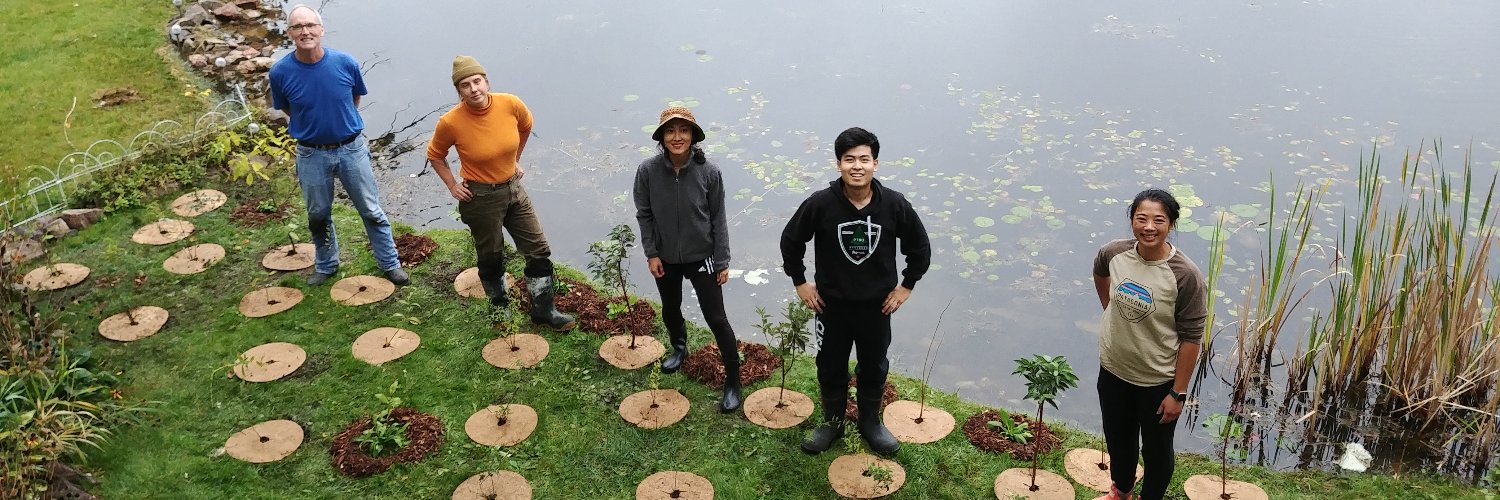
Earlier this spring, more than 7,400 native plants arrived at our garden for another planting season of The Natural Edge shoreline restoration program. Since then, these native trees, shrubs, grasses, and wildflowers have been making their way to shorelines🌱
Native shoreline plantings help reduce erosion, improve water quality, provide habitat for wildlife, and create healthier, more resilient waterfronts for years to come 💧
Learn more about The Natural Edge Program:
https://t.co/P9GvoSf4Pc
#TheNaturalEdge #ShorelineRestoration #NativePlants #HealthyWaterways #HabitatRestoration #Conservation #Water #Freshwater #Lake #River #Wetland
Fireworks are a unique and spectacular way to celebrate special occasions, but their environmental impacts aren't often considered.
As they have become increasingly affordable and accessible, use in more rural locations like parks, cottages, and campsites has 'exploded' in popularity. This creates certain risks for these more sensitive environments, with potential negative impacts on wildlife and vegetation and an increased risk of wildfires.
If you are considering a fireworks show or are aware of one in your area, there are important precautions you can take to make your property and the surrounding area more resilient to wildfires.
Learn more about the wildlife impacts, water implications, and chemistry of fireworks: https://t.co/HDd2pFw73K
#Lake #Water #Freshwater #Conservation #Wildlife
A special visitor recently emerged in our garden! 🦋
Our staff was excited to spot a beautiful Cecropia Moth (Hyalophora cecropia), the largest native moth in North America, resting near a willow tree!
Nature continues to reveal small moments of wonder when we least expect them. What wildlife have you been noticing lately in your area?
#Cecropiamoth #moth #wildlife #garden #conservation #biodiversity
Watersheds Canada is honoured to be selected as a finalist in two categories for the 2026 Water Canada Awards!
Monica Seidel, Watersheds Canada's Communications and Fundraising Manager, is a finalist in the 'Emerging Leader' category! This award celebrates a rising star in the Canadian water sector, recognizing an individual no older than 35 who demonstrates passion, potential, and a commitment to excellence.
The Naturalizing Newly Constructed Wetlands Project, in partnership with Ducks Unlimited Canada, is a finalist for the Conservation Project Award! This award recognizes a large-scale conservation project that manages or improves over two hectares of watershed and exemplifies exceptional stewardship and environmental responsibility in the Canadian water sector.
We are thrilled to be nominated and to be among such incredible finalists: https://t.co/HfNVsjk8iC
@ducanada@CanadianWater
Meet Elizabeth!
Elizabeth is from Nova Scotia, and holds a BSc in Marine Biology from Dalhousie University and an MSc in Biology from Memorial University. She’s been fortunate to research and travel around the Atlantic, from conducting seabird surveys in Maine to mapping groundfish food networks on the Scotian Shelf, helping restore seagrass in Bermuda, combating invasive species in Nova Scotia’s hemlock forests, and collecting permafrost cores in Labrador.
During fieldwork, Elizabeth kept a nature journal, where she sketched the species she encountered. This practice inspired her to pursue science communication, where she could blend her love of art and science. With watersheds, she strives to make complex environmental topics accessible, inspiring curiosity and action for watersheds and beyond.
We're excited to have Elizabeth as part of our team through funding provided by the Canadian Parks and Recreation Association (CPRA) Green Jobs Initiative!
@CPRA_ACPL
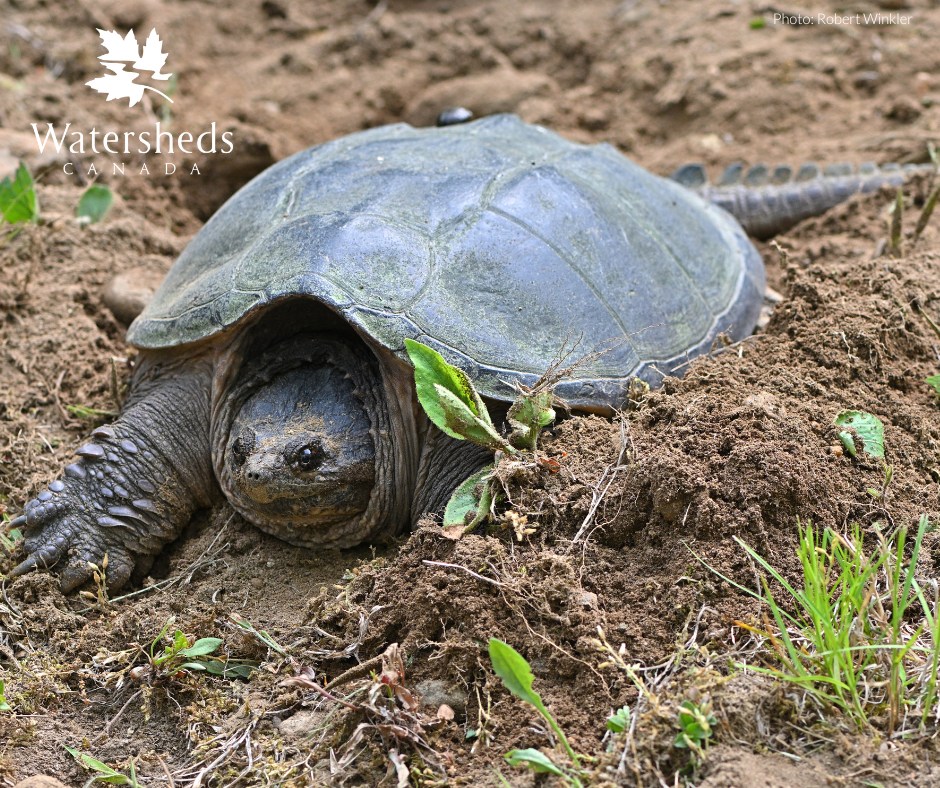
Meet Canada's largest freshwater turtle species!
The Snapping Turtle (Chelydra serpentina) is Ontario’s most prehistoric-looking turtle. Its long tail with triangular spikes along the top is reminiscent of those of a stegosaurus!
They prefer slow-moving freshwater habitats with abundant vegetation and a soft mud or sand bottom.
Snapping Turtles hibernate at the bottom of lakes and rivers in mud or silt near the shore.
Help protect freshwater turtles:
🐢 Slow down while driving. Watch for turtles crossing the road, especially in areas close to wetlands.
🐢 Leave fallen logs and woody debris along shorelines. Turtles need these habitat features to bask in the sun because, as reptiles, they receive energy from the sun’s warm temperatures.
🐢 Build a nest protector.
🐢 Participate in a community science project.
#SnappingTurtle #Wildlife #Conservation #Lake #River #Canada