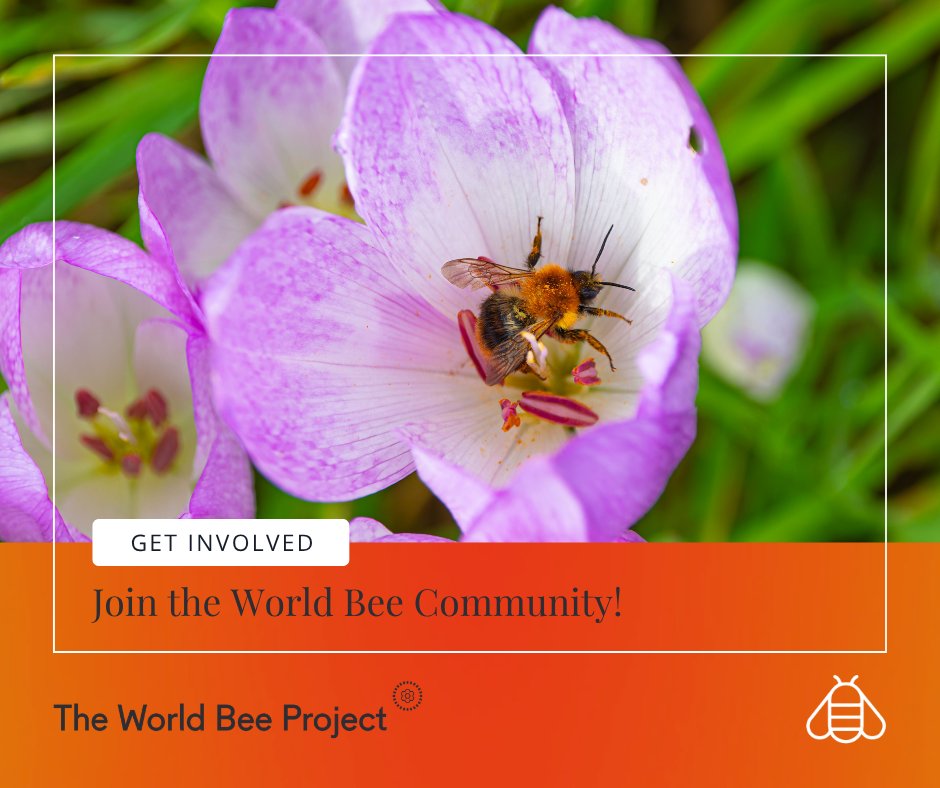
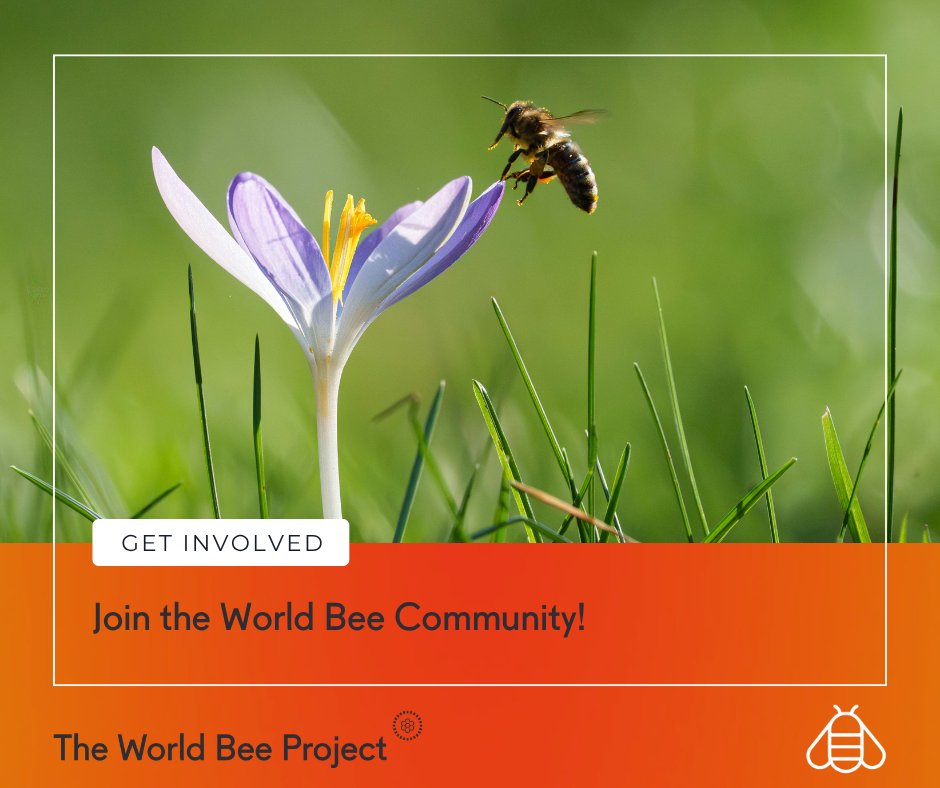
The World Bee Community brings together people who care about bees, biodiversity, and the future of our ecosystems.
Whether you’re passionate about pollinators, nature, or creating positive change, there’s a place for you in our community.
Join us and help build a world where bees, people, and nature can thrive together. 🌍
Join the World Bee Community: https://t.co/Kb5E9Cx6Zt
Clearing forests to grow more food makes the planet hotter and drier.
Forests help create rain.
Remove them, and soils degrade.
#Forests#ClimateFeedbacks
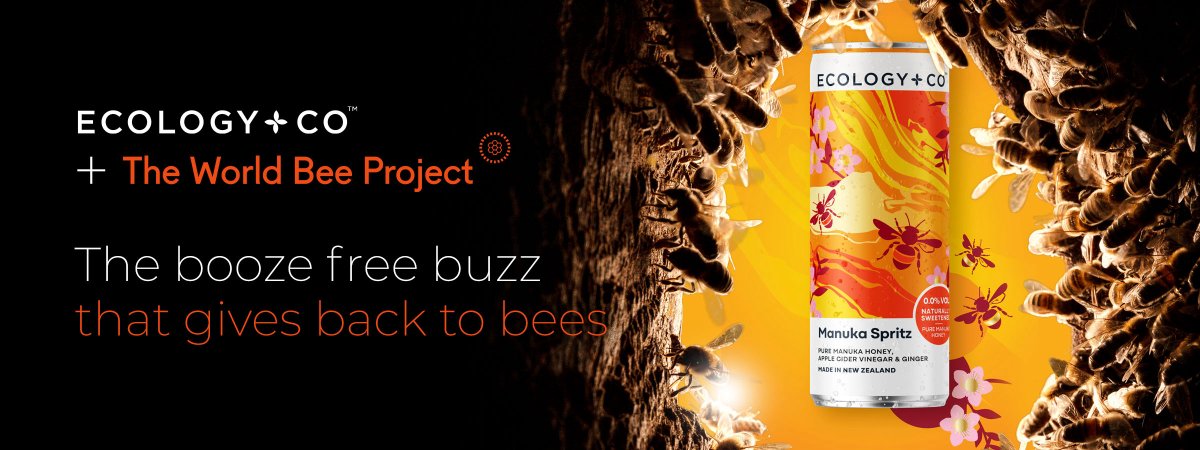
We have partnered with Ecology & Co – the latest buzz in alcohol free beverages – in a collaboration designed to extend our work to benefit bees and biodiversity.
Their Manuka inspired range supports the hardworking bees behind their ingredients.
1% of every Ecology & Co sale globally will go to The World Bee Project to fund our work to protect pollinators, people and the planet.
Find out more here: https://t.co/8tMnYjmqb4
Ecology & Co's new Manuka-inspired collection is live in New Zealand!
1% of every Ecology & Co can and bottle sold globally supports bees.
Every sip you take helps protect pollinators, people and the planet.
Find out more here: https://t.co/Bfk8lnLvq1
1% of every Ecology & Co can and bottle sold globally supports bees.
Why does this matter?
Because bees are responsible for pollinating the plants that support biodiversity and food systems across the planet.
Let bees pollinate. Drink to Life.
Find out more here: https://t.co/8tMnYjmqb4
Soil isn’t dirt.
It’s a living system that stores carbon, regulates water, and grows food.
When soil degrades, everything above it suffers.
#SoilHealth#ClimateAction
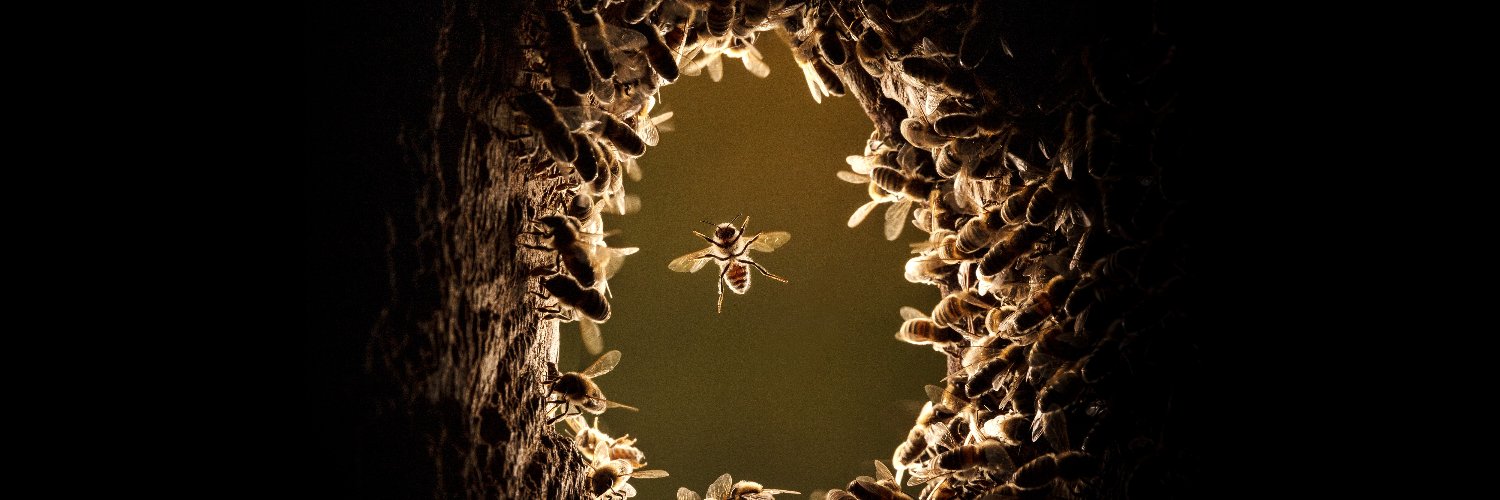
We often think tracking bees means following them through the air.
But the real story is happening inside the hive. 🐝
Through the incredible “waggle dance,” bees share precise directions, distance, and even quality of food sources. All in complete darkness, surrounded by thousands of others. It’s communication, navigation, and decision-making rolled into one.
By decoding these dances, researchers aren’t just learning where bees go, they’re uncovering how they think, adapt, and survive in changing environments.
Read more: https://t.co/6Ngvgym9OD
#BeeScience #Pollinators #Sustainability #SaveTheBees
This study highlights something critical:
Wild bee populations are far more sensitive to extreme weather than previously understood.
And considering that wild bees are effective pollinators, this isn’t just an environmental issue; it’s an agricultural one.
Climate change, combined with habitat loss, pesticides, and disease, is compounding pressure on already fragile populations.
#ClimateCrisis #WildBees #FoodSecurity
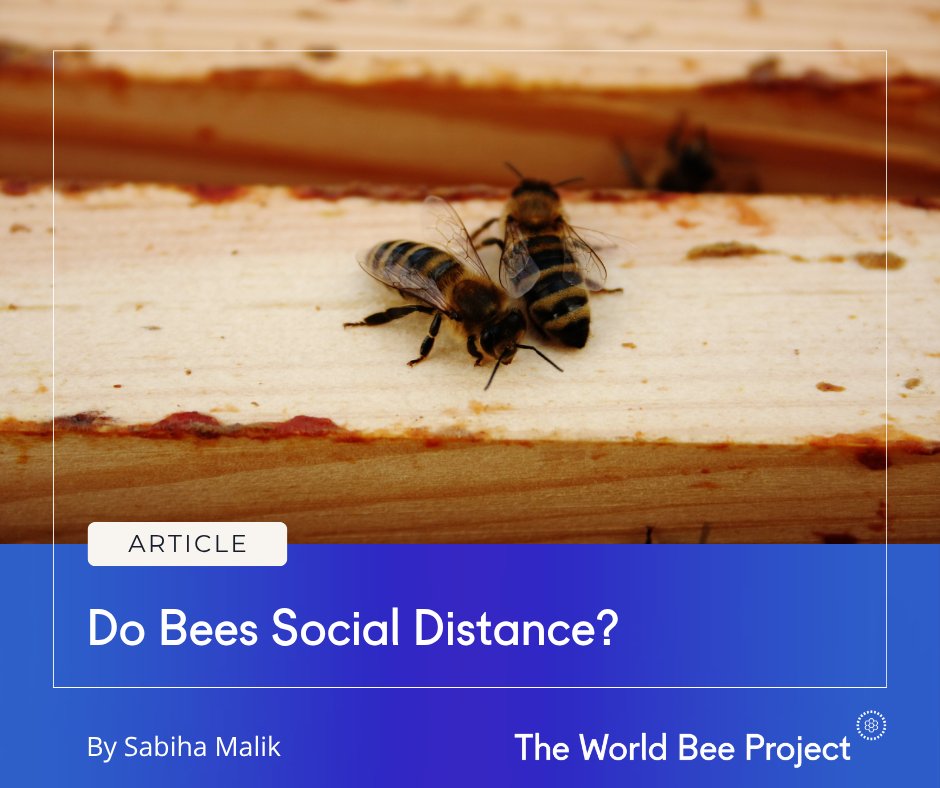
What if bees “social distance” too? 🐝
When faced with deadly viruses like Israeli Acute Paralysis Virus (IAPV), honey bees don’t rely on strong immune systems- they change their behaviour.
Infected bees are avoided. Fed less. Kept at a distance.
A natural form of social distancing.
But there’s a twist.
This same virus can disguise infected bees, helping them slip past hive guards and spread infection faster across colonies.
Understanding these behaviours is key to protecting them today.
🔍 Read more: https://t.co/YpRkC9nVi0
#SaveTheBees #BeeScience #Pollinators #Biodiversity
When we talk about bees, most of us picture honeybees in hives.
But that’s only a small part of the story.
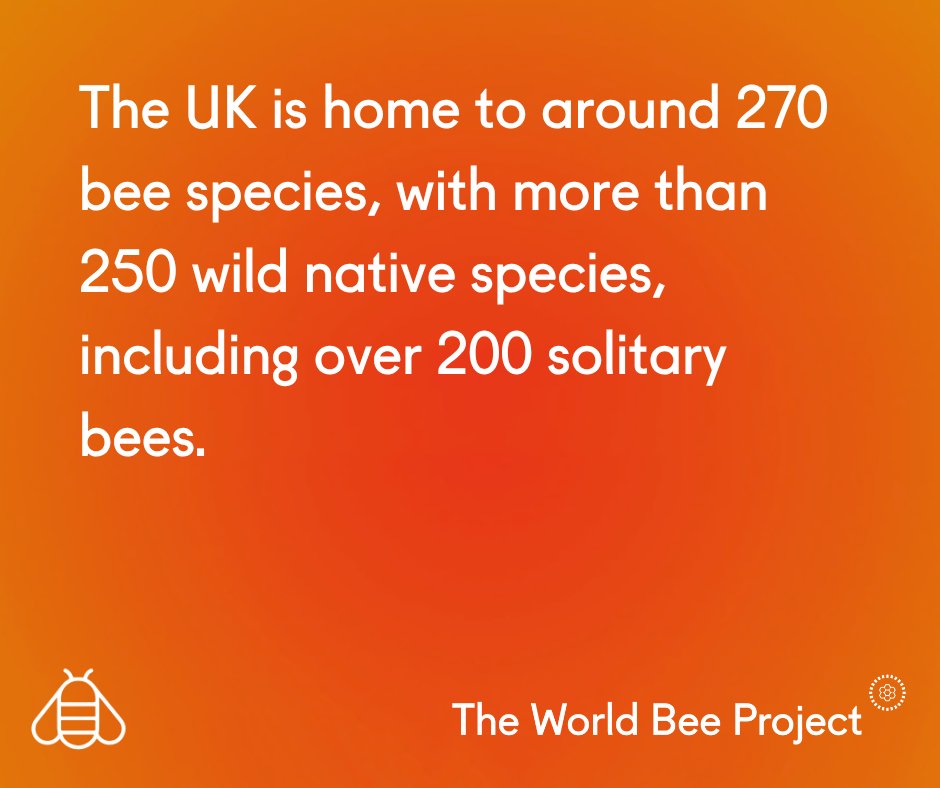
In the UK:
🐝 270 known bee species
🐝 24 bumblebee species
🐝 200+ solitary bees
Research now shows that extreme weather conditions can reduce solitary bees' reproductive success, threatening future populations.
Protecting wild bees means protecting their habitats- wildflower meadows, hedgerows, woodlands, and gardens rich in nectar.
From farms to forests, bees sustain life everywhere. 🌍
Join a global community working together to protect pollinators and create a more balanced relationship with nature.
Be part of the global movement:
https://t.co/bGDrYOb8JD
No wild bees = fewer apples, cherries, and crops.
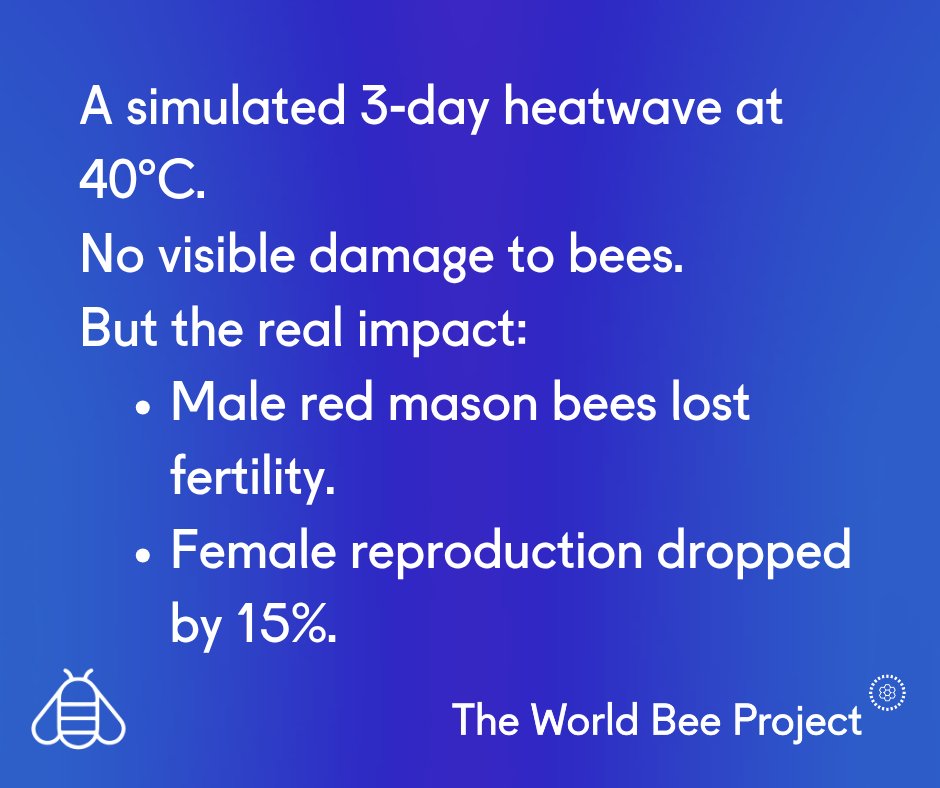
New studies show that heatwaves can silently damage red mason bees' reproductive health, reducing fertility and egg production.
The result? A potential drop in pollinator populations the following year.
The ripple effect? Our entire food system.
#FoodSecurity #ClimateChange #Bees
Protecting bees starts with one decision.
Join the World Bee Community and be part of a future where people and nature thrive together. 🐝
Join today:
https://t.co/bGDrYObGzb
Not all bees live in hives. In fact, most are wild and far more vulnerable to climate change. 🐝
In the UK alone, there are over 250 species of wild, free-flying bees, including solitary species that don’t live in colonies or produce honey.
Unlike honeybees, they cannot regulate nest temperatures collectively, making them highly exposed to extreme weather.
#ClimateChange #Biodiversity #Pollinators
Bees need action, not just awareness. 🐝
Join the World Bee Community and take a meaningful step toward protecting pollinators and supporting the ecosystems we all rely on.
Take action now:
https://t.co/ch6EVfNZ5v
We celebrate honey bees, yet Britain's greatest pollinators often work unnoticed.
Over 250 of our 270 bee species are wild native bees, many living alone in tiny nests.
New research shows just three days of extreme heat can threaten the next generation.
Protecting wild bees protects our future.
#WildBees #ClimateChange #Nature #Pollinators
What we do today shapes the ecosystems of tomorrow.
By protecting bees, we’re safeguarding food systems, biodiversity, and future generations.
Join the World Bee Community and be part of something bigger:
https://t.co/bGDrYObGzb
For decades, we thought royal jelly was the key to creating a queen bee.
But new research shows that’s only part of the story.
When queen larvae are raised in ordinary worker cells-even with the same diet- their survival drops, and those that do survive develop into smaller queens.
The difference is the environment.
#Bees #Science #Nature