Calling data journalists!
Work with us for exclusive data access, expert interviews, and collaborative storytelling. Let’s drive insightful conversations on demography, economics, and SDGs together.
Connect with us: https://t.co/amXZPhun0S
#DataJournalism#CollaborateForChange
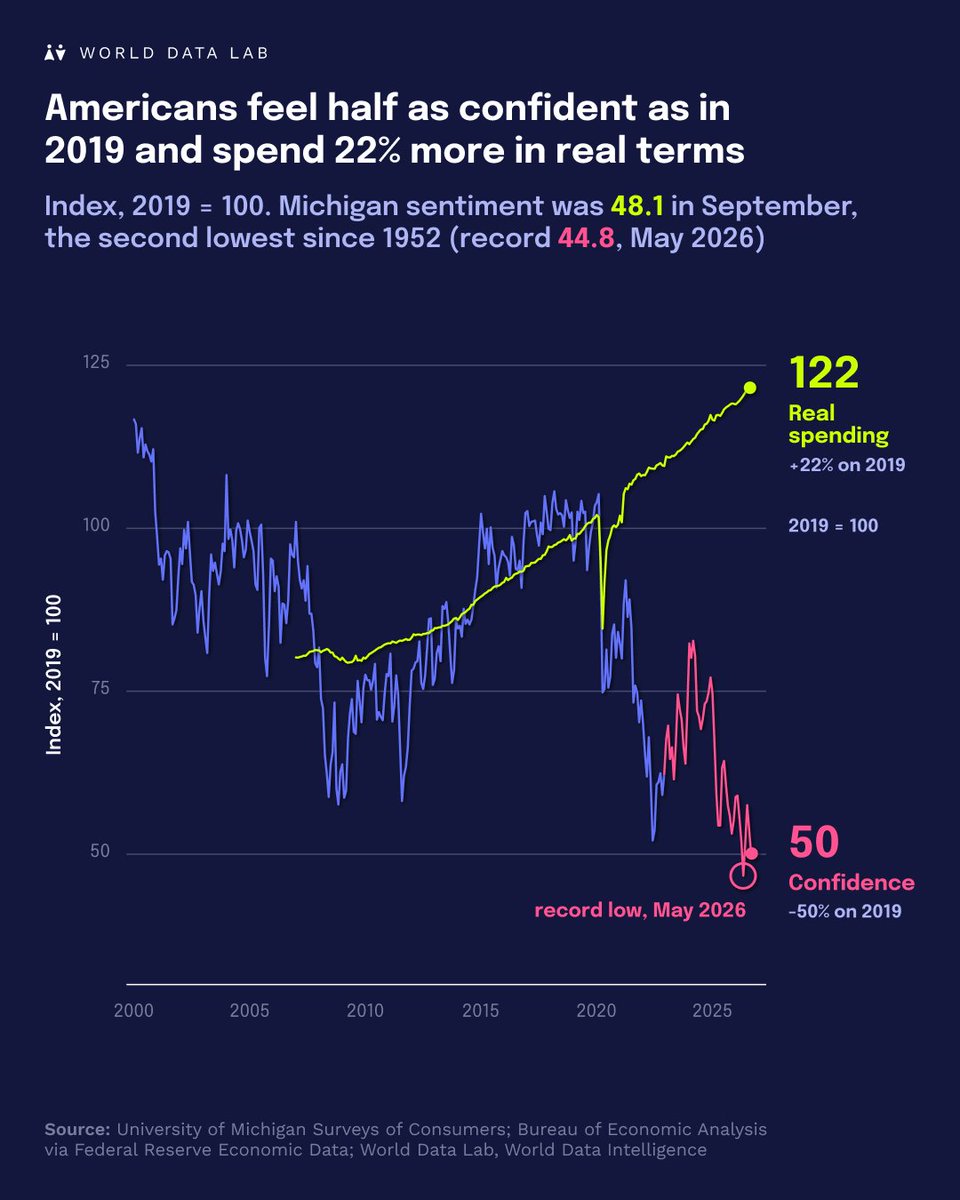
US consumer sentiment is half its 2019 level and close to the lowest on record. Americans are still spending 22% more than in 2019, in real terms.
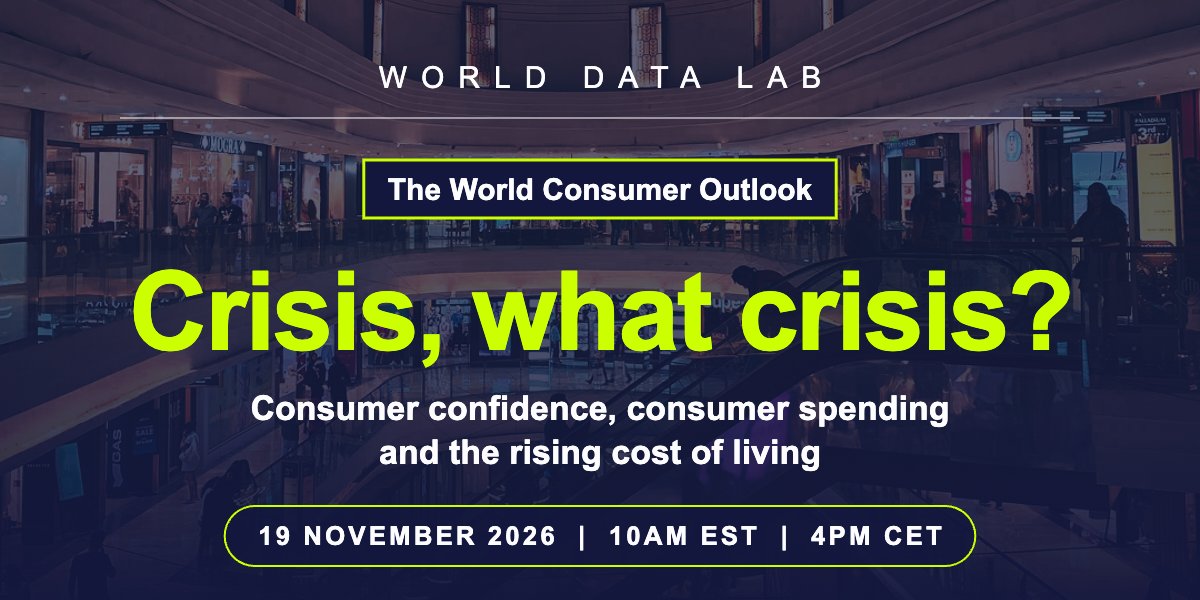
World Consumer Outlook 11: Crisis, what crisis? 19 Nov, 10:00 ET / 16:00 CET
https://t.co/BKkMOpXJ5B
For three years after the 2022 inflation spike, US pay grew faster than prices. In the year to August, prices rose 3.4% and average hourly earnings 3.1%.
World Consumer Outlook 11: Crisis, what crisis? 19 Nov, 10:00 ET / 16:00 CET
https://t.co/u2NSSfgnEg
In this episode of Data Talks, Wolfgang sits down with Henry Armour, who led the National Association of Convenience Stores (NACS) for 20 years and now advises World Data Lab.
https://t.co/rZaN3zeU2K
4% of the world’s population accounts for 36% of consumer spending. Wolfgang Fengler and Sourav Suman on where the world’s 323 million rich people live, and how India’s rich grow from 5m to 46m by 2036, via @wef:
https://t.co/68PXGCNxq7
In 31 of 41 countries, people feel worse than in 2019 and still spend more in real terms.
Join us for World Consumer Outlook 11: Crisis, what crisis? on 19 November: https://t.co/FqCZqmatJt
Americans feel half as confident as they did in 2019. However, in real terms, they spend 22% more.
On Thursday 19 November, we present our 11th World Consumer Outlook live in "Crisis, what crisis?".
Register: https://t.co/QszHDPikQQ
In 2000, one in four people in Asia's cities belonged to the consumer class. Today it's more than two in three, and by 2040 it will be 85%.
Learn more at https://t.co/X7HFWNBwTF
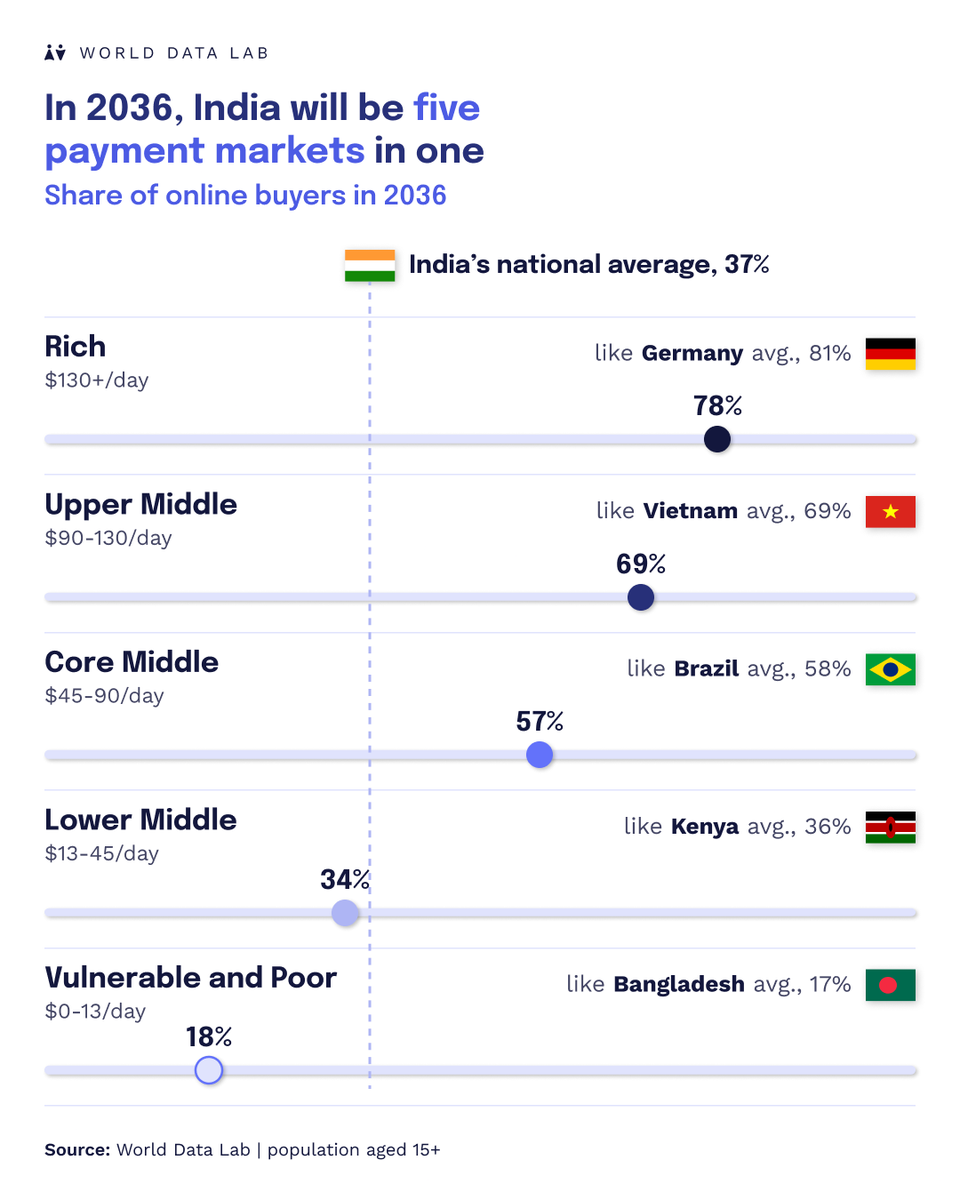
In 2036, 37% of Indian adults will buy online. Split by consumer class, that average covers five different markets.
8 October | 10:30am EST | 4:30pm CET | 45 min + live Q&A
Free to attend. Registrants get the slides and the recording.
Register: https://t.co/Au9kCk84qu
Why do Chinese households start saving at just $8 a day, when in the US that threshold is closer to $60? And what would it take for China's 1.4 billion people to spend more?
https://t.co/ir3U24Pg4M
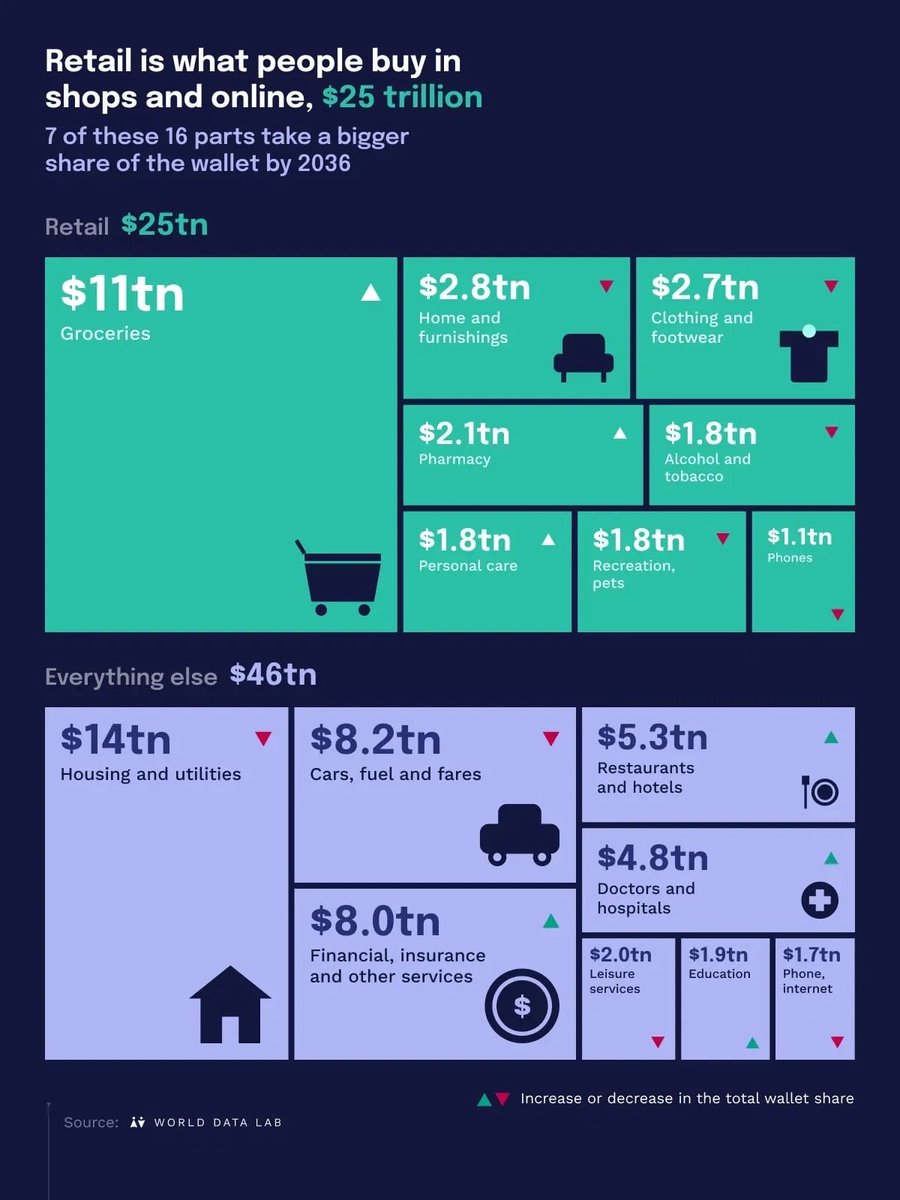
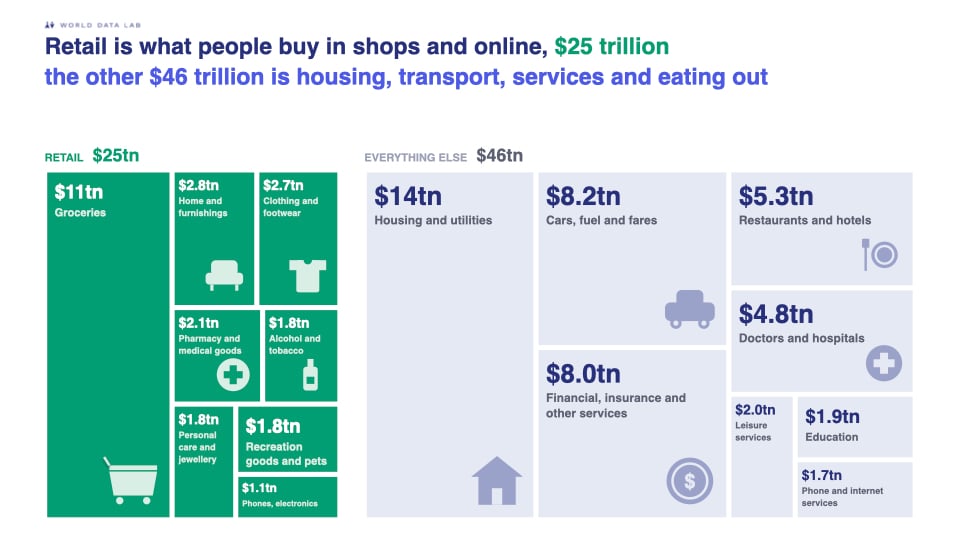
Consumers spend $25 trillion on retail. They spend another $46 trillion on everything else.
See the full chart on Voronoi: https://t.co/YEYnTTbl4j
Download the retail deck from our Future of Retail webinar: https://t.co/JlNp7RLcYU
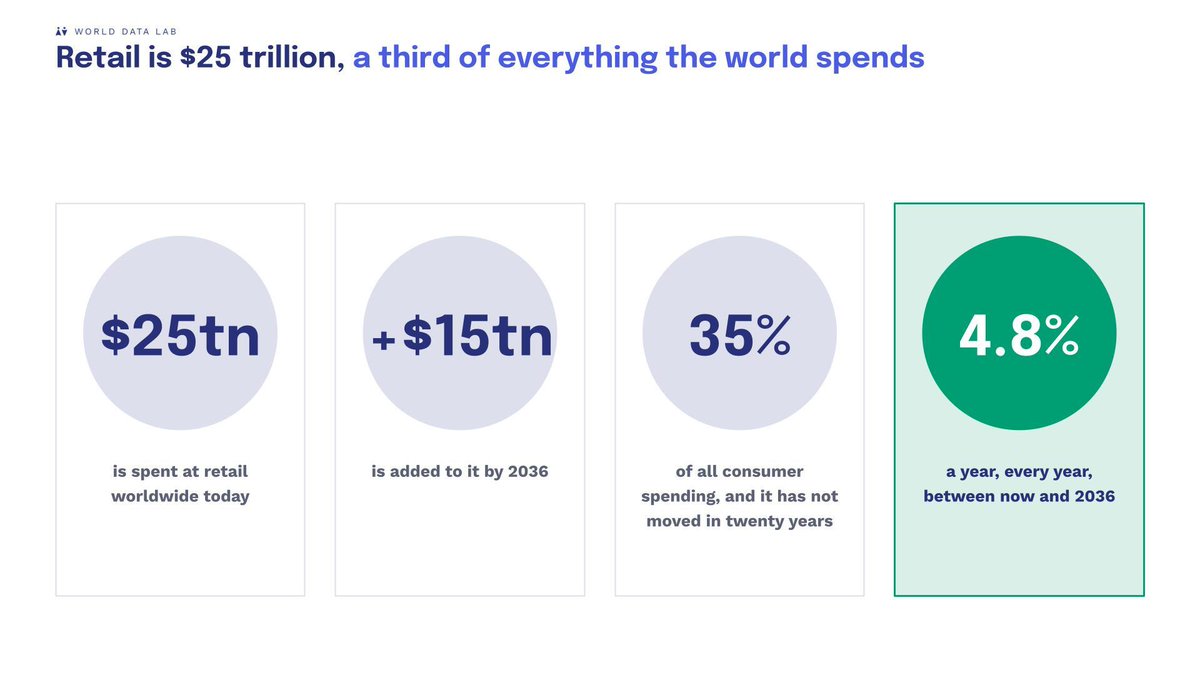
Retail has stayed at 35% of consumer spending for the last twenty years.
Join our webinar on 23 September to find out what has kept that share steady.
Register: https://t.co/1SaXcQXsbS
Global retail adds $15 trillion of spending by 2036, growing 4.8% a year.
We break down what this means for category strategy and city-level demand in our webinar, Future of Retail: Navigating Macro Change & City Growth, on 23 September.
Register: https://t.co/vaHsYItCiD
Retail accounts for $25 trillion of household spending. The other $46 trillion goes to housing, transport, healthcare, services, and eating out.
Register: https://t.co/PoIG6eoCfc
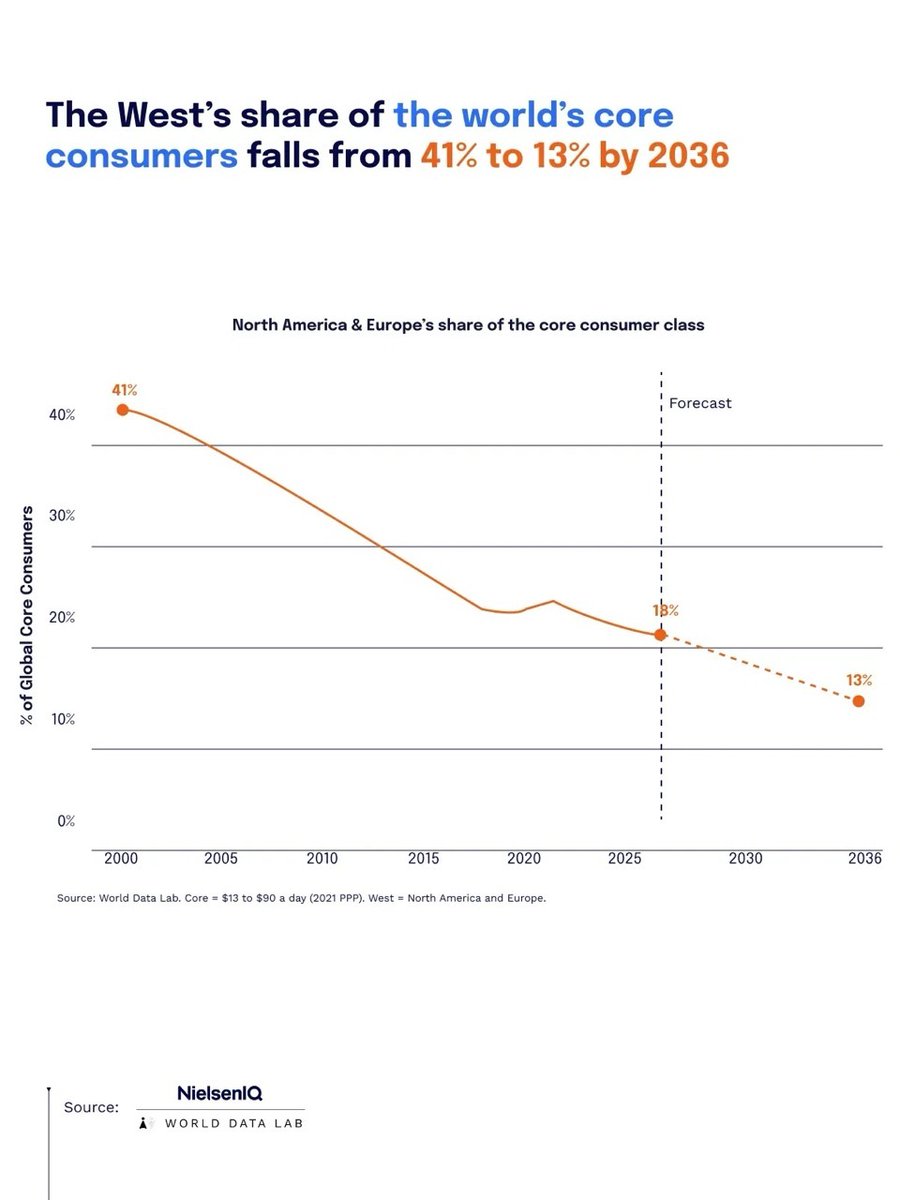
Any company using Western core consumer behaviour as the default input for global planning is describing 13% of the segment by 2036.
More in A Tale of Two Consumers: https://t.co/M2Z2cId02A
Chart on Voronoi: https://t.co/YX4Z4Cealk
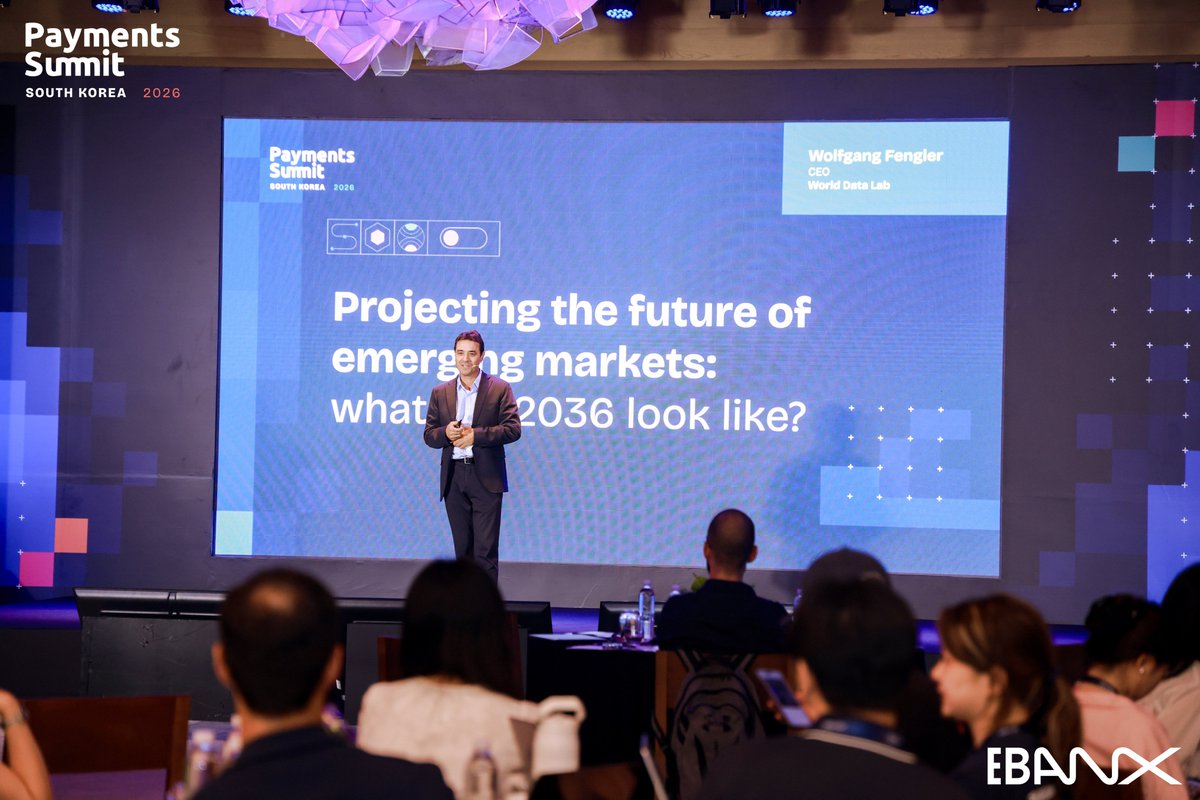
Our CEO, Wolfgang Fengler, spoke at the EBANX Payments Summit in South Korea last week about the future of emerging markets and what 2036 will look like.
Thanks to Estelita Hass Carazzai and the EBANX team for hosting us!
Asia overtakes North America in total consumer spending by 2036, but not in affluence.
Chart on Voronoi: https://t.co/zZdT3zPxJM
Built on the same dataset as A Tale of Two Consumers, our joint report with NIQ: https://t.co/ZlNqUDQfRW
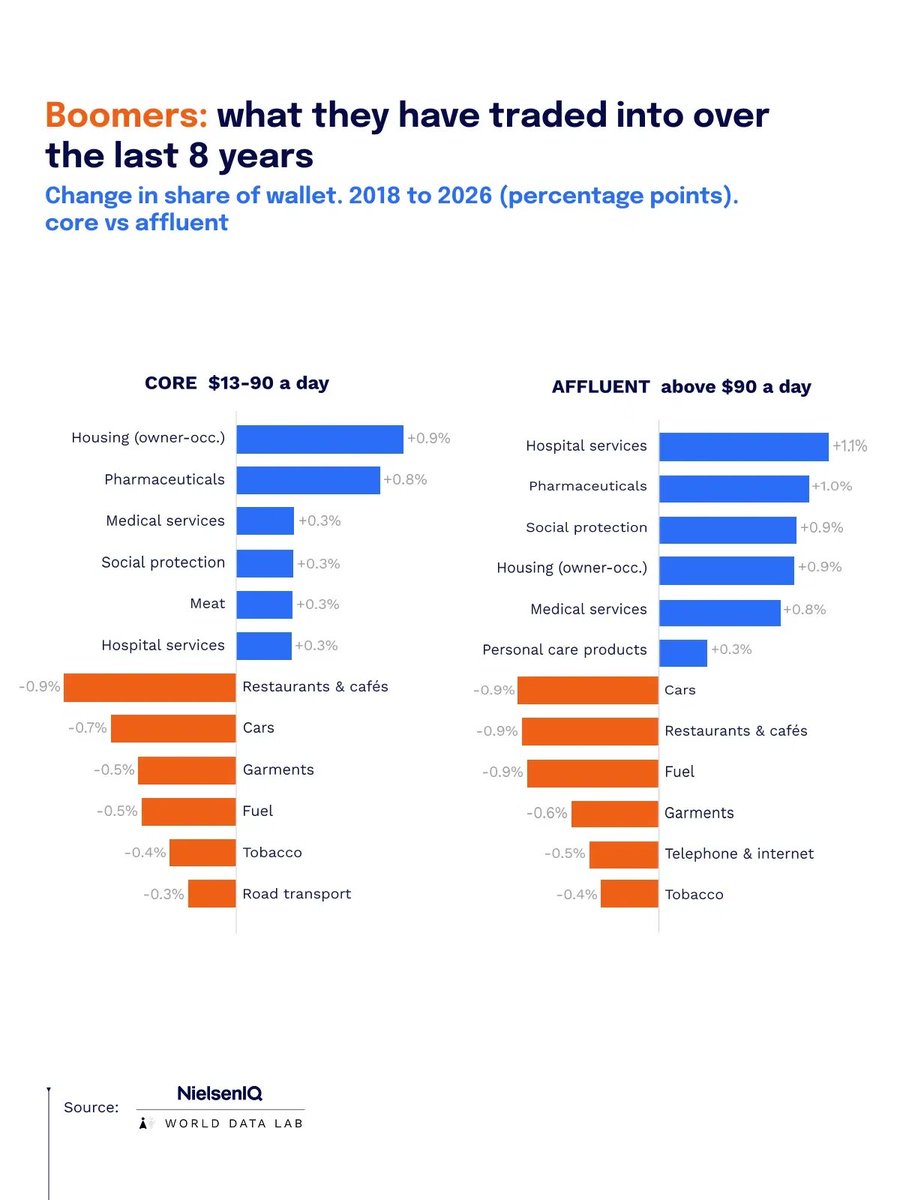
People aged 60 and over make up 15% of the world's population but account for 27% of global consumer spending. That is $19 trillion of the $70 trillion consumers will spend this year.
Read it here: https://t.co/OKYeYguYTd
The world will add 640 million people between 2026 and 2036, and 367 million of them will be affluent consumers spending above $90 a day.
Check out our newest graphic on Voronoi:
https://t.co/q0bhbNvd0J
And download the full report: https://t.co/Vbs3pnvZ74