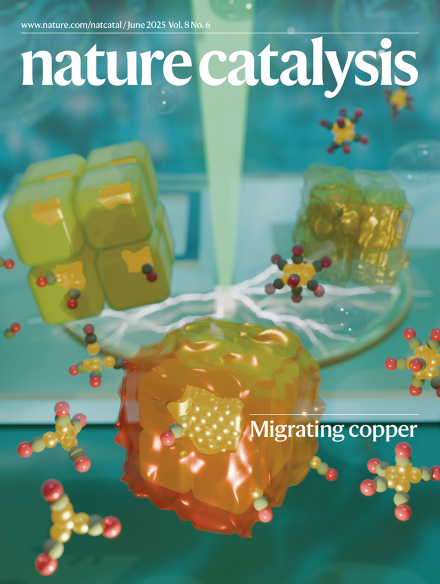
Check out @lihiini's latest News & Views article in @NatureCatalysis highlighting new insights in the dependence of #photosynthetic#biohybrid system charge transfer on crystal #facets and cell density using single-particle #imaging!
https://t.co/oEtMmPJaFk
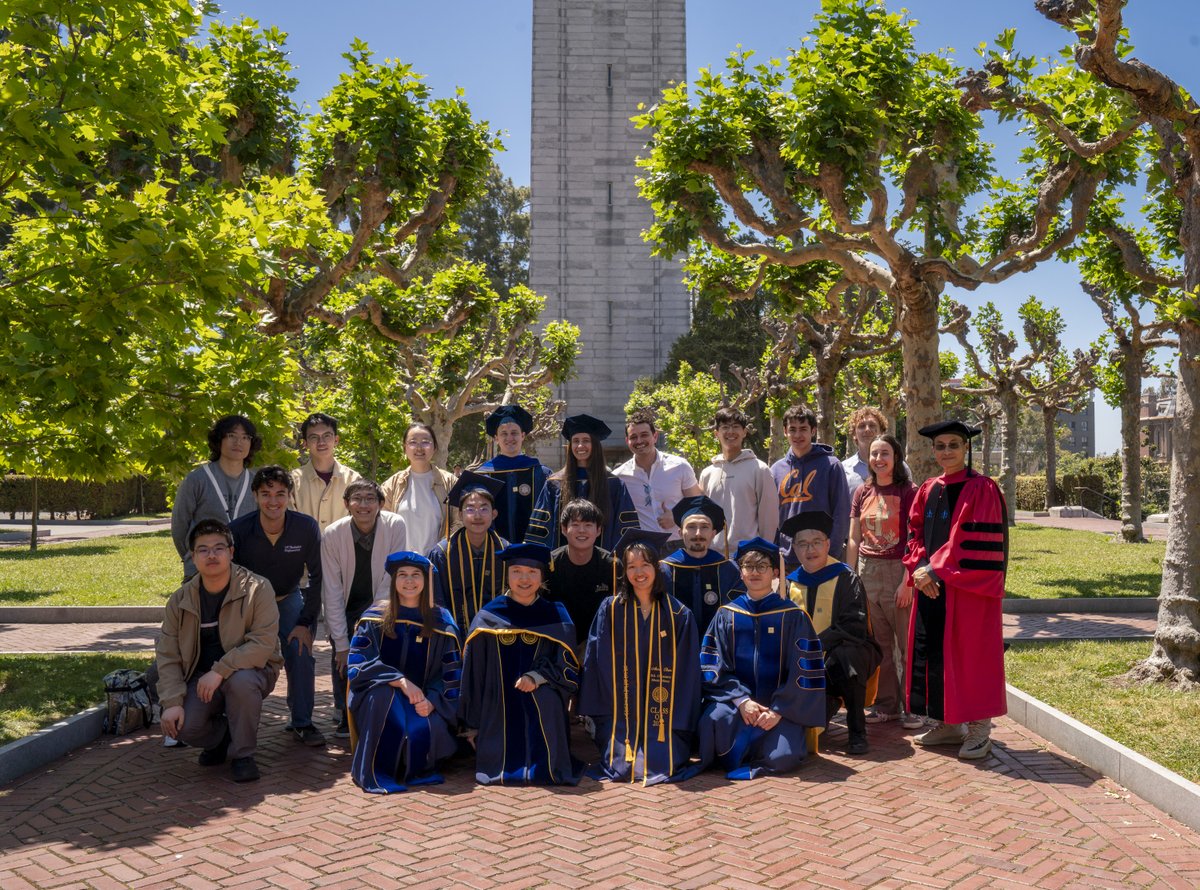
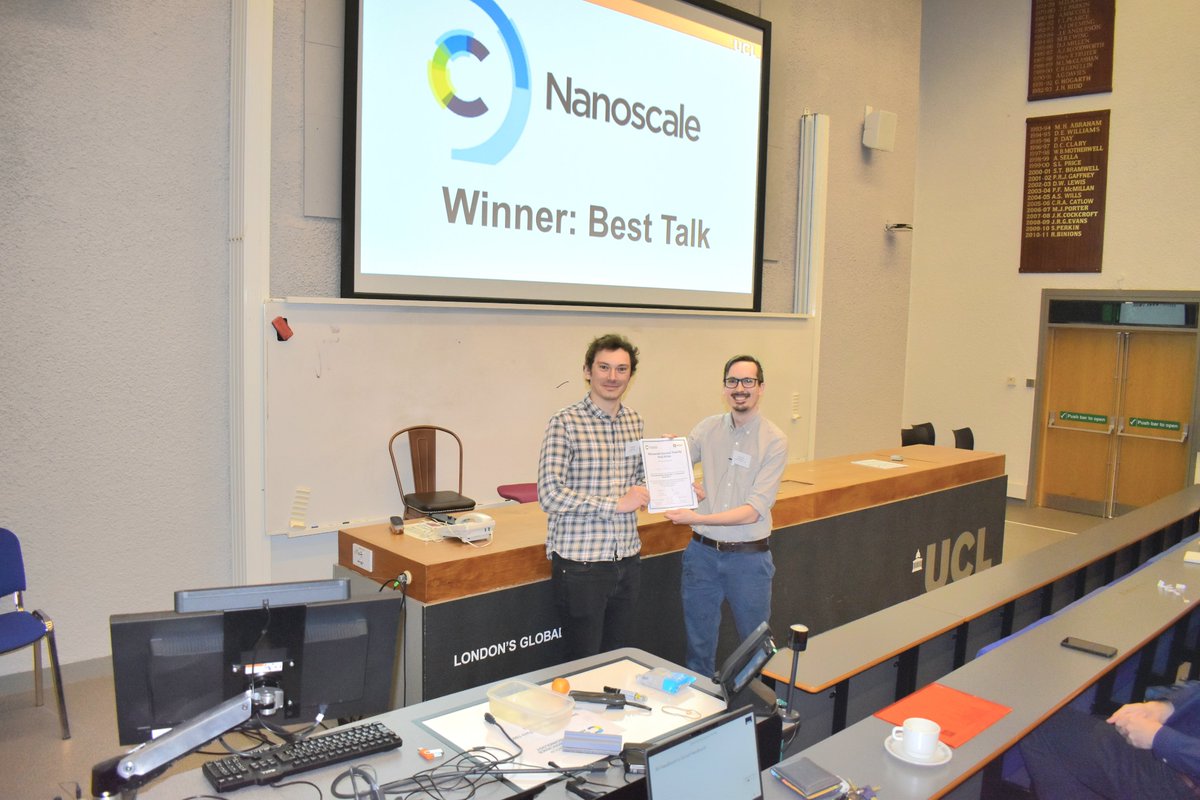
Congratulations to our 12 graduates this year, as well as those who received awards:
@mfonseca2016: 2026 OGSI Award, BIDMaP Postdoc fellowship
@YuxinJiang826: Stanford Science Postdoc Fellowship
Anna Chen: 2026 Senior Undergraduate Research Award
Anna Chen, Skye Leng: NSF GRF
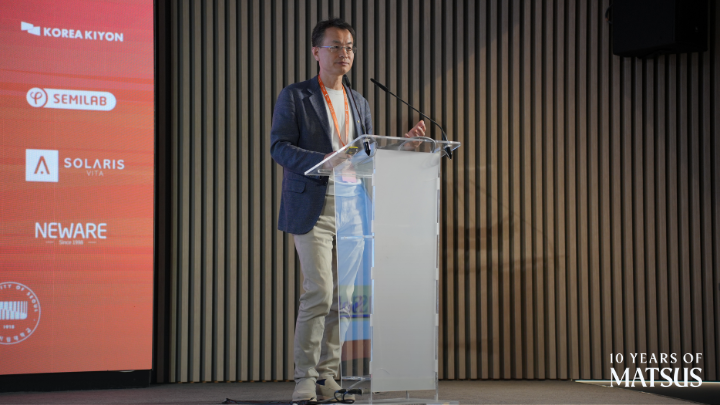
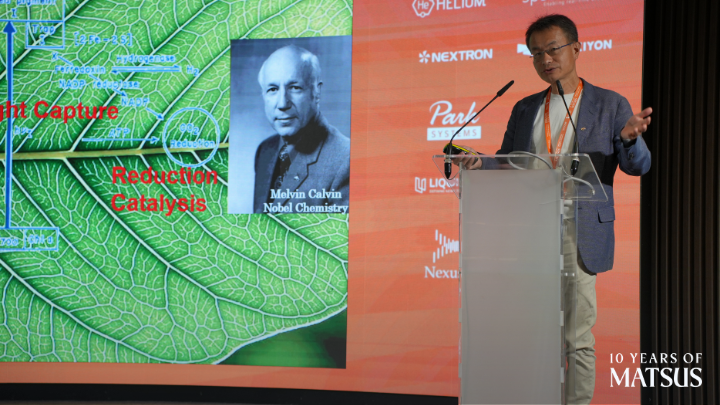
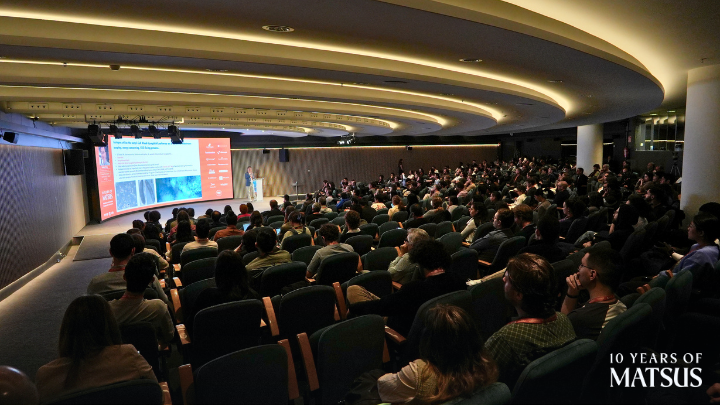
🚀 Launching the final day of #MATSUS26 with a high-impact plenary session!
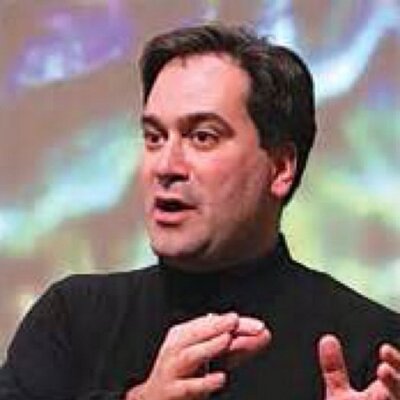
🌞 Prof. Peidong Yang shows how sunlight, H₂O, and CO₂ can be turned into fuels, chemicals, and materials via nanowire photochemical diodes and photosynthetic biohybrids.
🔗 https://t.co/gxqgIMxQaW
BREAKING NEWS
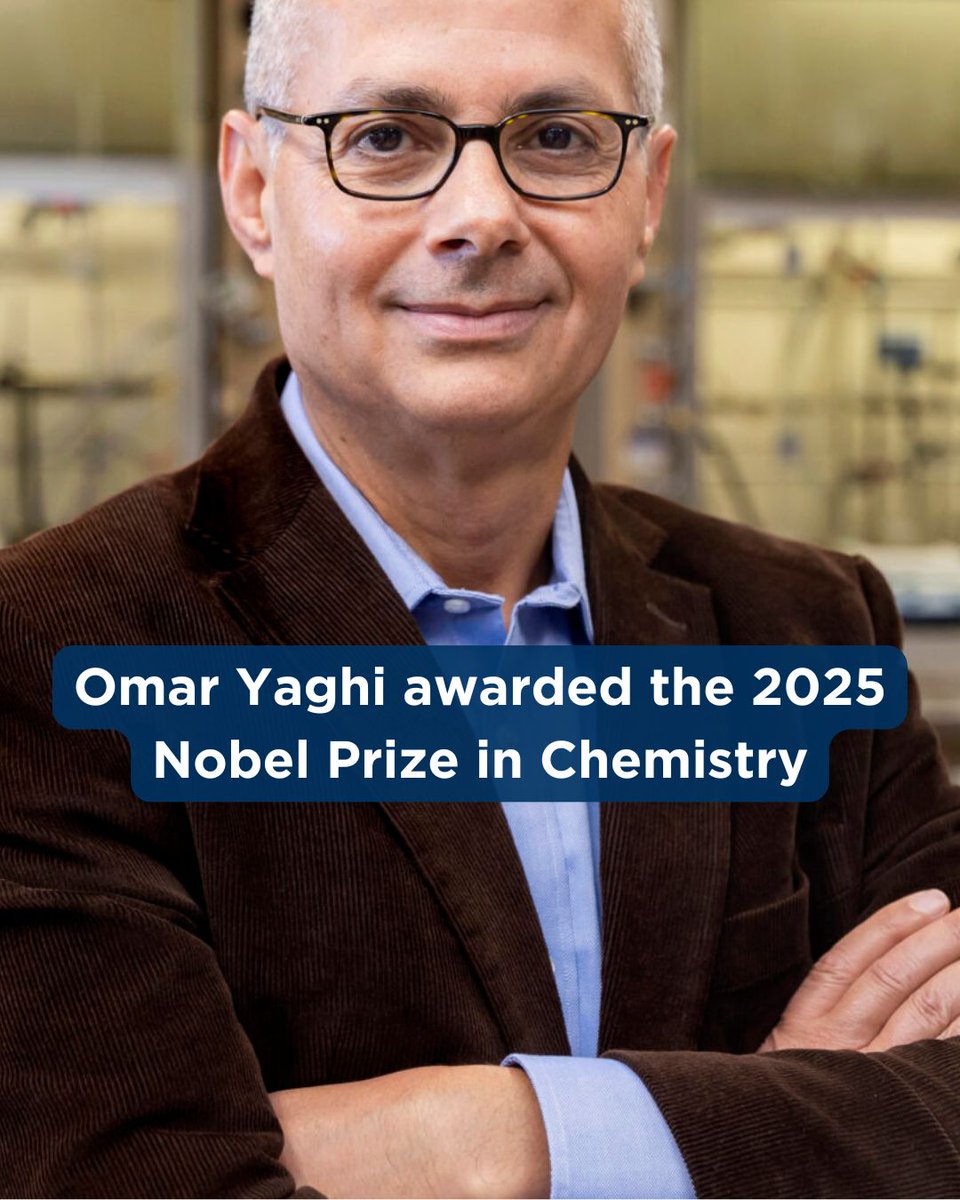
The Royal Swedish Academy of Sciences has decided to award the 2025 #NobelPrize in Chemistry to Susumu Kitagawa, Richard Robson and Omar M. Yaghi “for the development of metal–organic frameworks.”
We are thrilled to announce that Professor Omar Yaghi was awarded the 2025 Nobel Prize in Chemistry today! Yaghi first synthesized a new class of porous materials that holds enormous promise for many applications. @UCBerkeley@NobelPrize https://t.co/0t3osKZNrT
🏅 Former Berkeley Lab senior scientist John Clarke has been awarded the 2025 @NobelPrize in Physics for the discovery of macroscopic quantum tunneling in an electric circuit. His work paved the way for quantum computing and sensing. https://t.co/KpIu9yXIqA
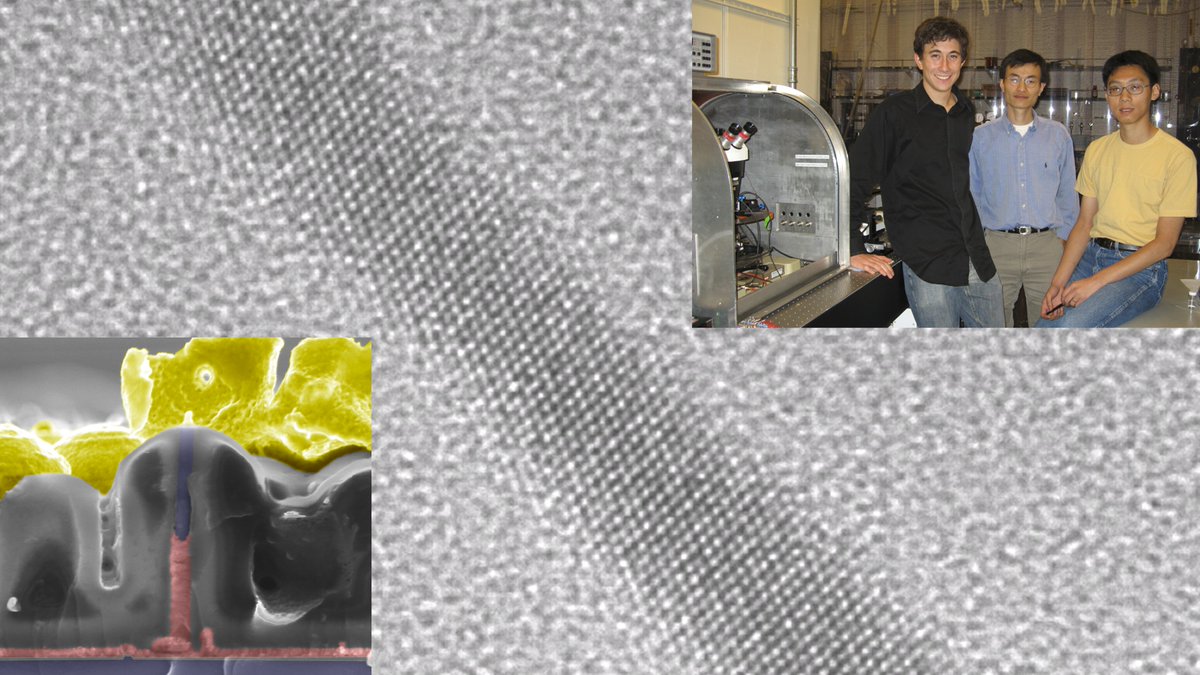
DYK that nearly 20 years ago, Berkeley Lab scientists showed a novel way to build advanced transistors decades before similar structures reached smartphones? @UCBerkeley https://t.co/yUAMbO8jfj
Historical picture of the first nanowire GAA-FET and the graduate students at the time (2005), Joshua Goldberger (prof at Ohio State) and @RongFan8 (prof at Yale University). Allon Hochbaum (prof at UC Irvine) was not in the photo.
As the microelectronics industry moves to adopt gate-all-around transistor designs in next-generation smartphones, our groundbreaking research demonstrated an innovative approach to creating these advanced structures nearly 20 years ago. https://t.co/PL9FNBdeg4
The “gate-all-around” design enhances control over the transistor channel, leading to better performance and lower power consumption. Our early bottom-up approach showed the potential of this geometry using chemical synthesis to achieve these complex structures.
Watching nanocatalysts in action. Our work is featured as a Cover Story with the Peidong Yang group at Berkeley, Manos Mavrikakis group at UW Madison, Yimo Han group at Rice, and Zhu Chen group at UMass @yanggroupucb@valentinbriega@han_yimo
https://t.co/5Z5pJO6wG8
Stabilizing Ru in Multicomponent Alloy as Acidic Oxygen Evolution Catalysts with Machine Learning-Enabled Structural Insights and Screening | Journal of the American Chemical Society @yanggroupucb@UCB_Chemistry@UCBerkeley@KavliENSI https://t.co/2pLrwyWWC2
Exploring the Structural Origins of Optically Efficient One-Dimensional Lead Halide Perovskite Nanostructures | Journal of the American Chemical Society @yanggroupucb@UCB_Chemistry@UCBerkeley@KavliENSI https://t.co/PCGOArxGtt