Zimbabwe: First Review under the Staff-Monitored Program-Press Release and Staff Report.
Zimbabwe has continued to consolidate stabilization gains under the Staff-Monitored Program (SMP) despite external shocks. Growth strengthened in 2025 and momentum continued in 2026, supported by mining, still-elevated gold prices, and a strong agricultural rebound. Inflation has remained low, the exchange rate broadly stable, and the current account robust, providing a window to strengthen macroeconomic management, rebuild buffers, and advance reengagement toward arrears clearance and debt resolution.
https://t.co/MwOJPukNB3
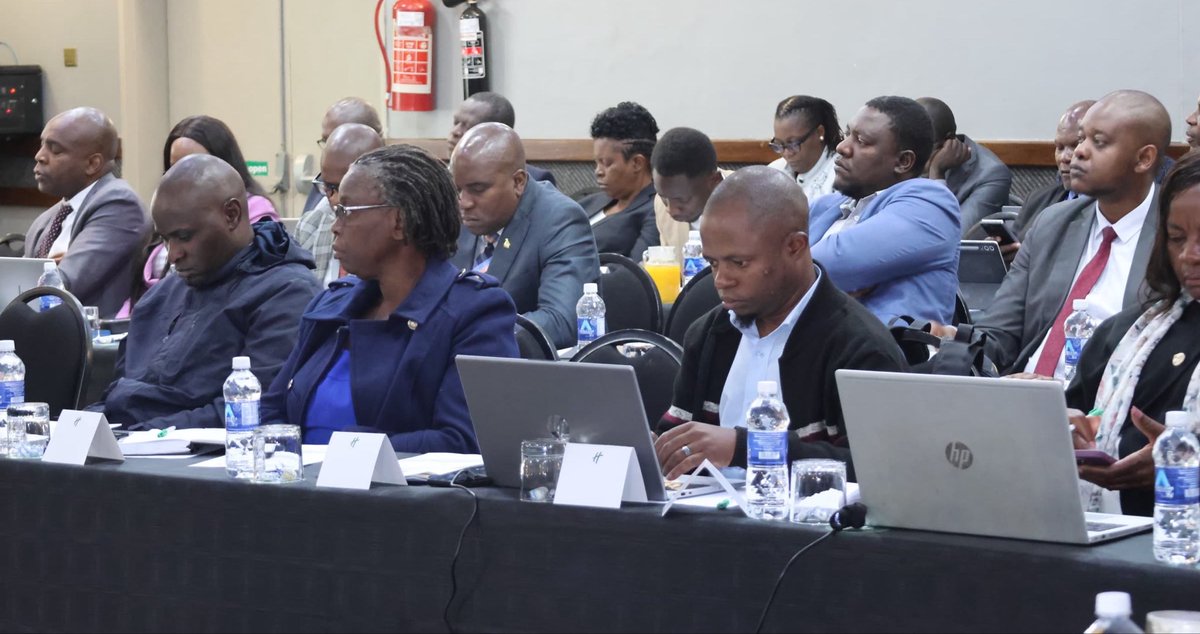
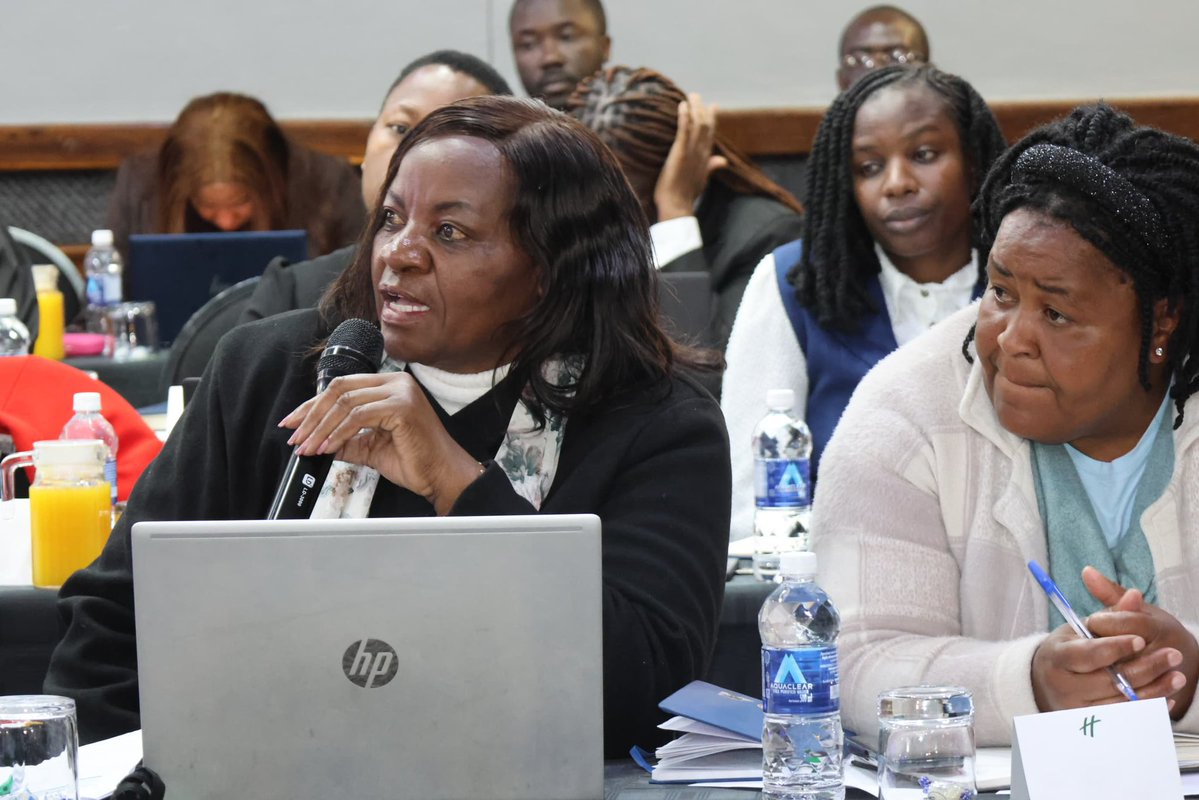
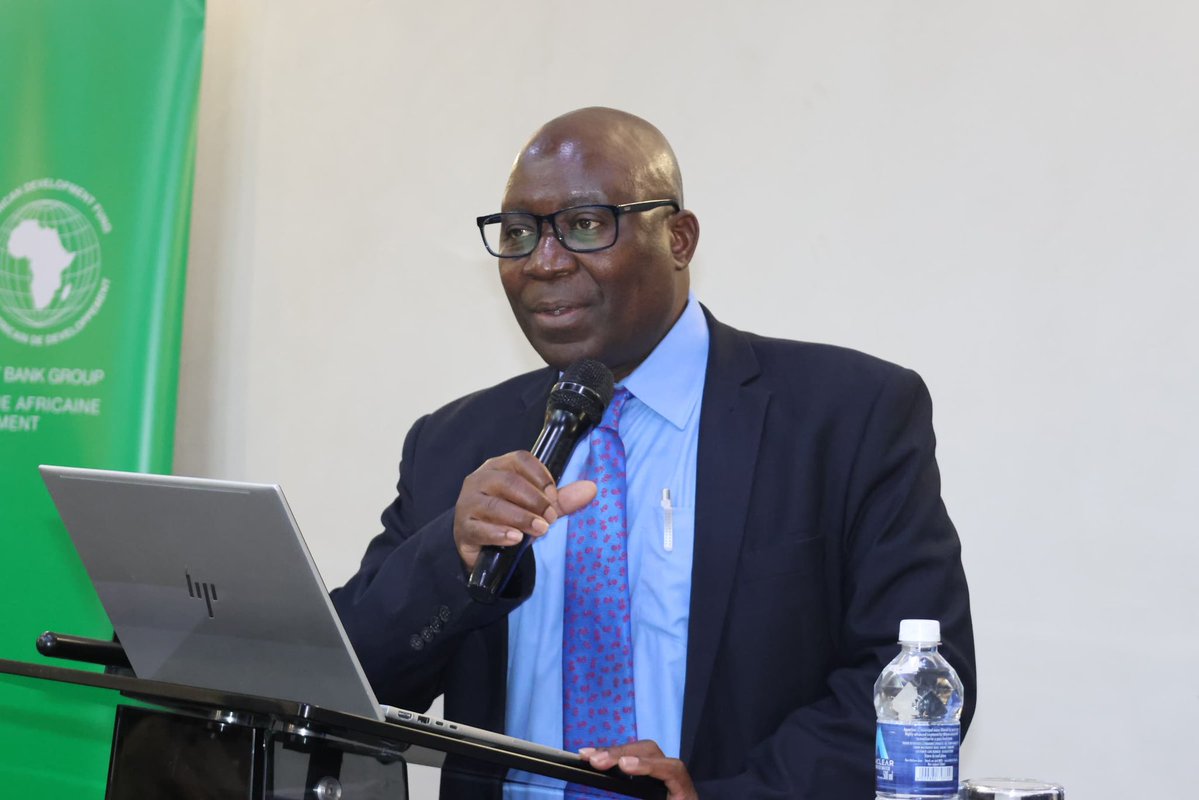
Accounting professionals drawn from central government, local authorities, departments and agencies have refined the Zimbabwe Financial Reporting Manual (ZFRM), a framework that anchors the nation's public financial management reform journey.
Addressing participants, the Acting Accountant-General Mr. Tendai Kachasu said the two completed reporting cycles under accrual IPSAS had equipped the reviewers of the ZFRM with a wealth of practical experience to address recurring implementation challenges and align the Manual with recent IPSAS amendments. The updated ZFRM will provide clear, practical and locally relevant guidance, strengthening consistency, enhancing comparability and supporting better decision-making across Government.
The exercise forms part of the broader Government initiative aimed at reinforcing transparency, deepening accountability and strengthening public confidence in the stewardship of national resources.
#ZFRM #IPSAS #PublicFinancialManagement #Transparency #Accountability
The listing of Old Mutual Limited on the Victoria Falls Stock Exchange (VFEX) marks more than a corporate milestone. It strengthens Zimbabwe’s capital markets, broadens investment opportunities and reinforces the role of capital markets in mobilising long-term investment for sustainable economic growth.
Officiating at the ceremony, Hon. Prof. Mthuli Ncube, Minister of Finance, Economic Development and Investment Promotion, congratulated VFEX on its progress as a credible and competitive platform capable of connecting Zimbabwe to regional and international capital.
He described the listing as a significant milestone in the evolution of Zimbabwe’s capital markets.
The Minister highlighted Old Mutual’s longstanding contribution to Zimbabwe’s economy, including mobilising long-term savings and investing in productive sectors such as agriculture, mining, manufacturing and services.
Its investments demonstrate how institutional capital can support employment, economic resilience and national development.
Old Mutual Africa CEO Clement Chinaka said the migration of Old Mutual Limited’s secondary listing from the Zimbabwe Stock Exchange to VFEX reflects the company’s confidence in the evolution of VFEX as an important platform for investment mobilisation and capital formation.
The move also signals Old Mutual’s commitment to stronger and more connected African capital markets.
The VFEX leadership welcomed the listing as an important development for Zimbabwe’s investment ecosystem, noting the Exchange’s growing role in facilitating access to international capital.
Old Mutual’s return to trading provides an opportunity to enhance market visibility, investor participation and liquidity while strengthening Zimbabwe’s position within regional and international financial markets.
The Victoria Falls International Financial Services Centre also reaffirmed its commitment to a financial ecosystem founded on transparency, innovation, legal certainty, market integrity and investor protection. Old Mutual’s decision to list on VFEX was described as a powerful vote of confidence in Zimbabwe’s evolving financial architecture.
Prof. Ncube emphasised that Zimbabwe’ economic expansion cannot rely solely on commercial bank lending and conventional debt financing.Deeper and more diversified capital markets are essential to provide businesses with long-term growth capital, expand investment opportunities and mobilise savings towards productive investment—supporting enterprise growth, employment and sustainable development.
Declaring Old Mutual Limited officially listed on VFEX, Prof. Ncube called for continued collaboration between Government, regulators, market institutions and the private sector.
He urged Old Mutual to partner with Government through the Infrastructure Fund, combining public purpose with private capital to deliver infrastructure at scale.
Government, business leaders, economists, and various stakeholders engaged in robust discussions on Zimbabwe’s 2026 Mid-Term Budget Review at a Business Breakfast Meeting held in Harare today, with participants broadly acknowledging the country’s economic resilience while proposing measures to sustain growth.
Hosted by the Finance Ministry in partnership with Daily News, the interactive meeting provided a platform for stakeholders to interrogate the Mid-Term Budget Statement, exchange ideas and contribute policy recommendations aimed at strengthening economic performance.
Opening the discussions, renowned economist Eddie Cross presented an overview of the country’s economic outlook, commending the Ministry for maintaining macroeconomic stability and fiscal discipline despite global market volatility, trade tensions and other external shocks.
Panel discussions and contributions from industry leaders, business representatives and other economic stakeholders explored the implications of the Mid-Term Budget Review across key sectors. Delegates acknowledged that Zimbabwe’s economy has remained resilient, underpinned by fiscal stability, recovering agricultural output, enhanced electricity supply, strong export performance, stable revenues and sustained currency stability.
Delivering the keynote address, the Minister of Finance, Economic Development and Investment Promotion, Hon. Prof. Mthuli Ncube, highlighted Zimbabwe’s significant progress in promoting fiscal transparency, noting that the country is now ranked third in Sub-Saharan Africa in the Open Budget Survey, behind only South Africa and Benin.
The Minister said that Zimbabwe now meets the internationally recognised minimum benchmark for budget transparency, reflecting Government’s continued commitment to sound public financial management, open governance and sustainable economic development.
The interactive session also saw Permanent Secretary Mr. George Guvamatanga responding to questions and policy issues raised by delegates, providing further clarity on the Mid-Term Budget Review and Government’s economic priorities. The candid exchanges reinforced the importance of continued public-private dialogue in shaping policies that support investment, economic transformation and the country’s Vision 2030 aspirations.
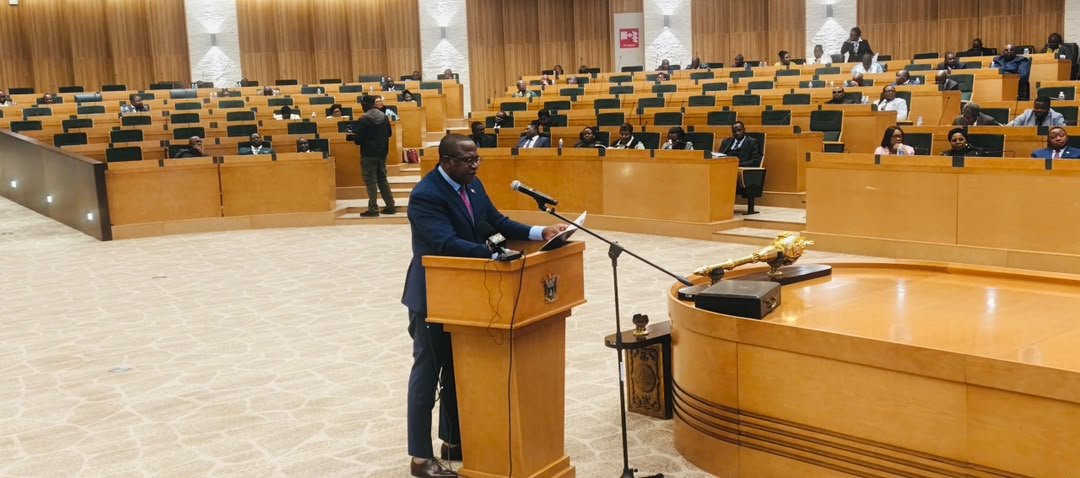
Hon. Prof. M. Ncube recently presented the 2026 Mid-Term Budget Review and the 2027 Budget Strategy Paper to Parliament (@ParliamentZim).
During his presentation, the Minister highlighted the country's steady economic growth momentum and outlined how the Government will maintain the single-digit inflation rate, achieved for the first time in over 30 years.
Watch the video for more insights! @MthuliNcube01
Looking Ahead
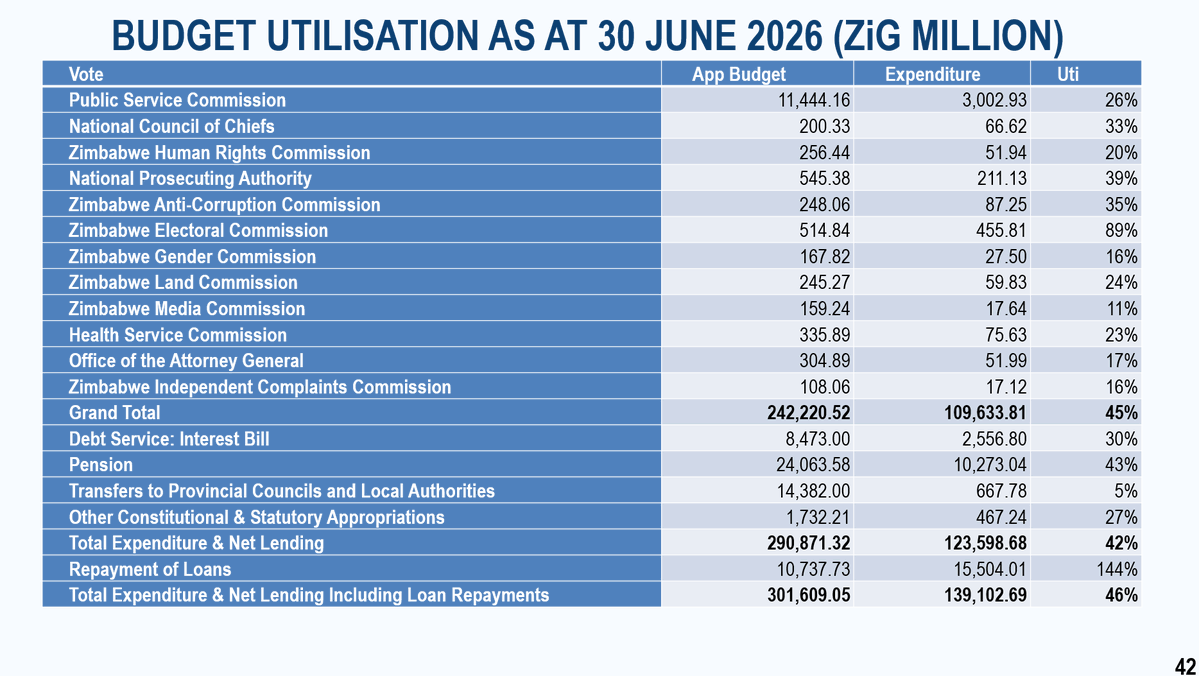
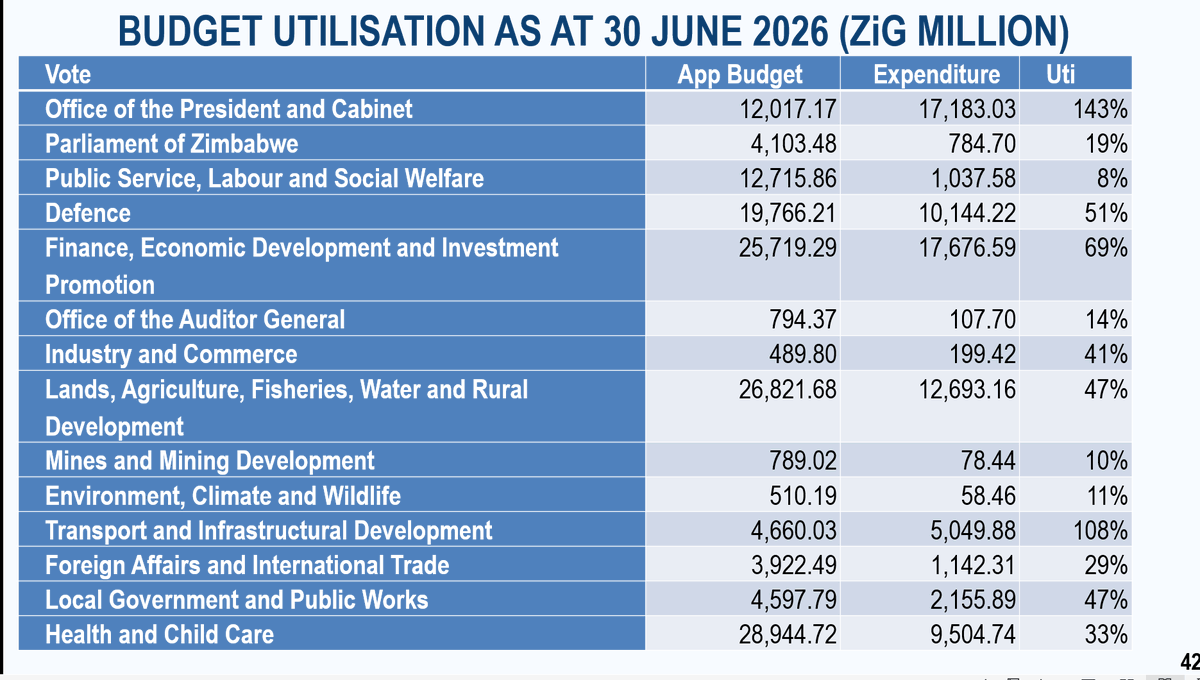
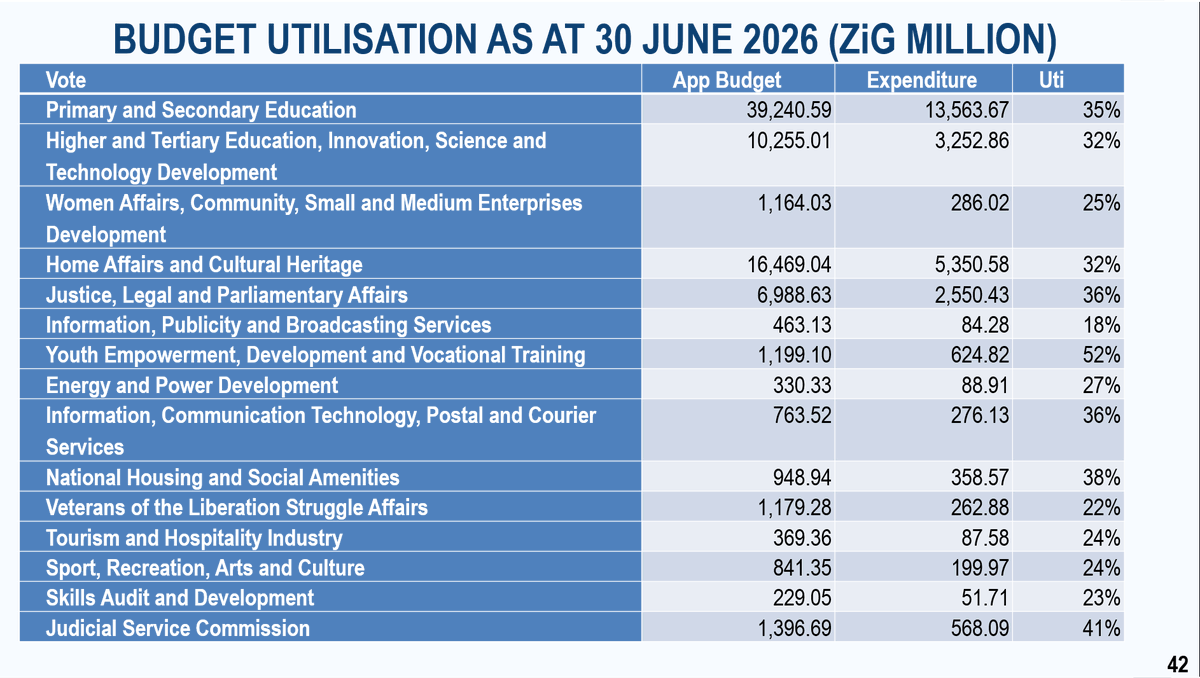
23/The 2026 Budget remains on track. With budget utilisation at 42.5%, Government expects the approved Budget to fully support planned programmes and projects for the rest of the year, without the need for a Supplementary Budget.
24/ Although global challenges, including the conflict in the Middle East, affected fuel tax revenues, Government will continue making strategic adjustments to protect economic stability while preparing for the next agricultural season.
25/ Government has already approved the 2026/27 Summer Crops, Horticulture, Fisheries and Livestock Production Plan. To prepare for possible El Niño conditions, it has adopted a drought preparedness framework focused on:
• Strengthening grain reserves
• Climate-smart agriculture
• Better financing
• Livestock protection
• Food imports where necessary
• Early warning systems and coordination
26/ Government and the IMF signed a 10-month Staff-Monitored Programme (SMP) in April 2026. Government will continue implementing policies that promote macroeconomic stability, sustainable growth and a favourable investment climate.
27/ Government also remains committed to Vision 2030 by strengthening social protection programmes, supporting vulnerable households and improving access to essential services, ensuring that no one and no place is left behind.
Read the full 2026 Mid-Term Budget and Economic Review and the 2027 Budget Strategy Paper at:
https://t.co/tLAxSCHSJA
Government Revenue & Spending
11/Government collected ZiG137.8 billion in revenue during the first half of 2026, while spending stood at ZiG123.6 billion. The savings were used to service public debt and settle arrears owed to service providers.
12/ VAT remained the biggest source of Government revenue, contributing 28.3%, followed by Personal Income Tax (16.6%), Corporate Income Tax (13.8%) and Excise Duty (8.5%).13/ Government spending remained on track, with Ministries, Departments and Agencies using 42.5% of their approved budgets. This shows that the 2026 Budget is supporting planned programmes and national priorities.
14/ Investing in People
Government spent ZiG27.2 billion on social services during the first half of 2026:
• Health – ZiG9.5 billion
• Education – ZiG16.9 billion
• Social Protection – ZiG832 million
More funding will be released in the second half of the year.
15/ Government also continues to support vulnerable citizens. US$4.8 million has been provided to assist the safe and dignified return and reintegration of affected Zimbabweans through humanitarian and economic empowerment programmes.
16/ Building Infrastructure
A total of ZiG11.8 billion was invested in infrastructure, including:
Transport – ZiG3.9 billion
Water & Sanitation – ZiG4.9 billion
ICT – ZiG506.7 million
Health – ZiG679.5 million
Housing – ZiG1.6 billion
17/ Government is establishing an Infrastructure Development Fund to attract more investment into roads, energy, irrigation, schools, hospitals and rail. A US$400 million financing arrangement has been secured for major road rehabilitation projects, with the first US$100 million already secured.
18/ Digital & Water Development
Government invested ZiG506.7 million in digital infrastructure to expand connectivity and innovation. Another ZiG4.9 billion supported dam construction and the Presidential Borehole Drilling Programme, with 526 new boreholes drilled, bringing the national total to 5,395.
19/ Sports & Culture
The refurbishment of the National Sports Stadium is almost complete. Construction of the 10,000-seat Mosi-oa-Tunya International Cricket Stadium is progressing towards completion by December 2026. Government also completed the Shangwe/Tonga Culture Centre and officially opened the Isizinda Cultural Centre.
20/ Energy Improvements
The energy sector performed above target, with electricity generation reaching 4,774.2 GWh, helping to significantly reduce load shedding. Rural Electrification also invested US$13.8 million, completing 266 projects that benefited schools, health centres and rural communities across the country.
21/ Public Debt
As at 30 June 2026, Zimbabwe's Public and Publicly Guaranteed (PPG) debt stood at ZiG580.9 billion (US$21.7 billion). During the first half of the year, Government paid US$170 million towards servicing external debt and ZiG15.3 billion towards domestic debt obligations.
22/ To support Government financing, Treasury also raised ZiG6.7 billion through Treasury Bills and domestic loans.
As Zimbabwe continues working towards Vision 2030, the 2026 Mid-Term Budget and Economic Review shows the progress made so far and the steps being taken to keep the economy on track. It highlights how Government is implementing the 2026 National Budget to support economic growth, create opportunities and improve the lives of citizens.
ECONOMY AT A GLANCE
1/ Despite global challenges, including conflict in the Middle East and disease outbreaks affecting tourism, Zimbabwe's economy remained resilient during the first half of 2026.
2/ Zimbabwe continues to enjoy a stable macroeconomic environment. Inflation averaged 4.2% during the first six months of 2026 the first time in over 30 years the country has achieved single-digit inflation. Currency, exchange rate and price stability have also been maintained.
3/ The economy is projected to grow by 5% in 2026, following strong growth of 8.3% in 2025. Growth is being supported by good agricultural performance, strong mineral prices and reforms that are making it easier to do business.
4/ Zimbabwe remains one of Africa's fastest-growing economies. Stable economic conditions are attracting more investment, especially in the mining and manufacturing sectors. Foreign Direct Investment increased to US$965 million in 2025, up from US$597 million in 2024.
5/ Agriculture continues to drive growth. The sector is expected to grow by 6.9% in 2026, supported by a strong farming season. Grain production is projected at 2.4 million tonnes, while the dairy industry is also expanding.
6/ Mining remains a key pillar of the economy. Gold production is expected to increase to 55.6 tonnes in 2026, while lithium exports rose by 229.8% to US$782.2 million in the first half of the year, driven by value addition and beneficiation.
7/ Manufacturing is strengthening, with projected growth of 5.2% in 2026. Capacity utilisation continues to improve, supported by investment and the Industrial Development Fund, which is helping local companies expand production.
8/ Zimbabwe's economy grew by 6.8% in the first quarter of 2026. Government remains confident that the 5% GDP growth target for the year is achievable, provided there are no major global shocks.
9/ Progress towards Vision 2030 continues. Gross National Income per person has increased from about US$1,700 in 2021 to US$3,200 in 2025, bringing Zimbabwe closer to upper middle-income status.
10/ Zimbabwe's external sector remains strong. Foreign currency receipts increased by 47.8% to US$10.7 billion in the first half of 2026, while the current account recorded a US$616.3 million surplus, reflecting strong export performance and economic resilience.
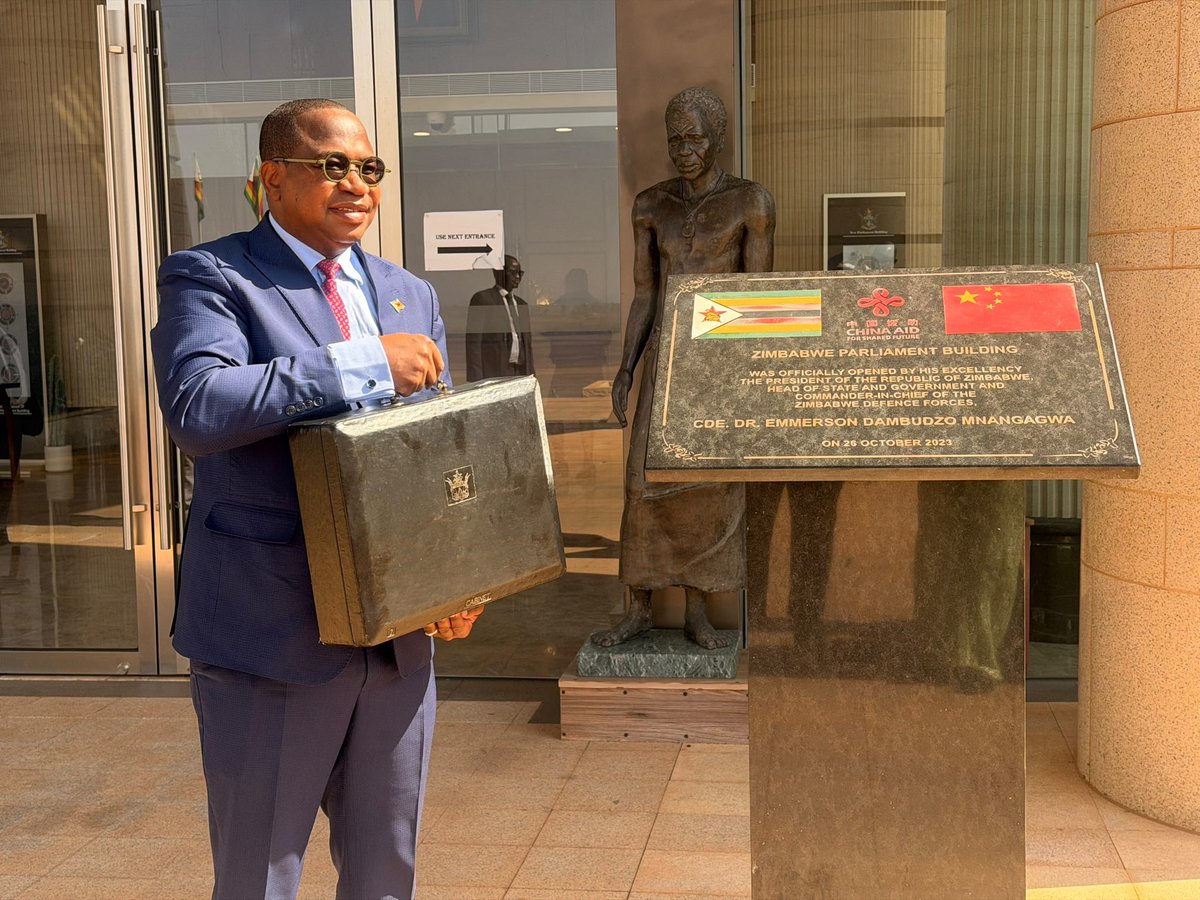
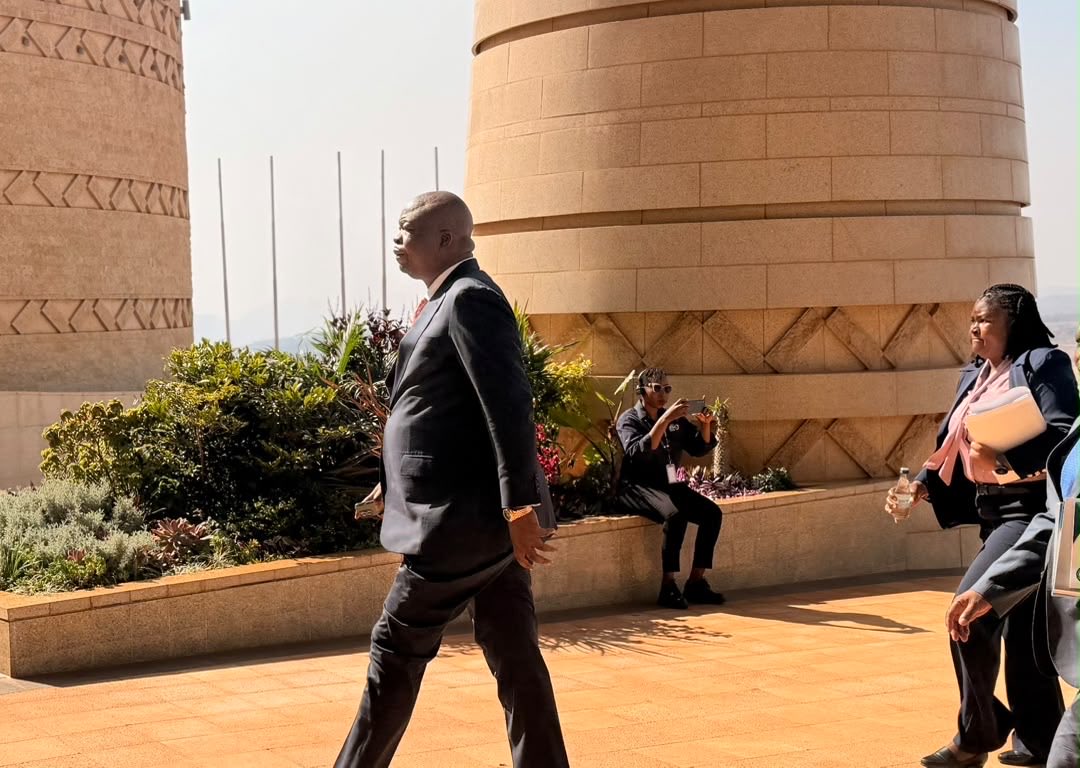
The Minister of Finance, Economic Development and Investment Promotion, Hon. Prof. Mthuli Ncube, and the Permanent Secretary, Mr. George Guvamatanga and senior treasury officials have arrived at the New Parliament Building for the Presentation of the 2026 Mid-Term Budget Review and Budget Statement.
The Mid-Term Budget Review provides an update on economic performance during the first half of the year and outlines policy measures to sustain macroeconomic stability, support growth, and enhance service delivery.
Follow the link below for proceedings:
https://t.co/3lO3VaZ66v
#MidTermBudget2026 #BudgetReview #Zimbabwe
⏳ Few hours to go !
The Hon Minister Prof. Mthuli Ncube, will present the 2026 Mid-Term Budget Review and the 2027 Budget Strategy Paper today Thursday, July 30, 2026 at 2pm .
Stay tuned for key updates on the economic outlook, policy direction, and strategic priorities for the coming year.
#Budget2026 #EconomicGrowth #Zimbabwe #MidTermBudget
During a courtesy call on the Minister of Finance, Economic Development and Investment Promotion, Hon. Prof. Mthuli Ncube, Japanese Ambassador H.E. Maekwa Nokubata and JICA Senior Vice President Mr. Ando Naoki reaffirmed Japan's commitment to supporting Zimbabwe's National Development Strategy 2 (NDS2).
The meeting highlighted the imminent handover of the Makuti–Chirundu Highway, a strategic section of the North–South Corridor that will strengthen regional trade and economic integration. Government is also mobilising resources to rehabilitate the Harare–Makuti stretch, completing the Beitbridge–Chirundu Highway.
JICA commended Zimbabwe's economic reforms and the successful implementation of the IMF Staff-Monitored Programme, noting the country's strong economic performance, including projected 8.3% growth, sustained current account surpluses, improved budget transparency and declining inflation.
Japan also pledged continued support towards Zimbabwe's human capital development and investment in key productive sectors.
⏳ A Day to Go!
Mark your calendars! The Hon Minister Prof. Mthuli Ncube, will present the 2026 Mid-Term Budget Review and the 2027 Budget Strategy Paper on Thursday, July 30, 2026.
Stay tuned for key updates on the economic outlook, policy direction, and strategic priorities for the coming year.
#Budget2026 #EconomicGrowth #Zimbabwe #MidTermBudget
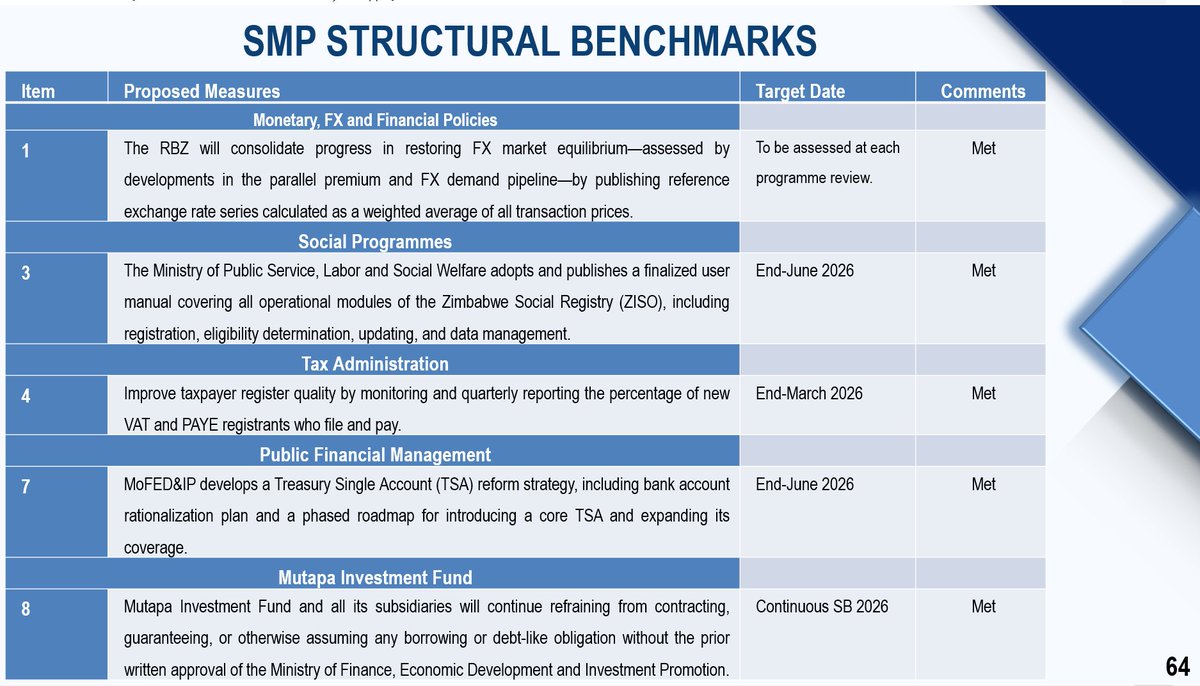
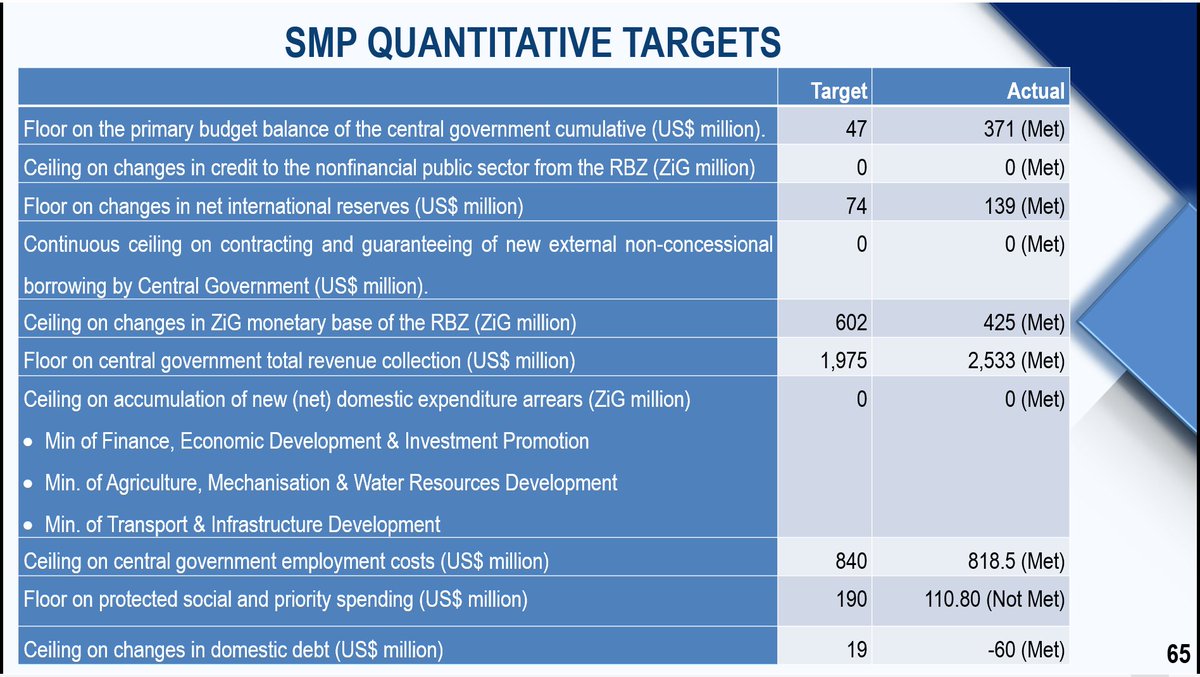
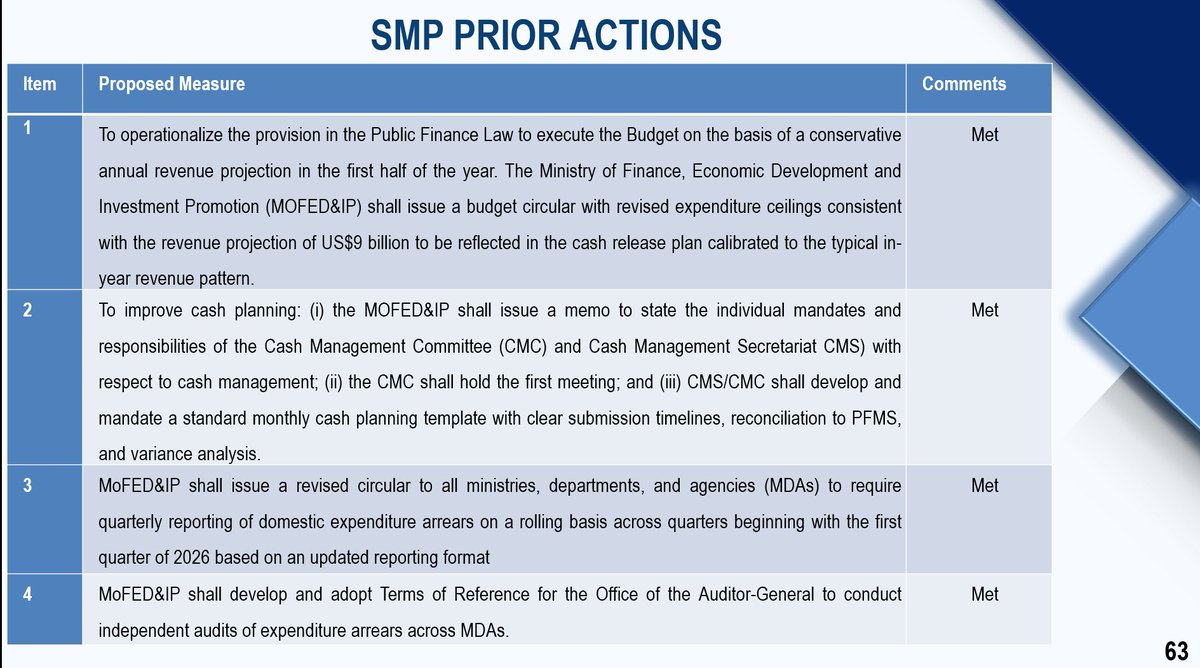
The IMF has approved the first review of Zimbabwe’s 10-month Staff-Monitored Programme, confirming strong implementation of agreed reforms.
All key targets and benchmarks were met by March 2026, reflecting solid fiscal and economic management.
The programme highlights the need for continued policy discipline, improved fiscal risk management and protection of social spending.
It also emphasises ongoing monetary, exchange rate, and governance reforms.
Overall, this progress is crucial for strengthening economic stability and supporting Zimbabwe’s re-engagement with international partners.
@MthuliNcube01@GGuvamatanga
https://t.co/nAnBweJE1E
The Government is transitioning decisively from IPSAS adoption to full IPSAS optimisation.
Building on a commendable 91% submission rate for IPSAS‑compliant 2025 financial statements across central government, local authorities and State‑Owned Enterprises, preparers and reviewers have now turned their attention to refining the enabling framework itself: the Zimbabwe Financial Reporting Manual (ZFRM).
Delivering introductory remarks, the Deputy Accountant‑General Mr Shumbaimwe outlined four critical imperatives guiding this revision: aligning the ZFRM with recent amendments to IPSAS issued by the IPSASB; integrating practical lessons drawn from the 2024 and 2025 financial statement reviews; addressing recurring findings surfaced during quality assurance processes and resolving the persistent implementation challenges reported by entities across Government.
This exercise is ultimately directed towards the greater national good of reinforcing transparency, deepening accountability and strengthening public confidence in the stewardship of national resources.
#IPSAS #ZFRM
The Government of Zimbabwe has launched the Zimbabwe Arrears Clearance Dialogue Enhancement Project (ZACDEP), a US$4 million (UA 3 million) initiative designed to accelerate implementation of the country’s arrears clearance and debt resolution roadmap through strengthened dialogue, institutional capacity building and governance reforms. Backed by the African Development Bank, the project will run over a three-year period and is expected to play a pivotal role in restoring macroeconomic stability, unlocking development financing and advancing inclusive economic growth.
The project supports the implementation of the arrears clearance and debt resolution roadmap while strengthening governance, public debt management and oversight systems. It also promotes structured dialogue among Government, creditors and civil society, alongside building institutional capacity in debt management, land tenure and anti-corruption frameworks.
Crucially, the initiative advances the country’s Vision 2030 goal of attaining upper middle-income economy status, as well as the National Development Strategy 2 (NDS2), which prioritises macroeconomic stability, governance reforms and international re-engagement. By addressing structural constraints linked to debt distress and reinforcing institutional credibility, ZACDEP is expected to contribute to the broader transformation trajectory envisioned under these frameworks.
Officials maintain that the success of ZACDEP will depend on coordinated implementation across Government institutions, development partners and non-state actors. If effectively executed, the project is expected to ease Zimbabwe’s debt burden, improve governance standards and position the country for sustainable economic recovery and deeper integration into regional and global financial systems.
Access to capital markets is critical to unlocking the growth potential of Zimbabwe’s small and medium-sized enterprises SMEs, which contribute approximately 60% of GDP, 70% of employment and accounts
for 90% of businesses operating in the country.
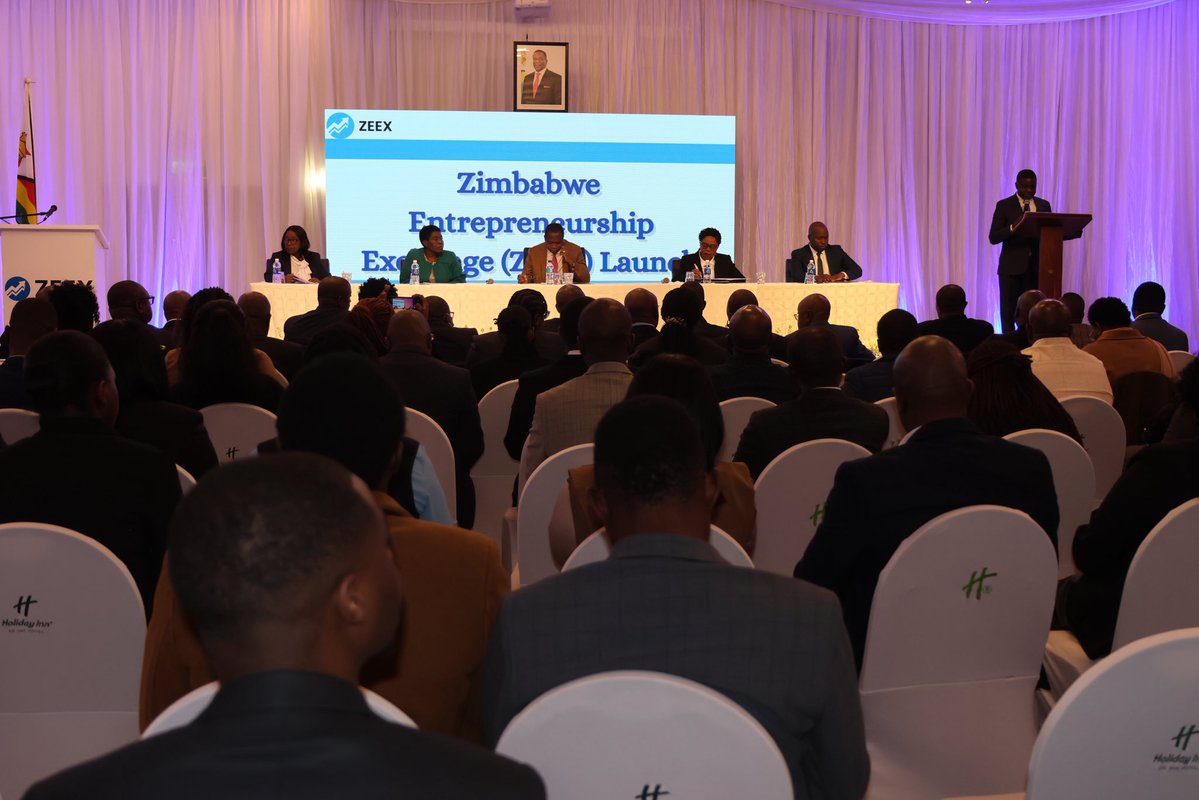
Speaking at the launch of the Zimbabwe Entrepreneurship Exchange (ZEEX), the Minister of Finance, Economic Development and Investment Promotion, Hon. Prof. Mthuli Ncube,said that the deepening and modernisation of Zimbabwe’s capital markets are central to achieving the country’s Vision 2030 goal of attaining Upper-Middle-Income Economy status. He also noted that expanding access to finance for SMEs is essential for driving innovation, strengthening productivity, and supporting sustainable economic growth.
Through new and inclusive financing solutions introduced by Zimbabwe Stock Exchange Holdings, SMEs will gain access to a range of instruments, including invoice discounting, private capital markets, property-backed bonds, peer-to-peer lending, and opportunities to raise capital through stock exchange listings. These options are expected to provide businesses with more flexible and affordable pathways to secure funding at different stages of growth.
This model is designed to address the diverse financing needs of SMEs, enabling them to expand, invest, and generate employment. By broadening access to finance and supporting industrial transformation, Zimbabwe is fostering a more inclusive, productive, and investment-driven economy—advancing the National Development Strategy 2 (NDS2) principle of leaving no one and no place behind and bringing the Nation closer to the achievement of Vision 2030 .