@EugenPinak "Type 91 7,7 mm heavy machine gun [...]"
The Type 91 tank machine gun is in 6.5mm as it was basically just a tank adapted 6.5mm Type 11 LMG.
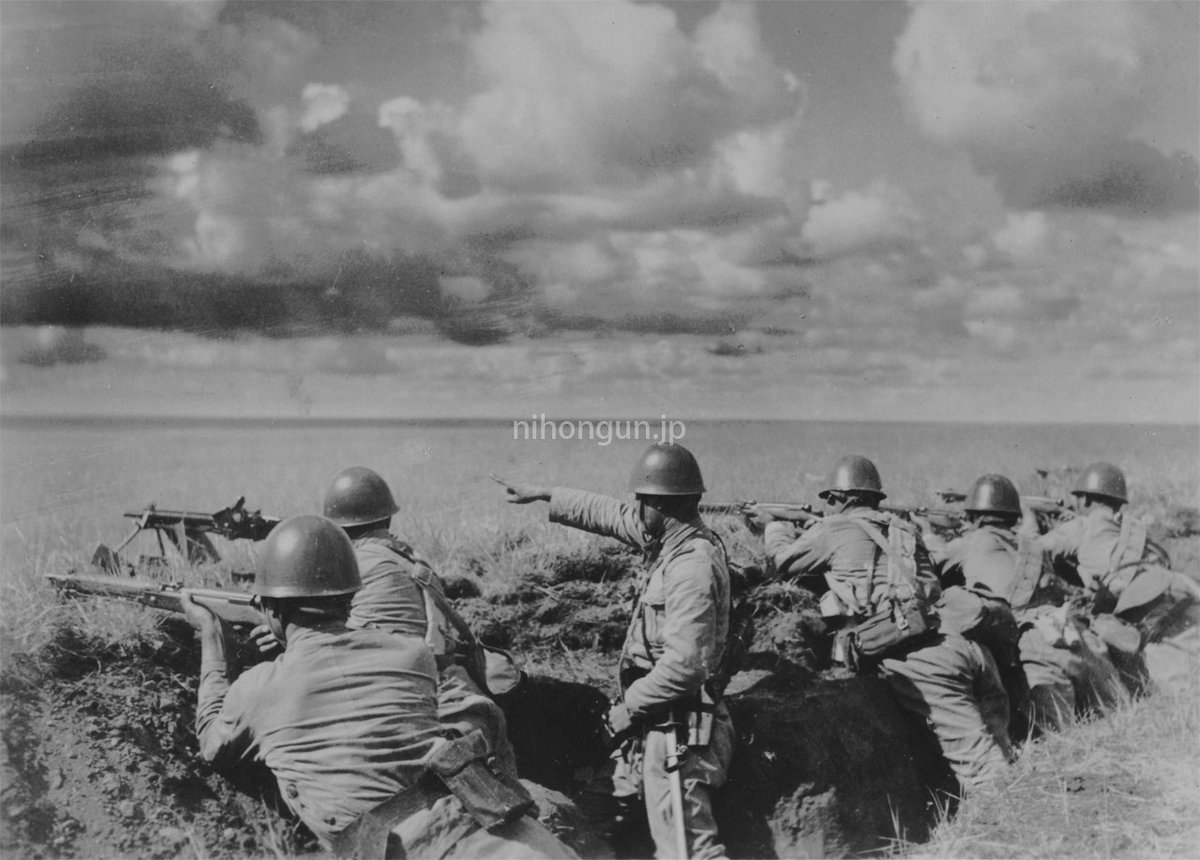
A Japanese soldier in the Imperial Guards 5th Infantry Regiment armed with a Type 99 short rifle, c. 1943.
Despite being a standard issue weapon, clear period photos of them in use are surprisingly hard to find.
@KrypTanko facilitate ignition; it was ignited using a detonator powered by explosives."
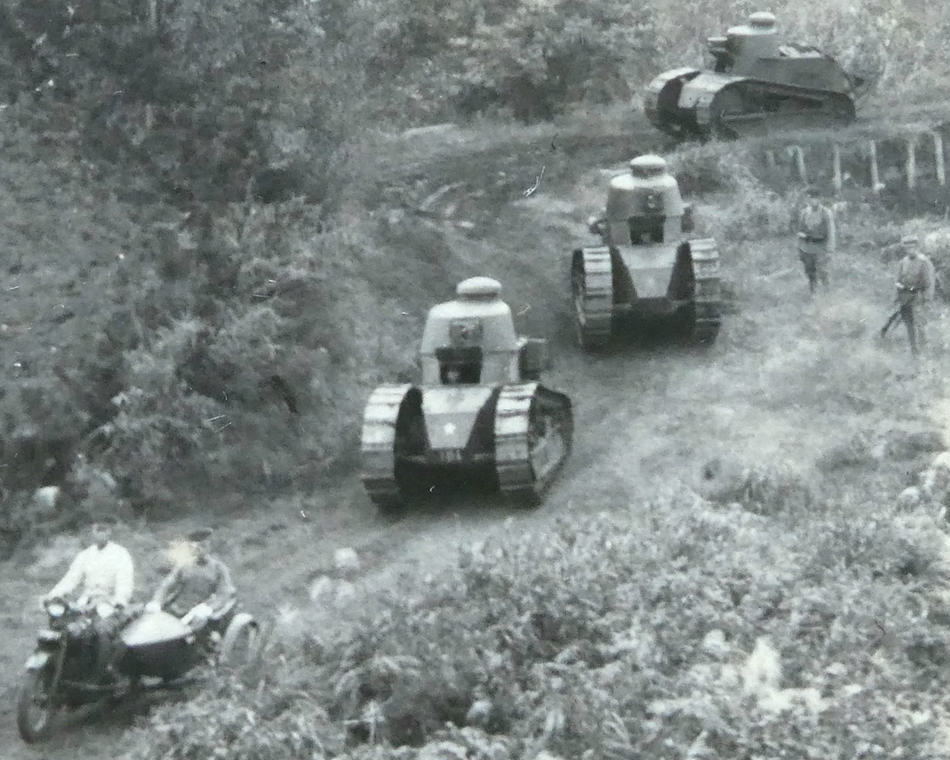
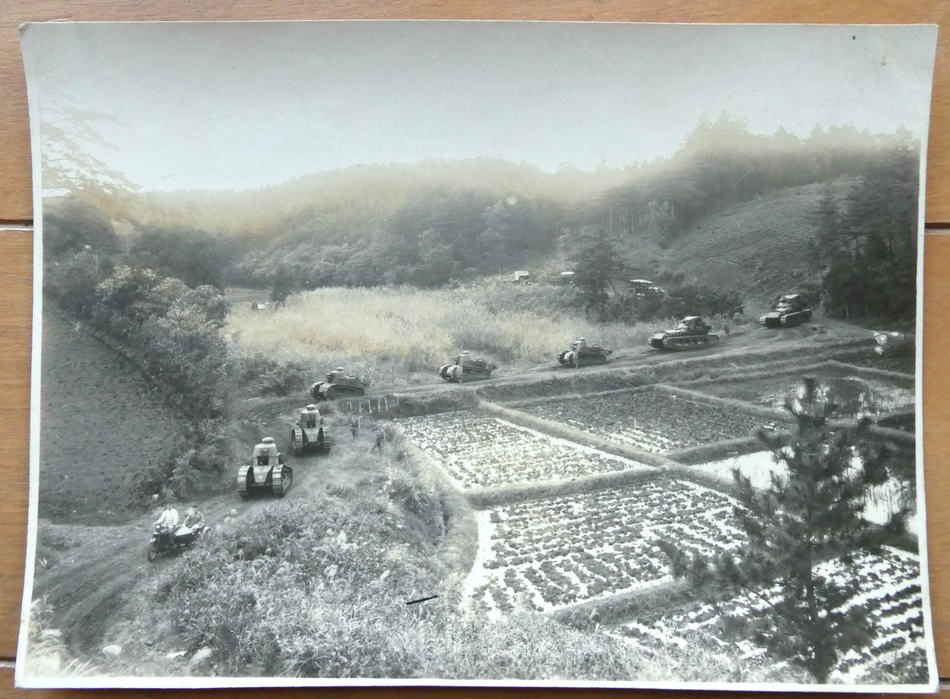
Couldn't find a designation for it yet sadly, even in the book it's just called "flamethrower".
Oh also a fellow researcher told me the front MG could be replaced with a flamethrower too for up to 6.
@KrypTanko "a 20-bar air reservoir, and a launch tube, and intermittently fires 180 liters of flame-throwing fuel forward and to the left and right. The flame-throwing fuel is a mixture of heavy oil to sustain the flame, petroleum to provide heat, and a small amount of gasoline to" -> cont.
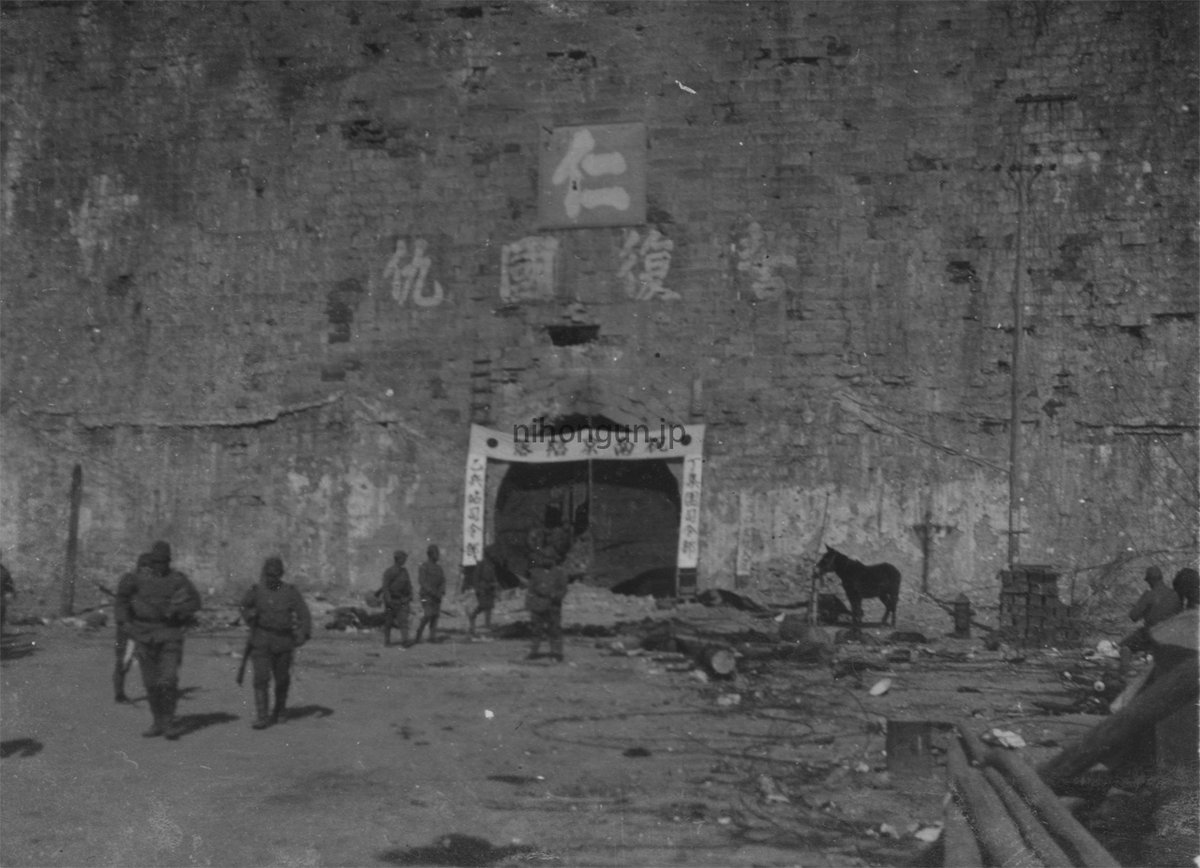
I did a writeup on the Battle of Sihang Warehouse and the origins of the misinformation surrounding it, which is pretty crazy as it involves a history professor copying off Wikipedia. Anyone open for a slightly long-winded read can view it here:
https://t.co/sUNjwuTats
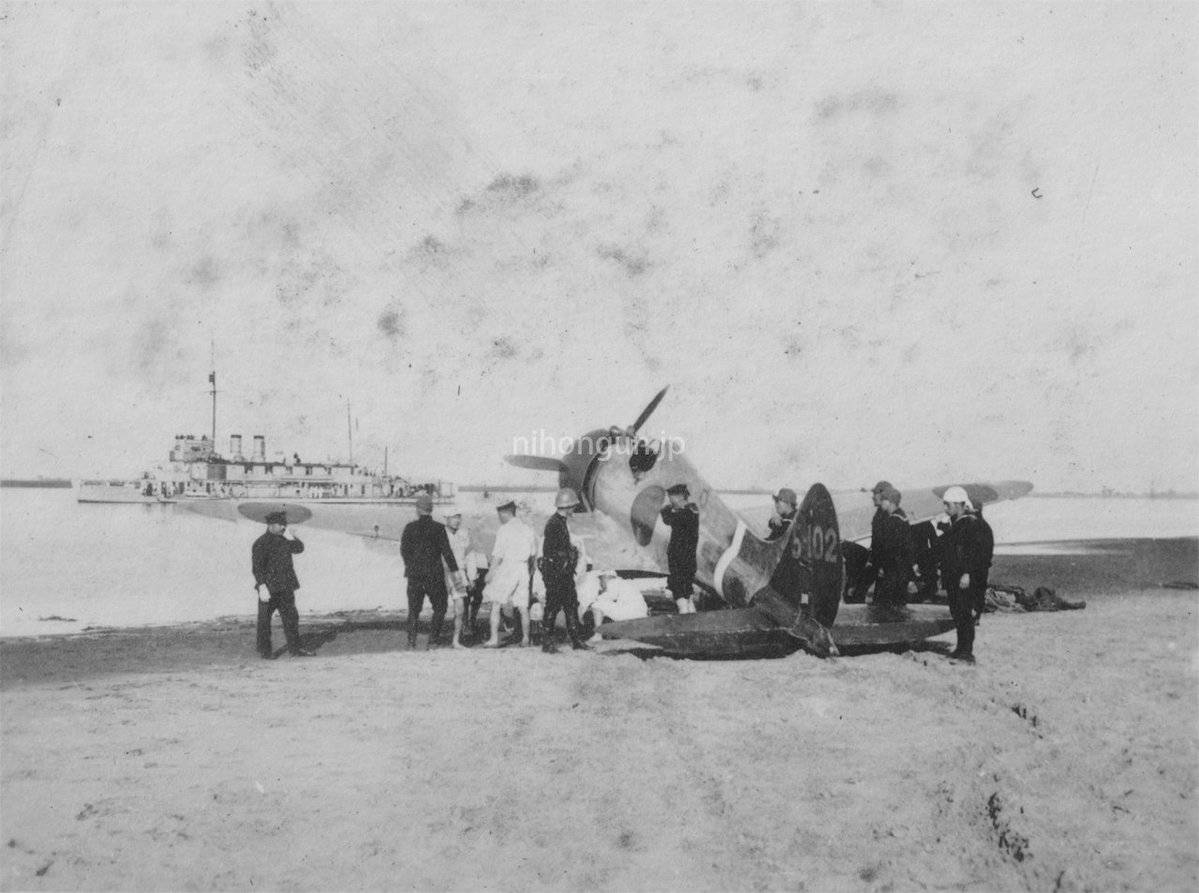
Japan carried out rescue missions for their pilots too!
Pictured here is Gunboat Katata's Naval Landing Force dispatched to rescue a pilot that crash landed in 1938. Obviously the ability to carry out such missions greatly diminished during the war.




![fran_gottenberg's tweet photo. ぴわ〜
(知らなかったものを見つけている)
治安部参謀司第二課 編『鉄心』6(3),[満州国]治安部参謀司,1940-03. 国立国会図書館デジタルコレクション https://t.co/rnKXoF1nTo (参照 2026-04-20) https://t.co/q9nnTFPhl2](https://pbs.twimg.com/media/HGUSV2gaAAANwgN.jpg)
![fran_gottenberg's tweet photo. ぴわ〜
(知らなかったものを見つけている)
治安部参謀司第二課 編『鉄心』6(3),[満州国]治安部参謀司,1940-03. 国立国会図書館デジタルコレクション https://t.co/rnKXoF1nTo (参照 2026-04-20) https://t.co/q9nnTFPhl2](https://pbs.twimg.com/media/HGUSVk6bcAA4Hg5.jpg)









![_Killerwolf_'s tweet photo. @EugenPinak "Type 91 7,7 mm heavy machine gun [...]"
The Type 91 tank machine gun is in 6.5mm as it was basically just a tank adapted 6.5mm Type 11 LMG. https://t.co/kp4jVv1ens](https://pbs.twimg.com/media/HJXI1elXAAEPNMj.jpg)


![fran_gottenberg's tweet photo. ぴわ〜
(知らなかったものを見つけている)
治安部参謀司第二課 編『鉄心』6(3),[満州国]治安部参謀司,1940-03. 国立国会図書館デジタルコレクション https://t.co/rnKXoF1nTo (参照 2026-04-20) https://t.co/q9nnTFPhl2](https://pbs.twimg.com/media/HGUSWRxb0AAPpdF.jpg)





