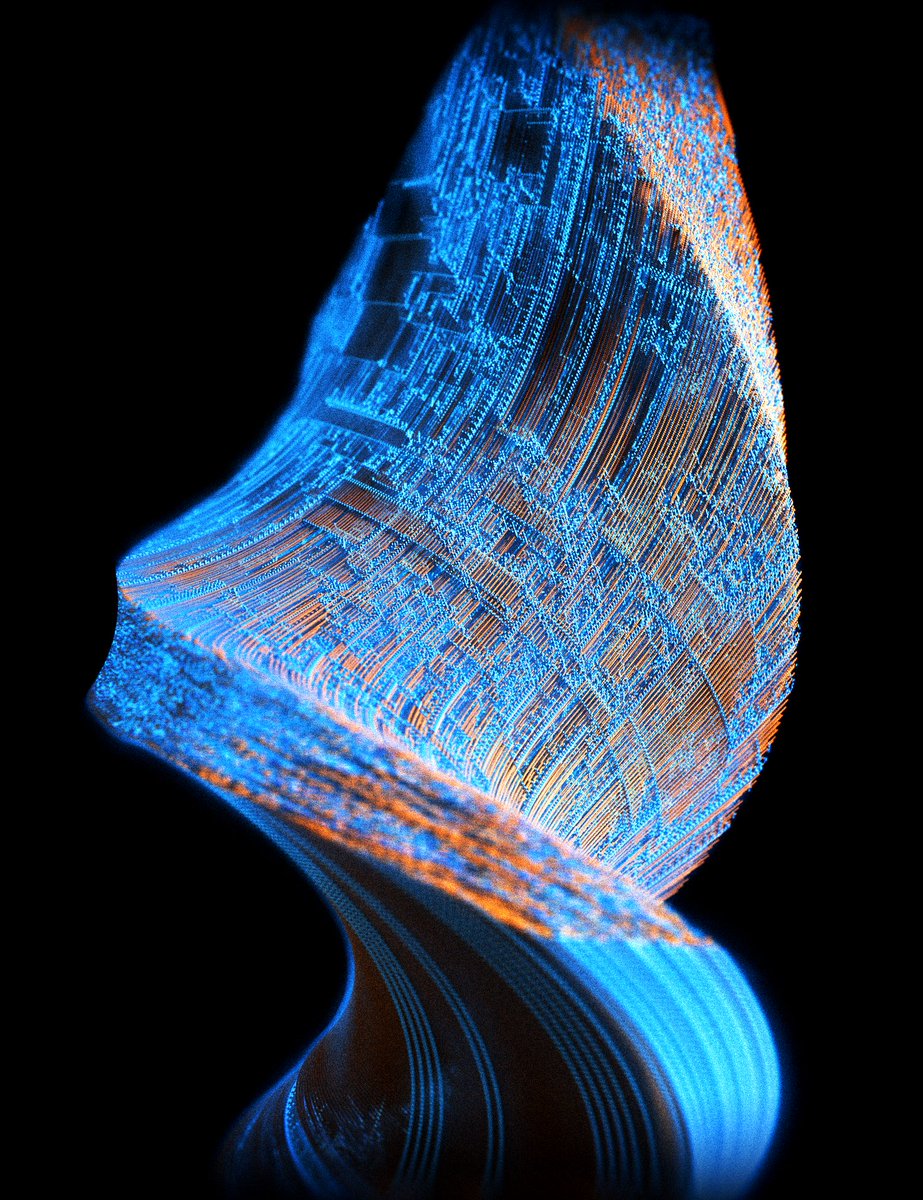
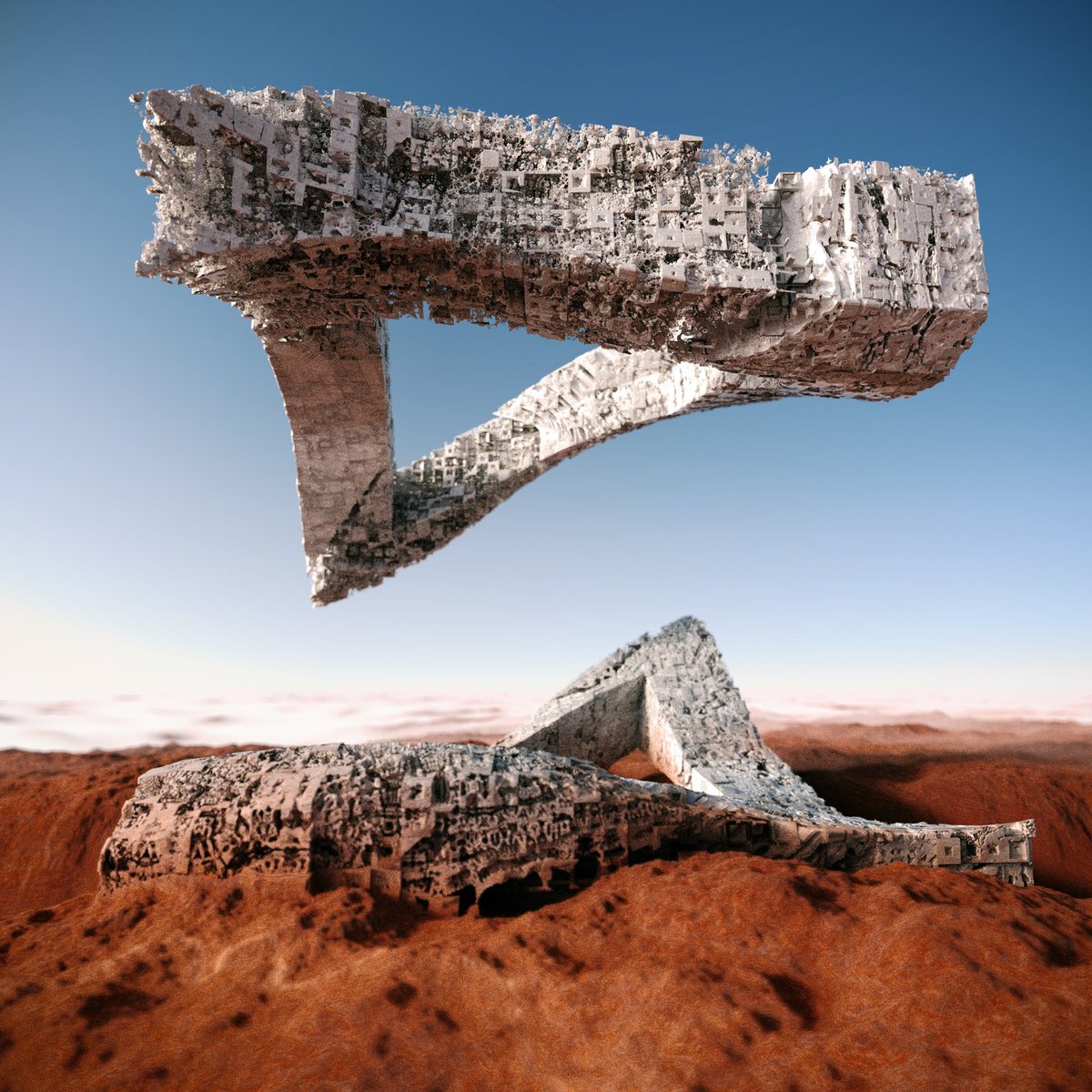
The neon glow was not included in the final version of Chrysalis. In long-form series, it is difficult to incorporate certain elements due to excessive randomness. Nevertheless, it was an interesting experiment. I found this image while browsing the archives.
#genartclub#fxhash
Further improvements may be possible. My main takeaway is that once the models have the full context of a problem, they become extremely powerful. Building the proper context was most of the work.
After a long back and forth, GPT-5.6 Sol produced a proof (formally verified in Lean) of the following Ramsey number inequality:
R(k+1,s+1) >= R(k,s)+2k+2s for 5<=k<=s.
As a consequence, this also establishes a new lower bound R(12,12) >= 1641.
GPT-5.6 Sol in Codex generalized the construction into a proof. GPT-5.6 Pro then improved the argument and sketched the Lean flow for Codex implementation. I used Fable 5 to audit each step. On reexamination of the finished proof, I asked Pro to try to squeeze out one extra vertex. The process was repeated until the new proof was formalized.
Full proof, notes, and code:
https://t.co/N8zKnsP7kD
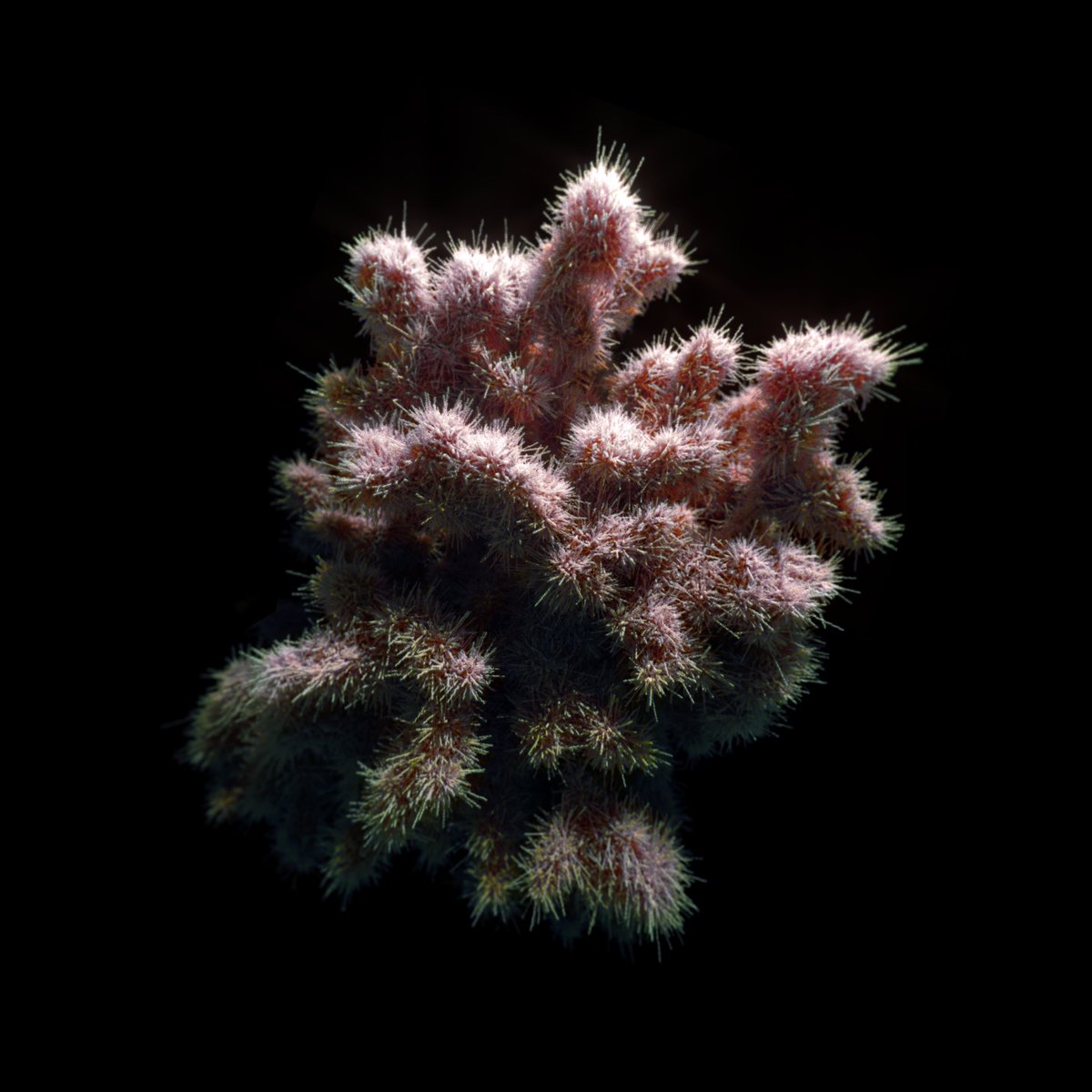
@jbaker_graphics Impressive fractal work! I love the fine threads interconnecting the mushroom-like structures and the overall organic look. The atmosphere is perfect.
@i_dianov@arsiliath Yes, we represent octrees in textures by storing only the root with pointers, marking occupied cells only. This optimize the memory usage and processing for sparse octrees.