AnimalTA is a free, user-friendly, and open-source video tracking program. It aims to provide researchers with a simple tool to analyze videos. #openscience
We just released the last update of AnimalTA!😃
As illustrated below, v3.2.2 brings improvements to the heatmaps.
Future updates will also be easier with the new auto and semi-auto update options 🚀
.ata files can be opened from the explorer, no need to launch AnimalTA first!
New paper on the link between FKBP5 expression
and risky foraging in house sparrows. Low FKBP5 expression is associated with increased risk taking. Also confirming correlation between blood and HPA axis regulatory regions expression with @MartinlabUSF https://t.co/aQmH56G7GR
Did you know that spiderlings are gregarious after leaving their egg sacs? These Agelena labyrinthica juveniles are tested in our dispersal arenas, and you can see dispersal in action here! Tracked with @_AnimalTA_ .
We're hiring! Please RT!
Exciting opportunities for #PhD students, #postdocs, and #research assistants to join us in exploring how the brain prioritises actions in conflict.
#Neuroscience#Drosophila
Interested? Get in touch! https://t.co/5HMJJSVSJi
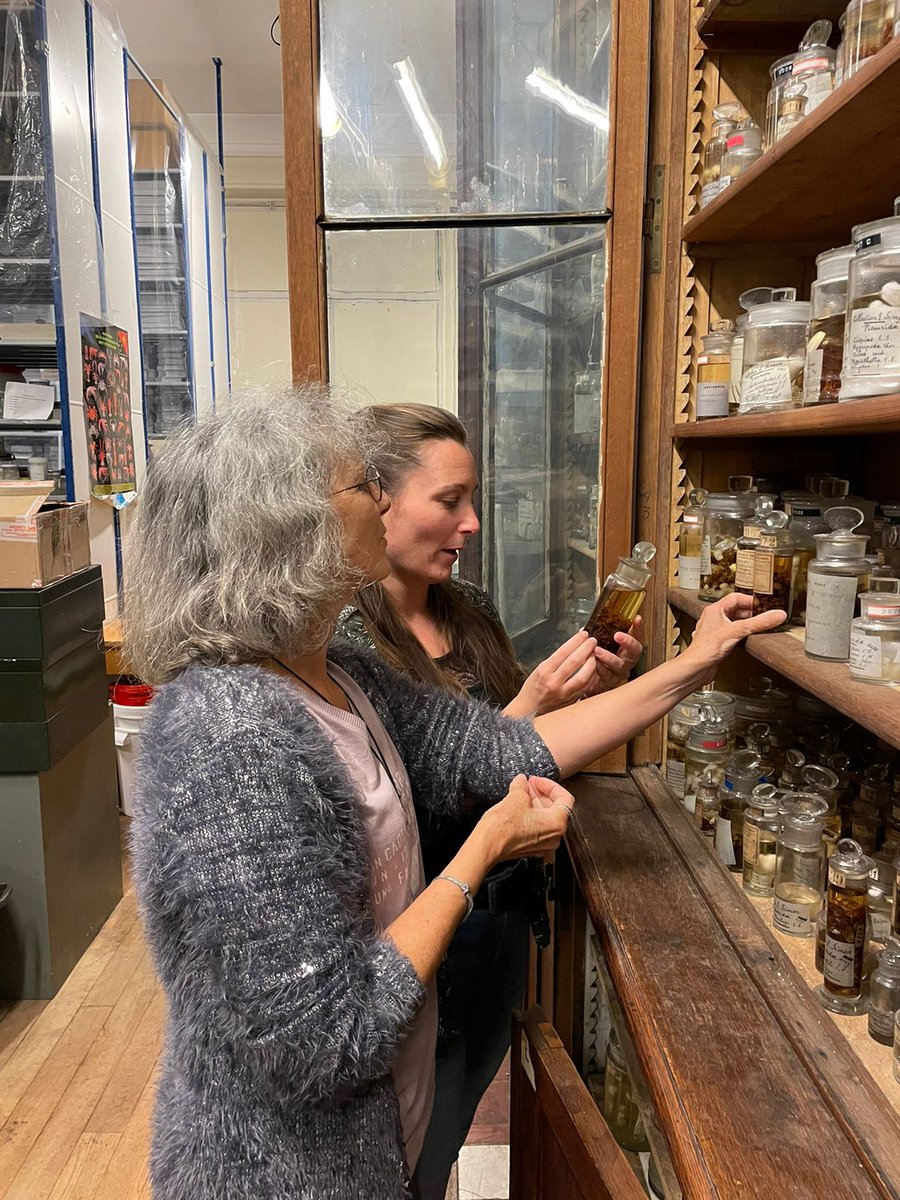
🎉I"m thrilled to announce that I joined the @UMR_MECADEV@ECOTROP_MNHN
at the @Le_Museum in Paris as Assistant Professor and next Curator of the #spider collection 🕷️! Excited to continue my work on tropical spider ecology & evolution, and to welcome anyone in the collection! 🤗
Don't miss out working with one of the best and kindest scientists I know!! Neil Rosser’s lab at the University of Miami is currently recruiting graduate students interested in the evolution of tropical biodiversity
https://t.co/qDmOAaMEPy
🌟 Final Call: D-2 to #ABL2024! 🌟
Join us online to connect with the animal behavior community! Don’t miss two full days of exciting talks, networking, and social events.
📅 Last chance to register: https://t.co/NIdIPdnQx0
Be part of this amazing experience! 👥🐾💚
New paper out today: agents will follow others they believe are wrong to maintain access to collective wisdom in the future. This means we should be suspicious of consensus - some disagreement is an indicator of a wise group
https://t.co/6FtEhSbhrg
Happy to share our new article on "Neural signalling underlying appetitive motivation in honey bees" in Current Opinion in Neurobiology! This was possible thanks to @Mischocarvalhus , @LBestea and Gabriela de Brito Sanchez.
Link for free download here:
https://t.co/eXXo7bzZXC
If you wonder which molecules drive appetitive behaviors in honeybees, check out our latest review! Special thanks to my supervisors, @MartinGiurfa and Gabriela de Brito Sanchez, for the opportunity to contribute. Huge thanks as well to @FFyssen for sponsoring my postdoc!
Hi all, my lab at UC Riverside is recruiting PhD students for Fall 2025! These positions will be fully funded and include NIH-funded projects on recombination rate evolution and chromosomal inversions. Get in touch with me at [email protected], and please RT!
🚨 D-6 until #ABL2024! 🚨
Join us Nov 4-5 for a packed program on animal behavior with 6 plenary talks, 24 presentations, 44 virtual posters, 3 workshops, and 5 “Meet the PI” sessions! 🧠🐝🐟
Connect with leading experts and peers!
👉 Register here: https://t.co/NIdIPdnQx0
Now Hiring: Assistant Professor and Assistant Entomologist in Conservation Genomics and Biodiversity | University of California Riverside: Riverside, California | https://t.co/yMGYnIpDsk #jobs
🤩I am thrilled to announce that @ERC_Research has awarded me an #ERCStG ! With Micro-Cog we will look at the microbiota-gut-brain axis in 🐝Thanks to everyone who helped me on the way and my new host @CbiToulouse Open positions coming soon, stay tuned 🤓
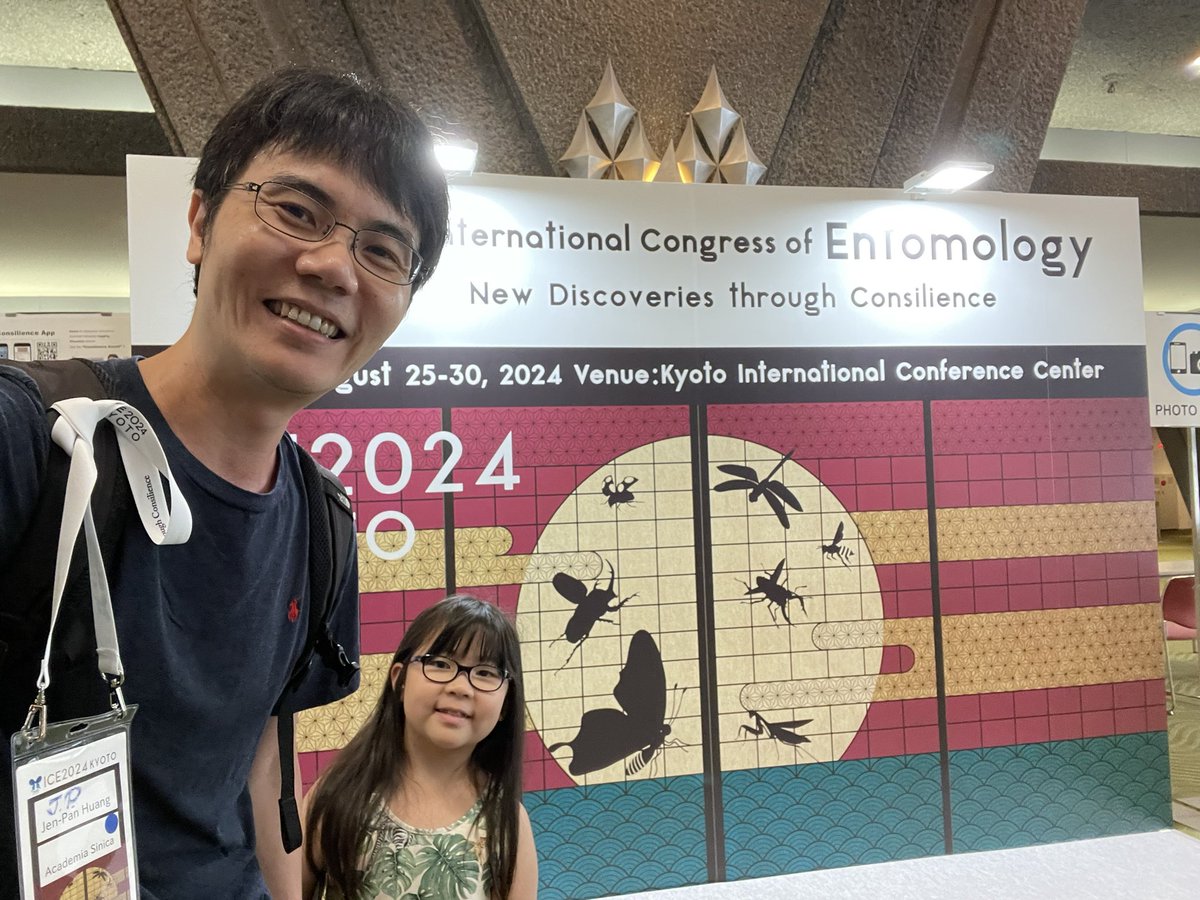
It was truly a great experience to connect and reconnect with friends in #ICE2024 last week. I am recruiting a PhD student in conservation and speciation genomics in beetles (& some butterflies/orchids) with 5 years of support. Reach out to me if interested.
Congratulations to Peter Schusberger and Thi Hanh Nguyen on their remarkable publication! 🥳 They used AnimalTA to track the behavior of predatory mites and demonstrated that early social isolation disrupts the expression of adult personality traits. https://t.co/iQVGwNsGlG