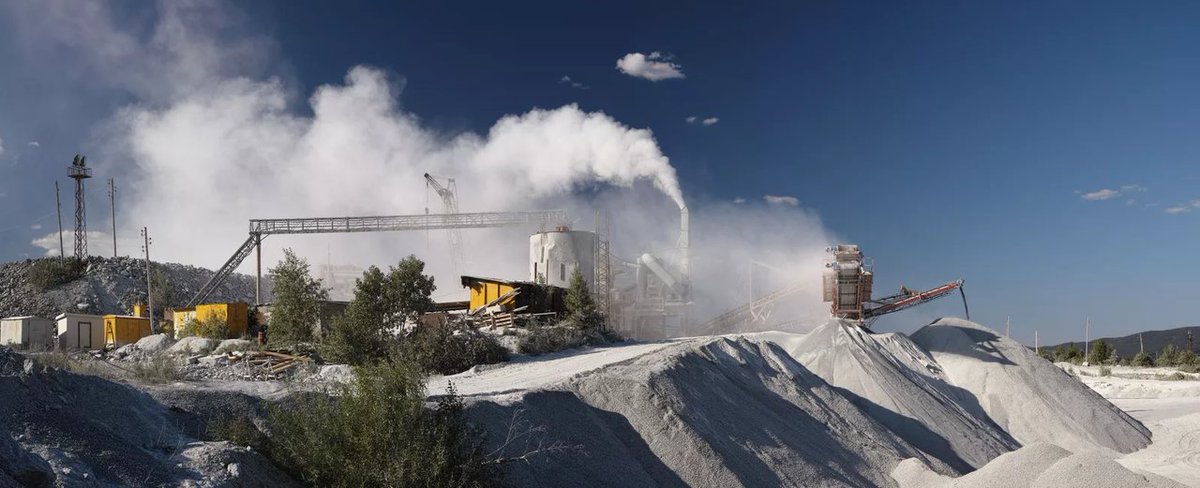
Dust can affect screen performance, belt condition, inspection routes and fault diagnosis.
Our latest post looks at how quarry dust suppression can help prevent plant downtime.
Read the full article today on the Best-Chem blog: https://t.co/LYltF0kXMU
Stockpile dust can quickly become a boundary issue when exposed fines reach nearby roads, buildings, vehicles or public spaces.
Our latest blog post looks at 5 stockpile dust control strategies that help sites reduce visible emissions.
Read it here: https://t.co/2l4iPyj3ZW
Rail freight can mean saleable product lost during loading, reduced retained load, and residue around the railhead.
In our new article, read how loading-point suppression can help keep more material within the freight route: https://t.co/6lYcfrX0TV
Wood dust control is both a respiratory and combustible-risk issue. Our new article explains exposure limits, extraction performance, and ignition-sensitive plant assessment for demanding site environments and operations.
Click here to find out more: https://t.co/ny1lgv1FEn
Iron ore dust behaves differently at each stage of the handling route. Our latest article looks at how iron ore dust is released during processing and why rail transport needs its own load-surface control strategy.
Click here for the full piece: https://t.co/nzDTMRFPzU
The exposure limit for respirable crystalline silica is 0.1 mg/m³ over 8 hours. But just knowing the number isn’t enough.
Our latest blog explains silica dust exposure limits, monitoring requirements and how to stay compliant on site.
https://t.co/UGtC4afB4U
#SilicaDust
Dust control needs more than occasional spraying.
Our latest article looks at how an automatic misting system can improve dust suppression, reduce water waste, and support better site standards.
Read more today on the Best-Chem blog.
https://t.co/xM21WFd6Jp
Foam, mist, sprays. Which dust suppression method is the best fit for your site?
Our latest blog compares the 3 methods of dust suppression and explains where each method performs best.
https://t.co/hJ5cvAKuo9
#DustControl#BulkHandling#Quarrying#IndustrialOperations
Concrete left on hired plants can quickly turn into a costly return issue.
Our [latest post] looks at how to remove concrete more effectively, when to act, and how better dust control practices can help avoid damage charges on leased equipment.
https://t.co/lyoKnO7ypz
Bulk loading operations are one of the biggest sources of fugitive dust on industrial sites.
Our blog explains practical dust control and bulk loading systems, and how to stay aligned with dust suppression regulations.
https://t.co/qCfbfUefFH
#DustControl#BulkHandling
Haul road dust doesn’t just reduce visibility on site, it also accelerates plant wear.
Discover 5 ways dust suppression chemicals for roads help prevent machinery failure and reduce downtime across quarry sites.
https://t.co/RTFTZOYGtW
#DustControl#Quarrying#PlantMaintenance
Concrete crushing generates high levels of dangerous silica dust.
Our latest blog outlines 7 practical strategies to reduce dust when grinding concrete and improve on-site safety, plant longevity and performance
https://t.co/EvY8IAiVDG
#ConcreteCrushing#DustControl#Quarrying


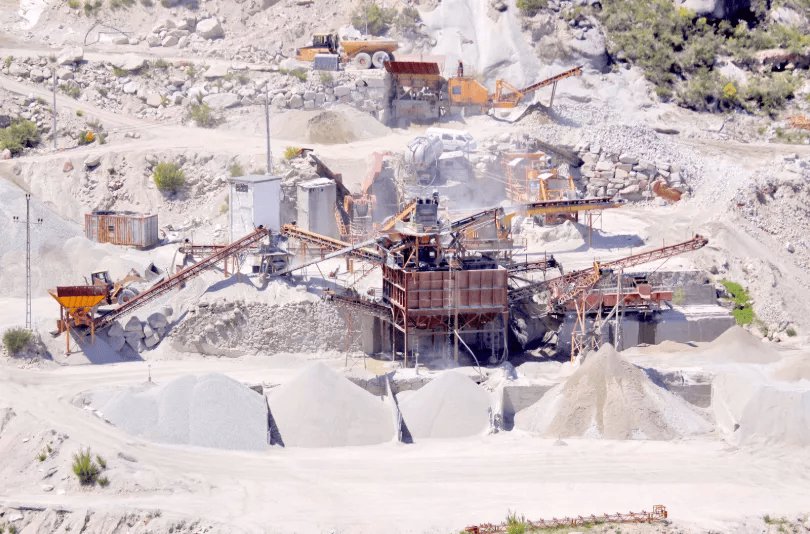


![_BestChem's tweet photo. Concrete left on hired plants can quickly turn into a costly return issue.
Our [latest post] looks at how to remove concrete more effectively, when to act, and how better dust control practices can help avoid damage charges on leased equipment.
https://t.co/lyoKnO7ypz https://t.co/gfpKmEwEZD](https://pbs.twimg.com/media/HKCXF0HXsAAnWAY.jpg)