📢 We are pleased to publish the proposed final drafts of the 2027 World Anti-Doping Code and International Standards.
These drafts mark the final phase of the 2027 Code and Standards Update Process, reflecting two years of extensive consultation with stakeholders and athletes from around the world.
📆 The proposed drafts will be presented for endorsement at the 2025 World Conference on Doping in Sport, taking place the week of 1-5 December 2025 in Busan, Republic of Korea.
Learn more and access the final drafts here: https://t.co/sSCxp6U4yL
Máte v úterý 21. října od 20:00 volný večer v Praze? Přijďte si do Týnské literární kavárny popovídat o digitálním pranýřování dopujících sportovců.
#doping#gdpr
#Sportslaw Event!
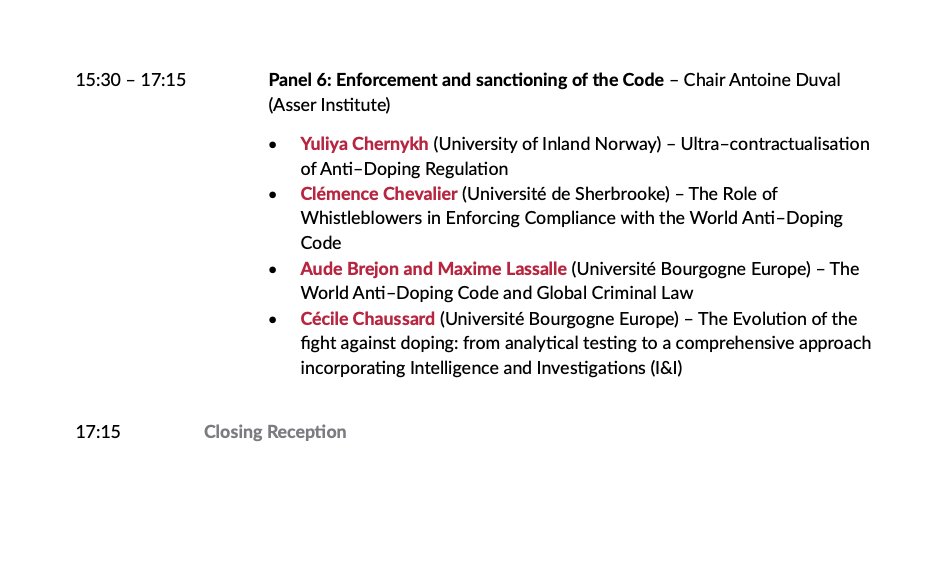
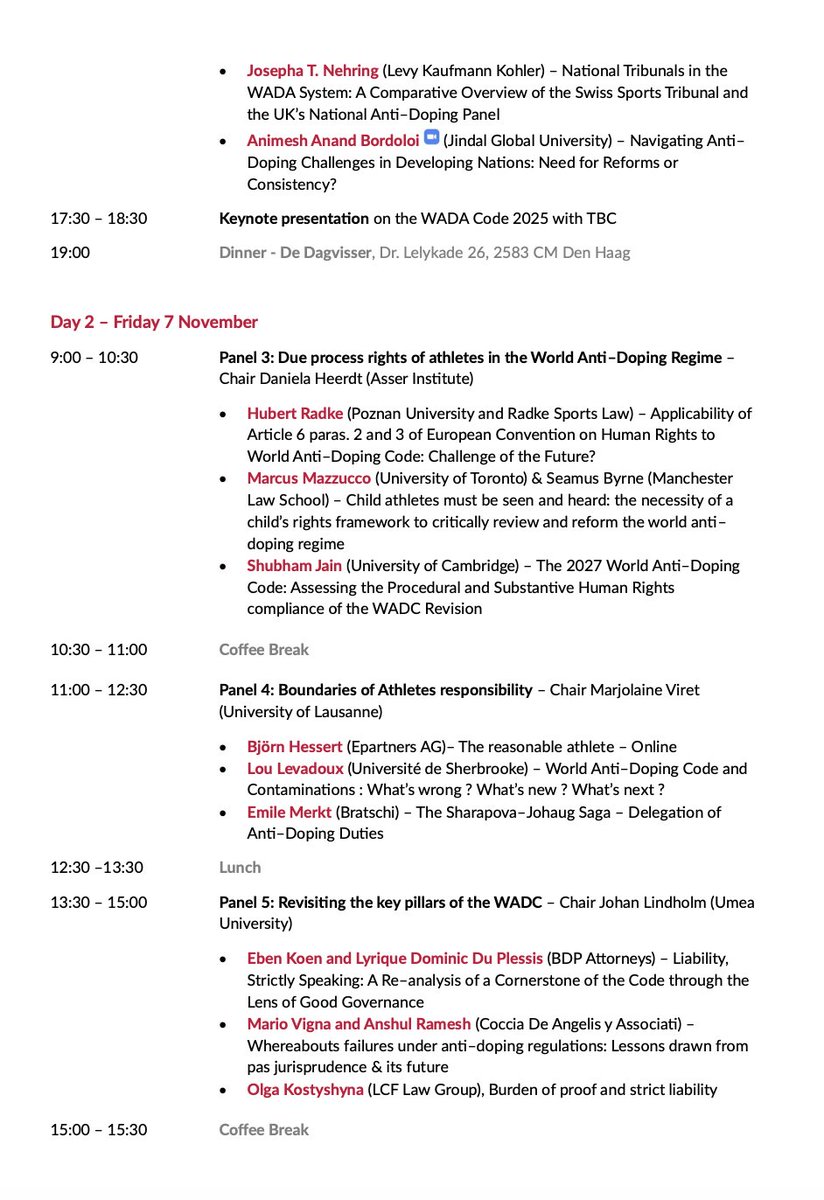
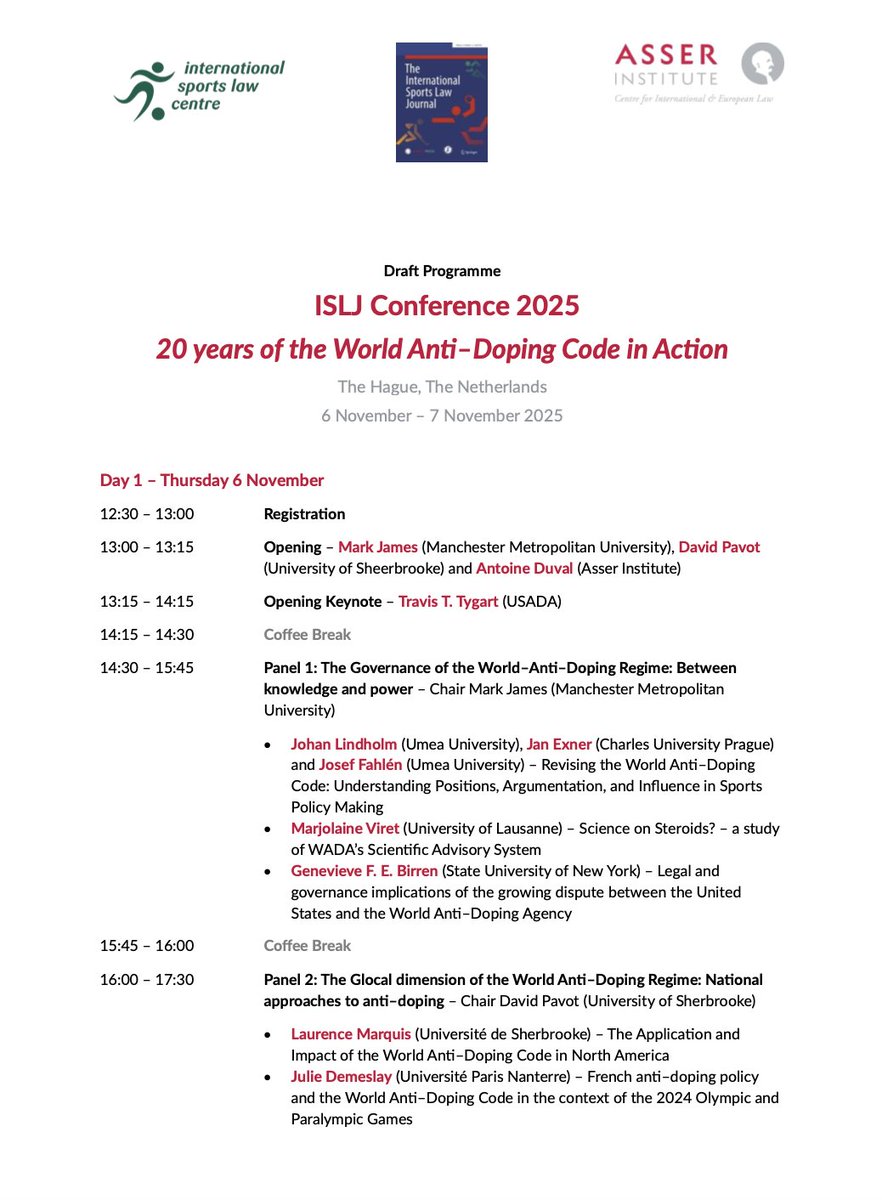
On 6-7 November @TMCAsser will host the 2025 edition of the @IntSportsLawJ Conference.
It will be focused on 20 years of the World Anti–Doping Code in Action.
Early bird registration until tomorrow!
More info at https://t.co/GqSqwpoM9u
#WADA#WADC#Doping
My first thought? I agree with AG Spielmann that the GDPR applies to the public disclosure of sanctions for doping, and that it disproportionately restricts athletes' privacy and data protection rights. Will the ECJ follow? The judgment is expected in the spring of 2026.
Having spent three great days at the ELU-S conference in Prague, I finally had time to read the Advocate General Spielmann's opinion in the case NADA Austria (C-474/24) on the public disclosure of sanctions for doping and the #GDPR. Here are my takeaways and first thoughts.
#ECJ#AG Spielmann: publishing online the name of any professional athlete who violated #antidoping rules is contrary to #EULaw 👉 https://t.co/ATb3CgbPxg
Less restrictive alternative: 'publishing the relevant name, but limited to the relevant bodies and sports federations, accompanied, for example, by pseudonymised publication on the internet (...).‘ (para. 158)