Guard your words with care, for a sentence may end on the tongue, but its echo can remain in hearts for a lifetime. The Prophet ﷺ taught us: “Speak good or remain silent.”
Guard your words with care, for a sentence may end on the tongue, but its echo can remain in hearts for a lifetime. The Prophet ﷺ taught us: “Speak good or remain silent.”
Indeed, all of the Qur’ān revolves around Tawḥīd—either in affirming it, warning against what contradicts it, or clarifying its implications. It is the first obligation upon the servant and the last word upon which he should die.
Shaykh Muḥammad ibn Ṣāliḥ al-‘Uthaymīn رحمه الله said:
“Know that possessing money, owning a fancy house, and having many children may not necessarily make you happy; however, being contented with whatever you have will make you happy, even if you are the poorest person.”
The best way to engage with elders who have yet to grasp the gist of the Sunnah is through explanation with wisdom and patience, rather than resorting to arguments.
Do not speak ill of someone simply because your circle does. Gossip by association is still backbiting in the sight of Allāh. You’re not safe just because you weren’t the first to speak.
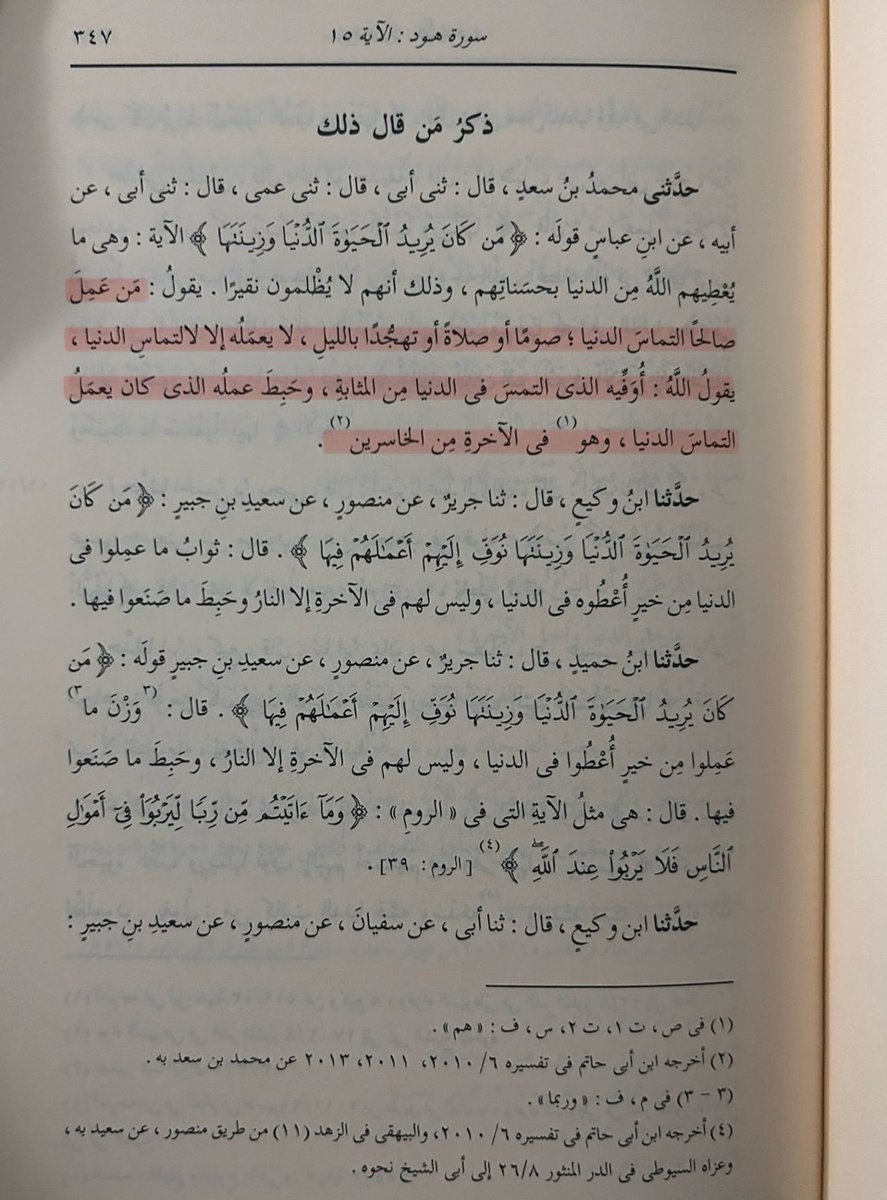
But his deeds that he did for worldly gain will be rendered invalid, and in the hereafter he will be among the losers.”
[Jāmi’ al-Bayān Tafsīr al-Ṭabarī | Volume 12 | Page 347]
Imām al-Ṭabarī رحمه الله said:
“Whoever does a righteous deed seeking worldly gain, whether it is fasting, praying, or tahajjud at night, doing it only for the sake of worldly gain,
Allāh سبحانه وتعالى says: I shall give him what he is seeking in this world of reward,
True freedom is found in the choice to dress modestly, freeing oneself from unwelcome and uncomfortable gazes, and refusing to rely on others’ approval or attention. This stands in contrast to being confined by the constant craving for attention through revealing attire.
Imām Ibn Qudāmah رحمه الله said:
“Whoever follows other than the path of his predecessors (Salaf), it will lead him to his destruction, and whoever turns away from the Sunnah has deviated from the path of Paradise.
So have the Taqwā of Allāh (by doing what He commanded and abstaining from His prohibitions) the Most High, and fear for yourselves, for the matter is difficult, and there is nothing after Paradise except Hell, and after the truth there is nothing but misguidance,
One of the most significant accomplishments one can achieve is consistently having good manners in all situations.
On the Day of Judgment, we won’t be questioned about how others treated us but rather about how we treated others.
Guarding our good deeds against riyā’ (showing off) is crucial, for it nullifies them. Nobody wants to cultivate a crop only to have it ruined by locusts.
When you use what Allāh gave you to harm others, that’s not strength — that’s betrayal. Betrayal of amānah. Betrayal of the trust between you and your Rabb. Power is a test. And Allāh will ask what you did with every ounce of it.
If the heart is ill, the tongue turns harsh. Anger replaces ṣabr, and judgment disguises itself as advice. Pride hides behind “honesty,” and ego speaks in the name of truth. But a heart close to Allāh softens its words, lowers itself, and makes excuses for others.