Hopefully, this account can grow to be a casual discussion & learning resource for those interested in traffic, transportation, and other urban issues.
Follow me to learn with me!
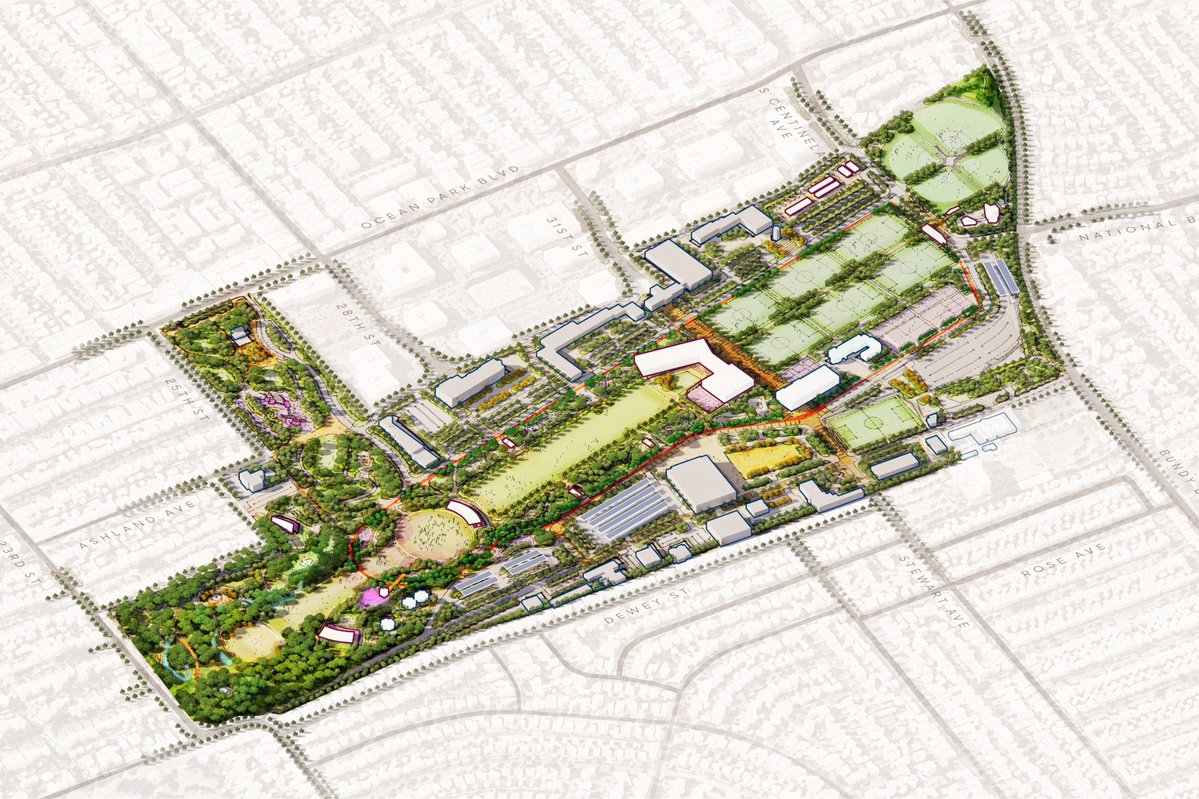
Very few projects are truly generational, this is one of them.
Really brings up the question about who decides what our places should be.
A million ways to answer that question and no one is “right” but I love thinking about it!
@sivori@KUTnathan Sure, up to a geometric maximum.
But after a certain point you simply can’t move that many people over a constrained area as quickly or efficiently as a train.
Add in the storage issue of vehicles and the maximum is lower than you think.
It’s both/and instead of either/or!
@UrbanCourtyard People will fairly ask about parking.
My hope is these can still work with one or more of those new “blocks” as parking decks? Or shove it underground?
@pingali I’d estimate about 1/3 are records already publicly available (bid results/docs), 1/3 are emails (no joke someone automatically requests all emails mentioning “bicycle” weekly), and 1/3 are misc. but specific & real.
Current FOIA requires us respond to all of these at any volume
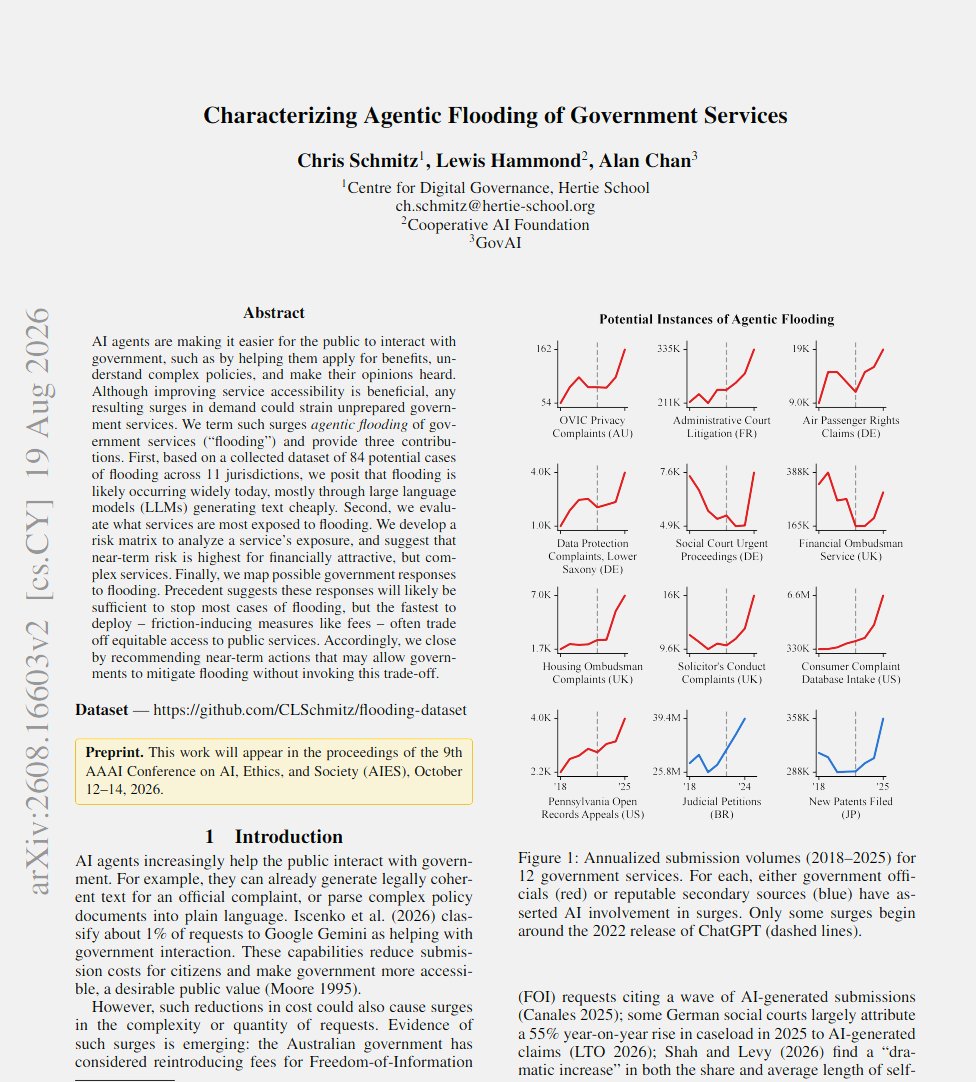
As someone who regularly responds to FOIA requests, we’ve noticed a 100x increase in requests, usually clearly bot created.
This effort increasingly requires more & more of staff time, taking us from actually doing the job of managing a city.
Some staff are now 100% committed to sorting & responding to these - it’s not sustainable!
A consequential choice will be made soon by government and companies as they are increasingly flooded with agentic AI inquiries that overcome the frictions that gated access (see the graphs - it has already started!)
Two options: do you make services worse or better as a result?
It turns out you can just order your own puzzles (out of metal) and build a (hopefully) useful product 🤷♂️
Follow me as I make this journey into hardware & data collection!
S/O @sendcutsend
$4k for a 1 Bedroom new construction in Palms?
Onsite parking, in-unit wash/dry, rooftop balcony, etc. Building is beautiful too & Expo & Culver City jobs adjacent.
But does the market bear this?
First in my bloodline to run 10 miles while voice dictating revisions to my agents back on my home compute machine for a traffic simulation project I’m working on.
Exercise & programming have never gone together so well.
I will never not be amazed & confused at the sheer number of auto-repair shops in LA.
And their proclivity for occupying what seems like prime real estate!
Is it just prop 13 again or are people really smashing their cars that much? 🤔
@seandsweeney@karlitooo@JamesonCamp To answer your question, I have mine do research into various topics that pop up during the day.
Usually a feature I want to explore further or a bug I want fixed, I just text or email the idea to an inbox throughout the day and at night everything is triaged & researched.
@yin_yang_yo_@CD2LosAngeles TIL that’s what’s been holding up Tap2Exit!
Tap2Exit doesn’t remove the emergency exits I presume - what was LAFD concerned about?
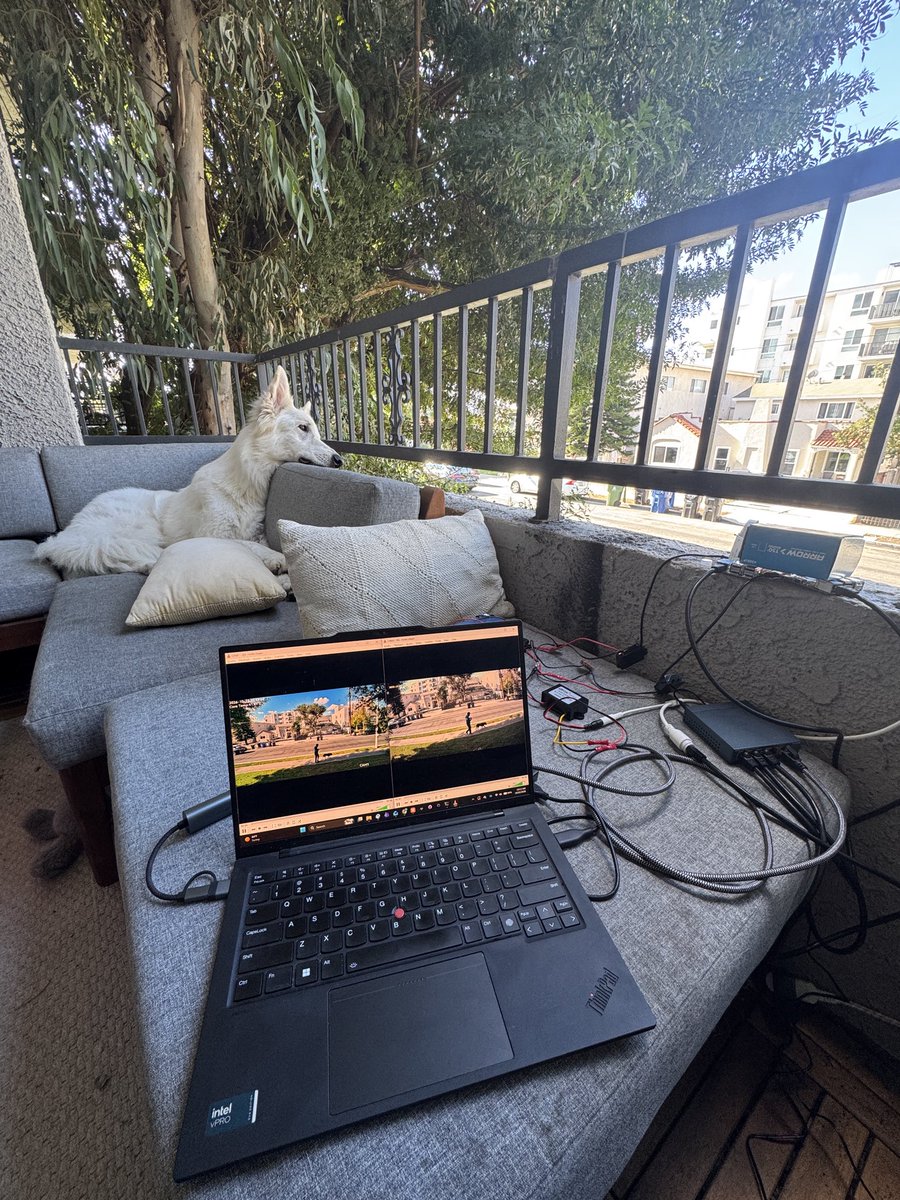
As has been observed by others before me - software is now solved & the next frontier is hardware. Upskilling here next, specifically data collection & sensing.
I often make visual inspections of city infrastructure for work & I should be able to convert what I see into data.
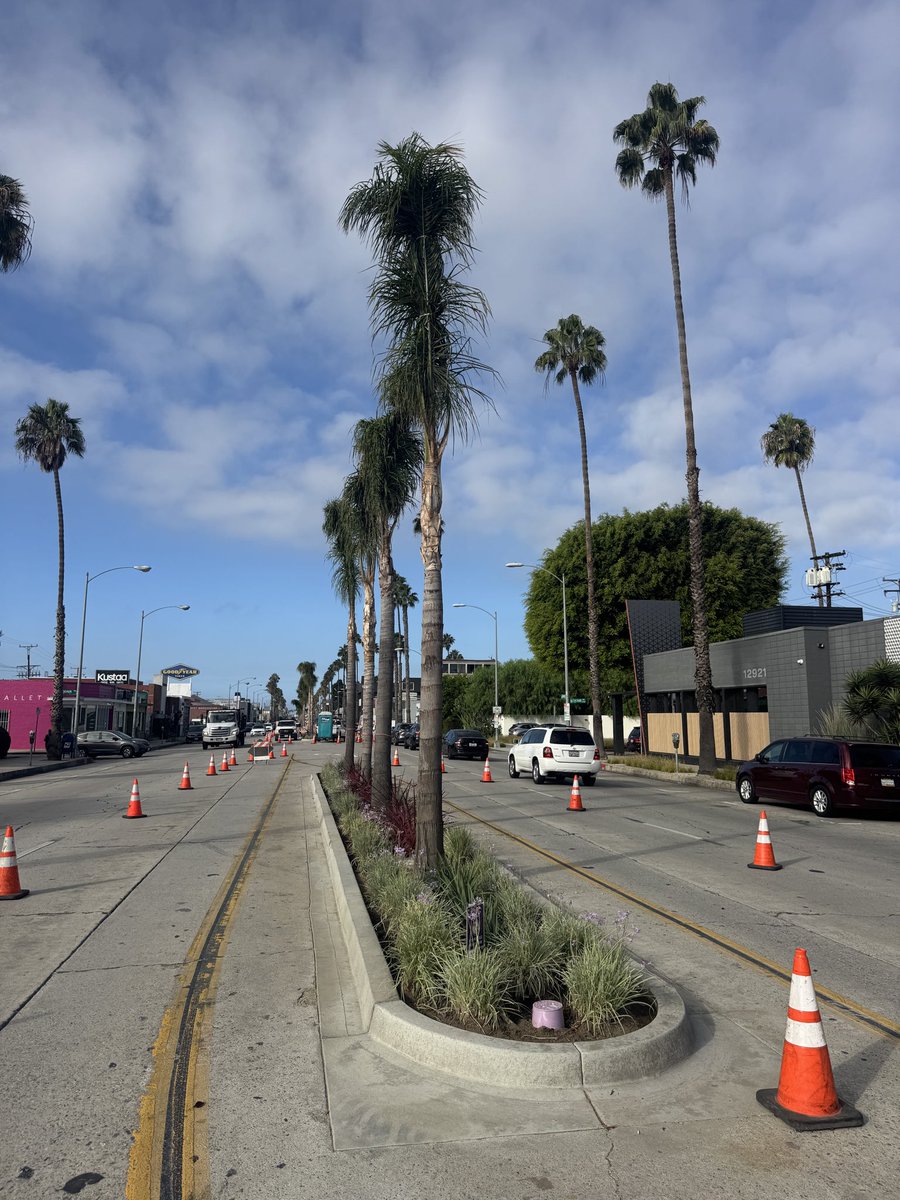
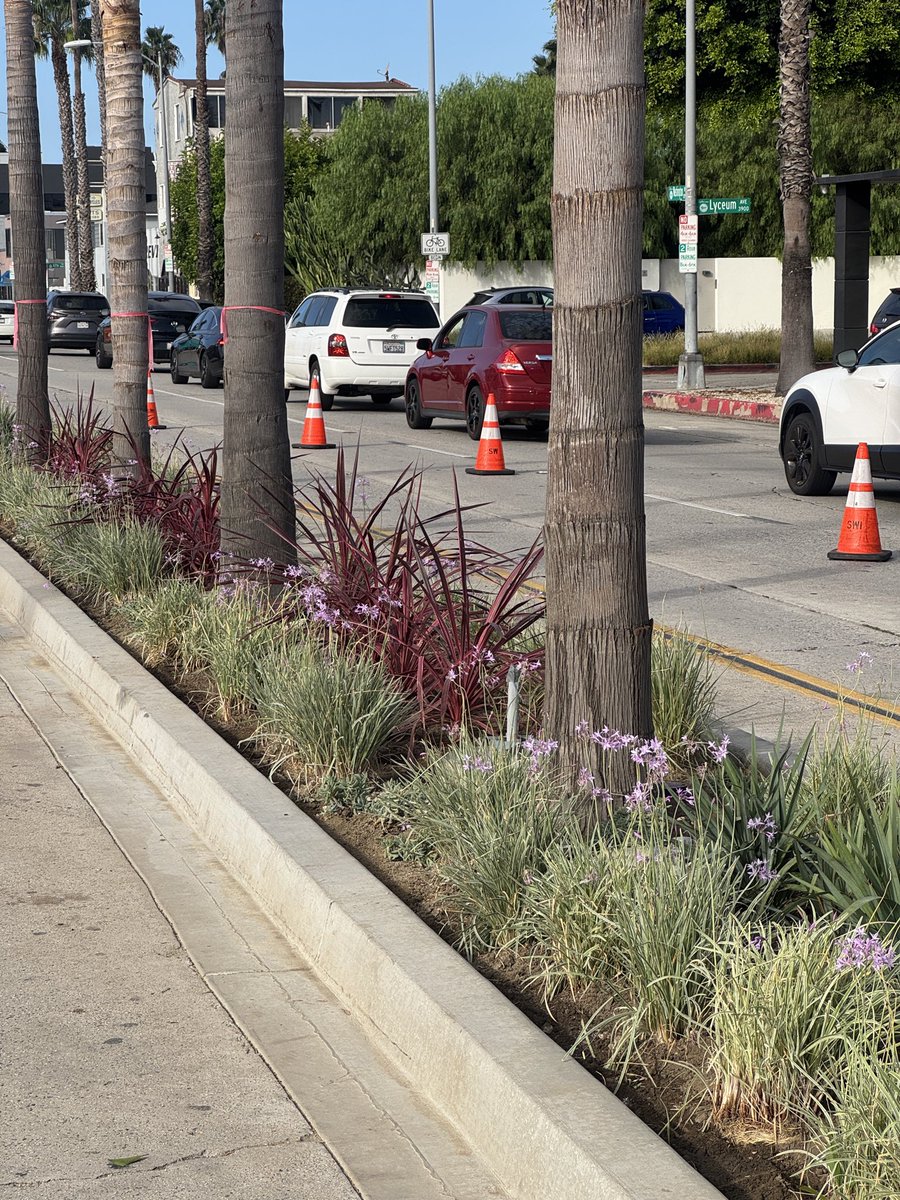
New planted medians going in on W Washington Blvd in Culver City!
(near the Costco)
A 20yr project that aims to reduce blight, lower vehicle speeds & turning conflicts, and will add a massive stormwater capture & treatment under Glencoe Avenue ahead of the upcoming El Niño!
@PlanetaryWhisky Agreed!
What you don’t see pictured tho is the massive underground tank that holds the “first flush” of stormwater during heavy rains.
Then it gets treated and used to irrigate and flush out the storm system