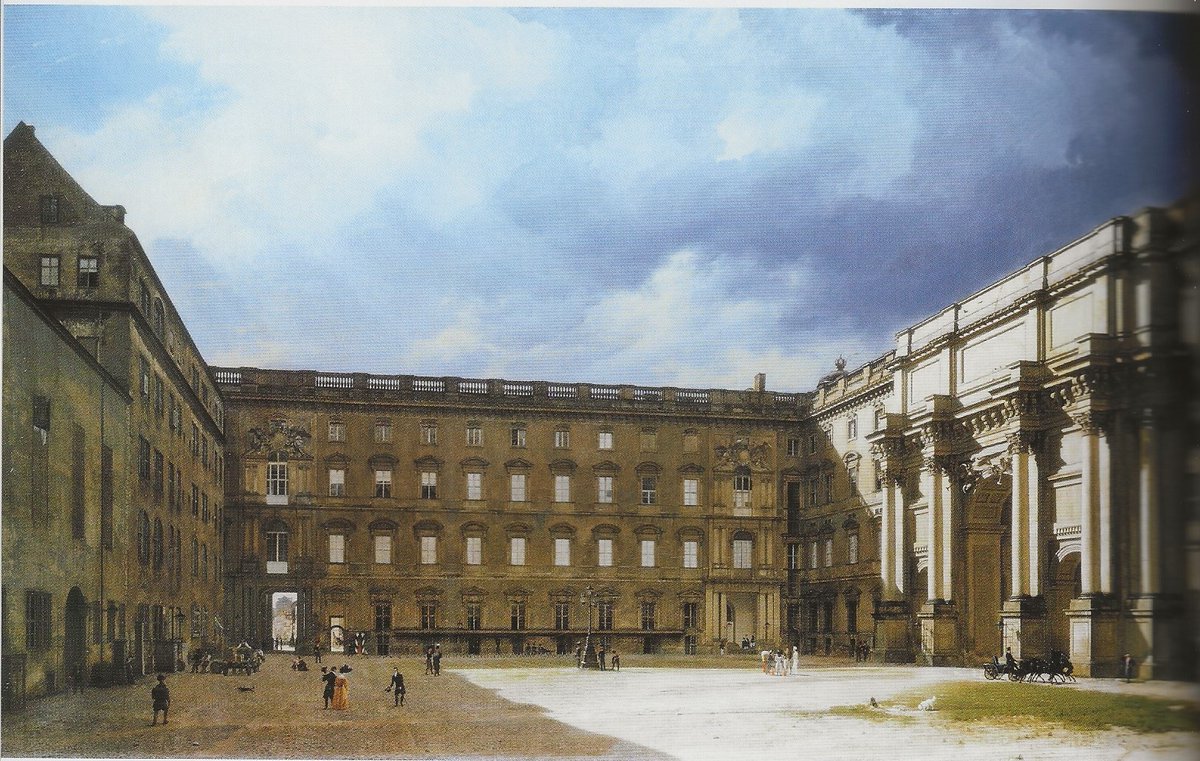
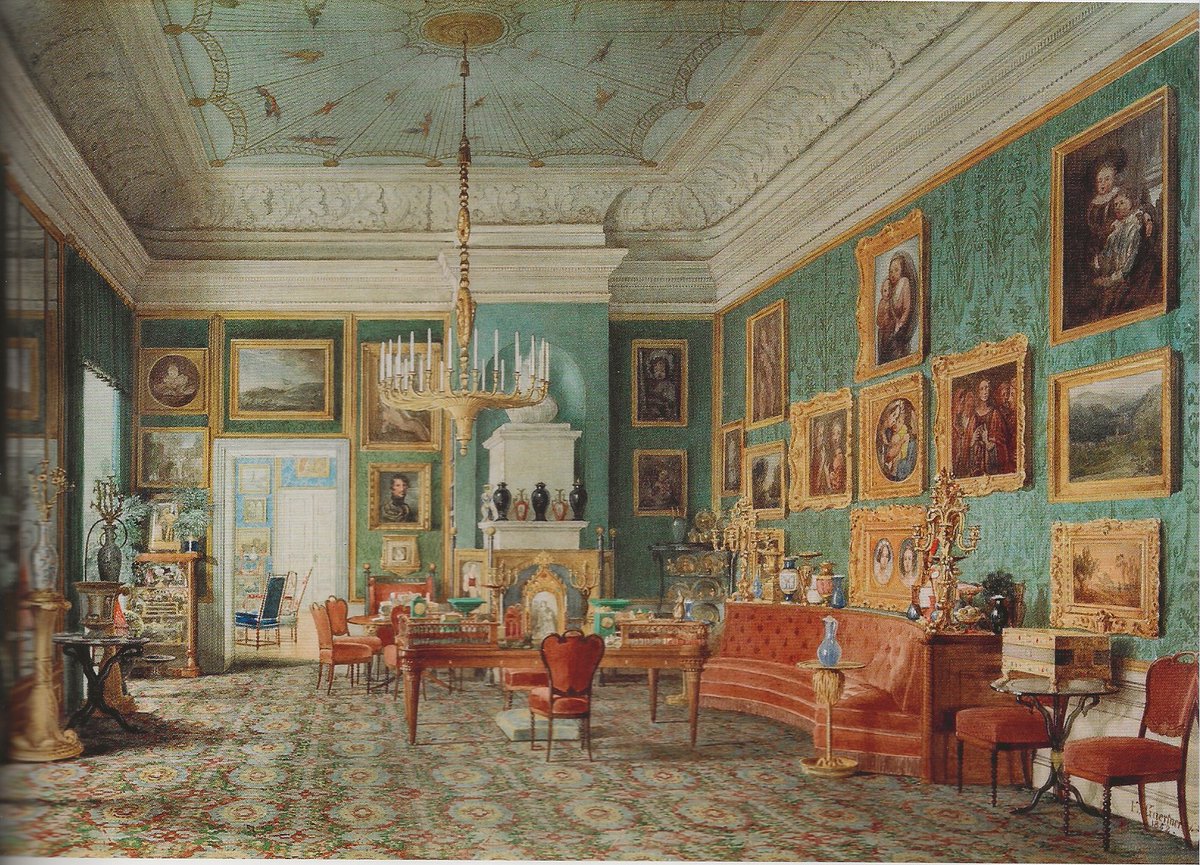
Berlin war das Hauptmotiv von Johann Eduard Gaertner (1801-1877). Er setzte die preußische Residenzstadt mit fotografischer Präzision in Szene. Hier seine Gemälde, die das Berliner Schloss zeigen: 1) Schlüterhof; 2) Eosanderhof; 3) Rittersaal; 4) Grünes Zimmer.
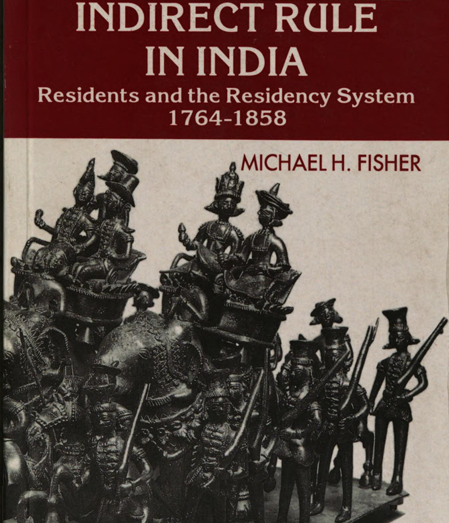
This is a very thorough study of how diplomacy helped the British conquer India: on how the British envoys (the Residents) acquired information about the Indian courts, how they interfered in courtly politics and, eventually, helped dismantle a number of Indian kingdoms.
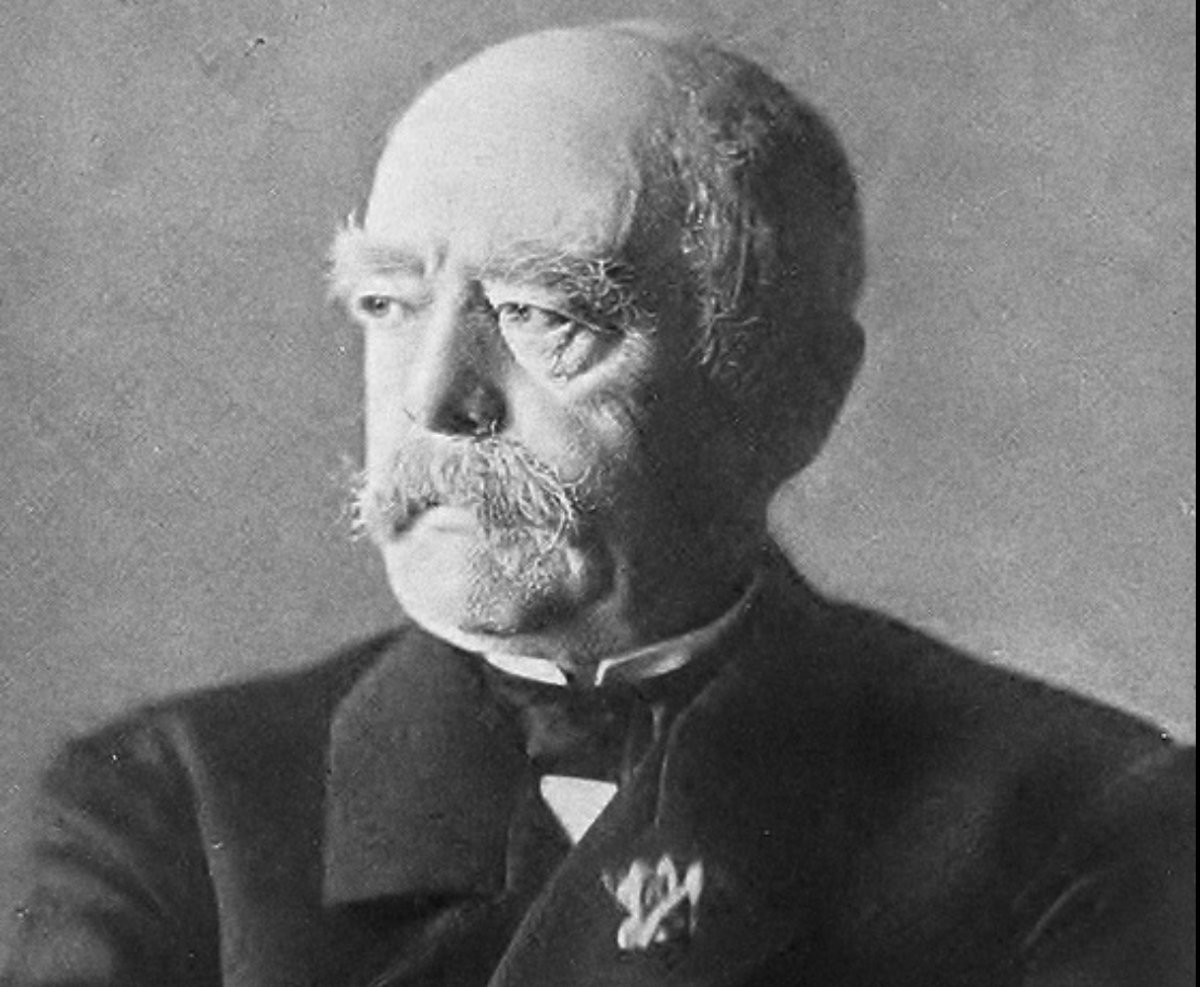
#TalDíaComoHoy 1815 Nace Otto von Bismarck, aristócrata y político alemán, primer ministro de prusia y canciller alemán, gestor de la unidad alemana (m. 1898). ....
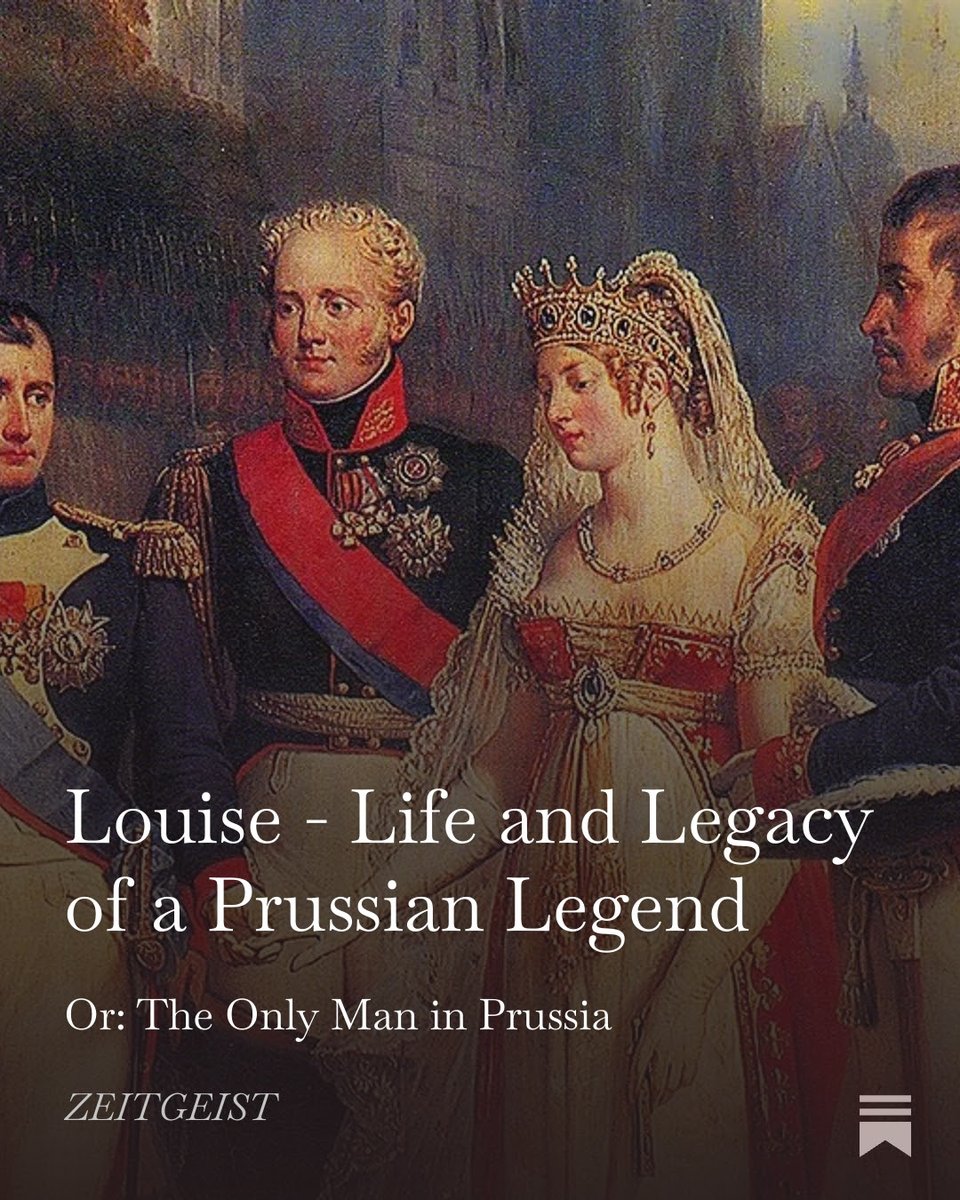
The first recipient of the Iron Cross and 'the only man in Prussia,' according to Napoleon: Queen Louise of Prussia was a legendary figure who changed the course of history.
It's her 250th birthday this week. ZEITGEIST on her short life and long legacy 👇
https://t.co/PVSMtguF5U
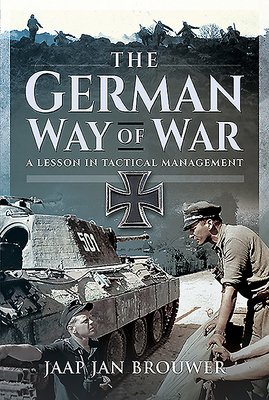
Highly recommend the book. It is a bit dry, but provides an excellent study in organizational management and execution. Illustrated with great examples.
I have just finished reading a most fascinating book. It should interest anyone with an interest in military matters.This book by Jaap Jan Brouwer explains why the German Army often fought more effectively than its opponents in the 19th and 20th centuries, even though Germany ultimately lost both World Wars. The book focuses less on battles themselves and more on how the German military was organized, trained, and led.
The Prussian reforms after their military collapse before Napoleonic armies at Battle of Jena–Auerstedt in 1806 and the Treaty of Tilsit in 1807 spurred reforms that transformed military organizations and operations. These were further consolidated during the Weimar years. 1/10
Driving through Saxony-Anhalt, the family had to accept a detour to Magdeburg: I insisted on visiting the tomb of Otto the Great in the Dome. One of the best emperors the Holy Roman Empire ever had.
@RupakChatto@IndicMeenakshi It would be interesting to compare the incidence with witch burning, adjusted for population. The Holy Roman Empire saw about 30,000++ witch burning between the mid 1600s and 1700s. The HRE had a population of 20-22 million during this period. So the prevalence appears similar.
Konrad Adenauer, Germany's first post-war chancellor, has become a legendary figure in collective memory. For his 150th birthday, coverage was exuberant and decidedly uncritical. This wasn't always so.
ZEITGEIST on Adenauer and nostalgia for West Germany👇
https://t.co/37xeJgXFWa
#tweetfromalternatehistory#whatif hard-headed realist guided Napoleon III away from his foreign policy disasters? Haut-Rhin, Alsace- 1 April, 1815 #BornOnThisDay in #alternatehistory the Second French Empire's greatest Minister of State, Othon de Bismarck
https://t.co/swV0QGY8YT
This is one of my favourite biographies I think, purely because it made me recongise Blucher's efforts, especially at Waterloo. The Prussian march to the battle is something that really deserves more credit