Jeffrey Sachs just said the quiet part out loud. For real. Listen carefully to his last point. He just told us to our faces that Trump is a King and our Democratic system is in collapse.
My American friends say they don’t see it on their news. We didn’t have this kind of censorship even when Russia started the war.
Stay strong and don’t lose your freedom, guys.
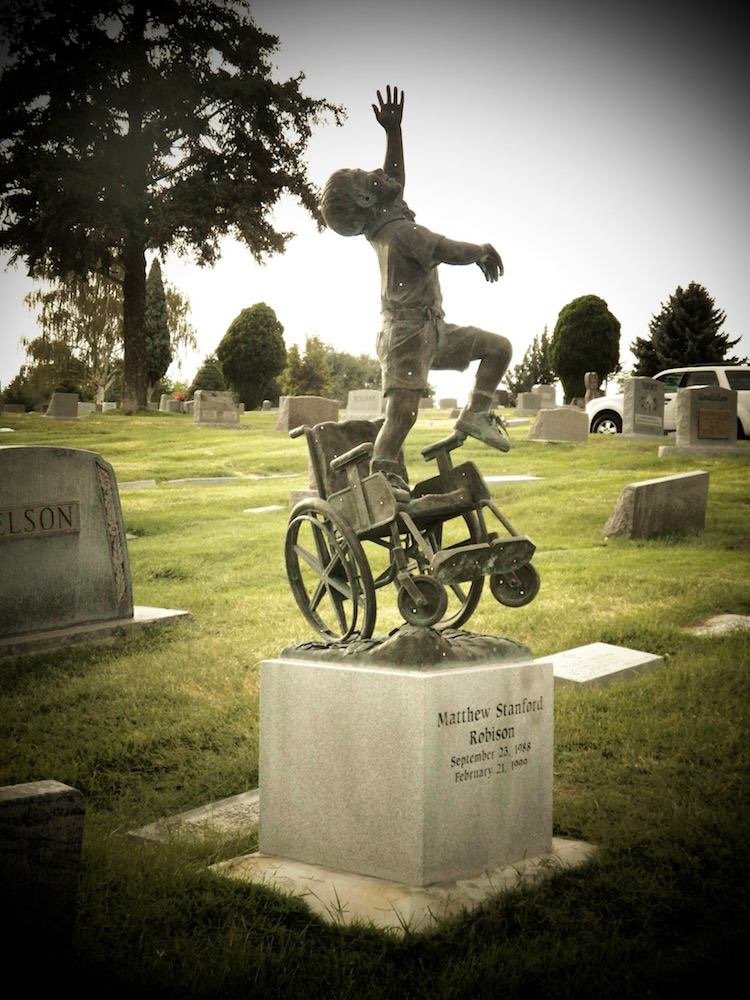
On September 23, 1988, Ernest and Anneke Robinson welcomed the birth of their son, Matthew Stanford Robinson.
Matthew was born with severe disabilities. Due to a lack of oxygen, he was blind and paralyzed from the neck down.
Doctors said Matthew would only live for a few hours, but somehow, Matthew lived to be 10-and-a-half years old.
When it came time for Matthew to rest in 1999, Ernest decided his gravestone should be beautiful and unique, depicting Matthew in his truest form and signify hope rather than grief.
Neither consent nor compensation is necessary to use your “digital double” if the project is "comment, criticism, scholarship, satire or parody, a docudrama, or historical or biographical work.” So, you could find yourself in a project you never consented to… 9/
If a “digital double” is made of you during a film, they must get your consent and inform you of their intentions for its use, EXCEPT "when the photography or sound track remains substantially as scripted, performed and/or recorded.”2/
In 1954, American tap dancer Arthur Duncan made his debut on the Betty White show. Betty White faced criticism for featuring a Black performer, but she responded with, "I'm sorry. Live with it." She even gave Duncan more airtime. However, shortly after, her show was canceled.
Duncan had kind words for Betty, saying, "She [Betty] is probably one of the nicest, grandest, and greatest people I've had the chance to meet in my life. Whenever she walked into a room, it lit up. She was very thoughtful and helpful. She launched me into show business."
Reflecting on the time he spent on Betty's show, Duncan mentioned, "During my appearance on [Betty's] show, some viewers from different areas resented the inclusion of Black Americans and threatened to withdraw their support. I was unaware of these events at the time and only learned about them several years later after Betty wrote her book. She explained it this way: 'Needless to say, we used Arthur Duncan every opportunity we could.' She stood up for her beliefs, and that resolved the situation."




![historyinmemes's tweet photo. In 1954, American tap dancer Arthur Duncan made his debut on the Betty White show. Betty White faced criticism for featuring a Black performer, but she responded with, "I'm sorry. Live with it." She even gave Duncan more airtime. However, shortly after, her show was canceled.
Duncan had kind words for Betty, saying, "She [Betty] is probably one of the nicest, grandest, and greatest people I've had the chance to meet in my life. Whenever she walked into a room, it lit up. She was very thoughtful and helpful. She launched me into show business."
Reflecting on the time he spent on Betty's show, Duncan mentioned, "During my appearance on [Betty's] show, some viewers from different areas resented the inclusion of Black Americans and threatened to withdraw their support. I was unaware of these events at the time and only learned about them several years later after Betty wrote her book. She explained it this way: 'Needless to say, we used Arthur Duncan every opportunity we could.' She stood up for her beliefs, and that resolved the situation."](https://pbs.twimg.com/media/F4e6aycXkAARho4.jpg)




