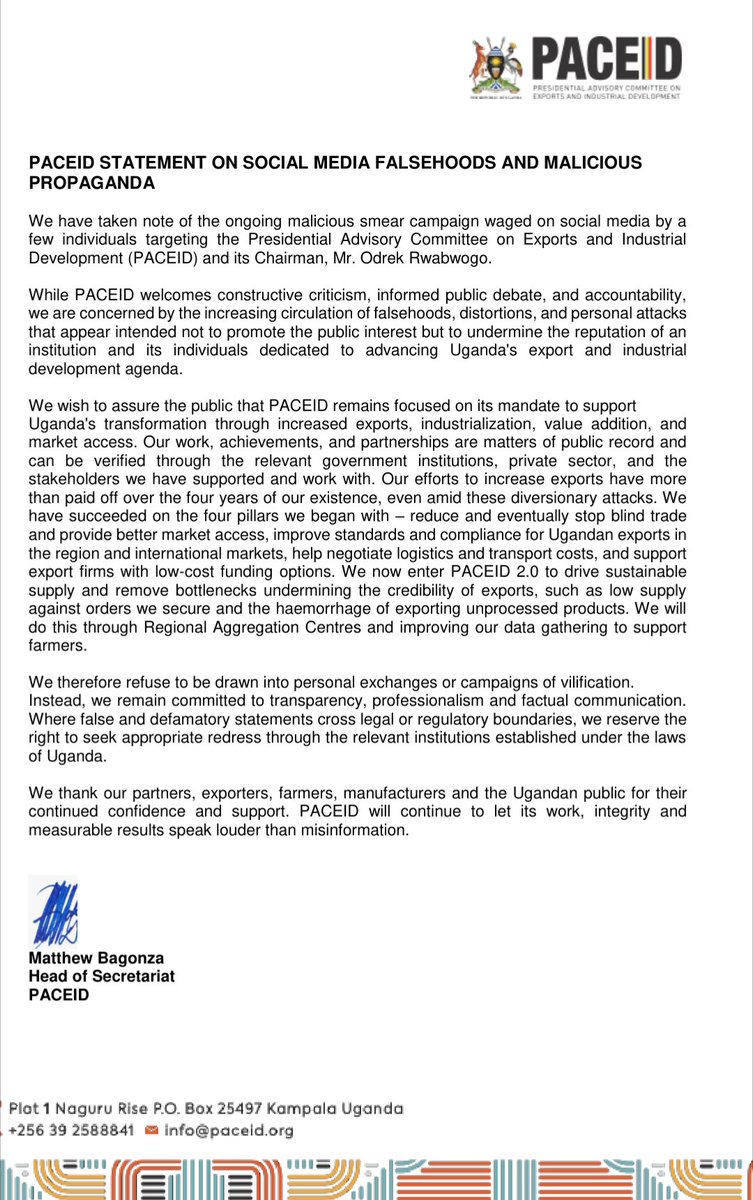
STATEMENT: PACEID has noted the circulation of false and misleading information targeting the institution and its Chairman. We remain committed to transparency, professionalism and delivering on Uganda's export and industrial development agenda.
Read our full statement below.
The first half of 2026 saw PACEID deepen its role as Uganda's export market facilitator by connecting producers with buyers, resolving market access challenges, and tracking export transactions from inquiry to fulfillment.
During the reporting period:
▶️88 export transactions valued at USD 24.5 million were registered.
▶️70 Ugandan companies were supported across priority export value chains.
▶️Buyer engagements expanded through Uganda Connect Trade Hubs and Trade Representatives in international markets.
Beyond facilitating trade, every transaction tracked has enabled #PACEID to identify and address bottlenecks in standards, logistics, financing, and production, ensuring exporters are better positioned to fulfil international orders.
The approach is simple: markets drive production, standards, infrastructure, and financing. By tracking orders instead of opportunities alone, Uganda is building a more responsive export ecosystem capable of delivering sustainable export growth.
#PACEIDReport
UGANDA–NIGERIA TRADE:
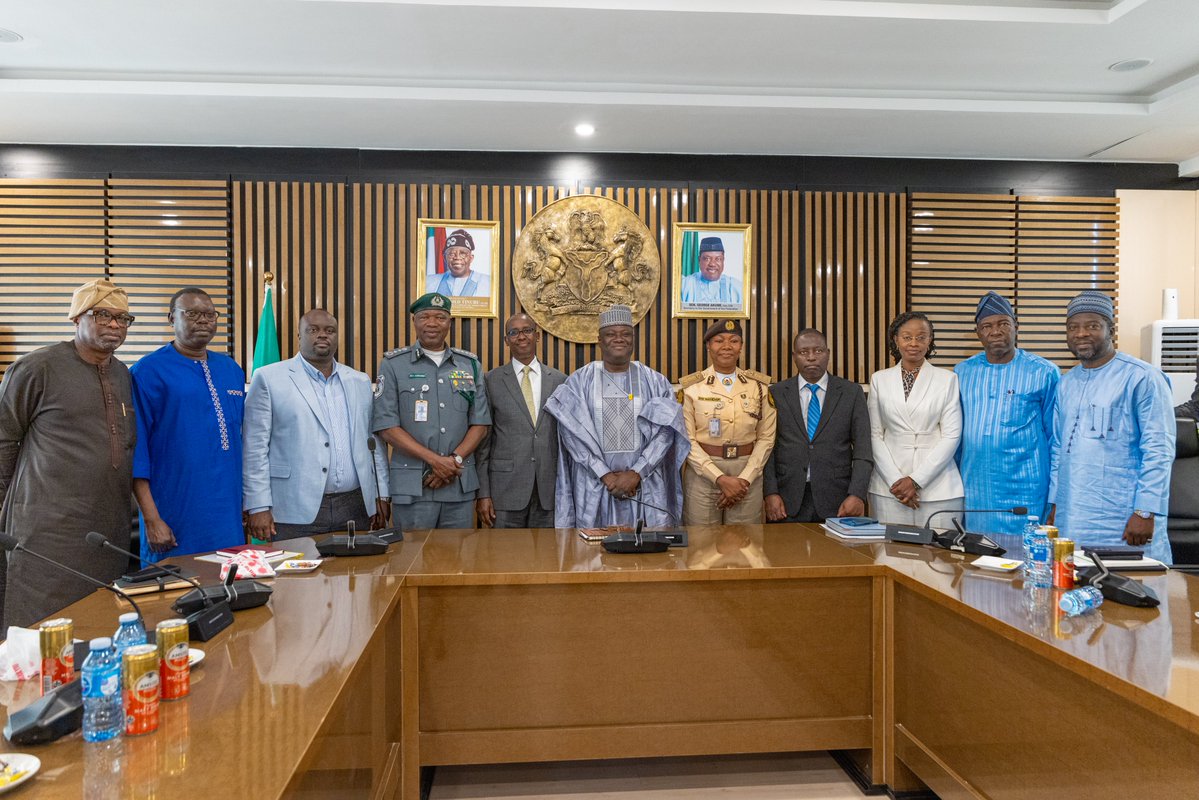
PACEID Chairman @OdrekRwabwogo, Minister of State for Trade, Industry and Cooperatives (Industry) Hon. @dbahati, Amb. Phillip Odida, Dr. Sam Omara and other Ugandan officials have concluded a second day of engagements at the Office of the Secretary to the Government of the Federation in Abuja.
The follow-up meeting was hosted by OSGF Permanent Secretary Dr. Abubakar Ibrahim Kana and attended by Nigeria Immigration Service Comptroller-General Mrs. Kemi Nanna Nandap, Nigeria Customs Service Comptroller-General Mr. Bashir Adewale Adeniyi, and officials from Foreign Affairs and other Nigerian institutions.
The meeting focused on reciprocal visa arrangements, business and investor mobility, customs classification, @AfCFTA implementation, pharmaceuticals and preparations for the proposed Uganda–Nigeria Joint Permanent Commission in Kampala in September 2026.
Nigeria proposed reciprocal visa-free travel for diplomatic and official passport holders and expressed readiness to consider longer multiple-entry visas and special arrangements for investors, students, frequent business travellers and officials of established companies.
Nigeria Customs advised Ugandan exporters to use its Advance Ruling mechanism to obtain binding decisions on the classification and duties applicable to products before shipment. The mechanism is expected to help resolve uncertainty surrounding products such as Uganda’s ready-to-drink liquid espresso sachet.
The parties also considered possible cooperation between Nigeria Customs and @URAuganda under the Authorized Economic Operator programme, which could eventually provide facilitated customs treatment for trusted and compliant exporters.
Uganda will now submit a consolidated diplomatic package covering the proposed JPC dates, bilateral agreements, visa proposals, trade barriers, product-specific regulatory questions and requests for designated focal persons.
The engagements are intended to establish a functional trade corridor for coffee, powdered milk, tea, fruits, fish, pharmaceuticals and other products under @AfCFTA.
Our similarities with Nigeria are stronger than our similarities with distant markets. We welcome bilateral arrangements where appropriate, including most-favoured-nation treatment, while also recognising the value of the African Continental Free Trade Area, which our countries signed. A Prayer
PACEID Chairman @OdrekRwabwogo joined Hon. @dbahati , Minister of State for Industry, and H.E. Ambassador Philip Odida, Uganda's Acting High Commissioner to Nigeria, for high-level engagements in Abuja. The Ugandan delegation also comprised Dr. Sam Omara, Minister-Counsellor for Economic and Commercial Diplomacy; @matthewbagonza, Head PACEID Secretariat; Ms. Brenda Katarikawe Opus, PACEID Director of Markets; and members of the technical team.
The Ugandan delegation was received by Nigeria’s Secretary to the Government of the Federation, Senator George Akume, and senior officials of the Nigerian Government.
The meeting followed discussions between H.E. President @KagutaMuseveni and Senator Akume, who represented H.E. President Bola Ahmed Tinubu at Uganda’s presidential inauguration in May 2026. It focused on translating the strong political relations between Uganda and Nigeria into practical trade, investment and economic cooperation.
Discussions covered preparations for the proposed Joint Permanent Commission, visa reciprocity, investment protection, avoidance of double taxation, stronger air connectivity and the operationalisation of a Uganda–Nigeria trade corridor under AfCFTA.
The delegation also raised regulatory and non-tariff barriers affecting the entry of Ugandan coffee, tea, powdered milk, beans and pharmaceuticals into Nigeria, including product registration, rules of origin, import permits, customs procedures and access to credible buyers.
We remain committed to working with the governments and private sectors of both countries to transform these engagements into measurable trade, investment, jobs and opportunities for Ugandan and Nigerian businesses.
@AfCFTA
Heartbroken by the tragic loss of our beautiful children from King David Junior School in Kapchorwa. No words can ease the pain of the parents and families today. We mourn with you, Uganda, and all of parents. May God hold these families close. 🕊️💔
The question is not whether the NRM has a history. It does.
The question is whether the Movement can reform, renew itself, and protect its founding purpose for Uganda’s next stage of growth.
No institution survives by memory alone. Anything that grows must be defended by those who understand its value. It must be corrected when it is drifting. It must be protected from those who weaken it from within while claiming to serve it.
Uganda’s ambition to build a $500 billion economy, industrialize rapidly, and convert agriculture and mineral potential into finished high-value goods will require more than infrastructure and electricity. It will require rule of law, restraint, honest communication, disciplined leadership, and institutions that can still listen.
The NRM must not fear reform. Reform is not betrayal. Reform is how institutions remain alive.
We must keep the country communicating freely. We must allow people to speak without fear. We must stop impunity. We must raise leaders who can think, read, listen, act, and protect the greater good.
Fear disables people.
Reform keeps institutions alive.
PACEID Head of Secretariat @matthewbagonza has called upon exporters, investors, development partners and the private sector to actively participate in the Uganda Connect International Buyers' Week 2026 and seize new opportunities to expand Uganda's global trade footprint.
Event details:
📅 9–15 Nov 2026
🏷��� Theme: Meet. Connect. Trade.
Venue: Speke Resort Convention Centre
Today at NALI, Kyankwanzi, I spoke to Ugandan returnees from South Africa, under the theme: Stages of Social Development.
I shared that societies do not transform by accident. They move from survival, to settlement, to production, and finally to knowledge, through technology, organization and leadership.
For Uganda, the lesson is clear. We must build the conditions that allow our people to live and work with dignity at home: land productivity, industrial skills, manufacturing, energy, export markets, strong institutions and freedoms that make society predictable.
At PACEID, our work on markets, standards, infrastructure and finance is part of this national journey: to create jobs, raise incomes and move Uganda from raw production to value addition and a knowledge economy.
A nation must organize, not merely mobilize.
Read Full Lecture here: https://t.co/POmoRRFhW9
A stronger East African market will be built not only through policy, but through production, value addition, investment and trust.
At the EAC Parliamentary Week at Parliament, Chairman @OdrekRwabwogo called on policymakers across the East African Community to move beyond trade agreements and focus on building integrated regional value chains that create jobs, strengthen manufacturing and increase exports.
He noted that since the revival of the @jumuiya in 2000, trade within the region has grown, with Uganda's trade rising from approximately US$360 million to over US$6 billion.
To sustain this momentum, he highlighted four priorities:
▶️Expand export markets and market intelligence.
▶️Modernise food safety and standards to enhance competitiveness.
▶️Invest in export infrastructure, logistics and Regional Aggregation Centres.
▶️Increase access to affordable export financing for businesses.
He urges EAC Partner States to address non-tariff barriers affecting professionals and SMEs, harmonise industrial policies and strengthen governance to support long-term regional integration.
In the picture, I am with Mr. Cohen Carlos, who owns Feldstein Co. Ltd., a gold refinery in Kampala. It refines Uganda’s gold to a purity level of 99.9%, which recently was earning USD 173,000 per kilogram. On account of the war in the Gulf of Persia, the price is now USD 129,000.
This particular one and a half kilograms of gold that I am holding is from Ibanda. Mr. Cohen is building another refinery in Morulem, Abim.
Uganda is waking up. We have 10 licensed gold refineries in Uganda. Mr. Cohen’s refineries are printing the Bank of Uganda logo on the gold bars.
Signed:
Yoweri K. Museveni
Ssaabalwanyi.
This conversation opens a difficult discussion on leadership, power, money, and the quiet threats that can weaken a nation.
Full Episode drops, Saturday, 27th June 2026 at 9 PM. See you then......
In Bugweri, the message was clear: leadership is not only about attending meetings or listening to speeches. It is about taking what has been learnt back to the people, organizing communities, improving production, building income, and connecting families to government programs that can change their lives.
Councillors and local leaders must demonstrate knowledge of income, the history of the country, the history of the party, and the discipline required to organize people around production. Without strong organization, honest leadership, and economic purpose, communities cannot grow.
Bugweri has land, farmers, rice, sugarcane, and people ready to work. The duty now is to aggregate production, connect it to factories and markets, and ensure that ordinary households earn better.
Leadership must not waste a day. It must build people.
Honoring the heroes whose sacrifice built our nation, and whose legacy continues to inspire Uganda's journey toward prosperity, resilience, and transformation.
HAPPY HEROES DAY🇺🇬
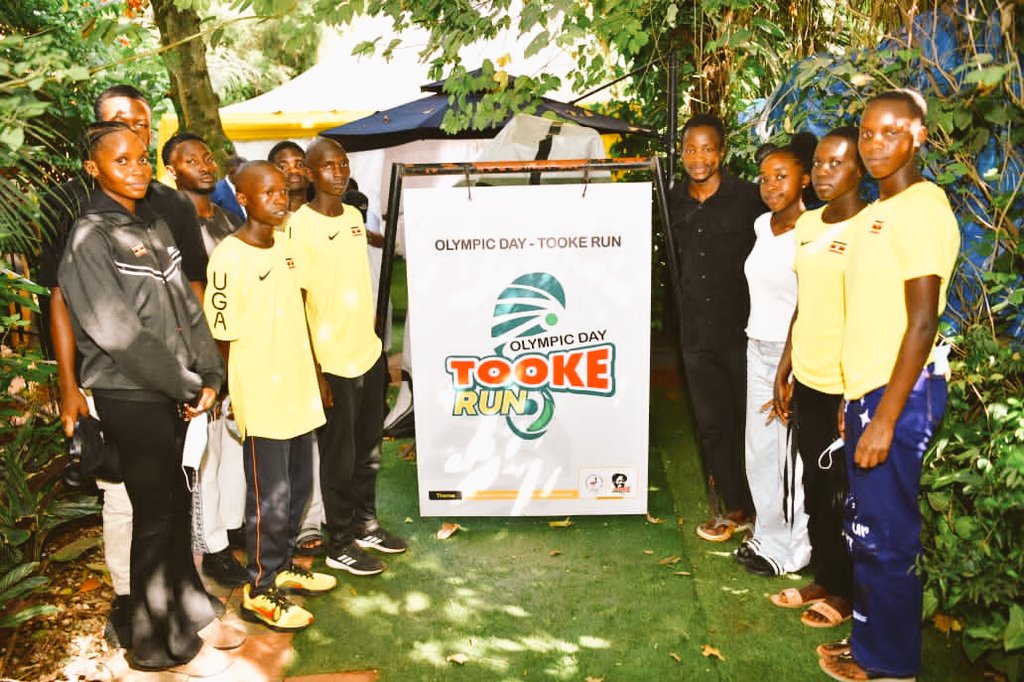
We are pleased to join fellow partners and stakeholders at the Fundraising Breakfast hosted by PIBID/@birdcuganda at Mwesigwa Resort, ahead of the Olympic Day – Tooke Run scheduled for June 20, 2026 at Bushenyi Sports Ground with H.E. @KagutaMuseveni as the Chief Runner.
We are equally encouraged by the growing link between nutrition and sports development being championed through this initiative. Under the leadership of Rev. Prof. @floriemura, Nutrition Ambassador to @Official_UOC, the Olympic Day – Tooke Run is helping raise awareness about the critical role nutrition plays in athletic performance, youth development, and healthy communities.
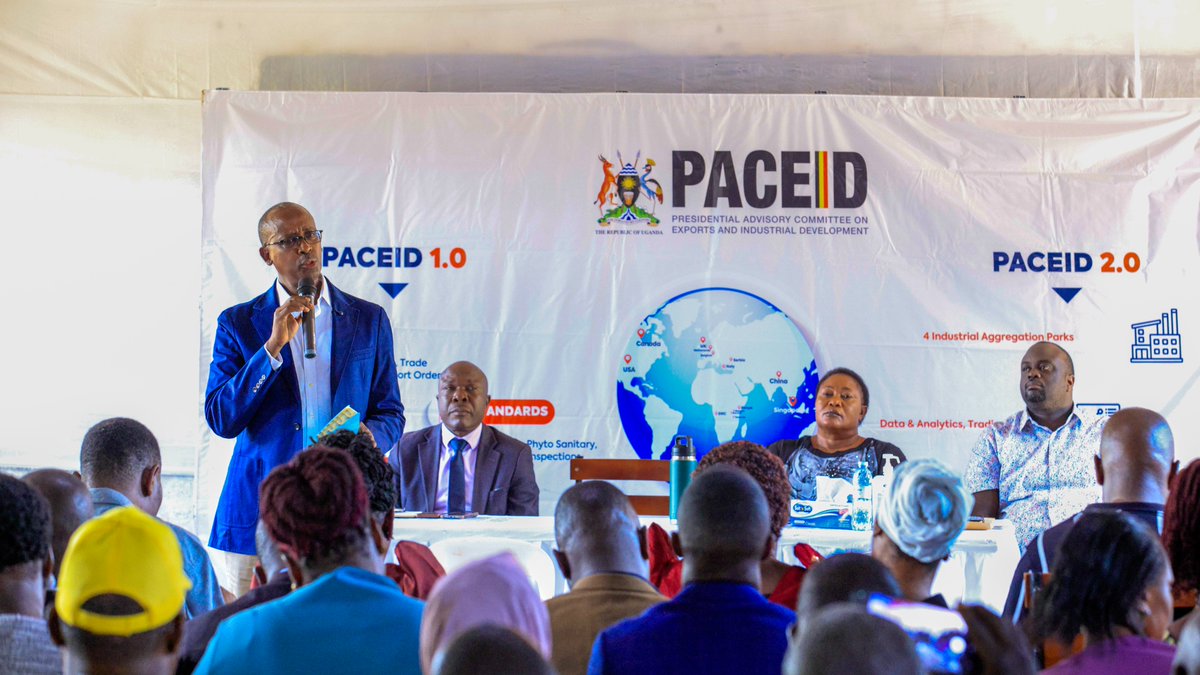
PACEID yesterday joined other key stakeholders: @MAAIF_Uganda, @mtic_uganda, @ufzepa, @hortifreshffv, @FamuneraOnline and private sector, at the opening of the two-day Stakeholders Consultative Forum to Enhance Communication for Fresh Fruits and Vegetables (FFV) Export Growth under the EU-Uganda SPS Project at Golden Tulip Hotel Kampala.
The forum seeks to strengthen communication strategies that support compliance with Sanitary and Phytosanitary (SPS) standards and enhance Uganda's competitiveness in export markets for fresh fruits and vegetables.
Dr. Bill Okaka of CABI emphasized that communication remains one of the most critical, yet often overlooked, components of successful development interventions. "Communication is not that simple, yet it is highly ignored. Communication should be central to everything. Being an expert in your professional field does not automatically make one the best messenger," he noted.
For Uganda to expand exports of high-value fresh fruits and vegetables, communication must move beyond information sharing and become a strategic tool for awareness, compliance, market access, and stakeholder coordination.
We support the efforts of @tookeonline Director General Rev. Prof. @floriemura, in her role as Nutrition Ambassador to the @Official_UOC.
Ahead of the 2026 Youth Olympic Games in Dakar, she engaged with Uganda's young athletes, emphasizing the critical role of nutrition in sports performance, resilience, and overall wellbeing.
Her message was clear: "great athletes are built not only through training, but also through proper nutrition."
The interaction highlights the growing partnership between nutrition, sports, innovation, and youth development. Through initiatives such as the Olympic Day Tooke Run, stakeholders are championing a shared vision of empowering young people, promoting healthy lifestyles, and preparing Team Uganda for success on the global stage.
PACEID commends Prof. Muranga and the Uganda Olympic Committee for advancing this important agenda and inspiring the next generation of Ugandan champions.
“We must all work together as leaders to take Uganda forward. Love and defend your country.” ~ Hon. @millybabalanda during the PACEID Export Readiness engagement in Bugweri District.
She commended PACEID, @UVTABOfficial, and district leaders for supporting skilling, certification, and livelihood improvement initiatives that are empowering youth and women across communities.
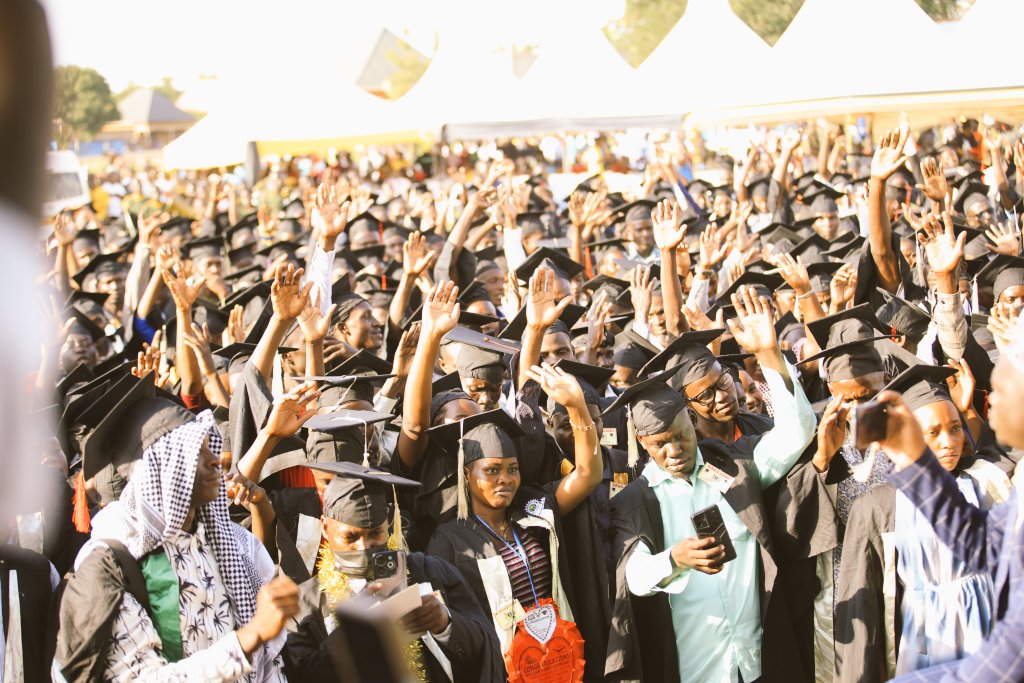
At Busesa Playground, over 3,000 youth and women graduated in various technical and vocational fields including engineering, farming, catering, carpentry, welding, and ICT among many others.
She emphasized the role of families and parents in shaping the next generation through education and values.
📍 Bugweri, during the Skilling for Industrial Development programme, I reminded leaders and young people that training must not end with certificates. Skills must lead to work, enterprise, production and income.
A skilled young person must be connected to tools, markets, standards, finance and proper organisation. That is how training becomes jobs and jobs become industrial development.
I also emphasised that the family, the classroom and the garden must work together. The family teaches values, the classroom gives knowledge, and the garden or workplace builds discipline through production.
Uganda’s future will be built by citizens who consistently produce, add value, meet standards, and supply markets. We must organise around aggregation centres, storage, management systems and market information.
I thank the Hon. Minister for the Presidency, @millybabalanda, and the MP Hon Hajj Wandera, for convening leaders and young people for this important conversation.
Skilling is not the end. It is the foundation for household income, industrial growth and Uganda’s export future.