Dad•Actor•Comedian•Creative• FULL SPECIAL on YT! ‘Grown@%$Dad’ +SiriusXM+iTunes+Amazon •Cut from 3 Oscar nominated films • Host @standupgetdown • ex-verified
my WHOLE comedy special is on YouTube for free! Friends, it's been a long process getting this produced, finally off the Amazon leased period ha - Thank you to YOU who already watched there or purchased the album or rented it! https://t.co/ys4ZakSDPZ
The WGA and AMPTP have reached a tentative agreement. This was made possible by the enduring solidarity of WGA members and extraordinary support of our union siblings who stood with us for over 146 days. More details coming after contract language is finalized. #WGAStrike
In 1991, Pixar struck a deal with Disney to make the first computer-animated movie.
At the time, Pixar co-founder Ed Catmull explained, “We didn’t have any storytellers among us.”
Catmull and most of his employees were computer scientists.
To learn how to tell a good story,
The team attended STORY—a 3-day storytelling seminar taught by screenwriter and story consultant Robert Mckee.
The Pixar team left the seminar, one Pixar employee said, “as true believers [in] McKee’s doctrine that...character emerges most realistically and compellingly from the choices that the protagonist makes in reaction to his problems . . .
This became the law of the land at Pixar.”
Essentially, McKee teaches that the beating heart of a good story is a character who wants something and has to overcome a series of problems to get it.
Guided by this principle, the Pixar team wrote a story about a toy named Woody who wants to keep his position as a boy named Andy’s favorite toy.
“Woody's world is rocked,” Catmull writes in summing up the plot, “when a shiny new rival, a space ranger named Buzz Lightyear, arrives on the scene and becomes the apple of Andy's eye.”
That problem would become the beating heart of “Toy Story,” which released in 1995 and was a critical and commercial sensation.
Following the success of Toy Story, Pixar returned repeatedly to McKee’s principle. One of Pixar's character designers said, “We really really followed McKee almost to the letter of the law.” The former Head of Pixar's Creative Development team added,
“Our movies are very conventional, in terms of story conventions like character arcs. If you look at all of our movies, there’s a protagonist who...goes on a journey and comes out the other end a better person . . . or rat . . . or fish.”
Takeaway 1:
The decision to attend the storytelling seminar was rooted in a lesson Catmull learned when he was 12 years old in 1957.
That year, the Soviets launched the first artificial satellite (Sputnik 1) into Earth's orbit.
"Since we’d been taught that the Communists were the enemy," Catmull writes, "the fact that they’d beaten us into space seemed pretty scary—proof that they had the upper hand."
The U.S. government responded by recruiting the country's best minds and creating something called ARPA (Advanced Research Projects Agency).
The architects of ARPA, Catmull points out, said in response to a serious threat: 'We'll just have to get smarter.'
The Pixar team attended the storytelling seminar because, Catmull writes,
“The lesson of ARPA had lodged in my brain: When faced with a challenge, get smarter.”
Takeaway 2:
Woody's response to the Buzz problem, ARPA's response to the Sputnik 1 problem, Catmull's response to the storytelling problem—as Robert McKee likes to say, “What’s true of life is true of fiction,” and what’s true of fiction is true of life:
“True Character is revealed in the choices [made] under pressure—the greater the pressure, the deeper the revelation, the truer the choice to the character’s essential nature.”
- - -
“When faced with a challenge, get smarter.” — Ed Catmull
Follow @bpoppenheimer for more content like this!
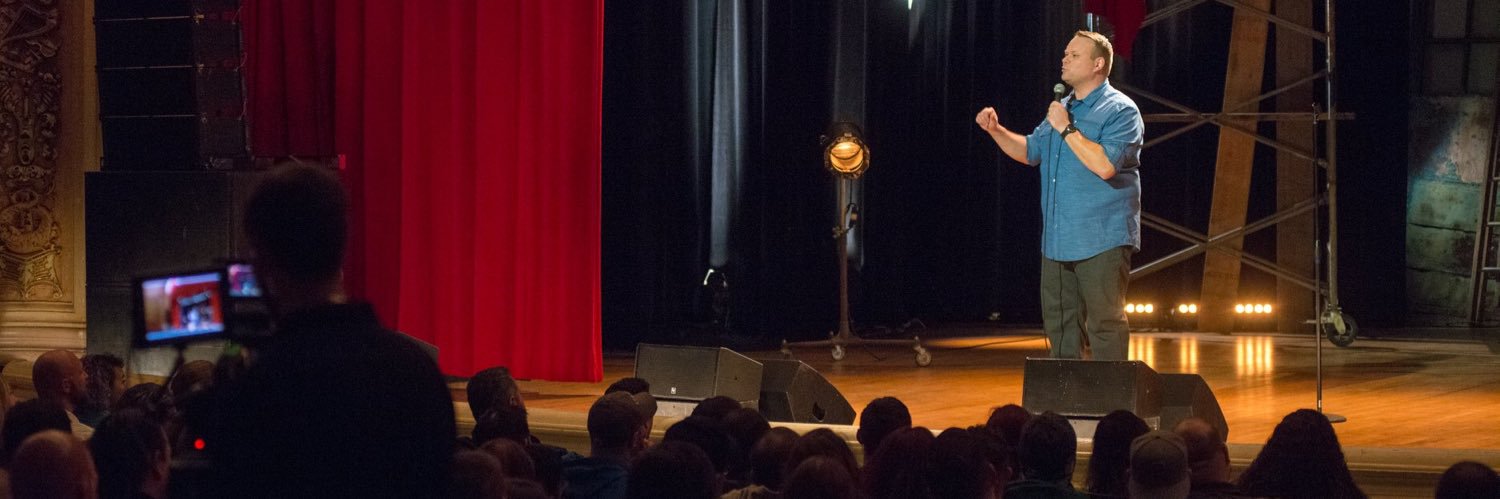
Let’s Monday! Every Monday! Listen @StarPittsburgh with the Audacy app! @bubbasugly@meltaylor1007 830am-EST! (Right after @JulieCourtTV - me below if I was on @CourtTV - couldn’t handle it lol)











![bpoppenheimer's tweet photo. In 1991, Pixar struck a deal with Disney to make the first computer-animated movie.
At the time, Pixar co-founder Ed Catmull explained, “We didn’t have any storytellers among us.”
Catmull and most of his employees were computer scientists.
To learn how to tell a good story,
The team attended STORY—a 3-day storytelling seminar taught by screenwriter and story consultant Robert Mckee.
The Pixar team left the seminar, one Pixar employee said, “as true believers [in] McKee’s doctrine that...character emerges most realistically and compellingly from the choices that the protagonist makes in reaction to his problems . . .
This became the law of the land at Pixar.”
Essentially, McKee teaches that the beating heart of a good story is a character who wants something and has to overcome a series of problems to get it.
Guided by this principle, the Pixar team wrote a story about a toy named Woody who wants to keep his position as a boy named Andy’s favorite toy.
“Woody's world is rocked,” Catmull writes in summing up the plot, “when a shiny new rival, a space ranger named Buzz Lightyear, arrives on the scene and becomes the apple of Andy's eye.”
That problem would become the beating heart of “Toy Story,” which released in 1995 and was a critical and commercial sensation.
Following the success of Toy Story, Pixar returned repeatedly to McKee’s principle. One of Pixar's character designers said, “We really really followed McKee almost to the letter of the law.” The former Head of Pixar's Creative Development team added,
“Our movies are very conventional, in terms of story conventions like character arcs. If you look at all of our movies, there’s a protagonist who...goes on a journey and comes out the other end a better person . . . or rat . . . or fish.”
Takeaway 1:
The decision to attend the storytelling seminar was rooted in a lesson Catmull learned when he was 12 years old in 1957.
That year, the Soviets launched the first artificial satellite (Sputnik 1) into Earth's orbit.
"Since we’d been taught that the Communists were the enemy," Catmull writes, "the fact that they’d beaten us into space seemed pretty scary—proof that they had the upper hand."
The U.S. government responded by recruiting the country's best minds and creating something called ARPA (Advanced Research Projects Agency).
The architects of ARPA, Catmull points out, said in response to a serious threat: 'We'll just have to get smarter.'
The Pixar team attended the storytelling seminar because, Catmull writes,
“The lesson of ARPA had lodged in my brain: When faced with a challenge, get smarter.”
Takeaway 2:
Woody's response to the Buzz problem, ARPA's response to the Sputnik 1 problem, Catmull's response to the storytelling problem—as Robert McKee likes to say, “What’s true of life is true of fiction,” and what’s true of fiction is true of life:
“True Character is revealed in the choices [made] under pressure—the greater the pressure, the deeper the revelation, the truer the choice to the character’s essential nature.”
- - -
“When faced with a challenge, get smarter.” — Ed Catmull
Follow @bpoppenheimer for more content like this!](https://pbs.twimg.com/media/F4OfIFJXEAALvVQ.jpg)


