Alcoholic Beverages Association of Kenya (ABAK) is an umbrella body that brings together Kenya’s leading manufacturers and distributors of alcoholic beverages
Stronger partnerships. Smarter regulation. Sustainable growth.
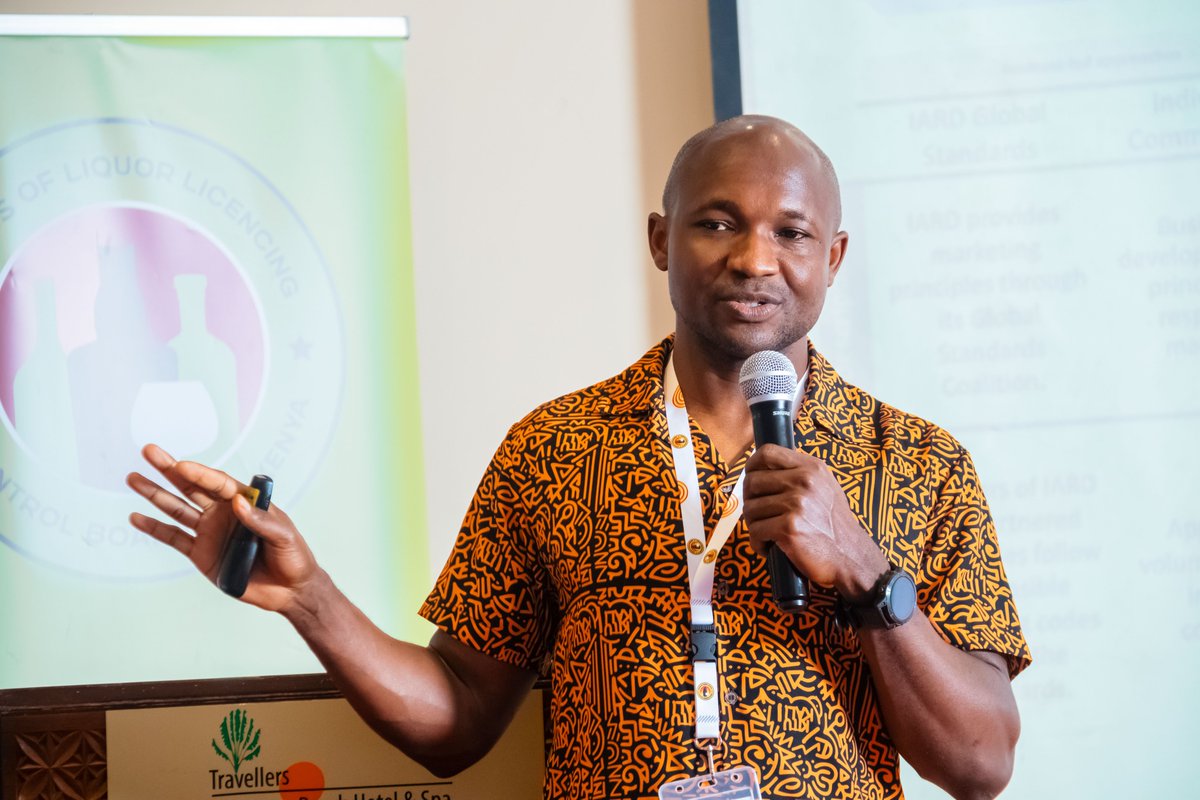
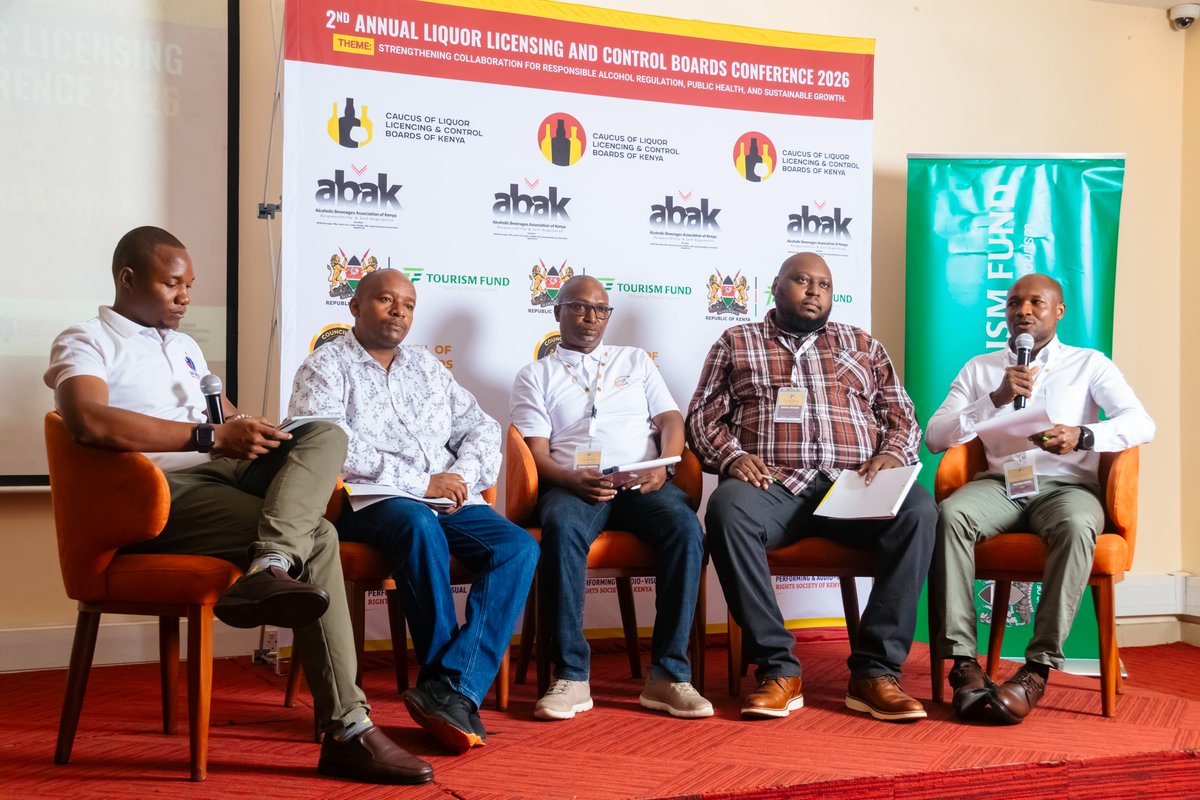
The 2nd Annual Caucus of Liquor Licensing & Control Boards Conference brought together key stakeholders to strengthen collaboration around responsible alcohol regulation and public health.
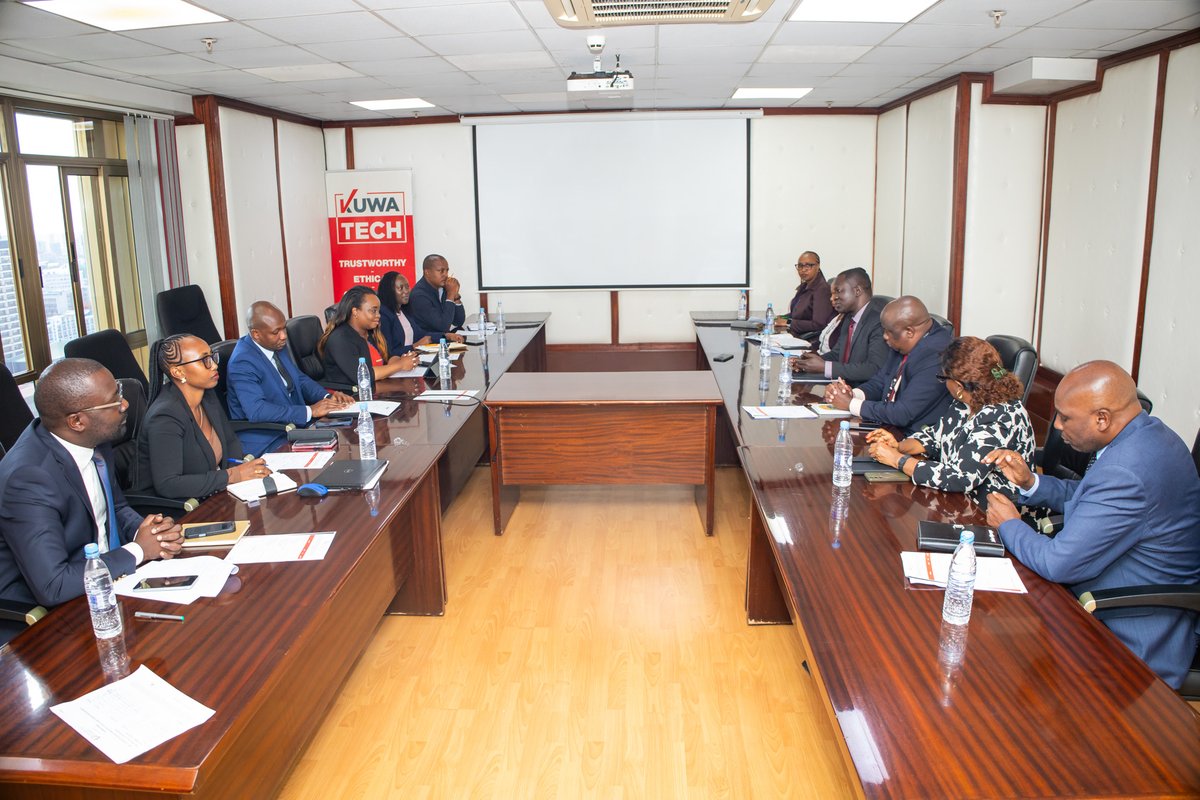
This week, ABAK presented its memorandum on the #FinanceBill2026 before the National Assembly Finance Committee during stakeholder public participation.
Read more: https://t.co/2dqiZFfeza
ABAK continues to strengthen policy engagement, responsible manufacturing, and the fight against illicit alcohol through active stakeholder collaboration and industry advocacy.
Read more here:
https://t.co/EoUS5OrOsY
Yesterday, our Chair Samuel Matano met key stakeholders, including @NACADAKenya CEO Dr. Anthony Omerikwa, MBS, and PAS Internal Security Beverly Opwora, to align on the renewed, collaborative fight against alcohol and drug abuse.
Despite commendable government efforts, illicit alcohol remains a persistent challenge in Kenya.
The trade keeps evolving, from hidden backyard breweries in upscale estates to the bold importation of ethanol that fuels the black market.
Our Secretary, Eric, breaks it down.
If we know better, we must do better. Whether policymaker, retailer or consumer, everyone has a role to play in stopping this crisis before more lives are lost.
Illicit alcohol isn’t just draining public resources. It’s destroying lives. The 2025 Euromonitor Report reveals a crisis hiding in plain sight and it’s costing Kenya far more than lost revenue. 🧵
Consumers also need safe, affordable alternatives and clear information about the dangers of buying from unregulated sources. This isn’t just a legal issue. It’s a health emergency.
The real danger? Consumers rarely know what they’re drinking. It means the majority of alcohol consumers in Kenya are gambling with their health every time they take a drink. This is a national issue and a public health emergency.
Illicit alcohol now makes up 60% of all alcohol sold in Kenya. That means most consumers are drinking products made, sold or distributed outside of any formal oversight. That means no safety checks, no regulation and zero taxes paid.
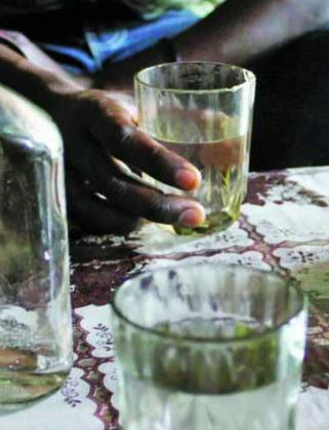
Artisanal brews alone account for 35 million litres consumed annually in Kenya. Some are traditional, but many are now spiked with industrial ethanol or other additives to boost potency without any safety standards, dosage control or ingredient checks.