Dr. Ikran Ali is doing groundbreaking work in the field of musculoskeletal science. Allahuma barik, what a trailblazer! #SomaliWomenInStem#SomaliWomenExcellence
It marks a significant milestone that the PM of the FG of 🇸🇴 is making history by becoming the first PM to undertake an official visit to SSC-KH
This visit stands as a testament to the unity and cohesion of the nation, & it firmly closes the chapter on secessionist aspirations
happy new year ~📻 here's saado cali sending off 1989, a year which was incredibly tumultuous for her (she spent time in prison for singing in criticism of the barre regime & its officials), with a performance of her classic 🎶"naftaydaa ku jiraban” at a new years event in xamar.
The Forgotten Legacy of the Dervish State: Unveiling the History of SSC Khatumo and Somali Resistance to #British Colonialism
To fully understand the #SSCKhatumo regions of northern #Somalia , it is essential to delve into the history of the Dervish State and the role of European colonialists in its rise and fall. Reflecting on the centenary of the fall of the Dervish State offers a deeper appreciation of its historical importance. The Dervish State represents a pivotal chapter in Somali and African history, yet it remains largely unknown or underrepresented in mainstream narratives. It was the first independent African state and the first independent Muslim state to mount a determined resistance against colonial domination.
The Somali Dervish State, founded by Sayid Mohammed Abdullah Hassan, was a major anti-colonial resistance against #British, #Italian, and #Ethiopian powers between 1899 and 1920. This movement, deeply rooted in the Somali governance system often referred as ''Xeer Soomaali'' , sought to establish an independent Somali state and resist foreign occupation. Hassan's leadership was characterized by both his military campaigns and his role as a poet and Islamic scholar. He used poetry to inspire resistance and criticize collaborators with colonial powers, strengthening the ideological foundation of the movement.
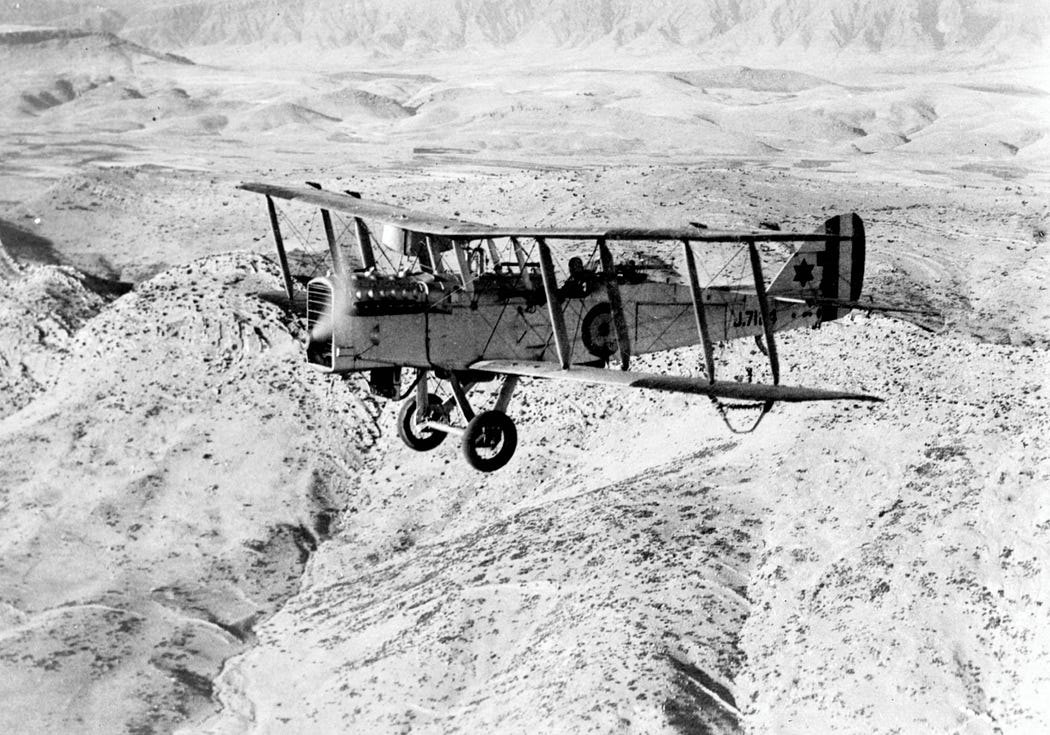
Despite being challenged by Britain, the most powerful imperial power of the time, the Dervish State endured for over two decades. Conventional military tactics failed to defeat the Dervishes, forcing the British to deploy air power for the first time in Africa to suppress their resistance to colonial expansion. This marked a watershed moment in the history of colonial warfare and a testament to Somali resilience and determination.
The Dervish State's territorial reach was expansive, stretching from the shores of Laas Qoray in the Sanaag region to the fertile savannahs of Shabeelle in the Ogaden, extending further into Bakool and parts of Gedo in southern Somalia. Key events in the history of the Dervish State include the Battle of Dul Madoba in 1913, where the Dervishes achieved a significant victory over the British, demonstrating their military strength and resilience. This victory was a defining moment in the resistance against colonial powers.
However, the Dervish State's eventual fall came in 1920 after a combined ground and aerial assault by British forces on their stronghold at Taleh. This marked one of the first uses of air power in colonial warfare and signified the end of the Dervish State and its movement's resistance. Despite their defeat, the Dervish State left a lasting legacy of Somali anti-colonial struggle.
This remarkable history demands greater recognition, as it illuminates the enduring legacy of anti-colonial resistance and the significance of Somali sovereignty in the face of imperial ambitions. Understanding this legacy is vital to appreciating the historical and cultural importance of the #SSCKhatumo regions of northern Somalia and their place in Somali identity.
Shayga keliya eenu alle kaa dhaafi karin waa #Dhiiga qofka muslim ka ah 2000 kunoo qof oo rer #Laascanod ah ayaad dabka ku gurtay do you think inay #cimro lasoo cimraystaa ka maydhayso???
Unoqo dadka oo nabad ku baaq taasa dembi dhaaf kugu dhowe ✅️
Garowe has been making huge strides in infrastructure, with new roads and bridges being built to connect and grow the city. This is crucial for the town’s development, creating better opportunities for trade, mobility, and overall prosperity. Puntland’s hard work is paying off 🙌🏾