Better Somalia advocate | Dev't by profession | Focuses on building families economies | Strong believer restricting imports to innovate, so industrialization.
As African community, we got so depreciated. How can restore our value? Easy. Lets build our system and economies and leave these self-centered governance systems. I am sure the continent will be flooded with employment applications.
🔴 Énorme DINGUERIE encore des États-Unis...
L'arbitre somalien Omar Artan 🇸🇴 s'est vu refuser son entrée aux États-Unis, alors qu'il est sensé officier pendant la Coupe du Monde ! 🙄
Malgré l'aide appuyée de l'ambassade somalienne de Nairobi, qui lui a fourni un PASSEPORT DIPLOMATIQUE, M. Artan a dû faire demi tour à son arrivée aux USA.
On parle d'une personne qui a été élue MEILLEUR ARBITRE AFRICAIN EN 2025 ! 🤦♂️
(@Romain_Molina)
@DahaShire Waa arin jirta arinkaas Wasiir. We have seen people- locally viewed as seasoned - but abuse their thoughts and moral integrity to portray things in away that gives advantage to intended objectives.
When people consider what causes high blood pressure, they often think of lifestyle factors, such as eating salty foods, lack of exercise or smoking. However, an unexpected source of salt might also be raising blood pressure for millions of people: the water they drink. #HealthyNation https://t.co/b6E7OX1LE4
African Democracy Faces A Three Way War
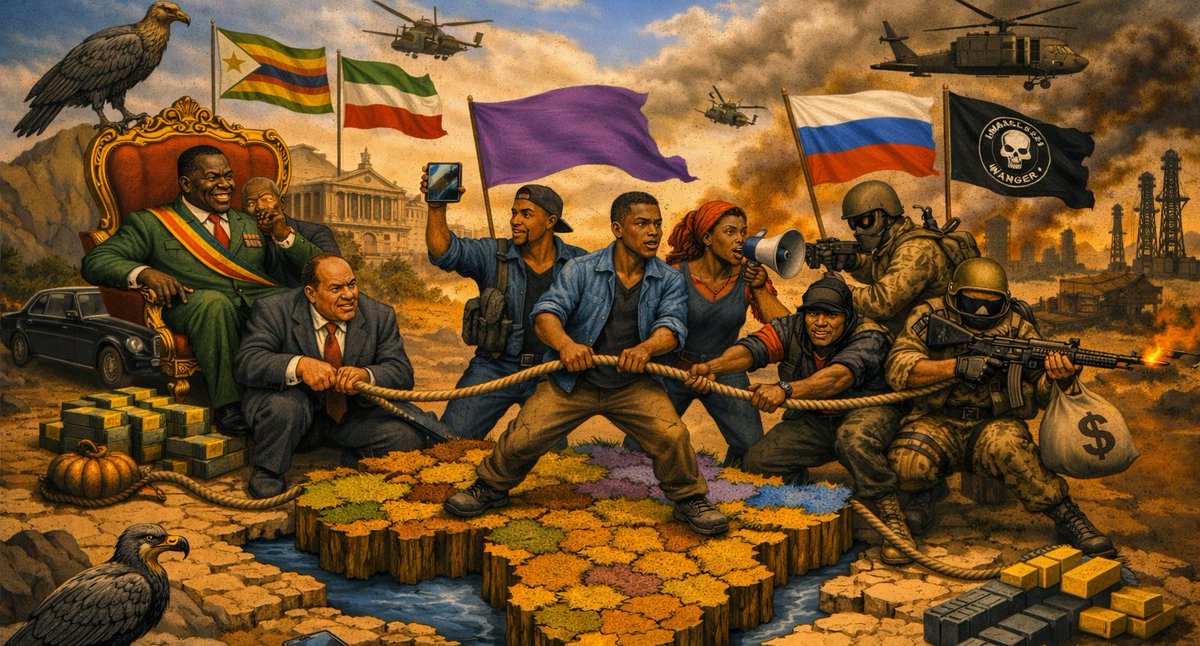
African politics in 2026 is a three-way war for the continent’s soul.
First we have the “regressive restoration” trend, now unfolding in Zimbabwe. President Mnangagwa is waging legal warfare to resurrect Robert Mugabe’s ghost.
By stretching presidential and parliamentary terms from five to seven years, and handing MPs – not citizens– the power to choose the president, Zimbabwe’s political class is turning the state back into a private club for elites. Uganda, Equatorial Guinea, and Congo-Brazzaville may soon follow this path.
Second is the “progressive insurgency”. This is a fast, youth-driven disruption. From Kenya to Senegal, leaderless movements armed with digital tools are bypassing creaky political parties. They reject the cult of the strongman. What they demand is simple: a state that delivers services.
The third is the “extractive securitisation” tendency. In Mali and the Central African Republic, regimes have abandoned the public altogether. They trade gold and lithium for foreign mercenary protection. Unable to win the street or the parliament, they outsource violence to paramilitaries. The result: a privatised state, hollowed out and sold off.