There’s a problem with how French is taught. For a country where students start learning French from class (grade) 3, most of them never become fluent.
A week ago, something I could only dream about as a little girl became my reality.
I’m honored to share that I have graduated from @Harvard_Law with an LL.M. degree. It’s been a crazy year but God showed up for me through every obstacle and uncertainty
You need to learn how to live without needing someone to constantly reassure you and tell you you’re doing okay. At some point, the reassurance has to come from within.
Antoine Semenyo is the exact example of nothing happens for a while then everything happens at once. I’m not too bothered when my life enters a grinding phase. Just have to stay prepared for when the harvest comes.
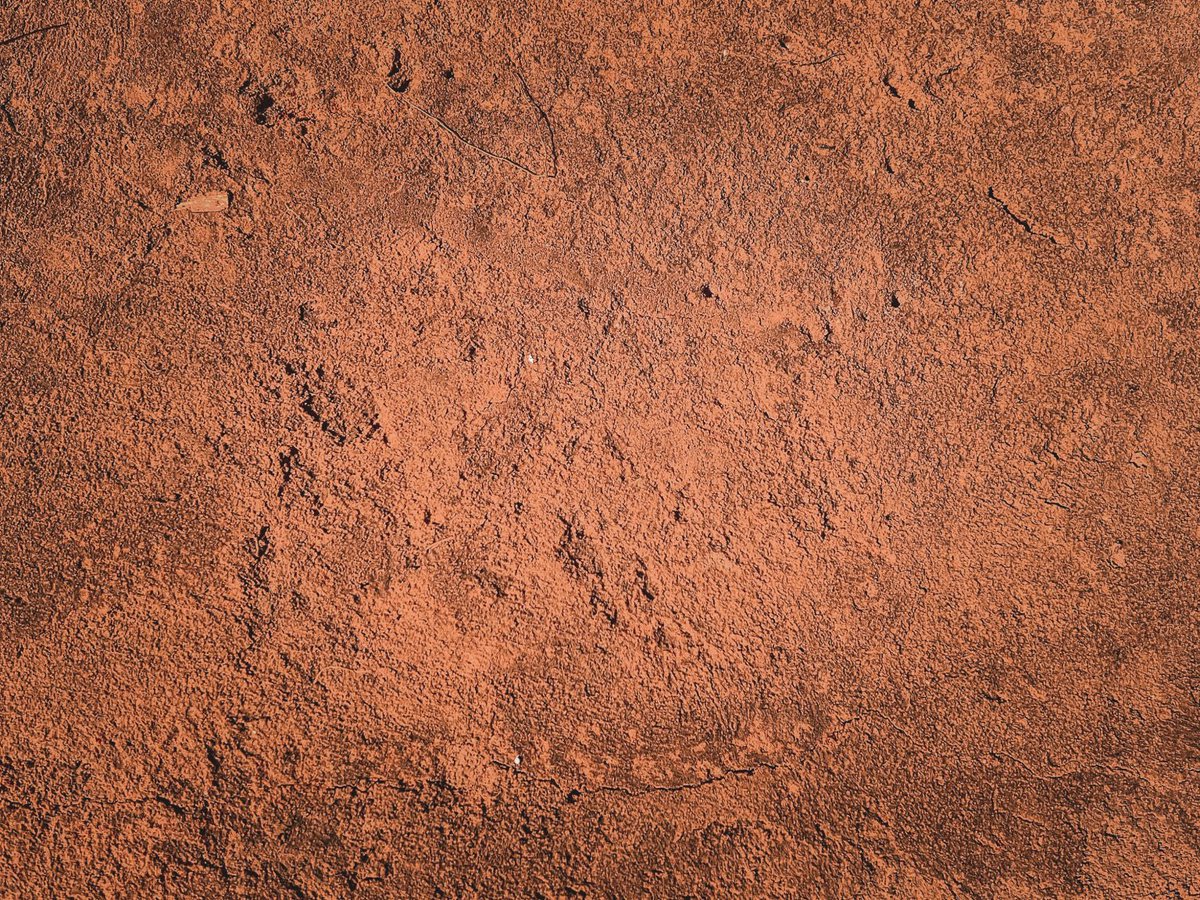
Laterite stone is a high-thermal-mass sustainable building material that is celebrated for its porous texture, natural iron-oxide hue, and its ability to age gracefully in tropical climates.
In Nigeria, laterite is more than just an aesthetic choice, it is a pragmatic response to our specific climatic and economic realities.
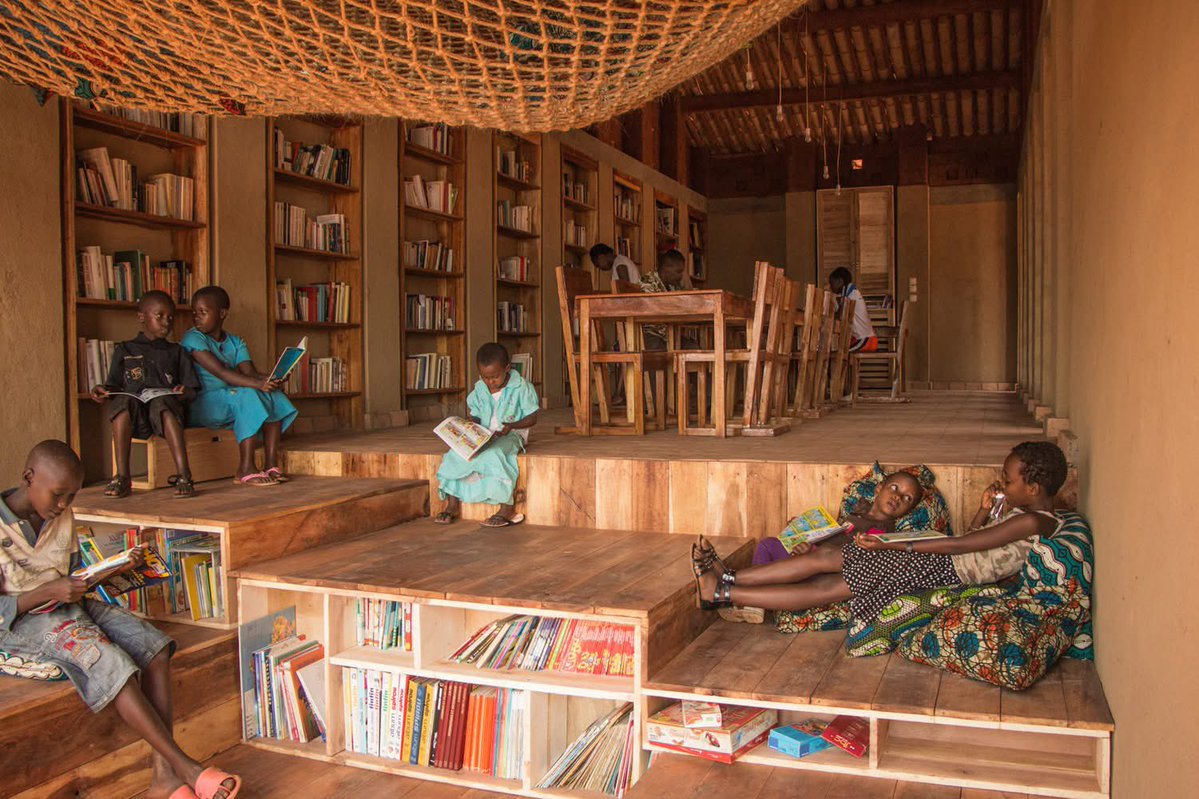
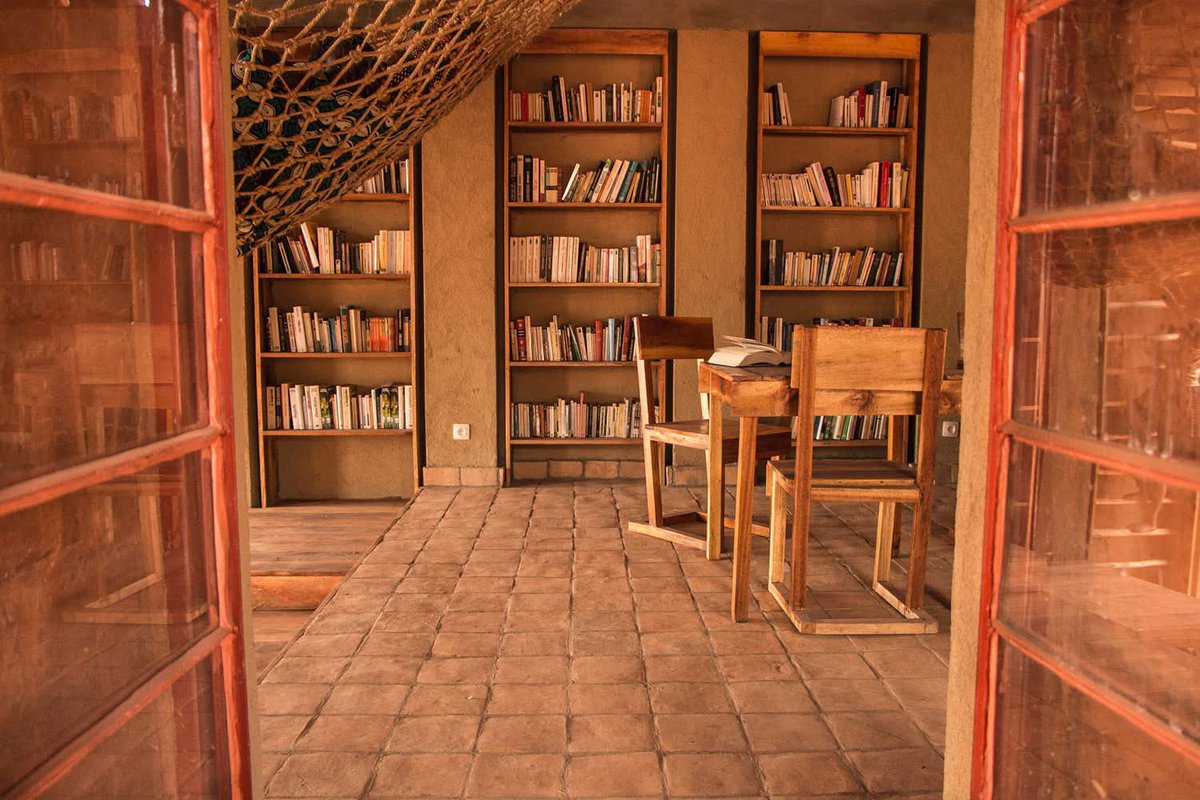
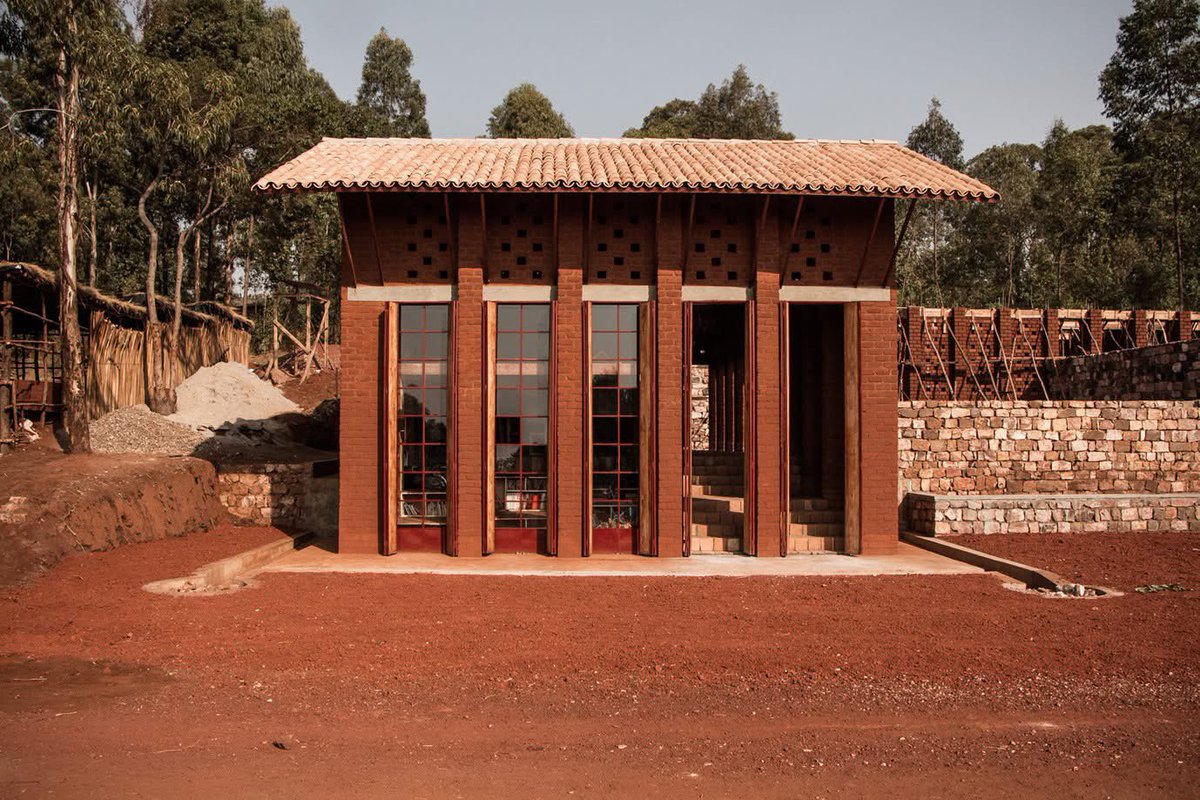
A library for deaf children in Burundi, built entirely from compressed earth blocks and baked clay tiles.
The hammock ceiling is hand-woven sisal rope. The floor is local clay tile. The community built it with them.
Utility doesn’t have to be ugly. Local materials prove it every time.
📍 Library of Muyinga, Burundi
Design: BC Architects
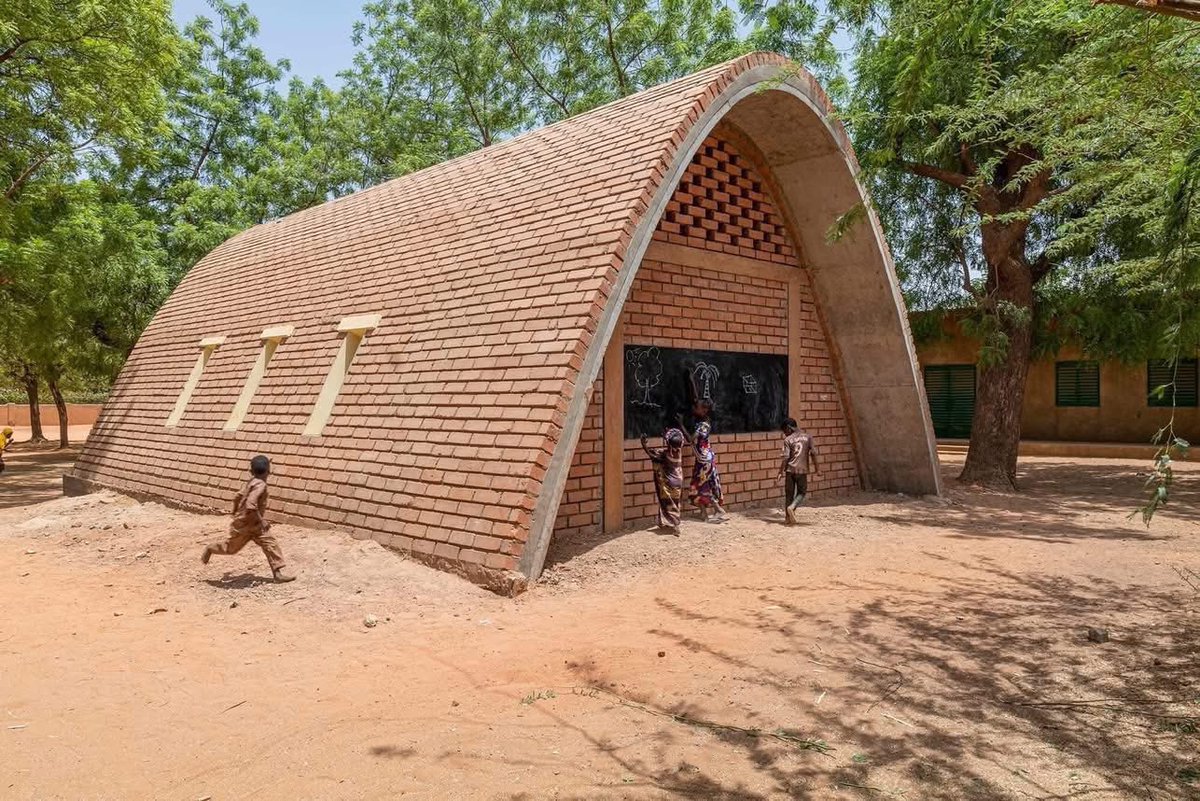
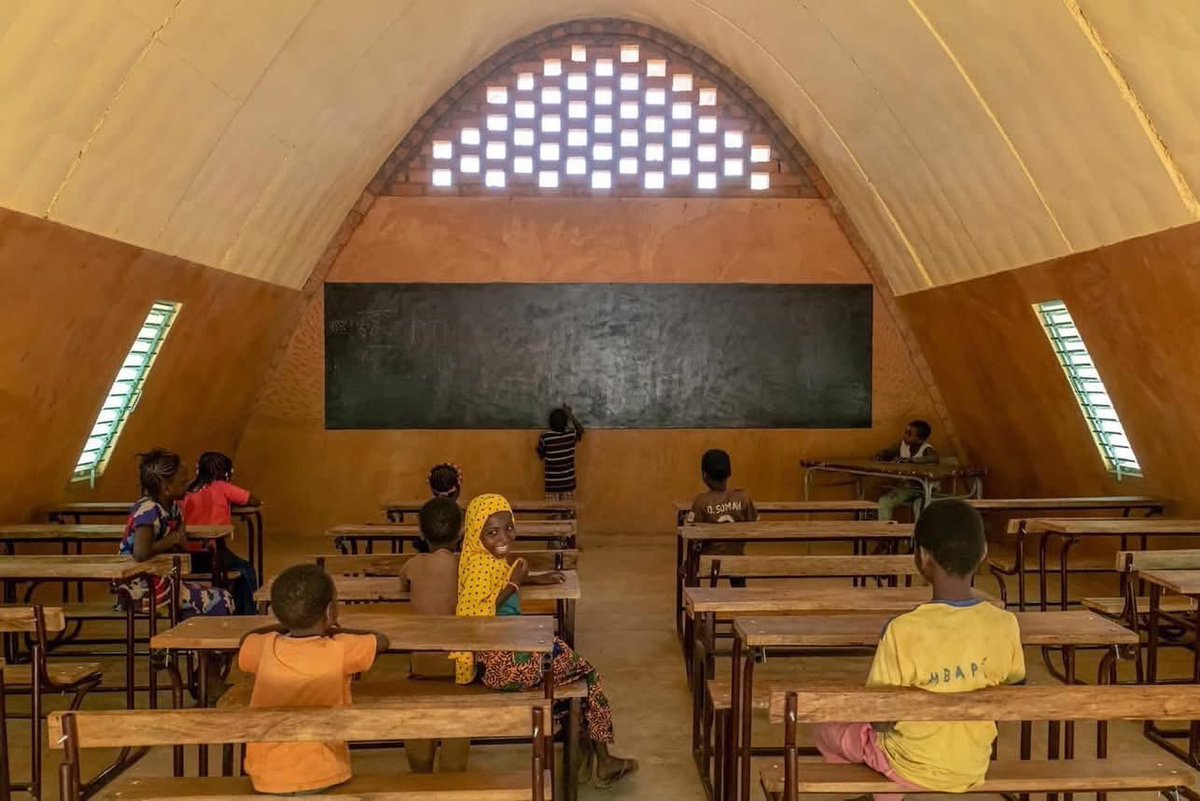
Ghana needs to start researching architectural materials that can provide natural ventilation for housing projects. The solution is a low-tech, cost-effective use of clay or earth tubes, which are sustainable, zero-energy, passive geothermal solar cooling systems. Classrooms must be built from clay, which is a natural temperature regulator, absorbing heat during the day and releasing it at night.
Educational structures in Ghana need a new shift in architectural designs that help address issues of climate change.
The attached images are of the Class Rouge project in Niger, which utilizes SEB (Stabilised Earth Blocks), a bioclimatic material made from locally sourced laterite-rich soil stabilized with 6–7% cement.
This offers excellent thermal insulation, reducing classroom temperatures by 5–6 degrees compared to traditional cement buildings.
We need thinkers who can replicate this innovation to provide an environment that is not only good for learning but also conducive for residential apartments.