@TheRealShuban@ConversationUK This is why, for instance, species that hibernate as eggs or pupae (chrysalis) can survive the winter even though they can’t seek out water.
That said, I can’t completely rule out the possibility that some insects may gain water from snow.
- continued -
From the 13th to the 15th of May 2024, @pintofscienceSE is having science talks all over the world. I personally will be having a talk in Stockholm on the 14th of May called 'testing if CRISPR/Cas9 can be used efficiently in the speckled wood butterfly'. I hope to see you there!
For the first time, 150+ universities from around the globe are coming together for a united #CampusRallyforIran to support brave Iranians who are fighting for their freedom.🌍🕊
Join a rally near you, this Wednesday Nov 30th: https://t.co/SptK0LwUmv
#MahsaAmini#WomanLifeFreedom
(Pls RT and Share!) We're super excited to announce that the 28th European Meeting for PhD Students in Evolutionary Biology is coming to Scotland - May 29th to June 3rd 2023! 🥳
We'll be sharing more info about the conference and abstract submissions here soon, so stay tuned!
I have poster 211 at #ESEB2022. Feel free to go by and read about seasonal timing of diapause in insects and how to test if the sex chromosome has an effect on the timing.
And I really recommend watching my colleagues great talks:
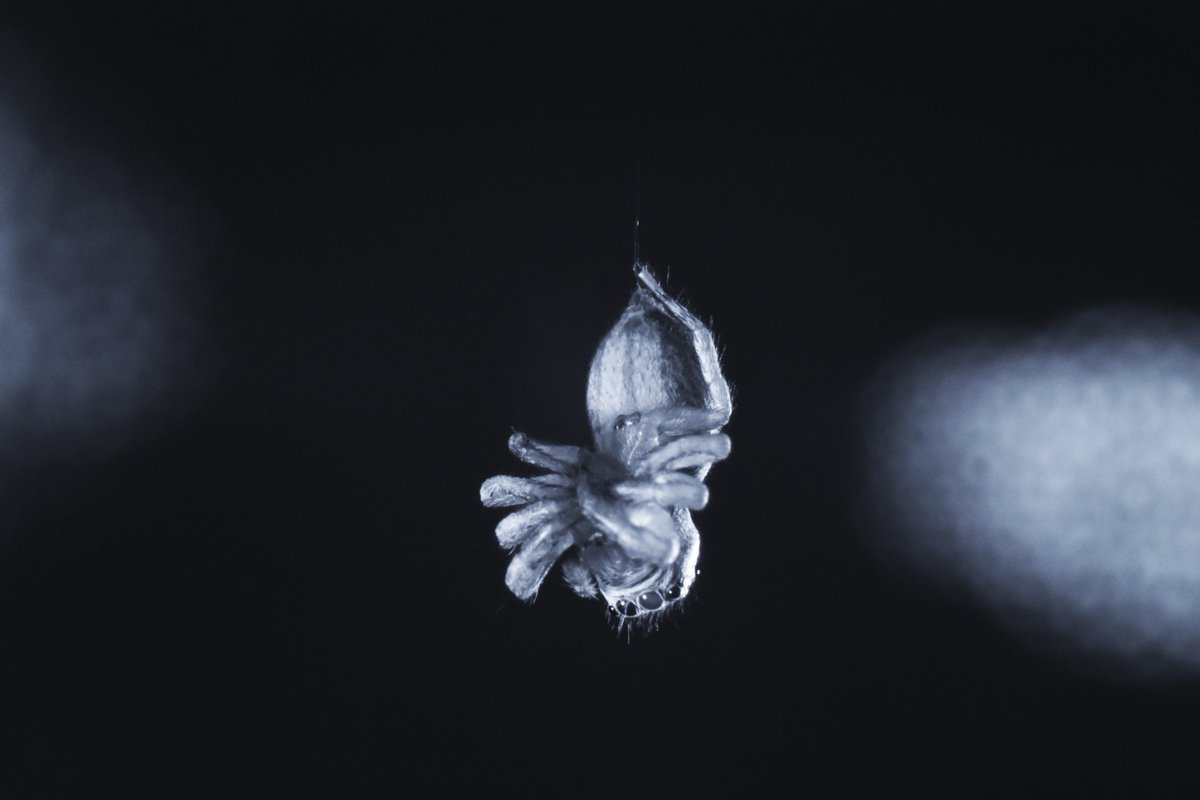
Amidst terrible fomo seeing all the cool conferences, I’ve been dying to share the news of our latest discovery 🥳 You thought jumping spiders peaked in their coolness? Buckle up!!! We need to talk about #jumpingspiders potentially #dreaming. @PNASNews
A thread with #videos 1/7
@mtsengphd I have looked at Pieris rapae from our lap. They didn't all die with their wings neatly placed like in your foto. But of those that did, both males and females predominantly had their wings below their bodies. So maybe it happens at some specific conditions? 🤔