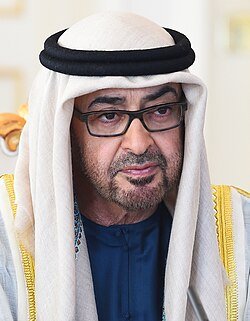
Wonder why in the last decades, United Arab Emirates (UAE) has been actively involved in African Affairs and also why it stands as the Global Trading Hub for gold even when it has no gold mines? These two are closely linked and complement each other.
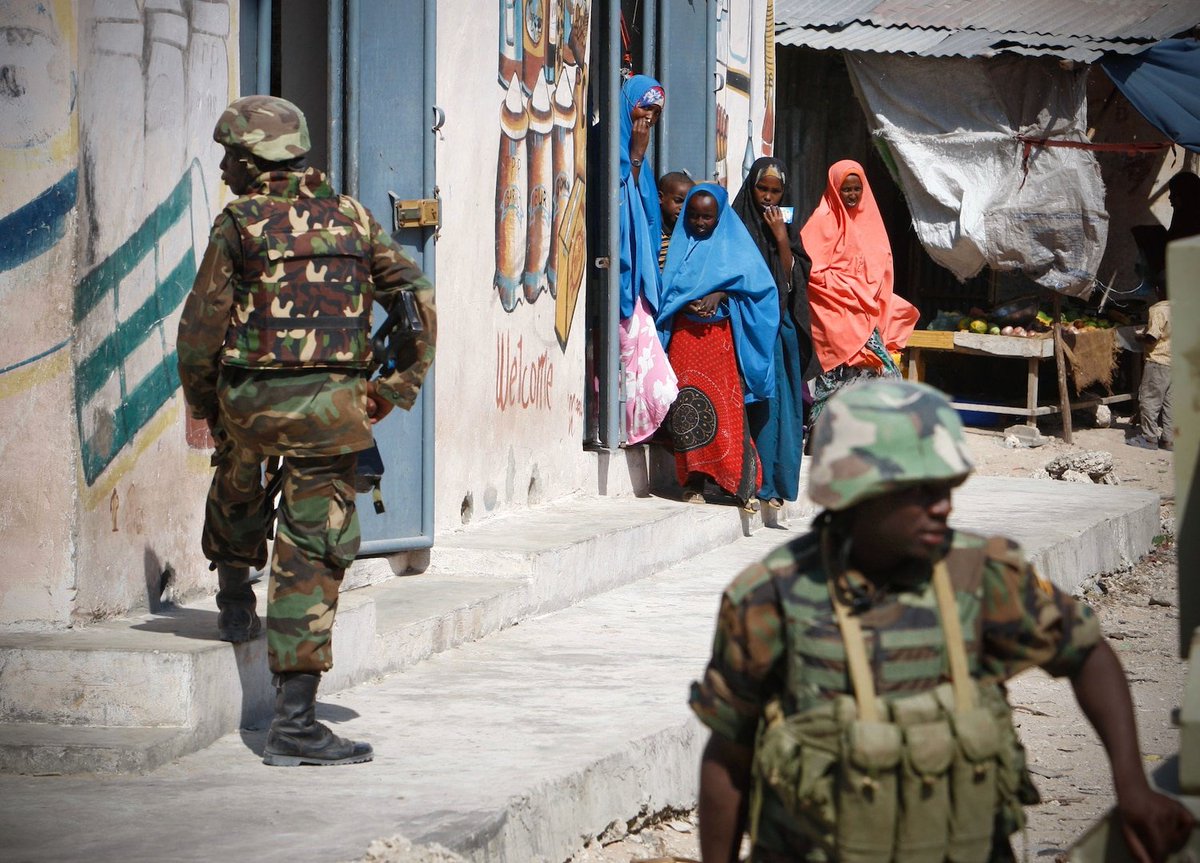
Firstly, we need to understand the relationship that has and is being formulated between the UAE and the African Continent. In the last two decades, the UAE has extended its hands of influence into the continent, with focus on the Economic and Defence areas. UAE has positioned itself as a reliable ally to African Countries like Sudan (RSF), Ethiopia, Libya (Khalifa Haftar), Angola, Somalia, Chad etc while pursuing her own National Interest. It is imperative to note, many of the above-mentioned countries have been the epicenter of armed conflict that has ravaged the continent, caused human, economic, political and infrastructural losses. While these countries are subjected to this phenomenon, they also boast of abundant and critical mineral resources, which the UAE needs to boost its growing economic industries and economic prowess. UAE sees an opportunity, here are the much needed gold, cobalt, copper, tin etc sitting deep down in Africa, why don't I leverage the instability experienced by this continent to get what I need? The UAE decided to capitalize on the instability experienced by these countries to foster its economic interest in the continent. This brings us to the security and defence aspect of it.
Transactional Diplomacy. The UAE decided to give to them what they need while it takes from them what she needs. I need gold to build my growing gold empire, I need cobalt and copper for my growing industries, in turn I would give you the training, military funding and equipment you need to fight your battles, that was the pattern employed by UAE. The UAE proceeds to training countries military, using its wealth to fund them, and having its defence industry sell to them the military equipment they need. During the Tigray War (2020–2022), the Ethiopian Government received military support from the UAE, including armed drones, armored vehicles, weapons and ammunitions. Why is this, cause the UAE held significant economic and strategic interest in Ethopia, a collapse of it government would mean a collapse of her (UAE) interest.
This sounds Balanced right? A mutually benefited deal unfortunately it is not cause the civilians are at the receiving end of this. These Conflicts being funded and influenced by external powers has cost the lives of Hundreds of thousands of Africans, displaced millions and set back the continent decades of years back on its path to economic and political independence. Notably, the UAE's alleged support for the Rapid Support Forces in the ongoing Sudan Civil War has drawn serious international scrutiny. But here is where I see the bigger picture. Sudan is rich in gold, and the RSF controls large territories in Darfur where gold mining is significant. Most of Sudan's gold ends up in the UAE, directly or through neighbouring countries, making the gold trade deeply connected to the war economy. The UAE does not need to have gold mines in its own territory to build a thriving gold empire. It needs Africa's gold. It needs access to the mines, the traders, the routes and the markets. From Sudan, Libya and the DRC to other resource-rich countries, the UAE has positioned itself at the end of the supply chain, while its involvement in African affairs gives it influence over the very environments where these resources are found. The gold, minerals and wealth extracted from these conflict-affected countries are helping to fuel the economic growth the UAE enjoys today. So while the UAE economy thrives and its people enjoy the benefits, millions of Africans remain at the receiving end of the instability that makes some of these resources accessible.
#Africa #UAE #War #Sudan #DRC #geopolitics #gold #Ethopia #humanitariancrisis #civilians #Military #conflict
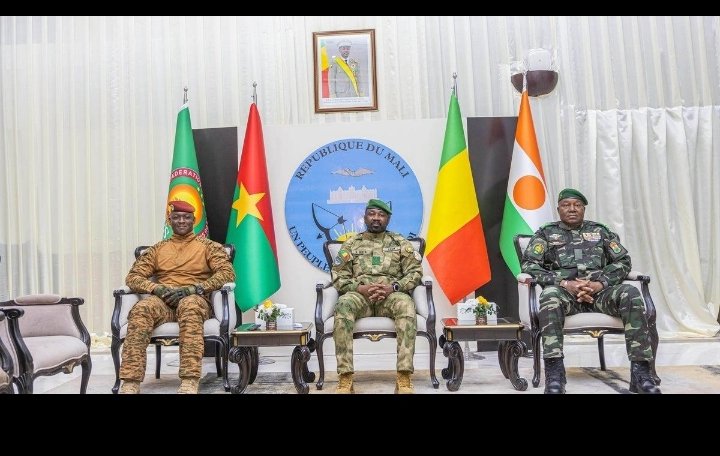
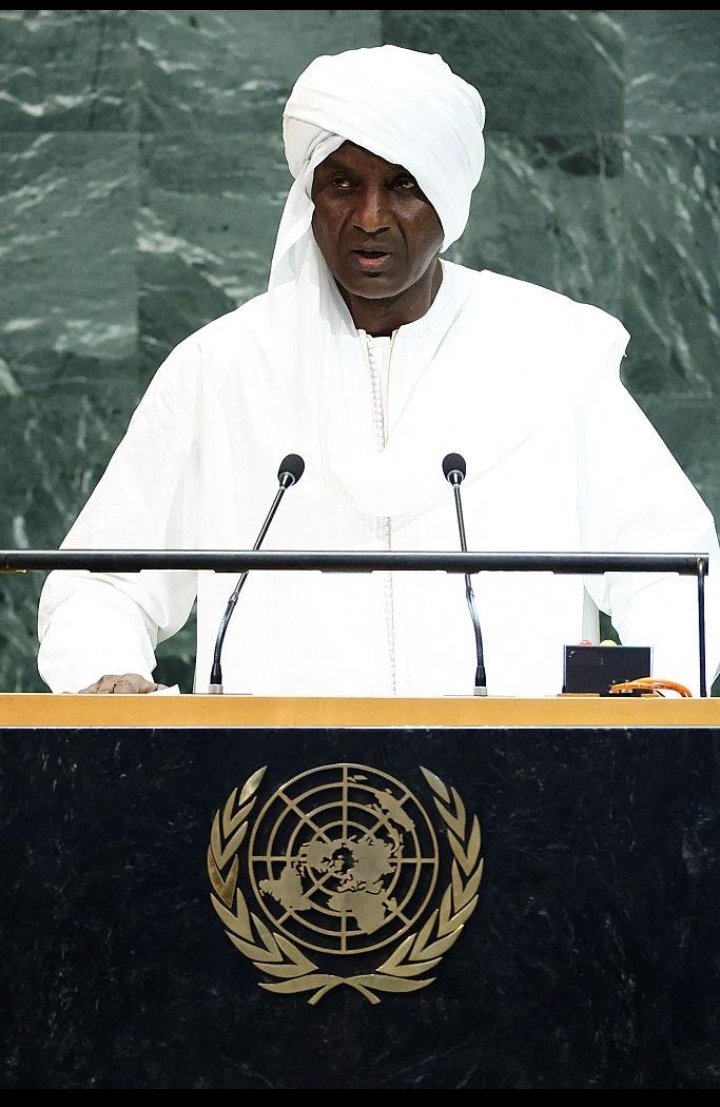
The address by Niger's Prime Minister, Ali Mahaman Lamine Zeine, at the United Nations General Assembly is a significant development in the growing geopolitical tensions between the Sahelian states and Western powers, particularly France. His speech centred on neocolonialism, the exploitation of Africa's natural resources and the alleged involvement of foreign powers in the persistent insecurity confronting the Sahel. These arguments reflect the growing frustration of Niger, Mali and Burkina Faso with what they perceive as continued Western interference in their internal affairs, particularly as the three countries seek to assert greater control over their political, economic and security arrangements.
France's historical and economic influence in the Sahel was a major part of the Prime Minister's argument, particularly regarding the region's strategic resources, including Niger's uranium and the gold deposits of Mali and Burkina Faso. His accusations suggest that the persistent insecurity in the region is not entirely disconnected from the geopolitical and economic interests of external powers. Although the allegation that France is deliberately facilitating terrorism to exploit these resources requires independent verification, the broader question of unequal resource relationships, foreign economic influence and the limited industrial benefits retained by resource-producing African countries remains central to the debate on neocolonialism.
The most controversial dimension of the speech, however, is the accusation against Ukraine, which Zeine alleged is actively supporting separatist groups alongside France to destabilise the Sahel. Ukraine's alleged involvement is particularly significant given its ongoing war with Russia and the presence of Russia's Africa Corps, which works alongside the armed forces of Mali and other AES countries. The allegations bring a wider geopolitical dimension to the conflict, suggesting that the confrontation between Russia and Ukraine may have implications beyond Europe, particularly in regions where Moscow has established strategic partnerships. The reported Ukrainian links to Tuareg separatists following the 2024 fighting in northern Mali have further intensified these concerns, although the extent of any direct operational support remains disputed.
Ultimately, Zeine's argument is that the insecurity in the Sahel, the competition over its natural resources and the growing involvement of external powers cannot be treated as entirely separate issues. His speech reflects the AES countries' determination to challenge France's historical influence, strengthen their strategic partnership with Russia and establish greater control over their resources. However, the wider challenge remains whether this shift in geopolitical alignment will translate into lasting security, economic independence and meaningful development, or whether the Sahel will continue to serve as an arena for competing external interests.
#Africa #Sahel #Niger #BurkinaFaso #France #Geopolitics #War #Mali #Insurgency #Minerals #Gold #Uranium #Russia #Ukraine #Russoukrainewar #Iranwar
BLUETOOTHING: WHEN A HIGH BECOMES SHARED
I came across two words recently that genuinely made me pause: “bluetoothing” and “hotspotting.”
No, this has nothing to do with your phone connecting to another device.
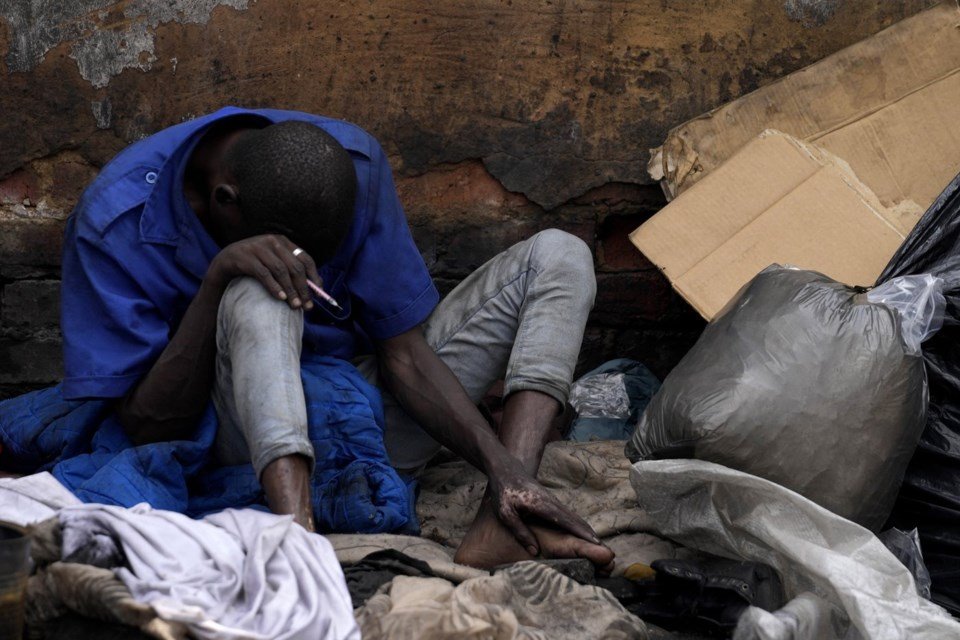
In parts of Southern Africa, particularly Lesotho, and reportedly South Africa, these words describe a disturbing drug practice where one person injects a drug, draws some of their own blood afterwards and passes it to another person to inject. That person can then do the same with someone else. In other words, they are not simply sharing a needle. They are sharing the blood carrying the drug’s effects.
And this is where the story becomes even more disturbing.
One reason the practice has spread is economics. Several people can contribute money for a single dose and then share the resulting high. One syringe can effectively become a communal ticket to intoxication. But what is being shared alongside that high is the risk of HIV and other blood-borne infections. In Lesotho, mothers have even organised against the practice as drug use among young people becomes a growing concern.
It is strange how language can make something horrifying sound almost ordinary. “Bluetoothing” sounds harmless. “Hotspotting” sounds technological. Yet behind those words is a syringe, blood, drugs and a chain of people exposing one another to potentially life-changing infections.
Sometimes, the most frightening thing about a new social problem is not how strange it sounds.
It is how quickly people can give it a name and make it normal.
#Africa #SouthAfrica #Drugs #Lesotho #Trending #Zimbabwe #Nigeria #Syringe #Geopolitics #Intoxication
Seriously @AP , what form, type or category of "interaction" leads to death. I am really curious about the type of the interaction that was held to have cause their deaths. I would basically call this "Softening of the Reality Through Words". You guys are pathetic.
#Palestine #Israel #Westbank #Violence #Geopolitics #Iranwar #Media #America #Middleeast #Conflict
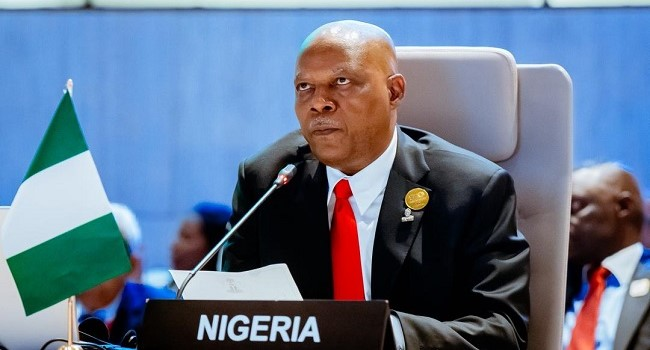
Few hours ago, I wrote on Nigerian State governments focusing on Mineral extractions while overlooking the manufacturing and processing aspect of it which is more beneficial to their economy. Here is Nigerian Vice President buttressing my point hours later 👌
Kindly engage my page and drop a follow.
@PulseNigeria247@daily_nigerian@daily_trust@DailyPostNGR@channelstv@seunokin@tvcnewsng@TheNationNews
Shettima Urges Africa Against Exporting Mineral Wealth Without Achieving Full Benefits
Nigeria’s Vice President, Senator Kashim Shettima, has called on African countries to end decades of exporting mineral wealth without capturing sufficient value from processing, industrialisation and manufacturing.
https://t.co/92aIyv07EM
Some of the objectives of Nigeria’s delegation (led by the Vice president, Kashim Shettima) to the UN 81st General Assembly have been made known, and here are my takes on them. According to the Senior Special Assistant to the President on Media and Communications, Mr Stanley Nkwocha, Nigeria’s stance at the Assembly would be to build on its position from the last UN 80th General Assembly. So basically, it would be a start from where we stopped.
Firstly, Nigeria would push for a holistic reform of the global body’s (UN) contributions to the development of Third World countries. This is a genuine and strategic move by Nigeria. A genuine move in the sense that Third World countries actually need the assistance of the UN in attaining economic and political development. A strategic move in the sense that it positions Nigeria as the voice for Africa.
Secondly, Nigeria aims to request for a permanent seat at the UN Security Council. This is not really achievable under the current geopolitical structure, and here is why. The UN Security Council has 15 seats, consisting of 10 non-permanent and 5 permanent seats, with the permanent members allowed to veto any substantive resolution adopted by the Council. Traditionally and till date, the seats have been occupied by the US, China, France, UK and Russia, who have all used their positions to advance their national interests. The already established permanent members wouldn’t want to compromise their position nor undermine the power they hold. Undoubtedly, it would be a big win and leverage if Nigeria gets a permanent seat and would help project Nigeria as a global strategic actor, but the geopolitical structure of today makes that possibility highly unlikely.
Thirdly, Nigeria also looks forward to engaging strategically with critical stakeholders at the global event. This is a good move in relation to Nigeria’s interests, as it provides Nigeria the opportunity to engage with key countries and international actors, strengthen diplomatic relations and seek support for its interests on the global stage.
Fourthly, the State Governors who are also part of the delegation are pushing to advance their states’ interests and open doors to foreign investment. This is a good move but with a big tactical flaw. According to the governors’ address to the media, they are seeking opportunities to open up their states to global investments, using their states’ mineral resources as leverage, which is a flaw. This would only give room to exploitation and bring underdevelopment instead of the development they envision to achieve. They are basically calling for investors to come, extract and take the resources back to their countries, produce there, where they end up being more valuable. What the governors should be looking for is not just extractive investment, but manufacturing investment that will see these resources processed within Nigeria. This would create more jobs, strengthen local industries, increase GDP and give Nigeria a stronger economic position globally.
In can be said, these objectives comprise things that are achievable, while some, when we look at the technical and strategic aspects of them, come with their own obstacles. The objectives should therefore not just be looked at from the perspective of what Nigeria wants to achieve, but also from the realities of the system in which it is trying to achieve them. Some will require stronger diplomatic leverage, some will require strategic negotiations, while others require a rethink of the approach being taken.
#UNAssembly #Nigeria #Africa #81stUNGeneralAssembly #Speech #geopolitics #Global #Permanentmembers #America #Europe #Objectives
Some of the objectives of Nigeria’s delegation (led by the Vice president, Kashim Shettima) to the UN 81st General Assembly have been made known, and here are my takes on them. According to the Senior Special Assistant to the President on Media and Communications, Mr Stanley Nkwocha, Nigeria’s stance at the Assembly would be to build on its position from the last UN 80th General Assembly. So basically, it would be a start from where we stopped.
Firstly, Nigeria would push for a holistic reform of the global body’s (UN) contributions to the development of Third World countries. This is a genuine and strategic move by Nigeria. A genuine move in the sense that Third World countries actually need the assistance of the UN in attaining economic and political development. A strategic move in the sense that it positions Nigeria as the voice for Africa.
Secondly, Nigeria aims to request for a permanent seat at the UN Security Council. This is not really achievable under the current geopolitical structure, and here is why. The UN Security Council has 15 seats, consisting of 10 non-permanent and 5 permanent seats, with the permanent members allowed to veto any substantive resolution adopted by the Council. Traditionally and till date, the seats have been occupied by the US, China, France, UK and Russia, who have all used their positions to advance their national interests. The already established permanent members wouldn’t want to compromise their position nor undermine the power they hold. Undoubtedly, it would be a big win and leverage if Nigeria gets a permanent seat and would help project Nigeria as a global strategic actor, but the geopolitical structure of today makes that possibility highly unlikely.
Thirdly, Nigeria also looks forward to engaging strategically with critical stakeholders at the global event. This is a good move in relation to Nigeria’s interests, as it provides Nigeria the opportunity to engage with key countries and international actors, strengthen diplomatic relations and seek support for its interests on the global stage.
Fourthly, the State Governors who are also part of the delegation are pushing to advance their states’ interests and open doors to foreign investment. This is a good move but with a big tactical flaw. According to the governors’ address to the media, they are seeking opportunities to open up their states to global investments, using their states’ mineral resources as leverage, which is a flaw. This would only give room to exploitation and bring underdevelopment instead of the development they envision to achieve. They are basically calling for investors to come, extract and take the resources back to their countries, produce there, where they end up being more valuable. What the governors should be looking for is not just extractive investment, but manufacturing investment that will see these resources processed within Nigeria. This would create more jobs, strengthen local industries, increase GDP and give Nigeria a stronger economic position globally.
In can be said, these objectives comprise things that are achievable, while some, when we look at the technical and strategic aspects of them, come with their own obstacles. The objectives should therefore not just be looked at from the perspective of what Nigeria wants to achieve, but also from the realities of the system in which it is trying to achieve them. Some will require stronger diplomatic leverage, some will require strategic negotiations, while others require a rethink of the approach being taken.
#UNAssembly #Nigeria #Africa #81stUNGeneralAssembly #Speech #geopolitics #Global #Permanentmembers #America #Europe #Objectives
Some of the objectives of Nigeria’s delegation (led by the Vice president, Kashim Shettima) to the UN 81st General Assembly have been made known, and here are my takes on them. According to the Senior Special Assistant to the President on Media and Communications, Mr Stanley Nkwocha, Nigeria’s stance at the Assembly would be to build on its position from the last UN 80th General Assembly. So basically, it would be a start from where we stopped.
Firstly, Nigeria would push for a holistic reform of the global body’s (UN) contributions to the development of Third World countries. This is a genuine and strategic move by Nigeria. A genuine move in the sense that Third World countries actually need the assistance of the UN in attaining economic and political development. A strategic move in the sense that it positions Nigeria as the voice for Africa.
Secondly, Nigeria aims to request for a permanent seat at the UN Security Council. This is not really achievable under the current geopolitical structure, and here is why. The UN Security Council has 15 seats, consisting of 10 non-permanent and 5 permanent seats, with the permanent members allowed to veto any substantive resolution adopted by the Council. Traditionally and till date, the seats have been occupied by the US, China, France, UK and Russia, who have all used their positions to advance their national interests. The already established permanent members wouldn’t want to compromise their position nor undermine the power they hold. Undoubtedly, it would be a big win and leverage if Nigeria gets a permanent seat and would help project Nigeria as a global strategic actor, but the geopolitical structure of today makes that possibility highly unlikely.
Thirdly, Nigeria also looks forward to engaging strategically with critical stakeholders at the global event. This is a good move in relation to Nigeria’s interests, as it provides Nigeria the opportunity to engage with key countries and international actors, strengthen diplomatic relations and seek support for its interests on the global stage.
Fourthly, the State Governors who are also part of the delegation are pushing to advance their states’ interests and open doors to foreign investment. This is a good move but with a big tactical flaw. According to the governors’ address to the media, they are seeking opportunities to open up their states to global investments, using their states’ mineral resources as leverage, which is a flaw. This would only give room to exploitation and bring underdevelopment instead of the development they envision to achieve. They are basically calling for investors to come, extract and take the resources back to their countries, produce there, where they end up being more valuable. What the governors should be looking for is not just extractive investment, but manufacturing investment that will see these resources processed within Nigeria. This would create more jobs, strengthen local industries, increase GDP and give Nigeria a stronger economic position globally.
In can be said, these objectives comprise things that are achievable, while some, when we look at the technical and strategic aspects of them, come with their own obstacles. The objectives should therefore not just be looked at from the perspective of what Nigeria wants to achieve, but also from the realities of the system in which it is trying to achieve them. Some will require stronger diplomatic leverage, some will require strategic negotiations, while others require a rethink of the approach being taken.
#UNAssembly #Nigeria #Africa #81stUNGeneralAssembly #Speech #geopolitics #Global #Permanentmembers #America #Europe #Objectives
Some of the objectives of Nigeria’s delegation (led by the Vice president, Kashim Shettima) to the UN 81st General Assembly have been made known, and here are my takes on them. According to the Senior Special Assistant to the President on Media and Communications, Mr Stanley Nkwocha, Nigeria’s stance at the Assembly would be to build on its position from the last UN 80th General Assembly. So basically, it would be a start from where we stopped.
Firstly, Nigeria would push for a holistic reform of the global body’s (UN) contributions to the development of Third World countries. This is a genuine and strategic move by Nigeria. A genuine move in the sense that Third World countries actually need the assistance of the UN in attaining economic and political development. A strategic move in the sense that it positions Nigeria as the voice for Africa.
Secondly, Nigeria aims to request for a permanent seat at the UN Security Council. This is not really achievable under the current geopolitical structure, and here is why. The UN Security Council has 15 seats, consisting of 10 non-permanent and 5 permanent seats, with the permanent members allowed to veto any substantive resolution adopted by the Council. Traditionally and till date, the seats have been occupied by the US, China, France, UK and Russia, who have all used their positions to advance their national interests. The already established permanent members wouldn’t want to compromise their position nor undermine the power they hold. Undoubtedly, it would be a big win and leverage if Nigeria gets a permanent seat and would help project Nigeria as a global strategic actor, but the geopolitical structure of today makes that possibility highly unlikely.
Thirdly, Nigeria also looks forward to engaging strategically with critical stakeholders at the global event. This is a good move in relation to Nigeria’s interests, as it provides Nigeria the opportunity to engage with key countries and international actors, strengthen diplomatic relations and seek support for its interests on the global stage.
Fourthly, the State Governors who are also part of the delegation are pushing to advance their states’ interests and open doors to foreign investment. This is a good move but with a big tactical flaw. According to the governors’ address to the media, they are seeking opportunities to open up their states to global investments, using their states’ mineral resources as leverage, which is a flaw. This would only give room to exploitation and bring underdevelopment instead of the development they envision to achieve. They are basically calling for investors to come, extract and take the resources back to their countries, produce there, where they end up being more valuable. What the governors should be looking for is not just extractive investment, but manufacturing investment that will see these resources processed within Nigeria. This would create more jobs, strengthen local industries, increase GDP and give Nigeria a stronger economic position globally.
In can be said, these objectives comprise things that are achievable, while some, when we look at the technical and strategic aspects of them, come with their own obstacles. The objectives should therefore not just be looked at from the perspective of what Nigeria wants to achieve, but also from the realities of the system in which it is trying to achieve them. Some will require stronger diplomatic leverage, some will require strategic negotiations, while others require a rethink of the approach being taken.
#UNAssembly #Nigeria #Africa #81stUNGeneralAssembly #Speech #geopolitics #Global #Permanentmembers #America #Europe #Objectives
Some of the objectives of Nigeria’s delegation (led by the Vice president, Kashim Shettima) to the UN 81st General Assembly have been made known, and here are my takes on them. According to the Senior Special Assistant to the President on Media and Communications, Mr Stanley Nkwocha, Nigeria’s stance at the Assembly would be to build on its position from the last UN 80th General Assembly. So basically, it would be a start from where we stopped.
Firstly, Nigeria would push for a holistic reform of the global body’s (UN) contributions to the development of Third World countries. This is a genuine and strategic move by Nigeria. A genuine move in the sense that Third World countries actually need the assistance of the UN in attaining economic and political development. A strategic move in the sense that it positions Nigeria as the voice for Africa.
Secondly, Nigeria aims to request for a permanent seat at the UN Security Council. This is not really achievable under the current geopolitical structure, and here is why. The UN Security Council has 15 seats, consisting of 10 non-permanent and 5 permanent seats, with the permanent members allowed to veto any substantive resolution adopted by the Council. Traditionally and till date, the seats have been occupied by the US, China, France, UK and Russia, who have all used their positions to advance their national interests. The already established permanent members wouldn’t want to compromise their position nor undermine the power they hold. Undoubtedly, it would be a big win and leverage if Nigeria gets a permanent seat and would help project Nigeria as a global strategic actor, but the geopolitical structure of today makes that possibility highly unlikely.
Thirdly, Nigeria also looks forward to engaging strategically with critical stakeholders at the global event. This is a good move in relation to Nigeria’s interests, as it provides Nigeria the opportunity to engage with key countries and international actors, strengthen diplomatic relations and seek support for its interests on the global stage.
Fourthly, the State Governors who are also part of the delegation are pushing to advance their states’ interests and open doors to foreign investment. This is a good move but with a big tactical flaw. According to the governors’ address to the media, they are seeking opportunities to open up their states to global investments, using their states’ mineral resources as leverage, which is a flaw. This would only give room to exploitation and bring underdevelopment instead of the development they envision to achieve. They are basically calling for investors to come, extract and take the resources back to their countries, produce there, where they end up being more valuable. What the governors should be looking for is not just extractive investment, but manufacturing investment that will see these resources processed within Nigeria. This would create more jobs, strengthen local industries, increase GDP and give Nigeria a stronger economic position globally.
In can be said, these objectives comprise things that are achievable, while some, when we look at the technical and strategic aspects of them, come with their own obstacles. The objectives should therefore not just be looked at from the perspective of what Nigeria wants to achieve, but also from the realities of the system in which it is trying to achieve them. Some will require stronger diplomatic leverage, some will require strategic negotiations, while others require a rethink of the approach being taken.
#UNAssembly #Nigeria #Africa #81stUNGeneralAssembly #Speech #geopolitics #Global #Permanentmembers #America #Europe #Objectives
Some of the objectives of Nigeria’s delegation (led by the Vice president, Kashim Shettima) to the UN 81st General Assembly have been made known, and here are my takes on them. According to the Senior Special Assistant to the President on Media and Communications, Mr Stanley Nkwocha, Nigeria’s stance at the Assembly would be to build on its position from the last UN 80th General Assembly. So basically, it would be a start from where we stopped.
Firstly, Nigeria would push for a holistic reform of the global body’s (UN) contributions to the development of Third World countries. This is a genuine and strategic move by Nigeria. A genuine move in the sense that Third World countries actually need the assistance of the UN in attaining economic and political development. A strategic move in the sense that it positions Nigeria as the voice for Africa.
Secondly, Nigeria aims to request for a permanent seat at the UN Security Council. This is not really achievable under the current geopolitical structure, and here is why. The UN Security Council has 15 seats, consisting of 10 non-permanent and 5 permanent seats, with the permanent members allowed to veto any substantive resolution adopted by the Council. Traditionally and till date, the seats have been occupied by the US, China, France, UK and Russia, who have all used their positions to advance their national interests. The already established permanent members wouldn’t want to compromise their position nor undermine the power they hold. Undoubtedly, it would be a big win and leverage if Nigeria gets a permanent seat and would help project Nigeria as a global strategic actor, but the geopolitical structure of today makes that possibility highly unlikely.
Thirdly, Nigeria also looks forward to engaging strategically with critical stakeholders at the global event. This is a good move in relation to Nigeria’s interests, as it provides Nigeria the opportunity to engage with key countries and international actors, strengthen diplomatic relations and seek support for its interests on the global stage.
Fourthly, the State Governors who are also part of the delegation are pushing to advance their states’ interests and open doors to foreign investment. This is a good move but with a big tactical flaw. According to the governors’ address to the media, they are seeking opportunities to open up their states to global investments, using their states’ mineral resources as leverage, which is a flaw. This would only give room to exploitation and bring underdevelopment instead of the development they envision to achieve. They are basically calling for investors to come, extract and take the resources back to their countries, produce there, where they end up being more valuable. What the governors should be looking for is not just extractive investment, but manufacturing investment that will see these resources processed within Nigeria. This would create more jobs, strengthen local industries, increase GDP and give Nigeria a stronger economic position globally.
In can be said, these objectives comprise things that are achievable, while some, when we look at the technical and strategic aspects of them, come with their own obstacles. The objectives should therefore not just be looked at from the perspective of what Nigeria wants to achieve, but also from the realities of the system in which it is trying to achieve them. Some will require stronger diplomatic leverage, some will require strategic negotiations, while others require a rethink of the approach being taken.
#UNAssembly #Nigeria #Africa #81stUNGeneralAssembly #Speech #geopolitics #Global #Permanentmembers #America #Europe #Objectives
Some of the objectives of Nigeria’s delegation (led by the Vice president, Kashim Shettima) to the UN 81st General Assembly have been made known, and here are my takes on them. According to the Senior Special Assistant to the President on Media and Communications, Mr Stanley Nkwocha, Nigeria’s stance at the Assembly would be to build on its position from the last UN 80th General Assembly. So basically, it would be a start from where we stopped.
Firstly, Nigeria would push for a holistic reform of the global body’s (UN) contributions to the development of Third World countries. This is a genuine and strategic move by Nigeria. A genuine move in the sense that Third World countries actually need the assistance of the UN in attaining economic and political development. A strategic move in the sense that it positions Nigeria as the voice for Africa.
Secondly, Nigeria aims to request for a permanent seat at the UN Security Council. This is not really achievable under the current geopolitical structure, and here is why. The UN Security Council has 15 seats, consisting of 10 non-permanent and 5 permanent seats, with the permanent members allowed to veto any substantive resolution adopted by the Council. Traditionally and till date, the seats have been occupied by the US, China, France, UK and Russia, who have all used their positions to advance their national interests. The already established permanent members wouldn’t want to compromise their position nor undermine the power they hold. Undoubtedly, it would be a big win and leverage if Nigeria gets a permanent seat and would help project Nigeria as a global strategic actor, but the geopolitical structure of today makes that possibility highly unlikely.
Thirdly, Nigeria also looks forward to engaging strategically with critical stakeholders at the global event. This is a good move in relation to Nigeria’s interests, as it provides Nigeria the opportunity to engage with key countries and international actors, strengthen diplomatic relations and seek support for its interests on the global stage.
Fourthly, the State Governors who are also part of the delegation are pushing to advance their states’ interests and open doors to foreign investment. This is a good move but with a big tactical flaw. According to the governors’ address to the media, they are seeking opportunities to open up their states to global investments, using their states’ mineral resources as leverage, which is a flaw. This would only give room to exploitation and bring underdevelopment instead of the development they envision to achieve. They are basically calling for investors to come, extract and take the resources back to their countries, produce there, where they end up being more valuable. What the governors should be looking for is not just extractive investment, but manufacturing investment that will see these resources processed within Nigeria. This would create more jobs, strengthen local industries, increase GDP and give Nigeria a stronger economic position globally.
In can be said, these objectives comprise things that are achievable, while some, when we look at the technical and strategic aspects of them, come with their own obstacles. The objectives should therefore not just be looked at from the perspective of what Nigeria wants to achieve, but also from the realities of the system in which it is trying to achieve them. Some will require stronger diplomatic leverage, some will require strategic negotiations, while others require a rethink of the approach being taken.
#UNAssembly #Nigeria #Africa #81stUNGeneralAssembly #Speech #geopolitics #Global #Permanentmembers #America #Europe #Objectives
Some of the objectives of Nigeria’s delegation (led by the Vice president, Kashim Shettima) to the UN 81st General Assembly have been made known, and here are my takes on them. According to the Senior Special Assistant to the President on Media and Communications, Mr Stanley Nkwocha, Nigeria’s stance at the Assembly would be to build on its position from the last UN 80th General Assembly. So basically, it would be a start from where we stopped.
Firstly, Nigeria would push for a holistic reform of the global body’s (UN) contributions to the development of Third World countries. This is a genuine and strategic move by Nigeria. A genuine move in the sense that Third World countries actually need the assistance of the UN in attaining economic and political development. A strategic move in the sense that it positions Nigeria as the voice for Africa.
Secondly, Nigeria aims to request for a permanent seat at the UN Security Council. This is not really achievable under the current geopolitical structure, and here is why. The UN Security Council has 15 seats, consisting of 10 non-permanent and 5 permanent seats, with the permanent members allowed to veto any substantive resolution adopted by the Council. Traditionally and till date, the seats have been occupied by the US, China, France, UK and Russia, who have all used their positions to advance their national interests. The already established permanent members wouldn’t want to compromise their position nor undermine the power they hold. Undoubtedly, it would be a big win and leverage if Nigeria gets a permanent seat and would help project Nigeria as a global strategic actor, but the geopolitical structure of today makes that possibility highly unlikely.
Thirdly, Nigeria also looks forward to engaging strategically with critical stakeholders at the global event. This is a good move in relation to Nigeria’s interests, as it provides Nigeria the opportunity to engage with key countries and international actors, strengthen diplomatic relations and seek support for its interests on the global stage.
Fourthly, the State Governors who are also part of the delegation are pushing to advance their states’ interests and open doors to foreign investment. This is a good move but with a big tactical flaw. According to the governors’ address to the media, they are seeking opportunities to open up their states to global investments, using their states’ mineral resources as leverage, which is a flaw. This would only give room to exploitation and bring underdevelopment instead of the development they envision to achieve. They are basically calling for investors to come, extract and take the resources back to their countries, produce there, where they end up being more valuable. What the governors should be looking for is not just extractive investment, but manufacturing investment that will see these resources processed within Nigeria. This would create more jobs, strengthen local industries, increase GDP and give Nigeria a stronger economic position globally.
In can be said, these objectives comprise things that are achievable, while some, when we look at the technical and strategic aspects of them, come with their own obstacles. The objectives should therefore not just be looked at from the perspective of what Nigeria wants to achieve, but also from the realities of the system in which it is trying to achieve them. Some will require stronger diplomatic leverage, some will require strategic negotiations, while others require a rethink of the approach being taken.
#UNAssembly #Nigeria #Africa #81stUNGeneralAssembly #Speech #geopolitics #Global #Permanentmembers #America #Europe #Objectives
Some of the objectives of Nigeria’s delegation (led by the Vice president, Kashim Shettima) to the UN 81st General Assembly have been made known, and here are my takes on them. According to the Senior Special Assistant to the President on Media and Communications, Mr Stanley Nkwocha, Nigeria’s stance at the Assembly would be to build on its position from the last UN 80th General Assembly. So basically, it would be a start from where we stopped.
Firstly, Nigeria would push for a holistic reform of the global body’s (UN) contributions to the development of Third World countries. This is a genuine and strategic move by Nigeria. A genuine move in the sense that Third World countries actually need the assistance of the UN in attaining economic and political development. A strategic move in the sense that it positions Nigeria as the voice for Africa.
Secondly, Nigeria aims to request for a permanent seat at the UN Security Council. This is not really achievable under the current geopolitical structure, and here is why. The UN Security Council has 15 seats, consisting of 10 non-permanent and 5 permanent seats, with the permanent members allowed to veto any substantive resolution adopted by the Council. Traditionally and till date, the seats have been occupied by the US, China, France, UK and Russia, who have all used their positions to advance their national interests. The already established permanent members wouldn’t want to compromise their position nor undermine the power they hold. Undoubtedly, it would be a big win and leverage if Nigeria gets a permanent seat and would help project Nigeria as a global strategic actor, but the geopolitical structure of today makes that possibility highly unlikely.
Thirdly, Nigeria also looks forward to engaging strategically with critical stakeholders at the global event. This is a good move in relation to Nigeria’s interests, as it provides Nigeria the opportunity to engage with key countries and international actors, strengthen diplomatic relations and seek support for its interests on the global stage.
Fourthly, the State Governors who are also part of the delegation are pushing to advance their states’ interests and open doors to foreign investment. This is a good move but with a big tactical flaw. According to the governors’ address to the media, they are seeking opportunities to open up their states to global investments, using their states’ mineral resources as leverage, which is a flaw. This would only give room to exploitation and bring underdevelopment instead of the development they envision to achieve. They are basically calling for investors to come, extract and take the resources back to their countries, produce there, where they end up being more valuable. What the governors should be looking for is not just extractive investment, but manufacturing investment that will see these resources processed within Nigeria. This would create more jobs, strengthen local industries, increase GDP and give Nigeria a stronger economic position globally.
In can be said, these objectives comprise things that are achievable, while some, when we look at the technical and strategic aspects of them, come with their own obstacles. The objectives should therefore not just be looked at from the perspective of what Nigeria wants to achieve, but also from the realities of the system in which it is trying to achieve them. Some will require stronger diplomatic leverage, some will require strategic negotiations, while others require a rethink of the approach being taken.
#UNAssembly #Nigeria #Africa #81stUNGeneralAssembly #Speech #geopolitics #Global #Permanentmembers #America #Europe #Objectives
Some of the objectives of Nigeria’s delegation (led by the Vice president, Kashim Shettima) to the UN 81st General Assembly have been made known, and here are my takes on them. According to the Senior Special Assistant to the President on Media and Communications, Mr Stanley Nkwocha, Nigeria’s stance at the Assembly would be to build on its position from the last UN 80th General Assembly. So basically, it would be a start from where we stopped.
Firstly, Nigeria would push for a holistic reform of the global body’s (UN) contributions to the development of Third World countries. This is a genuine and strategic move by Nigeria. A genuine move in the sense that Third World countries actually need the assistance of the UN in attaining economic and political development. A strategic move in the sense that it positions Nigeria as the voice for Africa.
Secondly, Nigeria aims to request for a permanent seat at the UN Security Council. This is not really achievable under the current geopolitical structure, and here is why. The UN Security Council has 15 seats, consisting of 10 non-permanent and 5 permanent seats, with the permanent members allowed to veto any substantive resolution adopted by the Council. Traditionally and till date, the seats have been occupied by the US, China, France, UK and Russia, who have all used their positions to advance their national interests. The already established permanent members wouldn’t want to compromise their position nor undermine the power they hold. Undoubtedly, it would be a big win and leverage if Nigeria gets a permanent seat and would help project Nigeria as a global strategic actor, but the geopolitical structure of today makes that possibility highly unlikely.
Thirdly, Nigeria also looks forward to engaging strategically with critical stakeholders at the global event. This is a good move in relation to Nigeria’s interests, as it provides Nigeria the opportunity to engage with key countries and international actors, strengthen diplomatic relations and seek support for its interests on the global stage.
Fourthly, the State Governors who are also part of the delegation are pushing to advance their states’ interests and open doors to foreign investment. This is a good move but with a big tactical flaw. According to the governors’ address to the media, they are seeking opportunities to open up their states to global investments, using their states’ mineral resources as leverage, which is a flaw. This would only give room to exploitation and bring underdevelopment instead of the development they envision to achieve. They are basically calling for investors to come, extract and take the resources back to their countries, produce there, where they end up being more valuable. What the governors should be looking for is not just extractive investment, but manufacturing investment that will see these resources processed within Nigeria. This would create more jobs, strengthen local industries, increase GDP and give Nigeria a stronger economic position globally.
In can be said, these objectives comprise things that are achievable, while some, when we look at the technical and strategic aspects of them, come with their own obstacles. The objectives should therefore not just be looked at from the perspective of what Nigeria wants to achieve, but also from the realities of the system in which it is trying to achieve them. Some will require stronger diplomatic leverage, some will require strategic negotiations, while others require a rethink of the approach being taken.
#UNAssembly #Nigeria #Africa #81stUNGeneralAssembly #Speech #geopolitics #Global #Permanentmembers #America #Europe #Objectives
Some of the objectives of Nigeria’s delegation (led by the Vice president, Kashim Shettima) to the UN 81st General Assembly have been made known, and here are my takes on them. According to the Senior Special Assistant to the President on Media and Communications, Mr Stanley Nkwocha, Nigeria’s stance at the Assembly would be to build on its position from the last UN 80th General Assembly. So basically, it would be a start from where we stopped.
Firstly, Nigeria would push for a holistic reform of the global body’s (UN) contributions to the development of Third World countries. This is a genuine and strategic move by Nigeria. A genuine move in the sense that Third World countries actually need the assistance of the UN in attaining economic and political development. A strategic move in the sense that it positions Nigeria as the voice for Africa.
Secondly, Nigeria aims to request for a permanent seat at the UN Security Council. This is not really achievable under the current geopolitical structure, and here is why. The UN Security Council has 15 seats, consisting of 10 non-permanent and 5 permanent seats, with the permanent members allowed to veto any substantive resolution adopted by the Council. Traditionally and till date, the seats have been occupied by the US, China, France, UK and Russia, who have all used their positions to advance their national interests. The already established permanent members wouldn’t want to compromise their position nor undermine the power they hold. Undoubtedly, it would be a big win and leverage if Nigeria gets a permanent seat and would help project Nigeria as a global strategic actor, but the geopolitical structure of today makes that possibility highly unlikely.
Thirdly, Nigeria also looks forward to engaging strategically with critical stakeholders at the global event. This is a good move in relation to Nigeria’s interests, as it provides Nigeria the opportunity to engage with key countries and international actors, strengthen diplomatic relations and seek support for its interests on the global stage.
Fourthly, the State Governors who are also part of the delegation are pushing to advance their states’ interests and open doors to foreign investment. This is a good move but with a big tactical flaw. According to the governors’ address to the media, they are seeking opportunities to open up their states to global investments, using their states’ mineral resources as leverage, which is a flaw. This would only give room to exploitation and bring underdevelopment instead of the development they envision to achieve. They are basically calling for investors to come, extract and take the resources back to their countries, produce there, where they end up being more valuable. What the governors should be looking for is not just extractive investment, but manufacturing investment that will see these resources processed within Nigeria. This would create more jobs, strengthen local industries, increase GDP and give Nigeria a stronger economic position globally.
In can be said, these objectives comprise things that are achievable, while some, when we look at the technical and strategic aspects of them, come with their own obstacles. The objectives should therefore not just be looked at from the perspective of what Nigeria wants to achieve, but also from the realities of the system in which it is trying to achieve them. Some will require stronger diplomatic leverage, some will require strategic negotiations, while others require a rethink of the approach being taken.
#UNAssembly #Nigeria #Africa #81stUNGeneralAssembly #Speech #geopolitics #Global #Permanentmembers #America #Europe #Objectives
Some of the objectives of Nigeria’s delegation (led by the Vice president, Kashim Shettima) to the UN 81st General Assembly have been made known, and here are my takes on them. According to the Senior Special Assistant to the President on Media and Communications, Mr Stanley Nkwocha, Nigeria’s stance at the Assembly would be to build on its position from the last UN 80th General Assembly. So basically, it would be a start from where we stopped.
Firstly, Nigeria would push for a holistic reform of the global body’s (UN) contributions to the development of Third World countries. This is a genuine and strategic move by Nigeria. A genuine move in the sense that Third World countries actually need the assistance of the UN in attaining economic and political development. A strategic move in the sense that it positions Nigeria as the voice for Africa.
Secondly, Nigeria aims to request for a permanent seat at the UN Security Council. This is not really achievable under the current geopolitical structure, and here is why. The UN Security Council has 15 seats, consisting of 10 non-permanent and 5 permanent seats, with the permanent members allowed to veto any substantive resolution adopted by the Council. Traditionally and till date, the seats have been occupied by the US, China, France, UK and Russia, who have all used their positions to advance their national interests. The already established permanent members wouldn’t want to compromise their position nor undermine the power they hold. Undoubtedly, it would be a big win and leverage if Nigeria gets a permanent seat and would help project Nigeria as a global strategic actor, but the geopolitical structure of today makes that possibility highly unlikely.
Thirdly, Nigeria also looks forward to engaging strategically with critical stakeholders at the global event. This is a good move in relation to Nigeria’s interests, as it provides Nigeria the opportunity to engage with key countries and international actors, strengthen diplomatic relations and seek support for its interests on the global stage.
Fourthly, the State Governors who are also part of the delegation are pushing to advance their states’ interests and open doors to foreign investment. This is a good move but with a big tactical flaw. According to the governors’ address to the media, they are seeking opportunities to open up their states to global investments, using their states’ mineral resources as leverage, which is a flaw. This would only give room to exploitation and bring underdevelopment instead of the development they envision to achieve. They are basically calling for investors to come, extract and take the resources back to their countries, produce there, where they end up being more valuable. What the governors should be looking for is not just extractive investment, but manufacturing investment that will see these resources processed within Nigeria. This would create more jobs, strengthen local industries, increase GDP and give Nigeria a stronger economic position globally.
In can be said, these objectives comprise things that are achievable, while some, when we look at the technical and strategic aspects of them, come with their own obstacles. The objectives should therefore not just be looked at from the perspective of what Nigeria wants to achieve, but also from the realities of the system in which it is trying to achieve them. Some will require stronger diplomatic leverage, some will require strategic negotiations, while others require a rethink of the approach being taken.
#UNAssembly #Nigeria #Africa #81stUNGeneralAssembly #Speech #geopolitics #Global #Permanentmembers #America #Europe #Objectives
Some of the objectives of Nigeria’s delegation (led by the Vice president, Kashim Shettima) to the UN 81st General Assembly have been made known, and here are my takes on them. According to the Senior Special Assistant to the President on Media and Communications, Mr Stanley Nkwocha, Nigeria’s stance at the Assembly would be to build on its position from the last UN 80th General Assembly. So basically, it would be a start from where we stopped.
Firstly, Nigeria would push for a holistic reform of the global body’s (UN) contributions to the development of Third World countries. This is a genuine and strategic move by Nigeria. A genuine move in the sense that Third World countries actually need the assistance of the UN in attaining economic and political development. A strategic move in the sense that it positions Nigeria as the voice for Africa.
Secondly, Nigeria aims to request for a permanent seat at the UN Security Council. This is not really achievable under the current geopolitical structure, and here is why. The UN Security Council has 15 seats, consisting of 10 non-permanent and 5 permanent seats, with the permanent members allowed to veto any substantive resolution adopted by the Council. Traditionally and till date, the seats have been occupied by the US, China, France, UK and Russia, who have all used their positions to advance their national interests. The already established permanent members wouldn’t want to compromise their position nor undermine the power they hold. Undoubtedly, it would be a big win and leverage if Nigeria gets a permanent seat and would help project Nigeria as a global strategic actor, but the geopolitical structure of today makes that possibility highly unlikely.
Thirdly, Nigeria also looks forward to engaging strategically with critical stakeholders at the global event. This is a good move in relation to Nigeria’s interests, as it provides Nigeria the opportunity to engage with key countries and international actors, strengthen diplomatic relations and seek support for its interests on the global stage.
Fourthly, the State Governors who are also part of the delegation are pushing to advance their states’ interests and open doors to foreign investment. This is a good move but with a big tactical flaw. According to the governors’ address to the media, they are seeking opportunities to open up their states to global investments, using their states’ mineral resources as leverage, which is a flaw. This would only give room to exploitation and bring underdevelopment instead of the development they envision to achieve. They are basically calling for investors to come, extract and take the resources back to their countries, produce there, where they end up being more valuable. What the governors should be looking for is not just extractive investment, but manufacturing investment that will see these resources processed within Nigeria. This would create more jobs, strengthen local industries, increase GDP and give Nigeria a stronger economic position globally.
In can be said, these objectives comprise things that are achievable, while some, when we look at the technical and strategic aspects of them, come with their own obstacles. The objectives should therefore not just be looked at from the perspective of what Nigeria wants to achieve, but also from the realities of the system in which it is trying to achieve them. Some will require stronger diplomatic leverage, some will require strategic negotiations, while others require a rethink of the approach being taken.
#UNAssembly #Nigeria #Africa #81stUNGeneralAssembly #Speech #geopolitics #Global #Permanentmembers #America #Europe #Objectives
Some of the objectives of Nigeria’s delegation (led by the Vice president, Kashim Shettima) to the UN 81st General Assembly have been made known, and here are my takes on them. According to the Senior Special Assistant to the President on Media and Communications, Mr Stanley Nkwocha, Nigeria’s stance at the Assembly would be to build on its position from the last UN 80th General Assembly. So basically, it would be a start from where we stopped.
Firstly, Nigeria would push for a holistic reform of the global body’s (UN) contributions to the development of Third World countries. This is a genuine and strategic move by Nigeria. A genuine move in the sense that Third World countries actually need the assistance of the UN in attaining economic and political development. A strategic move in the sense that it positions Nigeria as the voice for Africa.
Secondly, Nigeria aims to request for a permanent seat at the UN Security Council. This is not really achievable under the current geopolitical structure, and here is why. The UN Security Council has 15 seats, consisting of 10 non-permanent and 5 permanent seats, with the permanent members allowed to veto any substantive resolution adopted by the Council. Traditionally and till date, the seats have been occupied by the US, China, France, UK and Russia, who have all used their positions to advance their national interests. The already established permanent members wouldn’t want to compromise their position nor undermine the power they hold. Undoubtedly, it would be a big win and leverage if Nigeria gets a permanent seat and would help project Nigeria as a global strategic actor, but the geopolitical structure of today makes that possibility highly unlikely.
Thirdly, Nigeria also looks forward to engaging strategically with critical stakeholders at the global event. This is a good move in relation to Nigeria’s interests, as it provides Nigeria the opportunity to engage with key countries and international actors, strengthen diplomatic relations and seek support for its interests on the global stage.
Fourthly, the State Governors who are also part of the delegation are pushing to advance their states’ interests and open doors to foreign investment. This is a good move but with a big tactical flaw. According to the governors’ address to the media, they are seeking opportunities to open up their states to global investments, using their states’ mineral resources as leverage, which is a flaw. This would only give room to exploitation and bring underdevelopment instead of the development they envision to achieve. They are basically calling for investors to come, extract and take the resources back to their countries, produce there, where they end up being more valuable. What the governors should be looking for is not just extractive investment, but manufacturing investment that will see these resources processed within Nigeria. This would create more jobs, strengthen local industries, increase GDP and give Nigeria a stronger economic position globally.
In can be said, these objectives comprise things that are achievable, while some, when we look at the technical and strategic aspects of them, come with their own obstacles. The objectives should therefore not just be looked at from the perspective of what Nigeria wants to achieve, but also from the realities of the system in which it is trying to achieve them. Some will require stronger diplomatic leverage, some will require strategic negotiations, while others require a rethink of the approach being taken.
#UNAssembly #Nigeria #Africa #81stUNGeneralAssembly #Speech #geopolitics #Global #Permanentmembers #America #Europe #Objectives
Some of the objectives of Nigeria’s delegation (led by the Vice president, Kashim Shettima) to the UN 81st General Assembly have been made known, and here are my takes on them. According to the Senior Special Assistant to the President on Media and Communications, Mr Stanley Nkwocha, Nigeria’s stance at the Assembly would be to build on its position from the last UN 80th General Assembly. So basically, it would be a start from where we stopped.
Firstly, Nigeria would push for a holistic reform of the global body’s (UN) contributions to the development of Third World countries. This is a genuine and strategic move by Nigeria. A genuine move in the sense that Third World countries actually need the assistance of the UN in attaining economic and political development. A strategic move in the sense that it positions Nigeria as the voice for Africa.
Secondly, Nigeria aims to request for a permanent seat at the UN Security Council. This is not really achievable under the current geopolitical structure, and here is why. The UN Security Council has 15 seats, consisting of 10 non-permanent and 5 permanent seats, with the permanent members allowed to veto any substantive resolution adopted by the Council. Traditionally and till date, the seats have been occupied by the US, China, France, UK and Russia, who have all used their positions to advance their national interests. The already established permanent members wouldn’t want to compromise their position nor undermine the power they hold. Undoubtedly, it would be a big win and leverage if Nigeria gets a permanent seat and would help project Nigeria as a global strategic actor, but the geopolitical structure of today makes that possibility highly unlikely.
Thirdly, Nigeria also looks forward to engaging strategically with critical stakeholders at the global event. This is a good move in relation to Nigeria’s interests, as it provides Nigeria the opportunity to engage with key countries and international actors, strengthen diplomatic relations and seek support for its interests on the global stage.
Fourthly, the State Governors who are also part of the delegation are pushing to advance their states’ interests and open doors to foreign investment. This is a good move but with a big tactical flaw. According to the governors’ address to the media, they are seeking opportunities to open up their states to global investments, using their states’ mineral resources as leverage, which is a flaw. This would only give room to exploitation and bring underdevelopment instead of the development they envision to achieve. They are basically calling for investors to come, extract and take the resources back to their countries, produce there, where they end up being more valuable. What the governors should be looking for is not just extractive investment, but manufacturing investment that will see these resources processed within Nigeria. This would create more jobs, strengthen local industries, increase GDP and give Nigeria a stronger economic position globally.
In can be said, these objectives comprise things that are achievable, while some, when we look at the technical and strategic aspects of them, come with their own obstacles. The objectives should therefore not just be looked at from the perspective of what Nigeria wants to achieve, but also from the realities of the system in which it is trying to achieve them. Some will require stronger diplomatic leverage, some will require strategic negotiations, while others require a rethink of the approach being taken.
#UNAssembly #Nigeria #Africa #81stUNGeneralAssembly #Speech #geopolitics #Global #Permanentmembers #America #Europe #Objectives