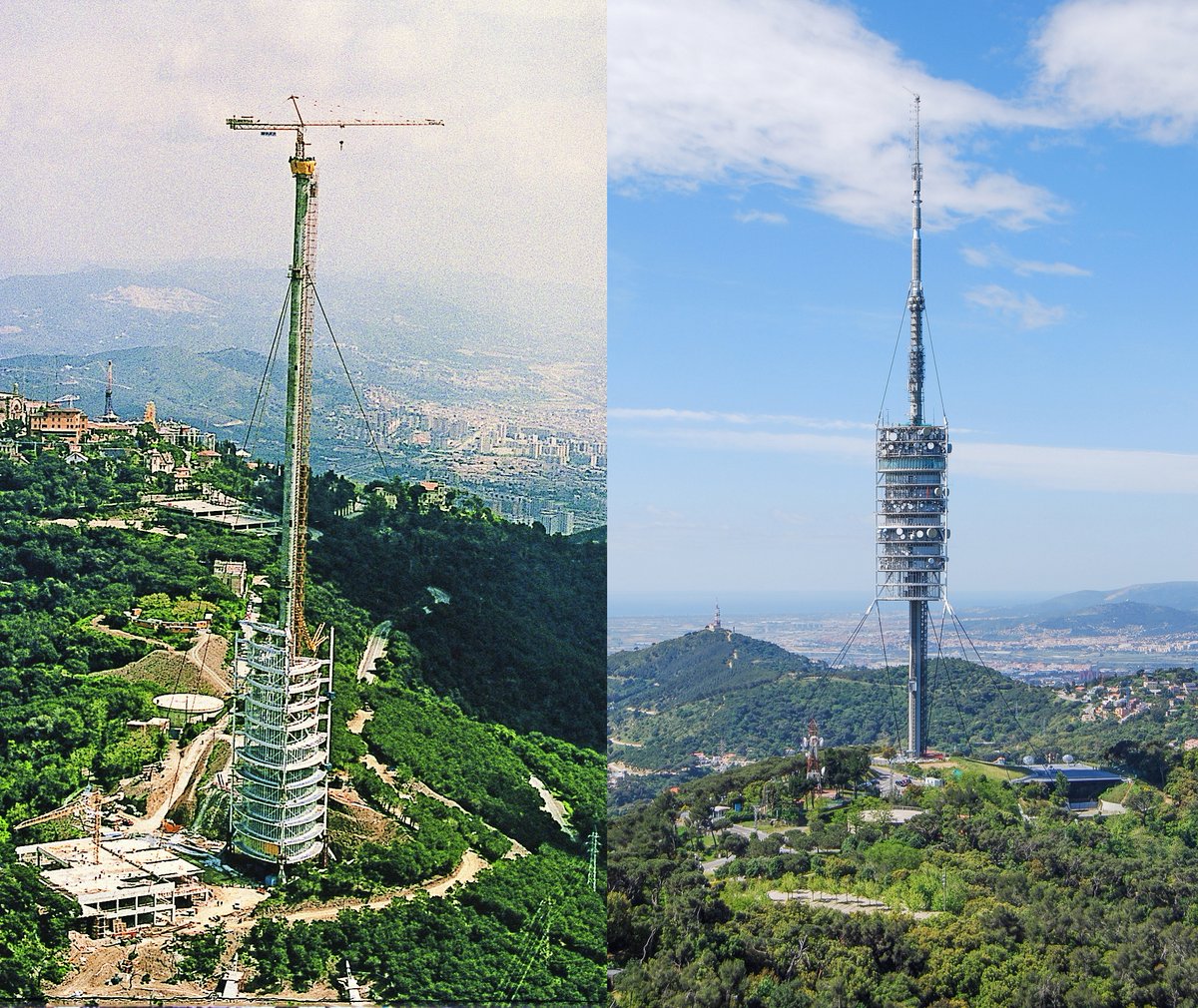
#Taldiacomavui i tot just un mes abans que comencessin els Jocs Olímpics de Barcelona de 1992 fou inaugurada la Torre de Collserola, obra de Norman Foster. Amb una alçària de 288 metres segueix sent avui dia la construcció més alta de tota Catalunya. Com es va aixecar? Fil ⚙️
The Kate Shelley '400' was a Chicago & North Western service introduced in October, 1955 between Boone, Iowa and Chicago after the railroad parted ways with Union Pacific in handling its City streamliners between Omaha and Chicago.
It could make the 340-mile run in about 5 1/2 hours, roughly the same as by car today.
The train was named after Catherine "Kate" Shelley, an Irish immigrant who came to the United States soon after she was born and eventually settled in Boone County, Iowa.
On July 6, 1881 she heard a C&NW train crash/derail into nearby Honey Creek (a single locomotive out checking track conditions), the result of flash floods caused by the day's severe thunderstorms.
Knowing that an eastbound passenger train would be passing through the area soon, Shelley rushed on foot and through bad weather to the local Moingona, Iowa depot to warn of the washout and wrecked locomotive.
Her heroic efforts saved the passenger train from impending disaster and led to the rescue of two of the crew involved in the washout. She was praised by the railroad, local community, and became a national heroine.
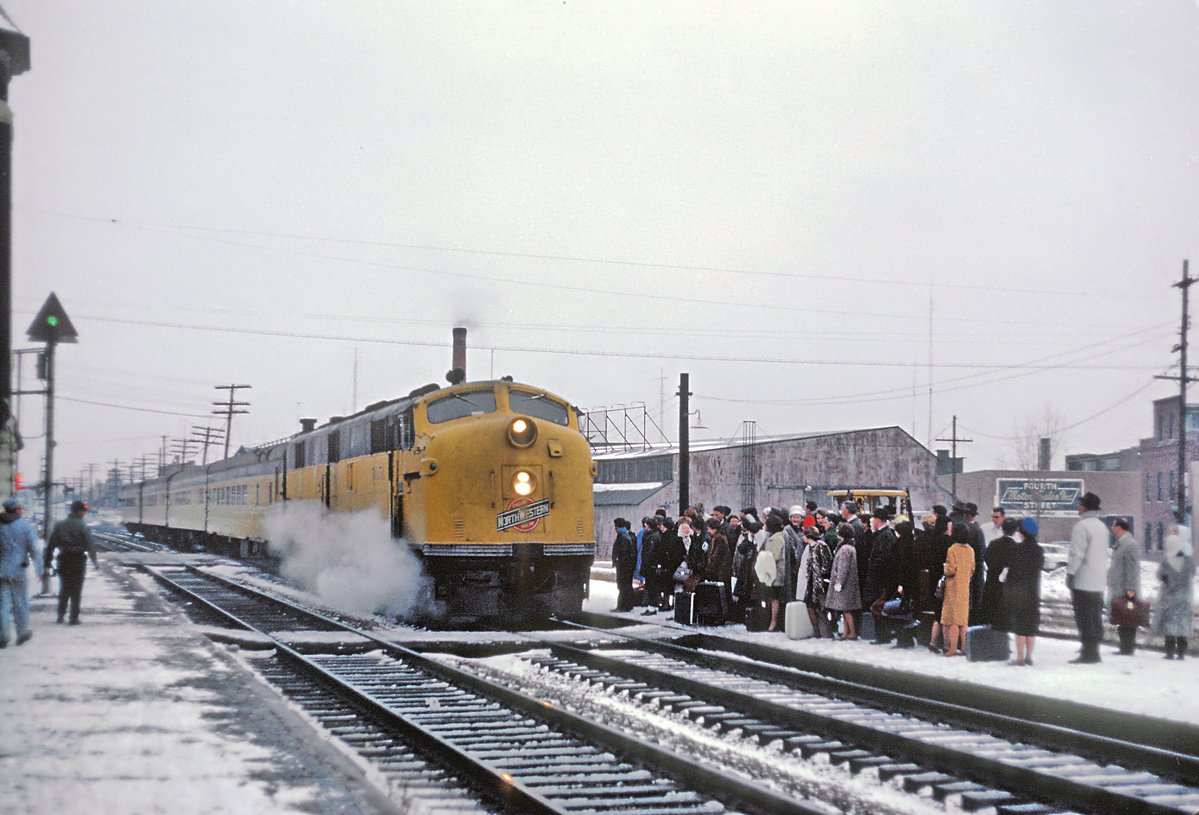
The eastbound Kate Shelley '400' is seen here boarding at DeKalb, Illinois on the morning of December 28, 1964. Roger Puta photo.
https://t.co/ndmOXFyG9u
In recognition of St. Patrick's Day, a look at Illinois Central's "Green Diamond." The train ushered the railroad into the streamliner era. It was a five car, articulated trainset built by Pullman. The power-car featured a large, bulbous grilled nose and crew cab located on top in a turret-like fashion.
The rest of the train included a mail-baggage car, reclining seat coach, coach-buffet, and a diner-lounge. The train was fully air-conditioned, and while the interior design was subtle included classic Art Deco of the period.
The train debuted to the public in March, 1936 and officially entered service on May 17, 1936, departing Chicago's Central Station at 5 pm and arrived at St. Louis Union Station nearly five hours later at 9:55 pm.
The Illinois Central was quick to tout this fast schedule with its most famous advertisement stating, "Enjoy the fastest service ever offered and the supreme luxury of America's smoothest riding train.
Air-conditioned...radio in every car...Stewardess...Delicious inexpensive meals as low as; breakfast 25 cents, lunch 35 cents, and dinner 40 cents."
https://t.co/uE35pjbEyy
The "Asheville Special" was one of the Southern Railway's many fine services. It connected Greensboro and Asheville, North Carolina, running about a 6 1/2 hour schedule on the 200-mile trip.
During the 1950s it provided reclining seat coaches and a full diner with through sleepers running as far as New York. The Southern continued to operate the train after Amtrak's launch as the railroad felt it could provide superior service to the national carrier.
It continued for only a few more years, making its final run on August 8, 1975 when the Southern permanently discontinued the train. To this day, Asheville, a city of nearly 100,000, has not regained passenger rail service.
Here, a handsome F3A leads train #16, the northbound "Asheville Special," out of the 260-foot Burgin Tunnel, east of Ridgecrest, North Carolina on July 24, 1949. David P. Driscoll photo.
https://t.co/tyq7ScHFYl
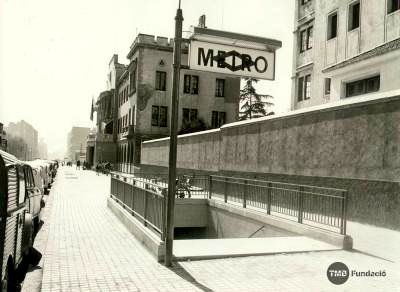
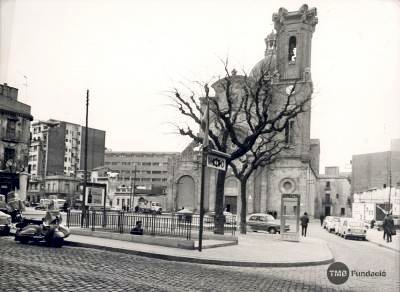
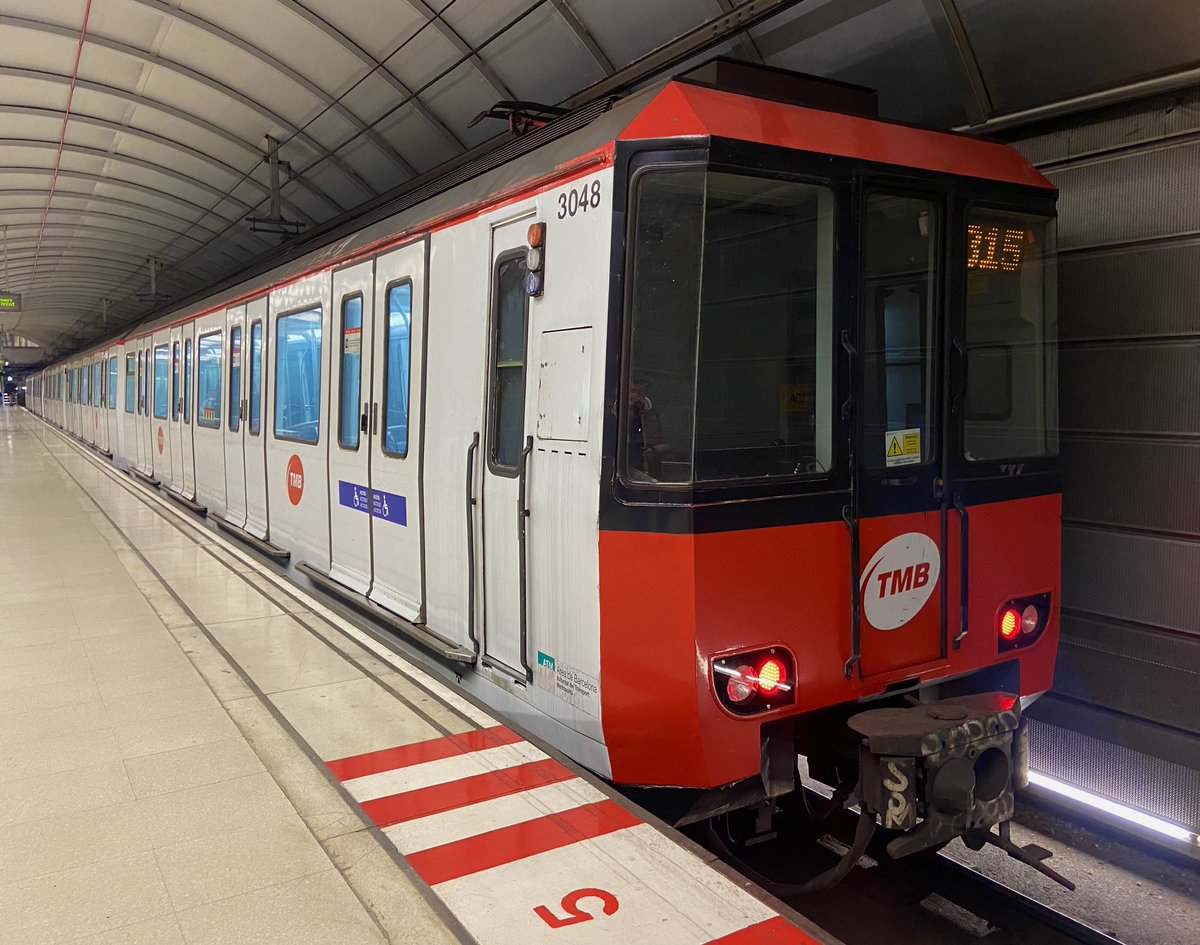
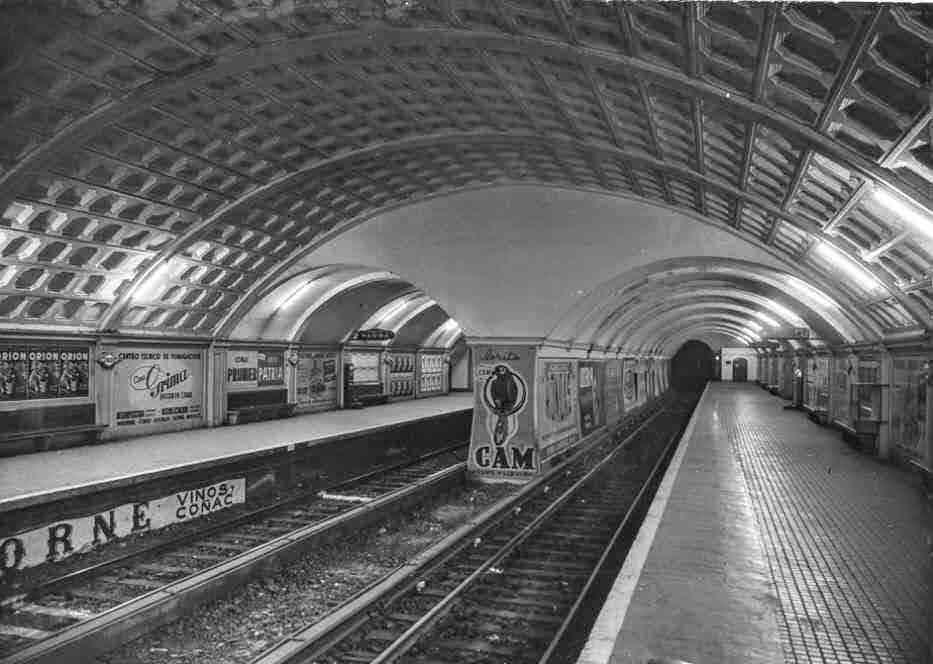
#TalDiaComAvui el 14 de març de 1968, s'inaugurava oficialment la prolongació de la #Línia1 del #MetroBCN des de Fabra i Puig fins al passeig de Torras i Bages. El nou tram incorporava dues noves estacions a la xarxa, #SantAndreu i Torras i Bages.
@TMB_Barcelona 👇