🪶 Did you know that each year, the poultry industry leaves us with nearly 10 million tons(!) of chicken feathers?
This fluffy food waste is a major source of nitrogen emissions. 👎
A potential solution? Incorporating the nitrogen into biochar via pyrolysis. 👍
The results:
✅ Co-pyrolysis doubles nitrogen retention!
✅ It doesn't decrease porosity development.
✅ Additionally, demineralization increased meso- and microporosity, resulting in the co-pyrolyzed activated carbon outperforming the commercial reference!
“What’s more, the nitrogen sorbed from the slurry by the biochar was not released as NH3 during soil application of the solid fractions and was not released as mineral N in the short term, i.e. within 28 days.” 4/4
Read the full story https://t.co/W352qGPf1p
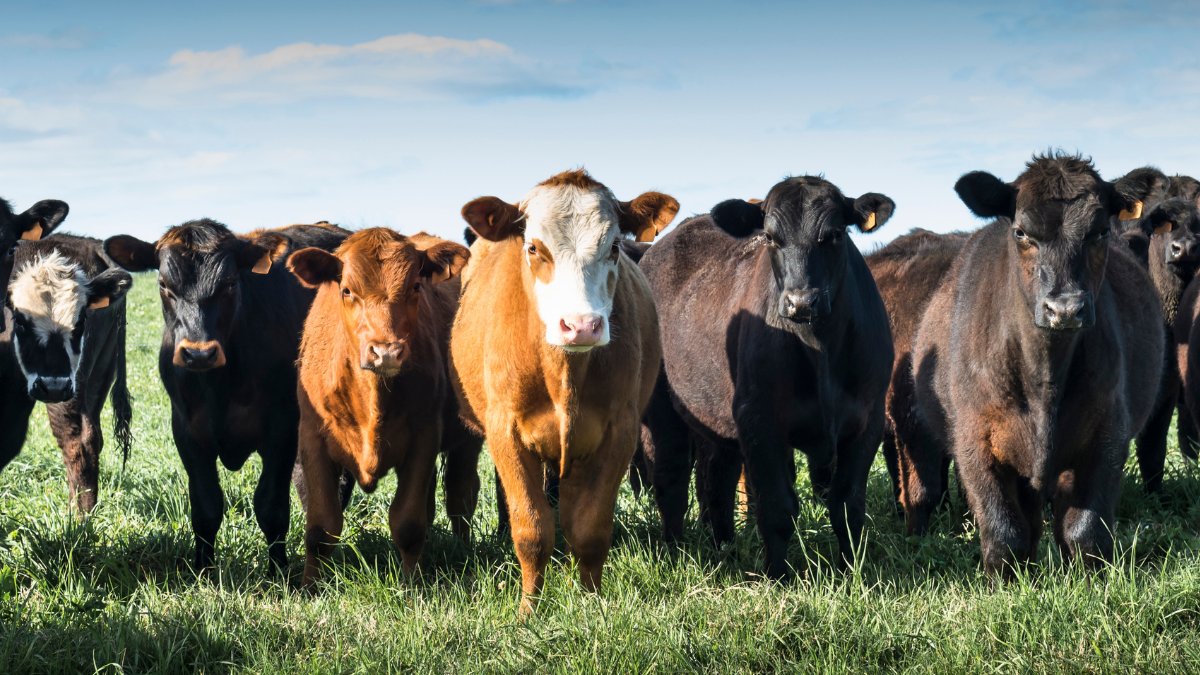
As part of our SBO-project #BASTA in collaboration with @ILVOVlaanderen, we studied the effects of biochar on NH3 and greenhouse gas emissions 💨 during the storage of cattle slurry 🐄💩 and after soil application. 🌱 1/4
“Cattle slurry storage is a major source of gaseous nitrogen emissions,” says first author Jarinda Viaene from @ILVOvlaanderen. “Amendment of biochar reduced NH3 emissions during cattle slurry storage.” 3/4
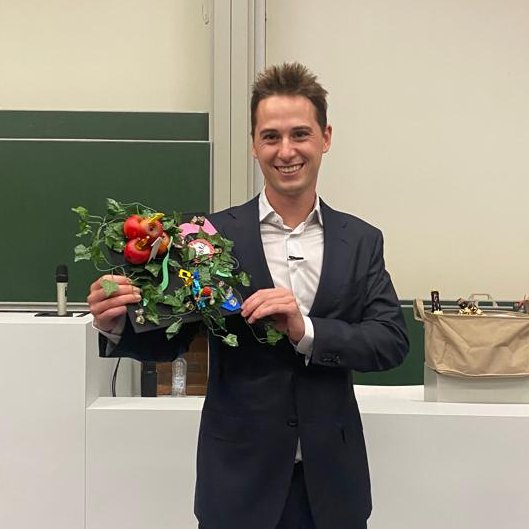
🥳 Woop woop! Congratulations, Dr. Vercruysse! 🎓
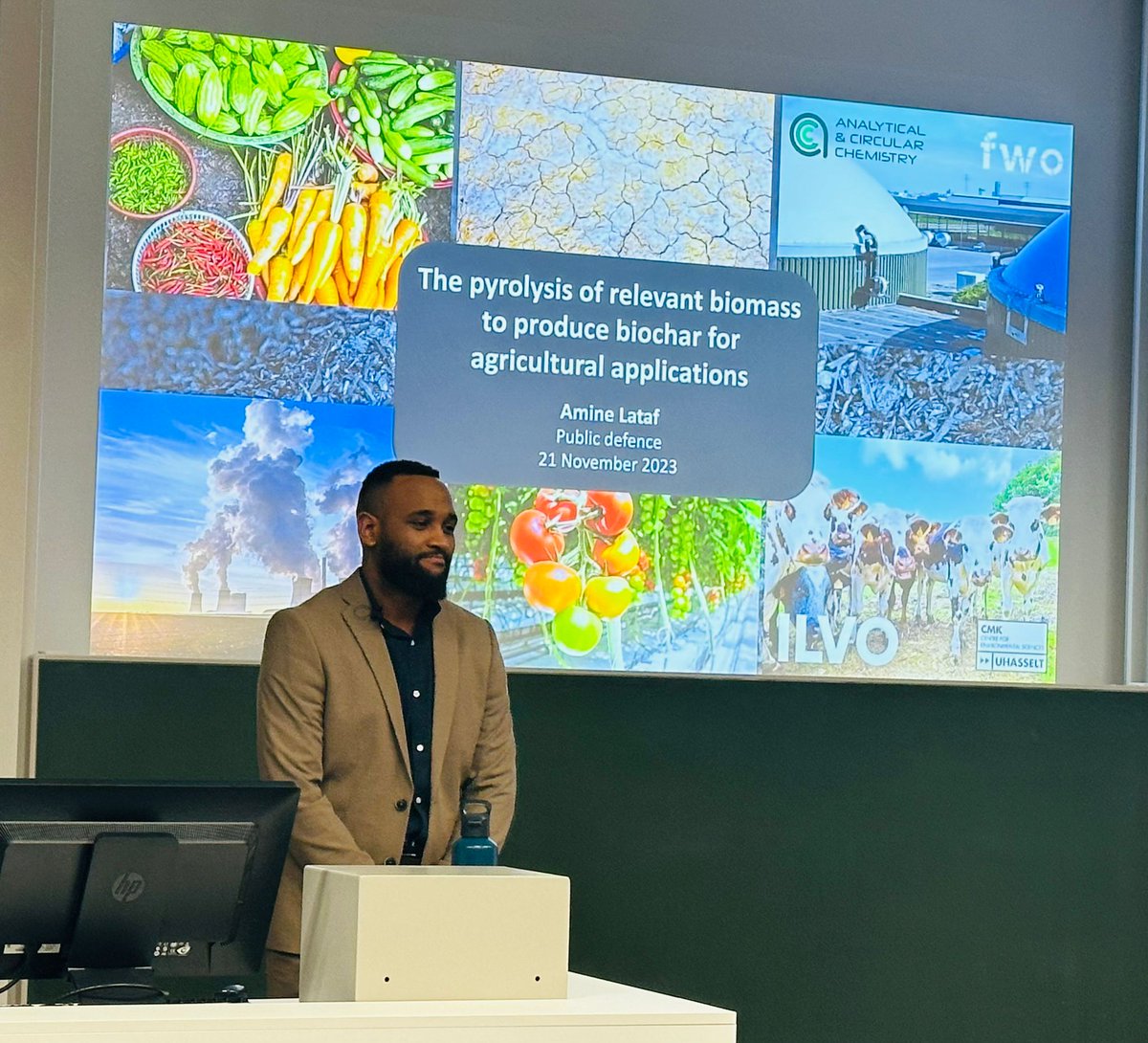
Yesterday, at his PhD defense, Willem Vercruysse impressed the jury and the audience with his work on the "Co-pyrolysis of nitrogen-rich biomass to produce biochar and activated carbon for electrochemical energy storage."
As few existing studies evaluate cadmium adsorption for >24 h, our new results provide a solid basis for future soil-based experiments. ♻️
Congrats to the entire team! 🙌
The results were published earlier this summer in the journal Waste Management:
https://t.co/T9dUMFv6zD
5/5
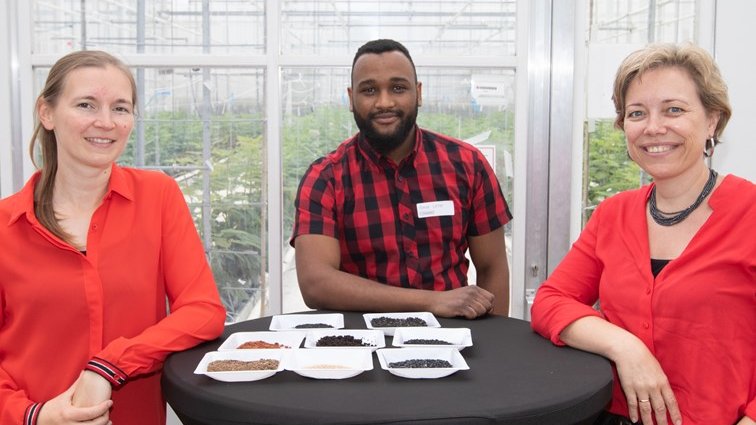
Yesterday we celebrated the achievements of #BASTA at the closing event in Maasmechelen. 🥳
BASTA = a multidisciplinary research collaboration between @CMK_Uhasselt and @ILVOvlaanderen focused on Biochar's Added value in Sustainable land use with Targeted Applications. 1/5
Amine et al. investigated the long-term cadmium removal capacity of fourteen biochars from seven biomass sources: “We wanted to select the best feedstock-pyrolysis temperature combination for optimal Cd2+ removal during a 10-day incubation period.” 4/5
Congratulations Willem and the entire team! 👏
➡️ Vercruysse et al. ACS Sustainable Chem. Eng. 2023
https://t.co/YtlwKrEITx
➡️ Vercruysse et al. Separation and Purification Technology 2023
https://t.co/QdF0esziVT 6/6
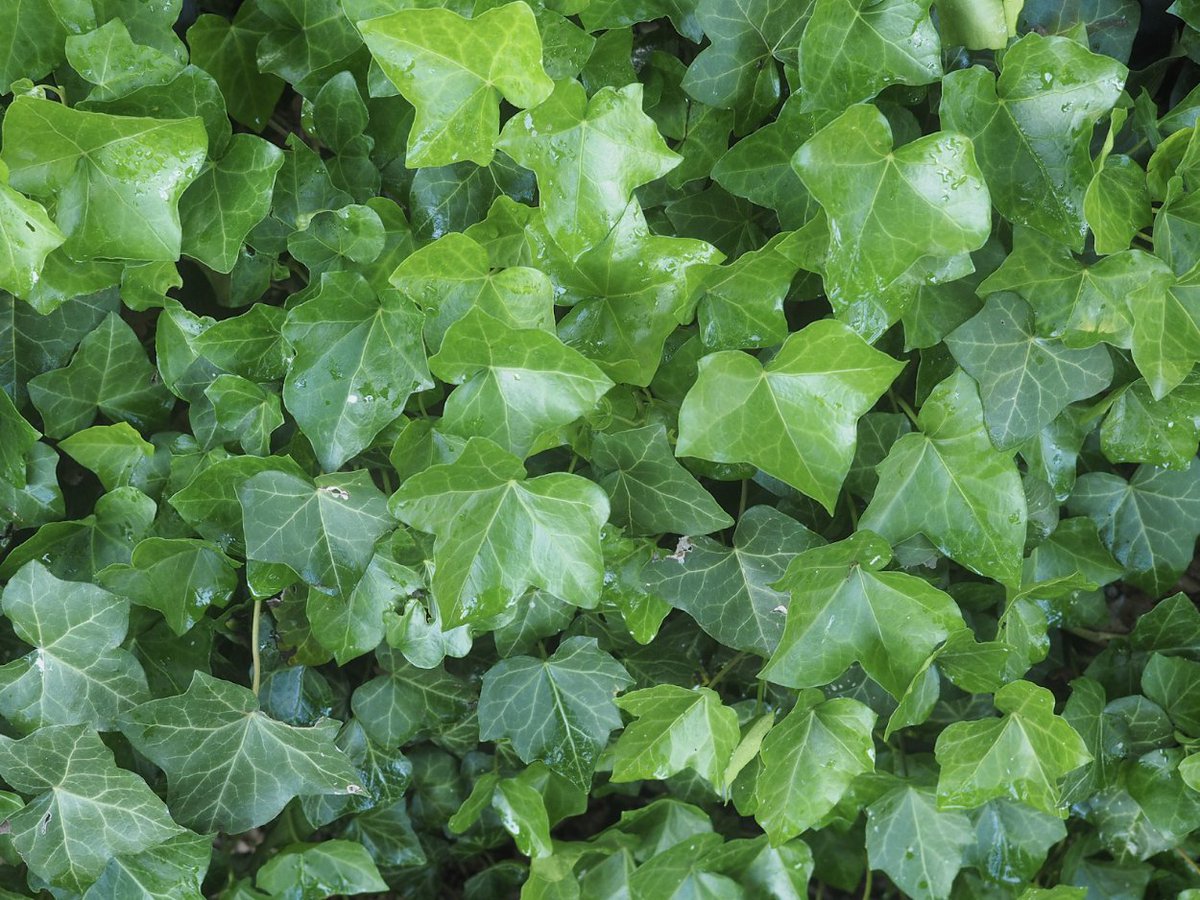
Let’s talk about common ivy 🌿
Willem Vercruysse et al. envision an urban circular biorefinery concept for common ivy: from cultivation in vertical ecosystems via refinery into bioproducts and valuable nutrients and then back into the soil. 1/6
Well, we’ve thought of that too. In another paper published recently in Separation and Purification Tech, we show the successful removal of impurities from common ivy through treatment with a natural deep eutectic solvent (or NADES), namely choline chloride-malic acid. 5/6