My first PhD paper is out! We found increasing methane emissions over the North Slope of Alaska, and consistent late season emissions across the Arctic using atmospheric inverse modelling ❄️ #Arctic#Methane https://t.co/e6P2APwVAM
Measuring emissions based on sector contribution is crucial to helping industry reach their net zero targets.
But how can GEMMA help?
Find out more at https://t.co/e9KcwnU4sn or watch the full video here: https://t.co/XaS7nhuyL3
Premiering tonight @wshed the science communication short films created during @scifilmit ! One of the teams contained an ACRG group member. Drop in and find out which one.
Looking for something to do tonight? At 6 pm, there is a FREE public cinema event @wshed. Watch films created by scientists and film-makers on a variety of topics including climate change.
More info and free tickets: https://t.co/de1L4entXm
@BristolChem@BristolUni
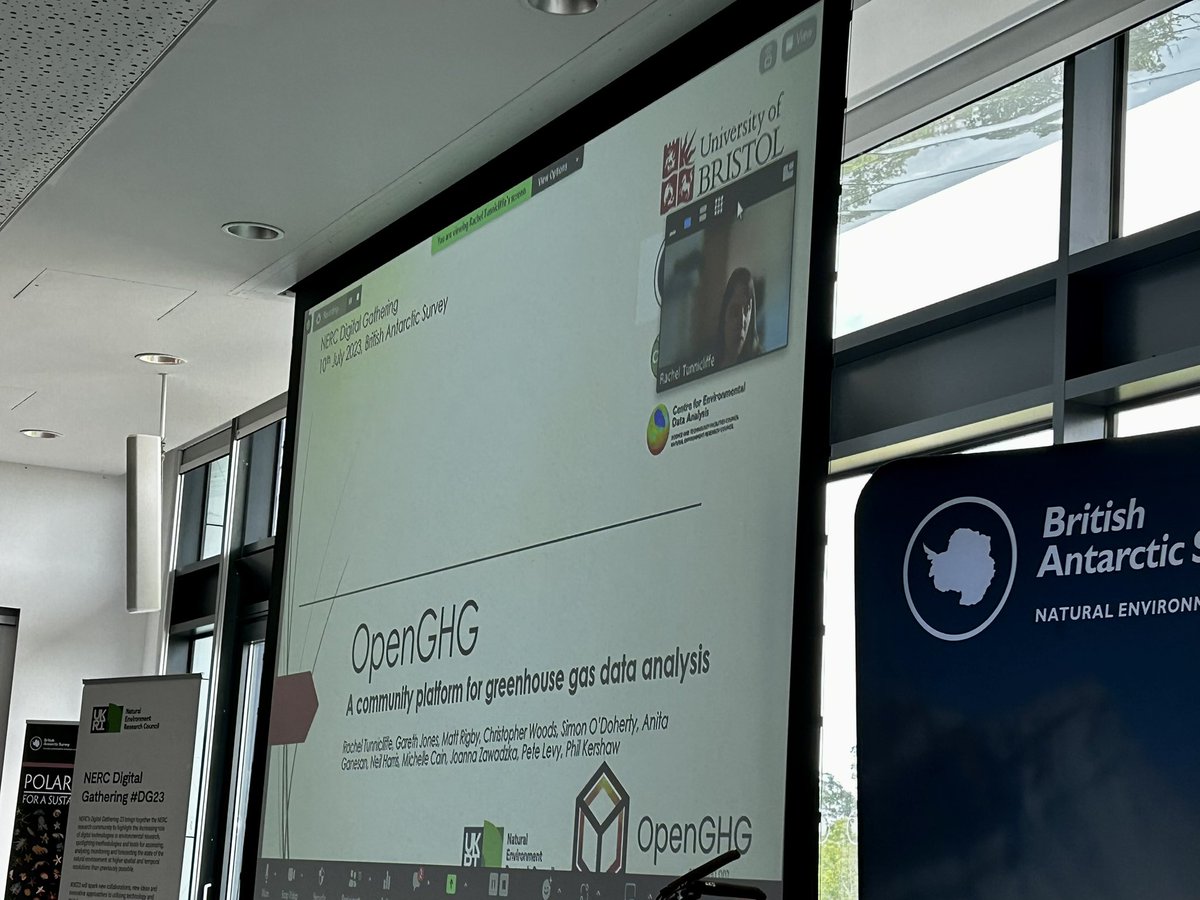
Hearing Dr Rachel Tunnicliffe University of Bristol presenting online at #DG23 on ‘OpenGHG: A community platform for greenhouse gas data science’ @SPFDigiEnv@NERCscience
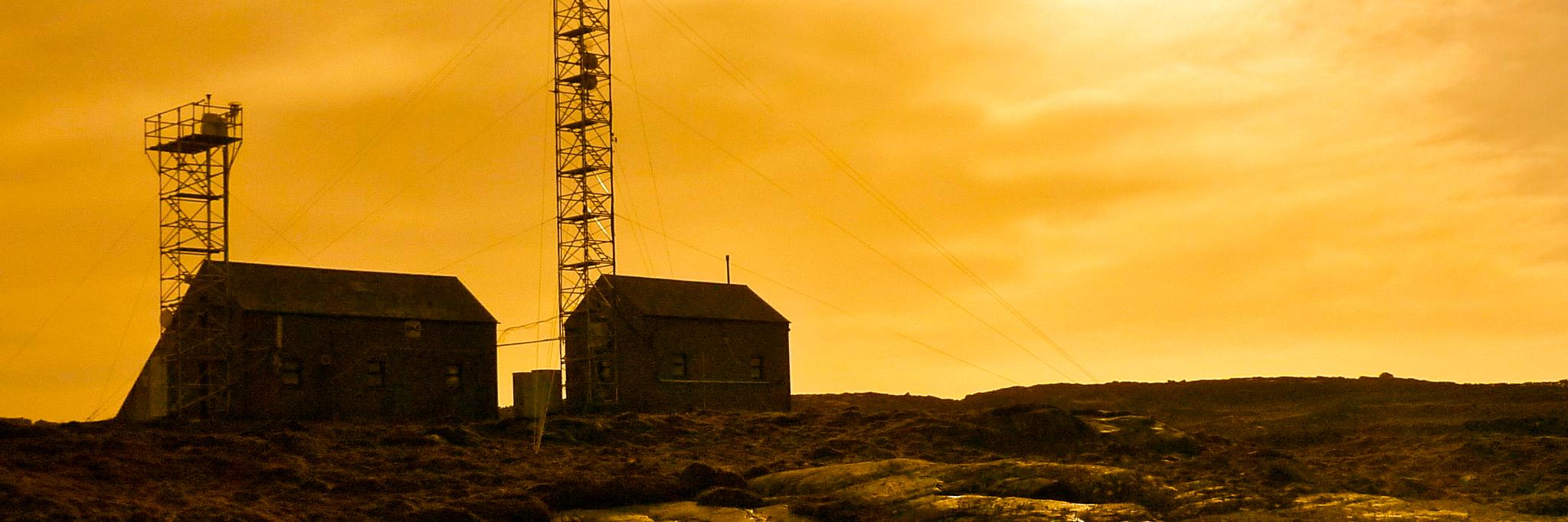
Privileged to have watched a @metoffice balloon launch in Lerwick whilst fixing an instrument that measures atmospheric methane for the UK DECC network @ACRG_Bris
Great to see our paper, led by @ACRG_Bris former PhD student @Kanokra80715320 , on the use of N2O canisters and their emissions to the atmosphere. @BristolChem@cabotinstitute
A bit late to the game but I had a great time chatting with @AtmosEric about making measurements of greenhouse gases and ozone depleting substances in the atmosphere. Check it out!
The first https://t.co/GtIHtpiryB describes measurements of the charge distribution of particles which show enhanced electric charge downwind of some HV power lines, and after rain.
Happy to share two papers that I contributed to that have been recently published from experimental work with my former colleagues in the Human Radiation Effects Group, then theoretical work with @ACRG_Bris relating to the charging of aerosols near HV power lines.
Just a few days left to apply for TWO exciting research associate positions in greenhouse gas inverse modelling and machine learning @BristolUni: https://t.co/rnG8901S11 https://t.co/UZ7hYqtJ9D @uk_dare@cabotinstitute@BristolChem