Happy National Injury & Violence Prevention Professionals Day from the ACS COT, a member of the Trauma Prevention Coalition! We truly appreciate the dedication and commitment of our injury prevention colleagues!
Celebrating Trauma Registry Professionals Day! Your behind-the-scenes work transforms data into insights that improve patient care. Thank you for your precision, dedication, and vital role in advancing trauma care!
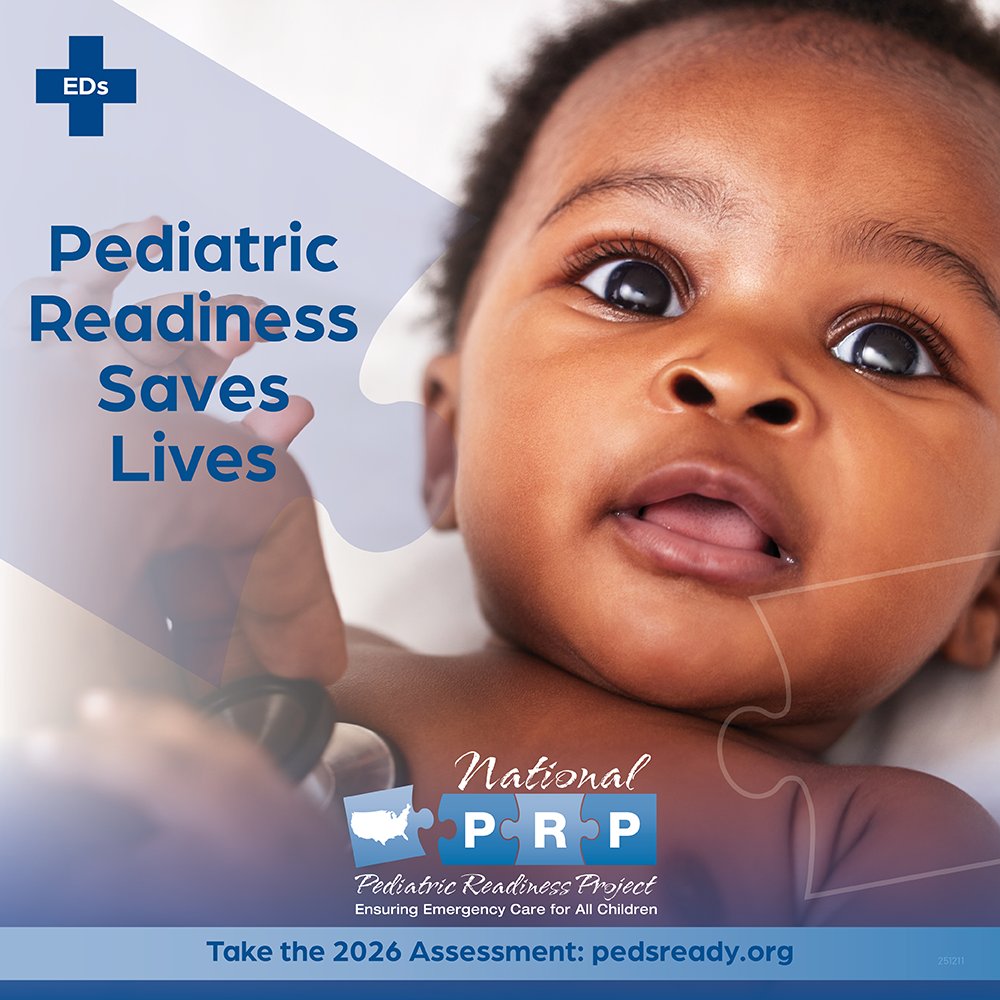
Pediatric emergencies can be unpredictable and anxiety-provoking. The National Pediatric Readiness Project Assessment can help your team boost its confidence around treating children. Talk to your ED nurse manager about participating at https://t.co/ezNTbBUqqK @EMSCImprovement
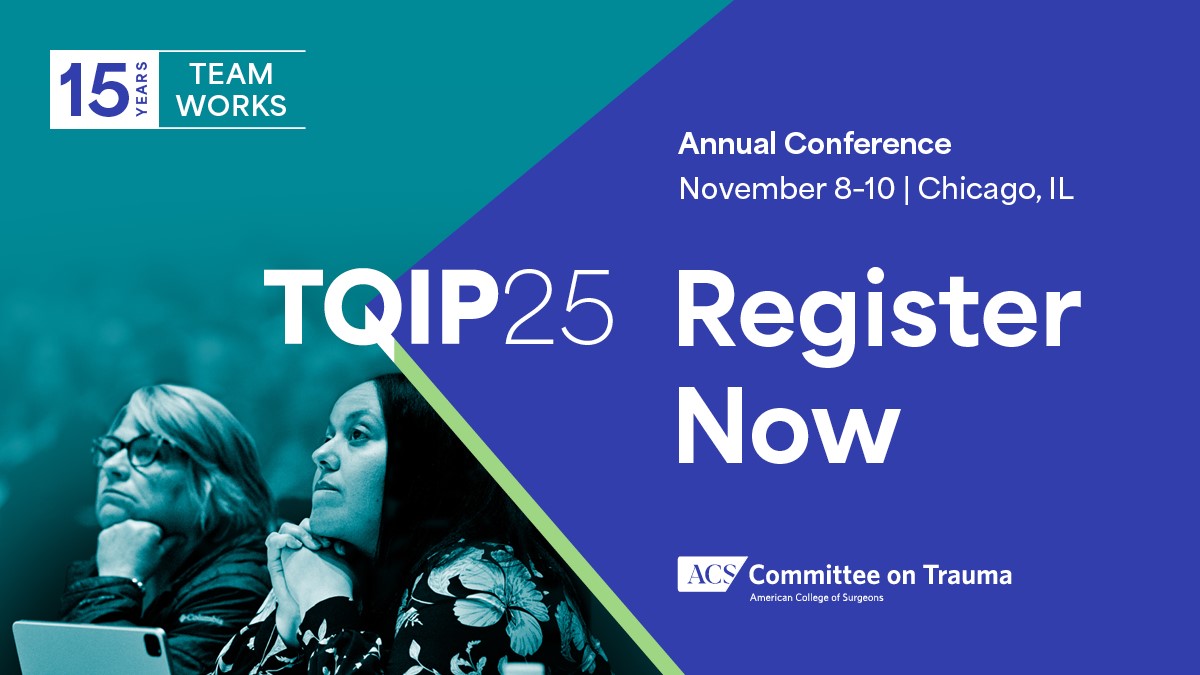
Last day to claim CME/CE credits for #TQIP25!
Your CME or CE certificate cannot be downloaded until the session evaluations and overall evaluation are submitted.
One week left to claim your CME/CE credits for #TQIP25! Deadline is April 10, 2026.
Don't forget to submit the Overall Evaluation to claim your CME or CE certificate.
Don’t leave credits on the table! 😄 You can earn up to 42.5 CME or CE credits from #TQIP25.
Just log into the app or meeting platform with your registration email to catch the recordings.
High Pediatric Readiness is linked to lower mortality risk. Your ED’s participation in the national assessment helps protect the children who arrive at your doors. Talk to your ED leadership about participating at https://t.co/ezNTbBUqqK @EMSCImprovement
The ACS Advisory Council for Rural Surgery is working in collaboration with @acsTrauma on a rural surgery curriculum. They are also developing a white paper on optimal resources and working on including rural initiatives in the ACS Strategic Plan. #ACSLAS26
When a critically ill child arrives, your team has no time to wonder whether it has the right equipment, training, and systems in place. The National Pediatric Readiness Assessment helps replace doubt with confidence. Learn more at https://t.co/ezNTbBUYgi @EMSCImprovement
Hope you’re loving the #TQIP25 session recordings!
Don’t forget—complete the session evaluations and the Overall Evaluation to earn up to 42.5 CME or CE credits.
Log into the app or meeting platform with your registration email to access the recordings.
Learn about the life-saving potential and low cost of Pediatric Readiness, what’s new in the recently updated guidelines, and how to prepare for the 2026 assessment. https://t.co/ODbpj1C4Os
On-demand access to the #TQIP25 session recordings is now available!
To access the recordings, log in to the app or meeting platform with the email address you used during registration.
The Mortality Reporting System has 4 new cases published in the @JTraumAcuteSurg. These cases review system-level contributors to mortality and evidence-based strategies trauma teams can use—from palliative care timing to blood access and imaging delays. https://t.co/dYSXhq6UZl
If you attended the conference in-person, use the conference app or the conference platform to claim CME/CE credits. Session recordings will be released next month #TQIP25
Registration is now open for the 2026 COT Annual Meeting and ATLS Global Symposium!
✔️ Discover practical tips and tricks for successfully implementing ATLS 11th Edition.
✔️ Engage with ATLS Friends and Family from across the globe.
✔️ Participate in interactive sessions, global case studies, and policy roundtables.
✔️ Explore first-ever Global Symposium poster session showcasing trauma education innovation.
✔️ Gain insights from tracks designed for ATLS educators, coordinators and instructors.
✔️ Connect with COT Annual Meeting participants for special programming on March 13.
Register today: https://t.co/1hfkfkinUF
In rural trauma, time is blood. 🩸🚑
The @acsstopthebleed program equips rural communities with simple, lifesaving skills that anyone can use before first responders arrive.
3 steps can help save a life:
1. Apply direct pressure: Expose the wound, identify the source of bleeding, and press firmly using a T-shirt, cloth, or gauze. Use both hands, or even your body weight, to maintain strong, continuous pressure.
2. Pack the wound: If bleeding continues or the wound is large, tightly pack it with cloth or gauze until no more material fits or bleeding slows. Then resume direct pressure.
3. Use a tourniquet: For severe arm or leg bleeding, place a tourniquet two inches above the injury and tighten until the bleeding stops. It will hurt, but it saves lives. If possible, note the time of application for emergency responders.
🔗 Learn how ACS Stop the Bleed is empowering rural communities and how you can protect yours. https://t.co/DwCtyduAQU