➡️ 맞팔 환영 팔로우백 바로감!!
📈 비트코인 시황 분석 & 에이다 등 알트코인 트렌드
🏔️ 일상의 효율을 높이는 운동, 직장인 등산 코스 추천
🔔 팔로우해두면 돈이 되는 정보와 갓생 자극을 동시에 받아요
🥊 블랙컴뱃 n회차 직관러, 블순이🖤
📥 협업 및 제휴 문의: DM
🚨 최신: 신시아 루미스 상원의원, "자가 보관은 진정한 소유권"
미국의 친암호화폐 인사로 알려진 신시아 루미스 상원의원이
"자가 보관(Self-Custody)은 자신의 부를 직접 소유하는 것과, 정부의 허가를 받아 접근하는 것의 차이를 의미한다"고 발언함.
즉,
거래소나 제3기관에 자산을 맡기는 것이 아니라,
개인이 직접 지갑과 개인키를 관리하는 것이
진정한 금융 주권이라는 의미로 해석됨.
암호화폐 업계에서는 오���전부터
"Not your keys, not your coins(내 키가 아니면 내 코인도 아니다)"
라는 말이 있을 정도로 자가 보관의 중요성을 강조해 왔음.
최근 미국 내 디지털 자산 규제 논의가 활발해지는 가운데,
자가 보관 권리를 개인의 재산권 문제로 바라보는 목소리도 점점 커지는 분위기.
결국 이번 발언은 단순한 기술 이야기가 아니라,
'누가 내 자산을 ��제하는가'에 대한 철학적·정치적 논쟁으로도 이어지고 있음.. 🤔
정당이나 지지를 떠나 AWEB 감당되겠냐?
부정선거를 수출한 국제테러단체이고, 이걸로
전범국 낙인찍히면 반도체고 케이팝이고 싹다 리셋되고 배상금에 나라 ㅈ될것 같은데?
결국 국민들도 피해자고 AWEB에 동조하지 않았다고 전세계에 확실하게 입장을 밝혀야
관련자들 끼리만 처벌받아 국제적인 비난을 피할수 있다고 본다.
굳이 국민들이 부정선거 세력의 일부를 지지해서 공범취급 받을 이유는 없다.
I tried my best to let everyone see ADA supposed attractiveness (e. g. fixed supply, macro conditions, etc) but wow this is a major red flag again. Cardano killed its momentum few years ago by prioritising governance development over scalability, enterprise adoption and commercialisation, and what now? It's doubling down by entering even higher on the ivory tower of the isolation in migrating away from the most populated opinionized platform and seeking the birth of political parties. One thing is to prefer Discord over X for the kinder interaction between people in discussions (real time speech, faster exchange, easier to forget the past iterations, etc), another thing is to use it for filtering away contrarian opinions or even just hate, which is still part of the human nature and you can't really censor it away (remember? censorship-resistant is what it was supposed to be crypto). Literally, crypto was born from the anarchocypherpunk current and your 2026 goals are to build the traditional politics again and even worse due to higher friction, fragmentation and smaller size? I sincerely believe a bounce in the markets is going to happen in some time and there is a better window of opportunity to derisk than today to do so. But of one thing I'm now certain: this behaviour and focus on such governance ideals isn't guiding Cardano anywhere. It's absolutely useless and even detrimental at this point of the history.
USP of this chain I bought into:
- multiasset and cheap predictable transactions
- peer reviewed consensus model
- OG values of leadership
- united, enthusiastic and coordinated community
USP of this chain you're looking to focus on:
- birth of political parties
- discussion jeopardisation
- community polarisation into currents of thought
if it sounds like shit smells like shit and looks like shit, it's shit bro
Charles explicitly states that the Genesis ADA was "profit" for services rendered and that IO received roughly $36M in BTC plus Genesis ADA valued at ~$8M at the time (that's 36+8=44m to develop software).
Those figures broadly line up with the allocation numbers many of us have independently reconstructed from the ICO documents and on-chain research.
He also describes the original arrangement as a "best efforts" agreement to spend approximately five years building and delivering the Cardano ecosystem. That's an important characterization, because "build an ecosystem" is a fairly broad mandate and appears to be the basis for allocating the overwhelming majority of the ICO proceeds and Genesis ADA to the for-profit entities.
The question was never whether IOHK built valuable technology or deserved compensation.
The question is governance.
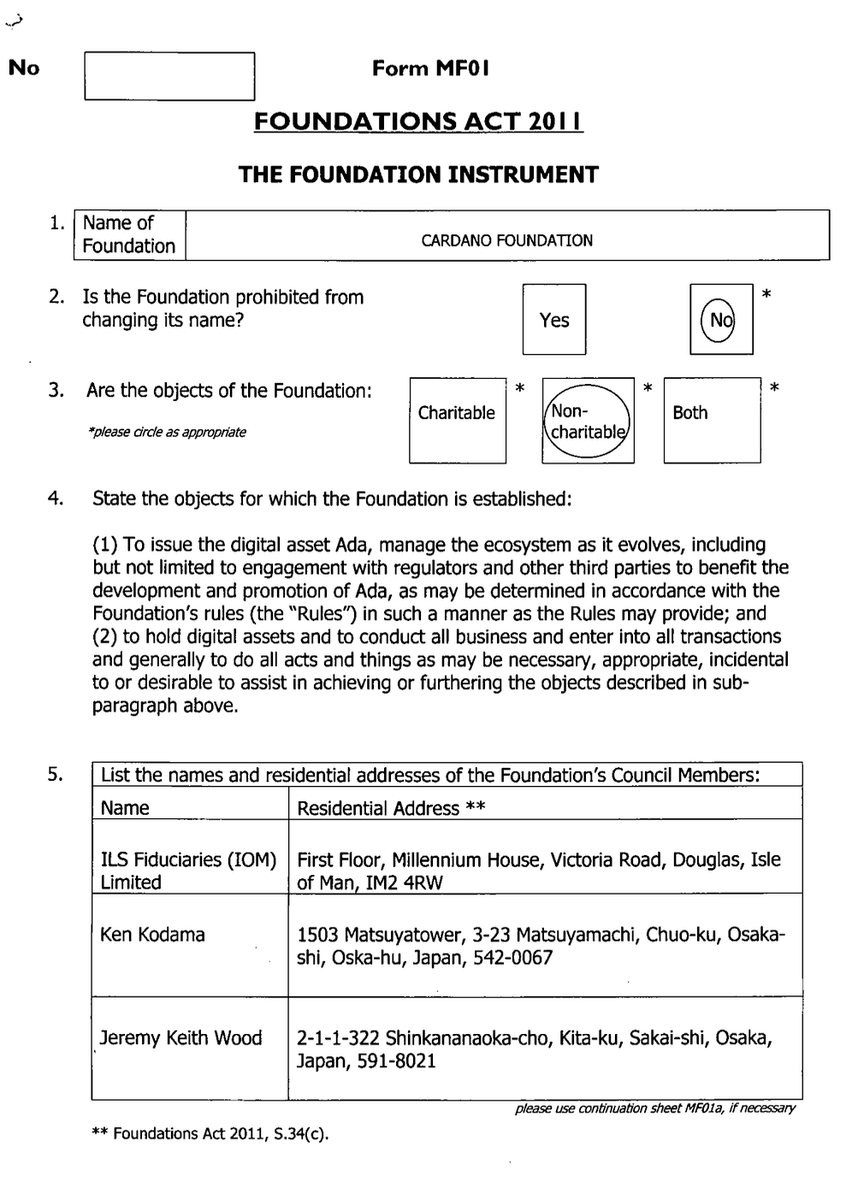
Who approved a structure where ~90%+ of the ICO proceeds and billions of ADA went to for-profit entities? Were Charles Hoskinson, Jeremy Wood, and Ken Kodama effectively on both sides of those decisions through the founding entities? Why is the founder of the Isle of Man Foundation still redacted? And how can the community fully evaluate these transactions when Charles himself was also the Foundation's Enforcer?
These are governance and conflict-of-interest questions, not technology questions. More transparency would help put the matter to rest.
Genesis Ada https://t.co/1M8ZbQgCqv via @YouTube
The only thing you need to know about Cardano is that, at this moment, we have more people who want only the best for #Cardano and want it to succeed than those who wish it the worst. They are the minority.
And from there, do the math yourself.
Do you get it? $ADA will win!
@ItsDave_ADA just raise the price of Ada.
People want to buy Ada, so they spread out issues and news.
If you rise the price, many problems will disappear.
Charles, other iohk, Cardano Foundation, and emurgo_io are not doing that.
This is an insane, Soviet-esqe move that adds a level of bureaucracy wholly counter to why I was inspired by crypto in the first place.
Quick question- who gets to decide who does the banning?
I warned months ago that an addiction to treasury spending would result in a spiral downward, as it would develop a class of recipients that constantly repeated the only way to solve declining price (caused by sell pressure) was MORE spending.
If Cardano goes down this path, it's basically giving up on decentralized decision making, and there isn't much of a reason for me to stick around anymore.







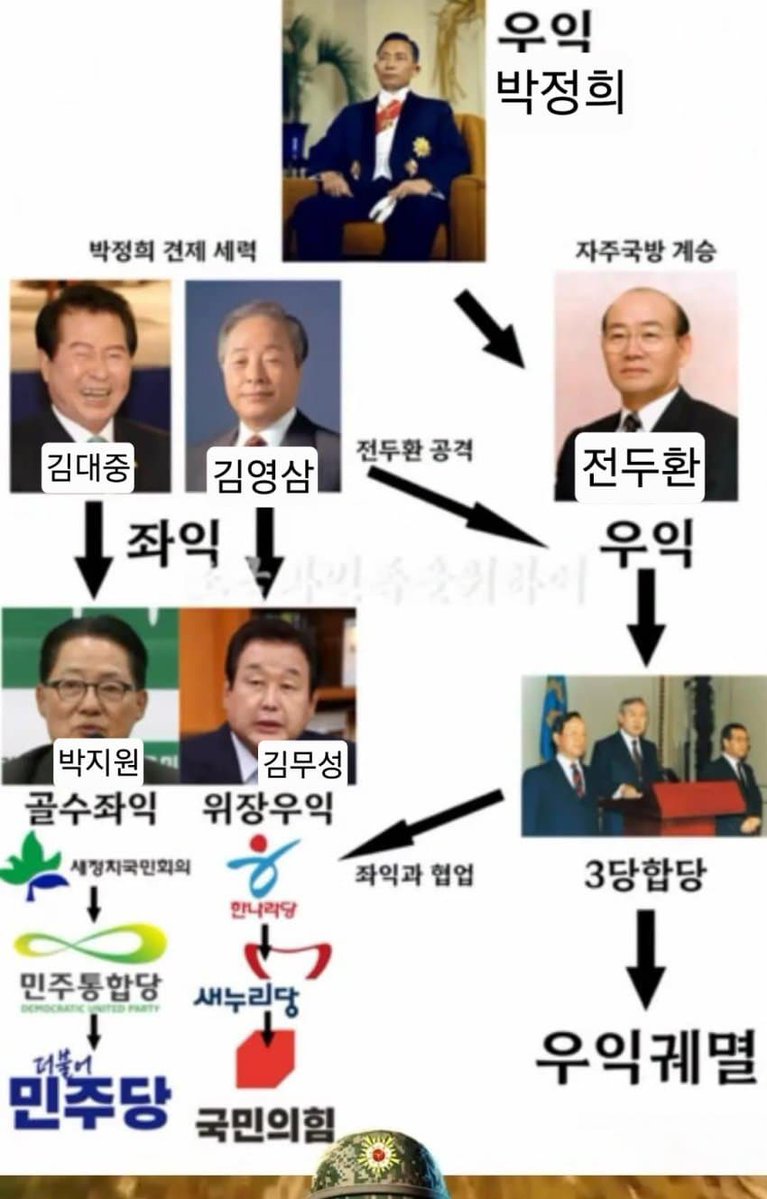



![Truthmind2's tweet photo. 🚨🚨[속보] 잠실개표소 진입 혼자 막은
‘올다르크’…결국 경찰 수사 받는다🚨🚨
이게 나라냐 https://t.co/MyUIIoGkix](https://pbs.twimg.com/media/HK-uGUeacAEN11i.jpg)