Organizational psychologist @Wharton. #1 NYT bestsellers: THINK AGAIN, HIDDEN POTENTIAL. Podcasts: Re:Thinking & The Curiosity Shop. Former diver and magician.
Dealing with difficult people may be hazardous to your health.
Data: Each additional "hassler" in your network predicts 1.5% faster biological aging—and worse health a year later. Non-spouse family hasslers are the most problematic.
Some ties aren't worth the toll they take.
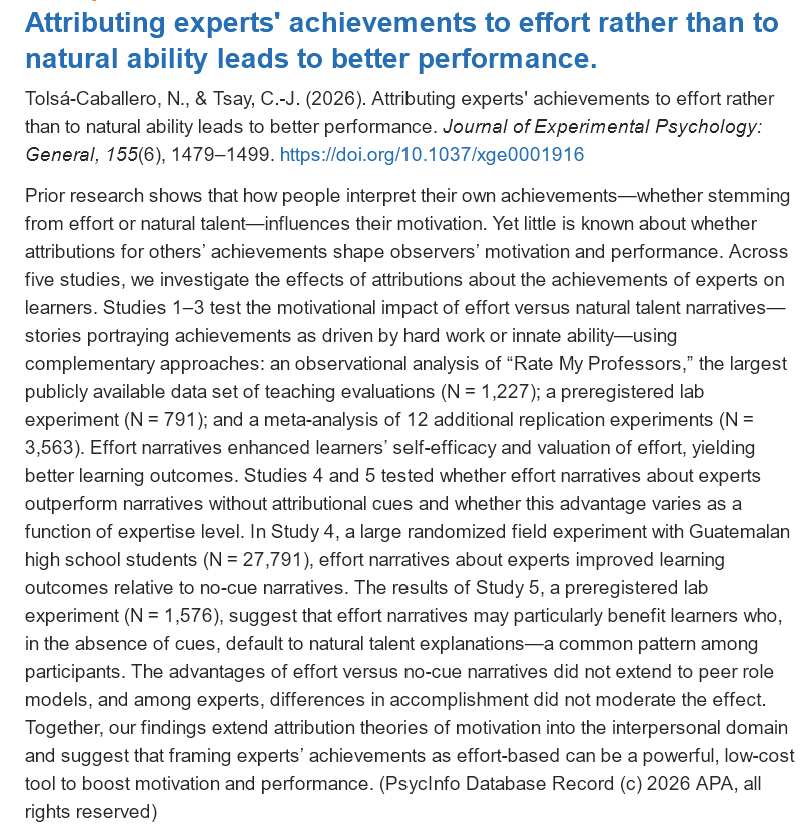
It’s better to attribute success to grit than natural talent.
5 studies: Highlighting how accomplishments depend on hard work—not just innate ability—builds confidence and boosts performance.
A key to motivation is recognizing the connection between effort and excellence.
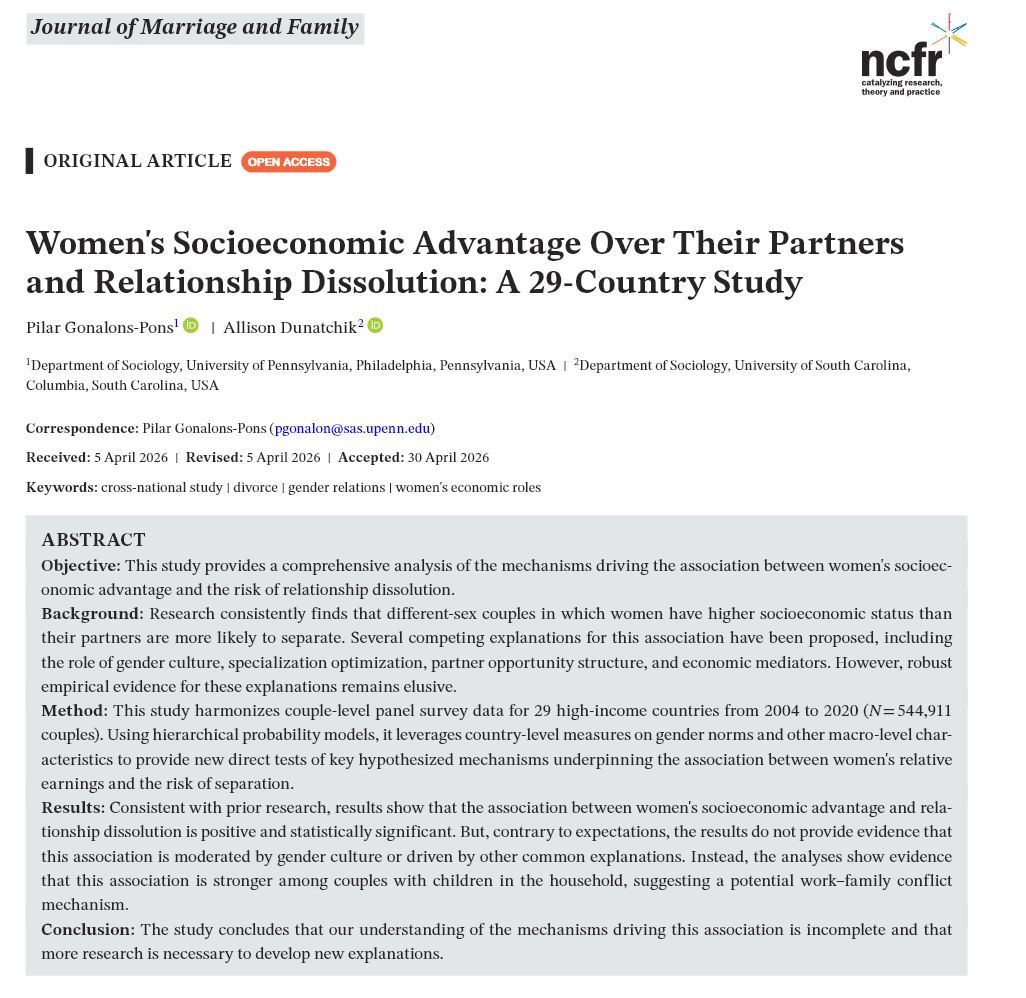
It's sad that women's success is a threat to marriages.
544k couples, 29 countries: Separation is 36% more likely when women outearn their partners. The risk goes up further if they have children.
A woman's prosperity should be a source of pride, not relationship conflict.
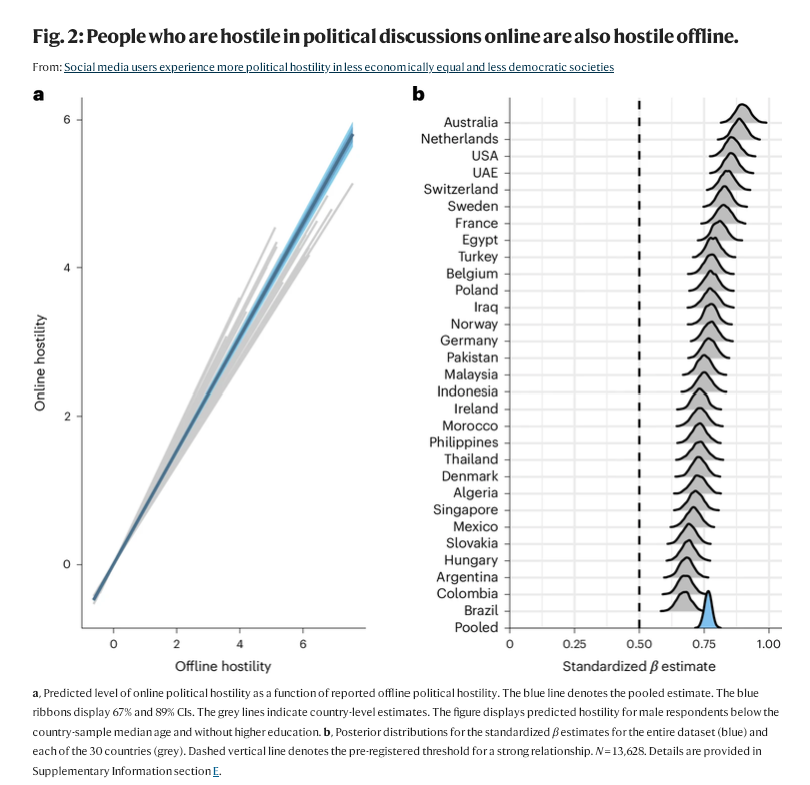
The internet doesn't bring out the worst in people. It makes the worst people more visible.
Across all 30 countries studied, those who are nasty in online political discussions are nasty in real life, too. They seek status through hostility.
Don't feed the hand that bites you.
Authenticity is not about saying whatever pops into your head. It's about sharing what reflects who you want to be.
Healthy self-expression doesn't mean no filter. It involves weighing whether your current thoughts and emotions are aligned with your lasting values.
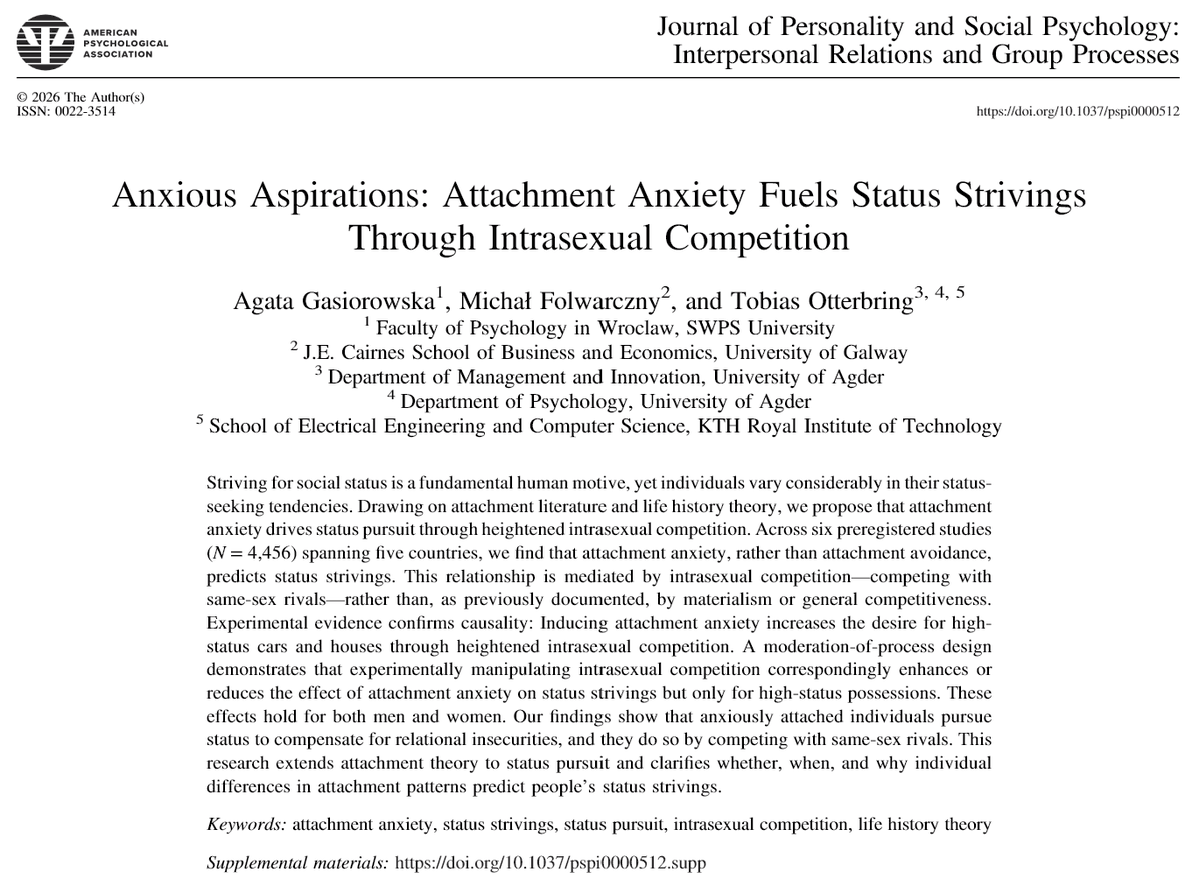
Buying a fancy car is not a sign of a midlife crisis. It’s a mark of relationship insecurity.
6 studies: When men and women have attachment anxiety, they seek status symbols to compensate and stand out among their peers.
Belonging and connection are antidotes to materialism.
When people are stressed, “You can handle this” is a better message than “It’s not a big deal.”
Data: Minimizing risks dismissing their experience. Encouragement builds their confidence.
The best way to support people is not to deny their pain—it's to help them navigate it.
There’s more to the youth mental health crisis than social media. A key culprit is perfectionism.
307 studies, 35 years, 83k students: Young adults feel growing pressure to be flawless.
It's a risk factor for depression and anxiety—and it began a generation before smartphones.
What really drives leaders to resist remote work isn't productivity. It’s ego.
Our new data: Ordering people in full-time is a power & status move. Bosses want to be worshiped at the office altar.
Policies shouldn’t be vanity projects. Hybrid is better for people & performance.
https://t.co/kOywHTFLoG
Sycophantic AI fuels overconfidence and polarization.
Data: After chatbots present one-sided facts, people become more certain and extreme on guns, abortion, and immigration. They also see agreeable AI as less biased.
Critical thinking depends on being challenged, not affirmed.
What really drives leaders to resist remote work isn't productivity. It’s ego.
Our new data: Ordering people in full-time is a power & status move. Bosses want to be worshiped at the office altar.
Policies shouldn’t be vanity projects. Hybrid is better for people & performance.
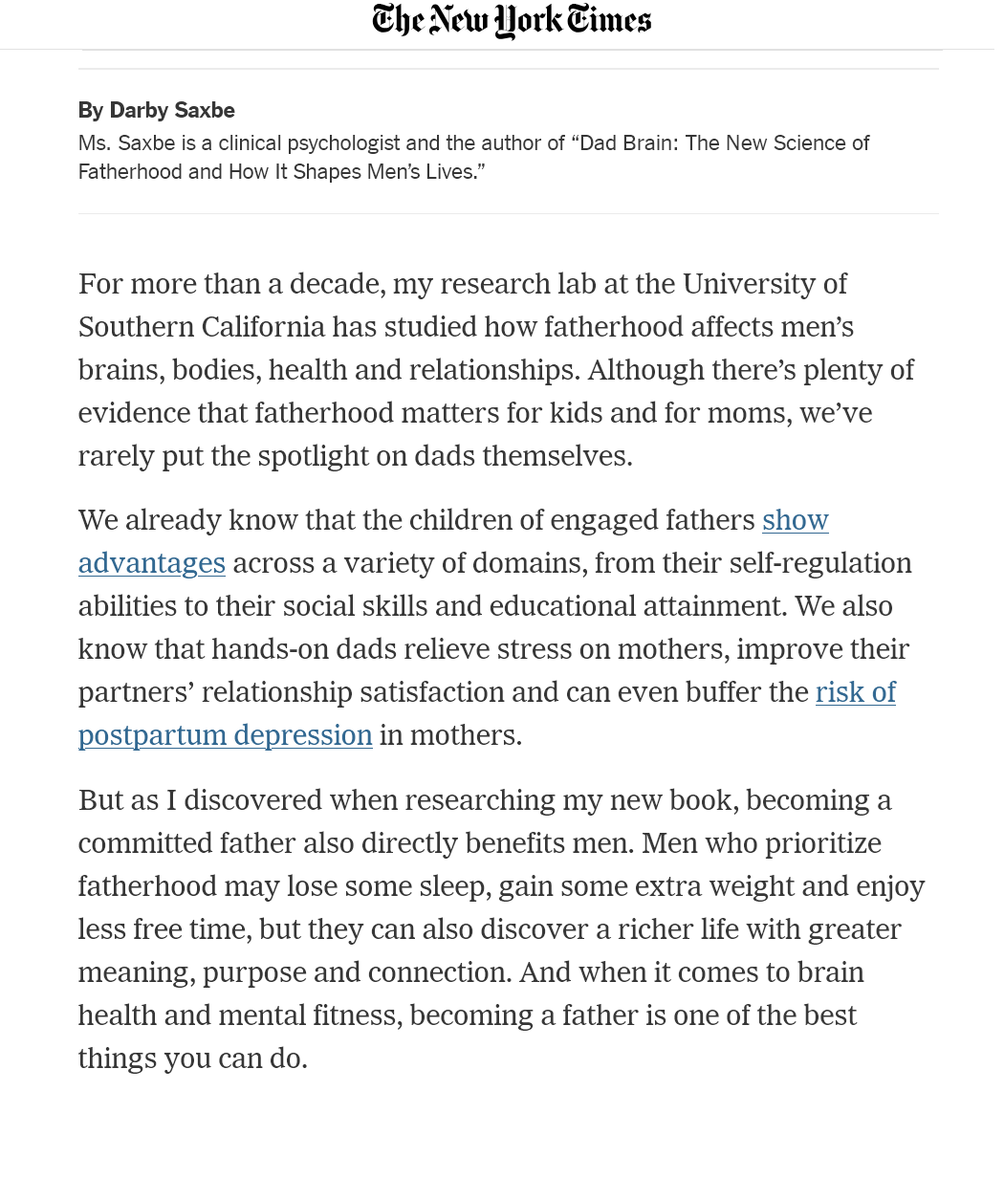
When men become fathers, they often gain empathy.
But the boost in caring doesn't happen automatically—it comes from caregiving. The more involved men are in raising children, the more their brains change.
Becoming a dad is not a wonder drug. It's an active commitment.
The smarter women are, the more hostility they face.
In the U.S. & China, the higher women’s IQs, the less they're liked—and the more they’re undermined by coworkers. Men pay no price for being bright.
It's long past time to recognize female intellect as an asset, not a threat.
Emotional intelligence is not about avoiding strong reactions. It’s about being less reactive.
Reactions are hard to control—they’re rapid and visceral. Responses are easier to delay and modify.
A key to emotion regulation is expanding the distance between feelings and actions.
A telltale sign of an ignorant leader is failing to read books.
Fiction builds empathy and imagination. Nonfiction boosts concentration and critical thinking. Not reading fuels mental stagnation.
Leaders who “don't have time to read” are leaders who don't make time to learn.
An easy way to get unstuck is to get up and take a walk.
We generate more creative ideas during and after walking outdoors—and even on a treadmill facing a blank wall.
Divergent thinking rarely happens when we're tethered to a desk. Moving our bodies frees our minds.
AI writing produces an illusion of creativity.
Data on >370k college essays: After chatGPT, personal statements seemed more creative because they used more varied words—but actually featured less original ideas.
Machines favor homogeneity. Humans excel at diversity of thought.
Even toddlers experience the joy of giving.
Evidence: When kids under 2 share a snack with a puppet, they exude enthusiasm. They actually smile bigger and laugh more after giving a treat than getting one for themselves.
Kindness is a fundamental source of happiness.
Neuroscientists find that chewing gum can elevate focus and alleviate stress.
Randomly assigning people to chew gum increases blood flow to the brain, boosting attention and productivity—especially under stress.
Even small movements are enough to keep our minds active.