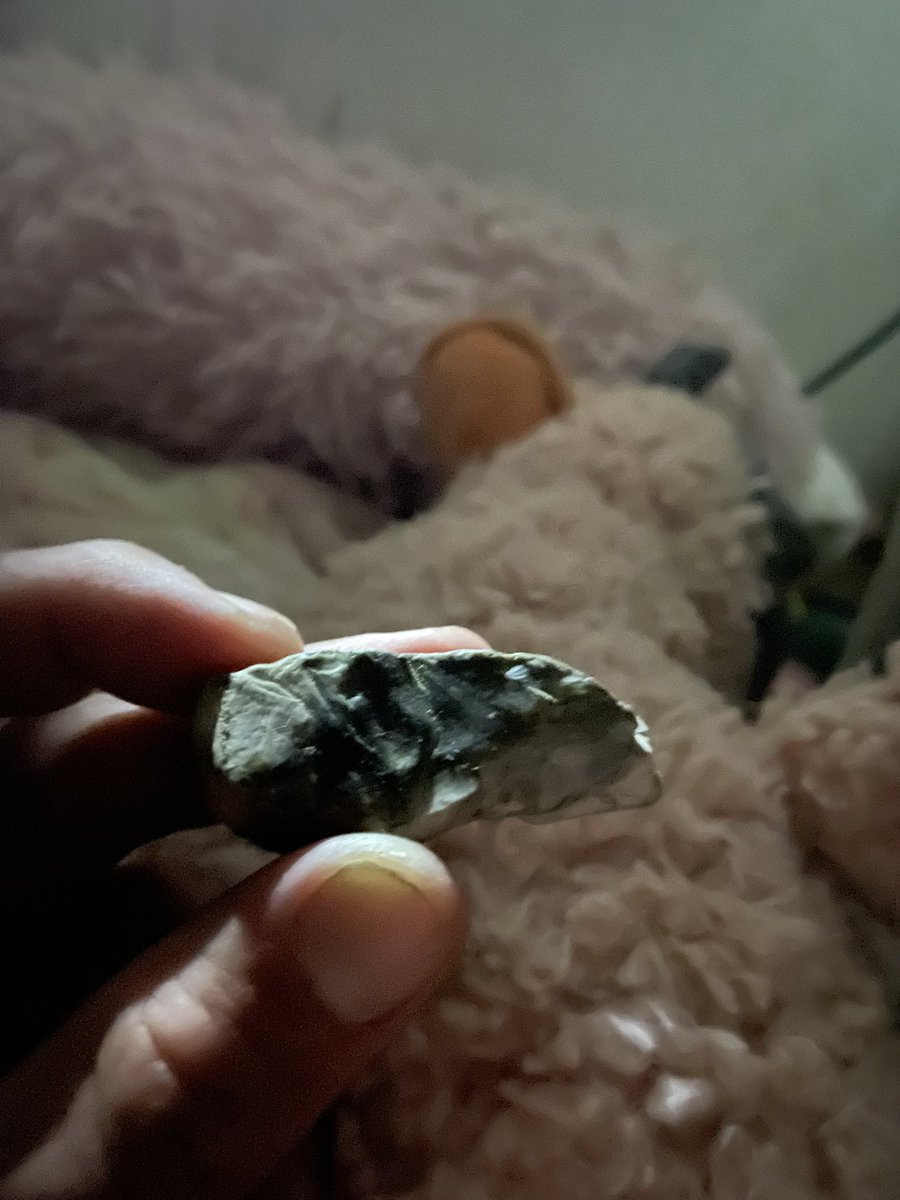
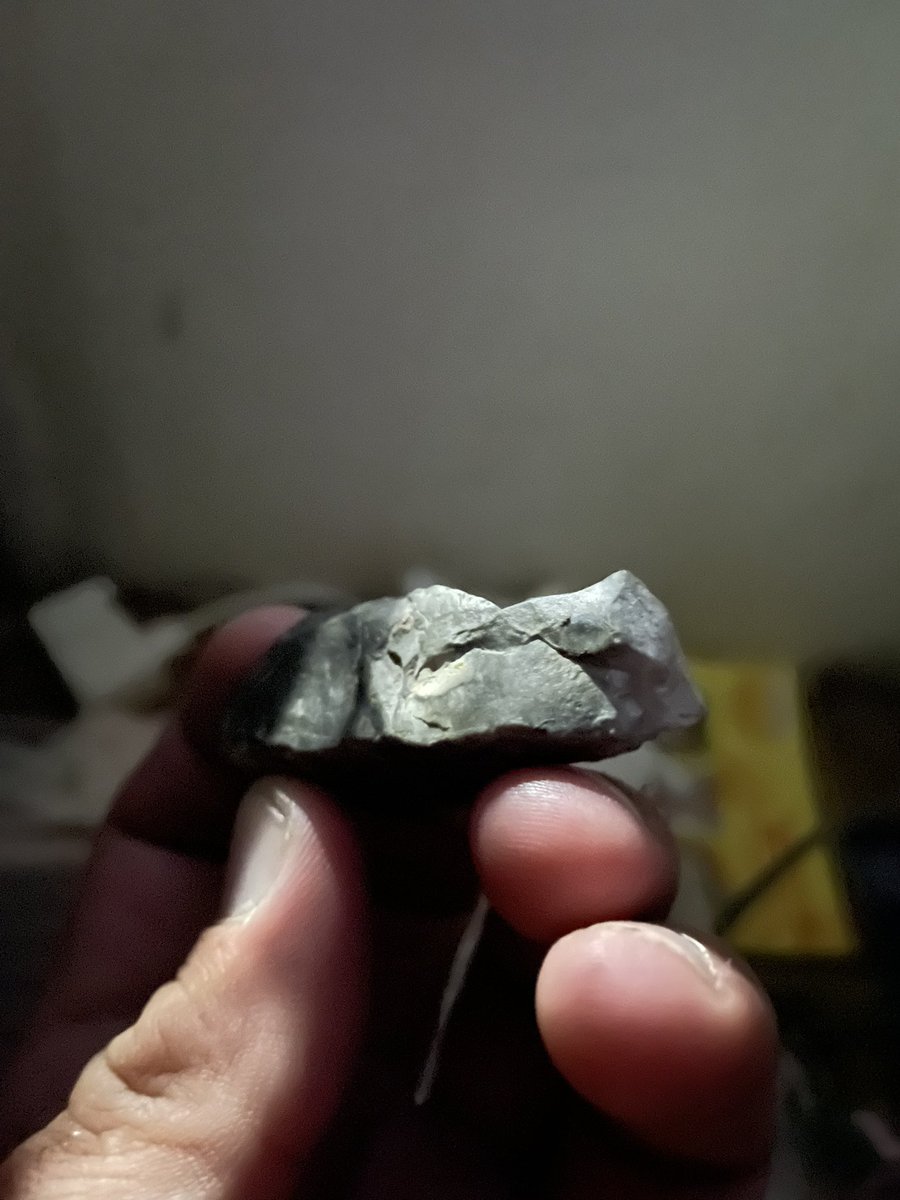
Just gotta clean up my camera. Making a thread of old art/artifacts of the culture that was here from the ice age up to around 600 years ago.
First of the mammoth fight stone.
@AramintaMooncr1@NarcissistBox So then studies show that many people are misdiagnosed as autistic...
I've been saying these were directly related for decades.
@BrianRoemmele They were super sophisticated w/stone work back then. I have a chunk of flint that plays scene for scene like a flip book of two mastadons fighting... as rotated in proper light. Here are two still shots w/comparison photos.
@UnearthedHQ Pshhh... I've got a little "picture book" rock of two mastadons fighting one kills the other... here are two still shots, with a comparison photo.
@lackay_abigail@The_Exit_Code A psychopath is absolutely sadistic in nature getting pleasure from harming others.
The sociopath just is going for personal game like everyone, and doesn't care about social constructs,
Or how you are affected by them. Long as they benefit.
+ Not all narcs are sociopaths.
SHAME: THE EMOTION UNDERNEATH EVERYTHING
Rage seems like the narcissist’s primary emotion. But it’s not. Shame is.
Rage is what you see. Shame is what drives everything underneath.
The narcissist’s core experience is shame. Deep, intolerable shame about their inadequacy. Their emptiness. Their unloveability. Their fundamental ordinariness.
But healthy shame, the kind that leads to change and growth, is impossible for the narcissist. Because acknowledging shame would mean acknowledging the truth: I’m not special. I’m not superior. I’m just… ordinary. That’s unthinkable.
So instead of processing shame, the narcissist transmutes it. Transforms it into: rage, grandiosity, contempt, control, attack.
Here’s how it works:
You do something that triggers their shame. Maybe you succeed at something they tried and failed at. Maybe you don’t admire them unconditionally. Maybe you set a boundary. Maybe you simply exist as someone capable and independent.
This creates shame in the narcissist: the shame of comparison. The shame of not being special. The shame of being ordinary.
But the narcissist can’t sit with that shame. So it becomes rage.
The rage isn’t about what you did. It’s about the unbearable shame your action triggered. The rage serves a function: it protects them from the shame. It shifts the blame: you’re the problem, not them. It justifies attack: you deserve punishment for making them feel shame.
Now they’ve transformed intolerable shame into righteous rage. The rage feels powerful, justified, clarifying.
But underneath every narcissistic behavior, every lie, every manipulation, every cruelty, is shame.
- The control is shame: if I can control you completely, I can prevent you from discovering how empty I am.
- The lying is shame: if I can control the narrative, I can prevent anyone from knowing the truth about me.
- The grandiosity is shame: if I’m superior, then I’m not ordinary.
- The contempt is shame: if I can see you as beneath me, I don’t have to feel my own inadequacy.
- The infidelity is shame: if I can conquer new people, I can prove I’m special.
- The discarding is shame: if I leave before you can leave, I’m not abandoned. I’m the superior one who got bored.
All of it is driven by intolerable shame.
And the tragedy is: the narcissist can’t heal the shame because healing would require acknowledging it. And acknowledging it would mean the end of the grandiose self.
So they build a system to ensure they never have to feel shame. The supply keeps them distracted. The control prevents exposure. The lies protect the narrative. The rage punishes anyone who threatens the system.
But underneath, the shame remains. And it drives everything.
This is why:
- They can never actually be satisfied (because satisfaction would mean accepting ordinary)
- They can never actually be happy (because happiness requires integration of shadow)
- They can never actually be intimate (because intimacy requires vulnerability)
- They can never actually change (because change would require acknowledging shame)
Understanding that shame drives them doesn’t make you feel compassion. It makes you understand: this person is operating from terror. Their cruelty is about terror: terror of being ordinary, terror of being seen, terror of the void inside.
But understanding the source doesn’t change the impact. They’re still cruel. They’re still destructive. Understanding why doesn’t make staying safe.
It just helps you stop blaming yourself. Helps you understand: their shame, their terror, their need to maintain the illusion: it’s not your responsibility to fix. It’s not something your love can cure.
They’ll keep hunting supply, keep attacking people, keep lying, keep raging, until they die.
Because the alternative is feeling the shame. And they’ll do anything to avoid that.