Via this account, the editors of Advanced Drug Delivery Reviews share new publications. Likes/retweets/follows do not endorse any particular viewpoint.
ADDR Open Access: Engineering tissue patterning in human stem cell-based embryo models.
By Kristopher A. Kilian & coworkers, Univ. of New South Wales
#TissuePatterning#EmbryoModel
https://t.co/cD5cqGq0Xt
ADDR Open Access: Small Data, Big Challenges: Machine- and Deep-Learning Strategies for Data-limited Drug Discovery.
By Sriram Chandrasekaran & coworker @UMBME#MachineLearning#DeepLearning#DrugDiscovery
https://t.co/bRMhEMdh4R
ADDR 50 days' free access: Quality by Computational Design: Harnessing AI to Advance Rational Drug Development.
By Defang Ouyang & coworkers @UM_1981#ArtificialIntelligence#DrugDevelopment
https://t.co/e9Zj9igqVp
ADDR Open Access: Overcoming barriers and shaping the future: Challenges and innovations in nucleic acid therapies for Glioblastoma.
By Khuloud T. Al-Jamal & coworkers @KingsCollegeLon#RNADelivery#GeneSilencing#glioblastoma
https://t.co/21Y6vepnkG
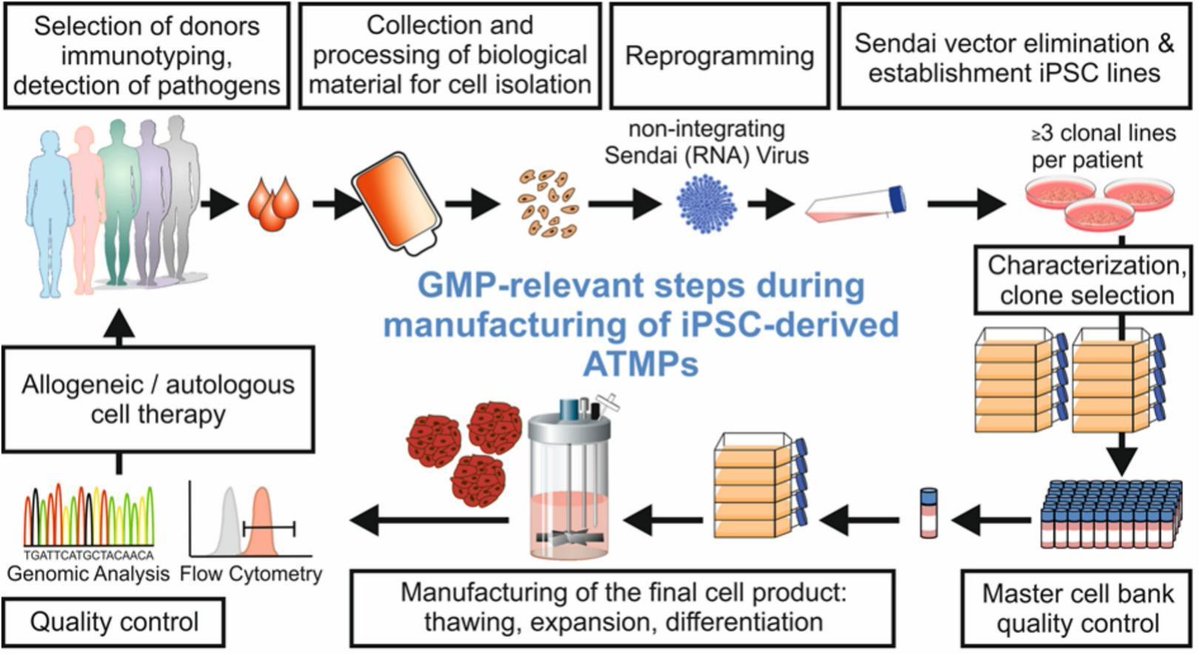
ADDR Open Access: GMP-compliant manufacturing of iPSC-derived therapeutic cell products: Technologies, applications, risks and limitations.
By Ulrich Martin & coworkers, Hannover Medical School @CRS_DeChAt_LC#manufacturing#GMP#CellTherapy
https://t.co/hjtDYewu8L
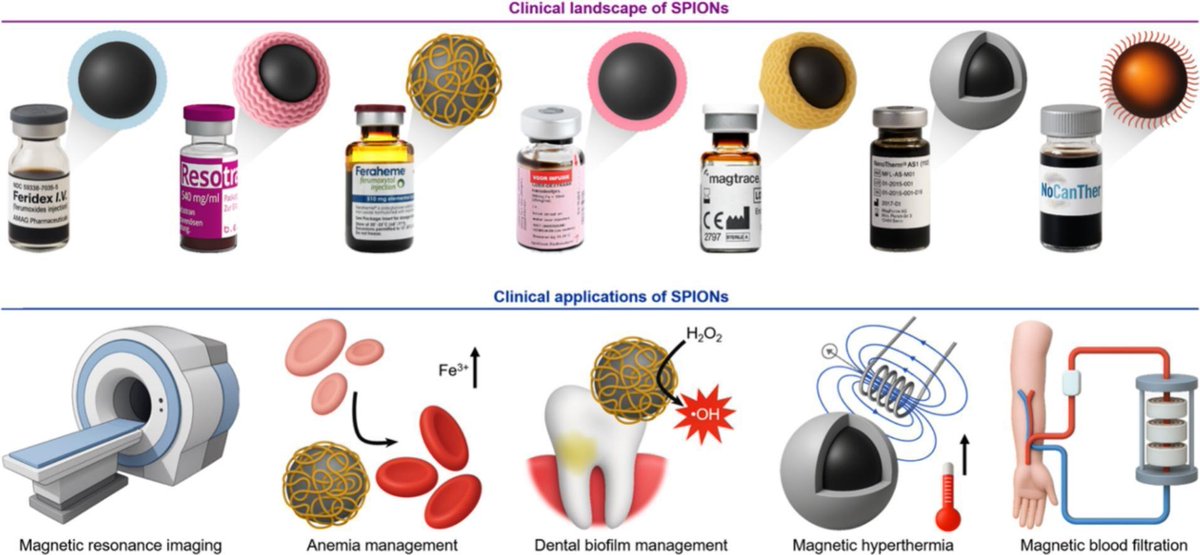
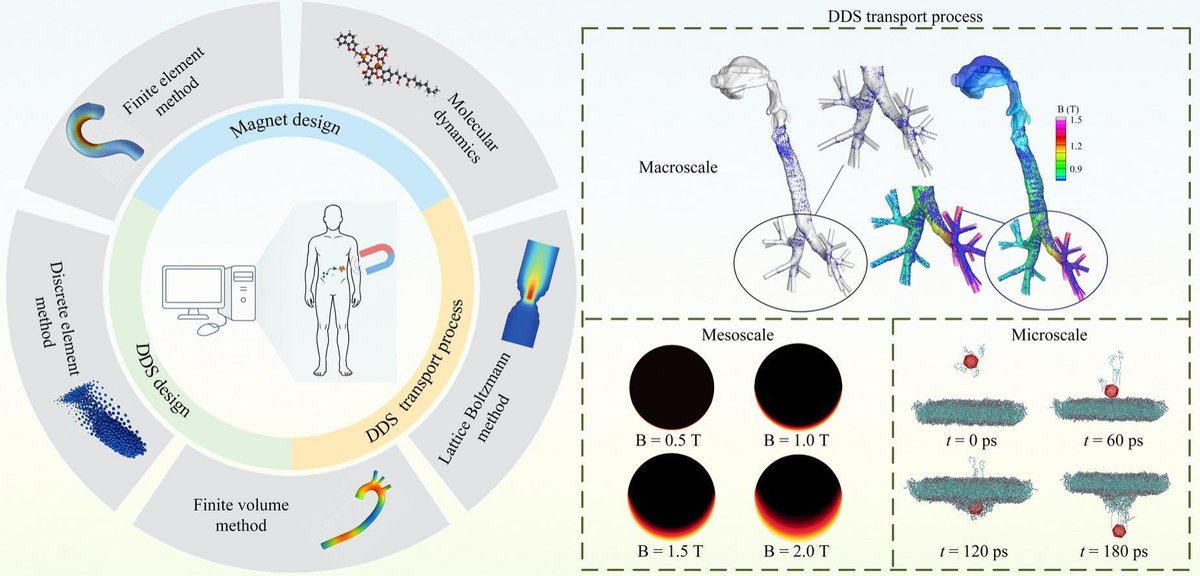
ADDR Open Access: Recent advances in numerical simulation of magnetically guided drug delivery systems and applications
By Mark Ainslie & coworkers @KingsCollegeLon#MagneticallyGuided#ArtificialIntelligence
https://t.co/oxvnzEe3Ai
ADDR Open Access: Implications of genetic and epigenetic aberrations to the tumorigenicity of human pluripotent stem cells.
By Nissim Benvenisty & coworkers @HebrewU#StemCell#EpigeneticAberration
https://t.co/Ah1vNle4pa
ADDR Open Access: Informing development of brain cancer therapies within "preclinical trials" using ex vivo patient tumors.
By Andrew Satterlee & coworkers @DPMP_UNC#PrecisionMedicine#BrainCancer#SensitivityTest
https://t.co/iOUeL8roWC
ADDR Open Access: Exploiting colloidal drug aggregation for drug delivery: From promise to prediction using computational tools.
By Molly S. Shoichet & coworkers
#ColloidalAggregation#Computation#Prediction
https://t.co/LAoF2doFj4
ADDR Open Access: Emerging nanoparticle-based therapies for pancreatic cancer: Current clinical landscape.
By Maria J. Garrido & coworkers @unav#nanoparticle#PancreaticCancer
https://t.co/F86omfkBgS
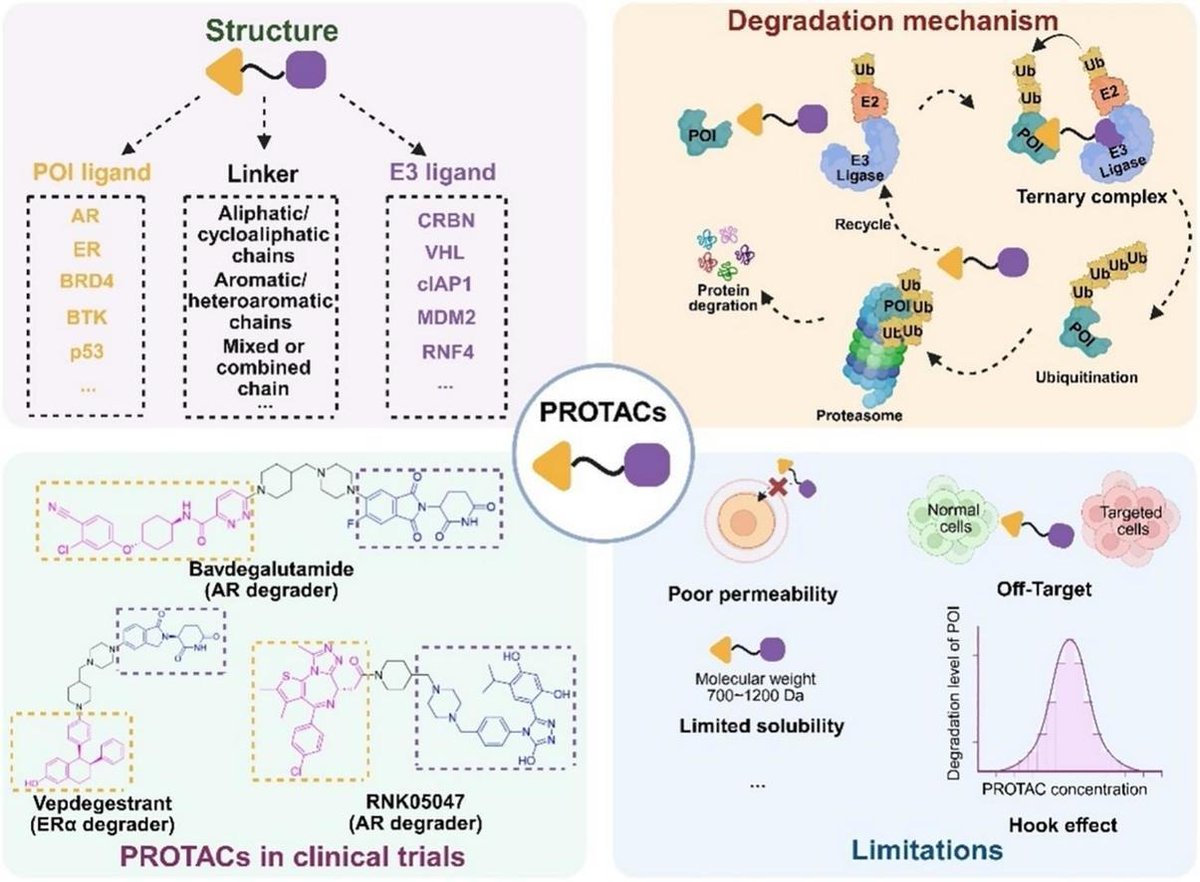
ADDR 50 days' free access: Integrating PROTAC-based targeted protein degradation with nanodelivery systems to overcome cancer therapeutic resistance.
By Xiang Gao @SCUCN & coworkers
#nanodelivery#PROTAC#ProteinDegaradation
https://t.co/xzPFXxfSAt
ADDR 50 days' free access: Engineering tumor spatial heterogeneity in vitro.
By Eliza Li Shan Fong & coworkers @BME_NUS#SpatialHeterogeneity#TumorModel
https://t.co/Am6RlGXNrs
ADDR 50days' free access: Gas-based therapeutics and delivery platforms in cancer immunotherapy.
By Yunching Chen & coworkers @NTHU_TAIWAN#GasDelivery#immunotherapy
https://t.co/cY3em6nf9E
ADDR 50 days' free access: Perspectives and trends in gas delivery systems based on ultrasound responsive nanomaterials for cancer therapy.
By Kwangmeyung Kim & coworkers @EwhaWomansUniv@KoreaCRS#GasDelivery#ultrasound
https://t.co/upEWxblqhs
ADDR 50 days' free access: Microbial heterogeneity-mediated treatment evasion and the potential for engineered live biotherapeutic products.
By Megan N. McClean & coworker @UWMadison_BME#LiveBiotherapeutic#MicrobialHeterogeneity
https://t.co/lkToKhkFST
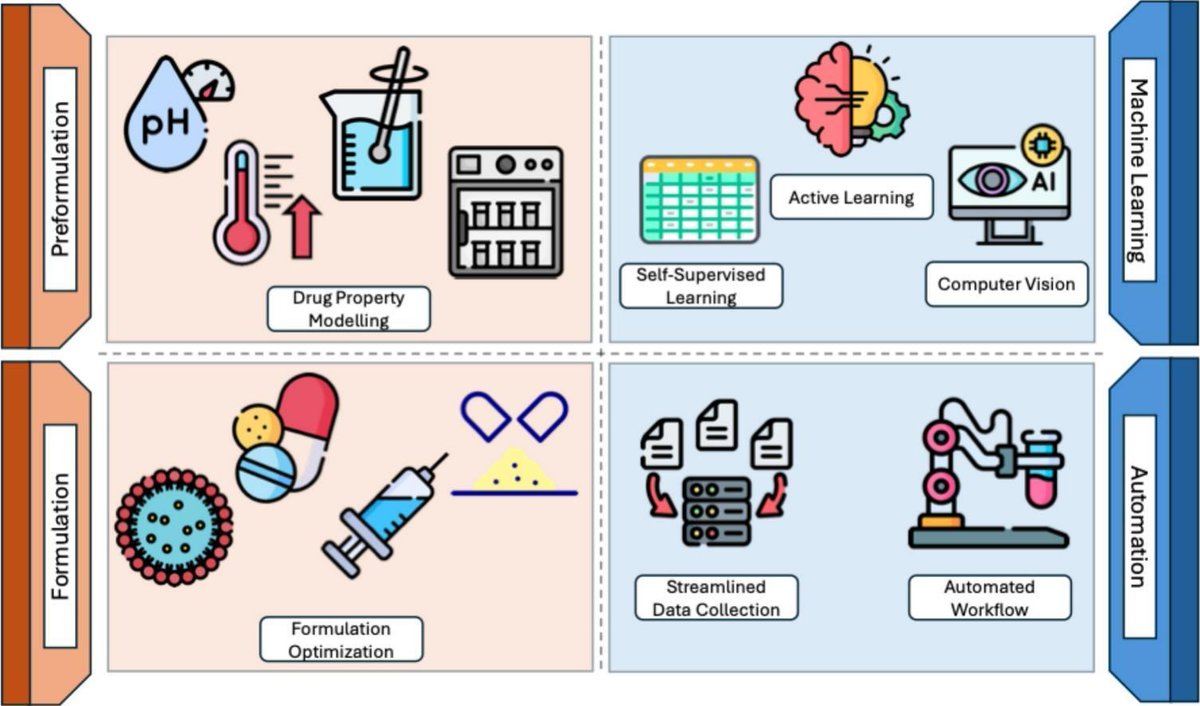
ADDR 50 days' free access: Guiding design and performance of nonviral nucleic acid delivery vehicles via machine learning.
By Theresa M. Reineke & coworkers @UMNews#NucleicAcidDelivery#MachineLearning
https://t.co/rRvTSC6gvf
Advanced oral therapies for colorectal cancer via nanomedicine and microbiota modulation.
By Yining Xu & coworkers @SCUCN#OralDelivery#nanomedicine#microbiota
https://t.co/inD83bDadw
ADDR 50 days' free access: Red to near-infrared carbon dots: synthesis, cellular interactions, drug loading, and therapeutic applications.
By Hala Zreiqat & coworkers @USYDBME#CarbonDot
https://t.co/RQI1azmYxt