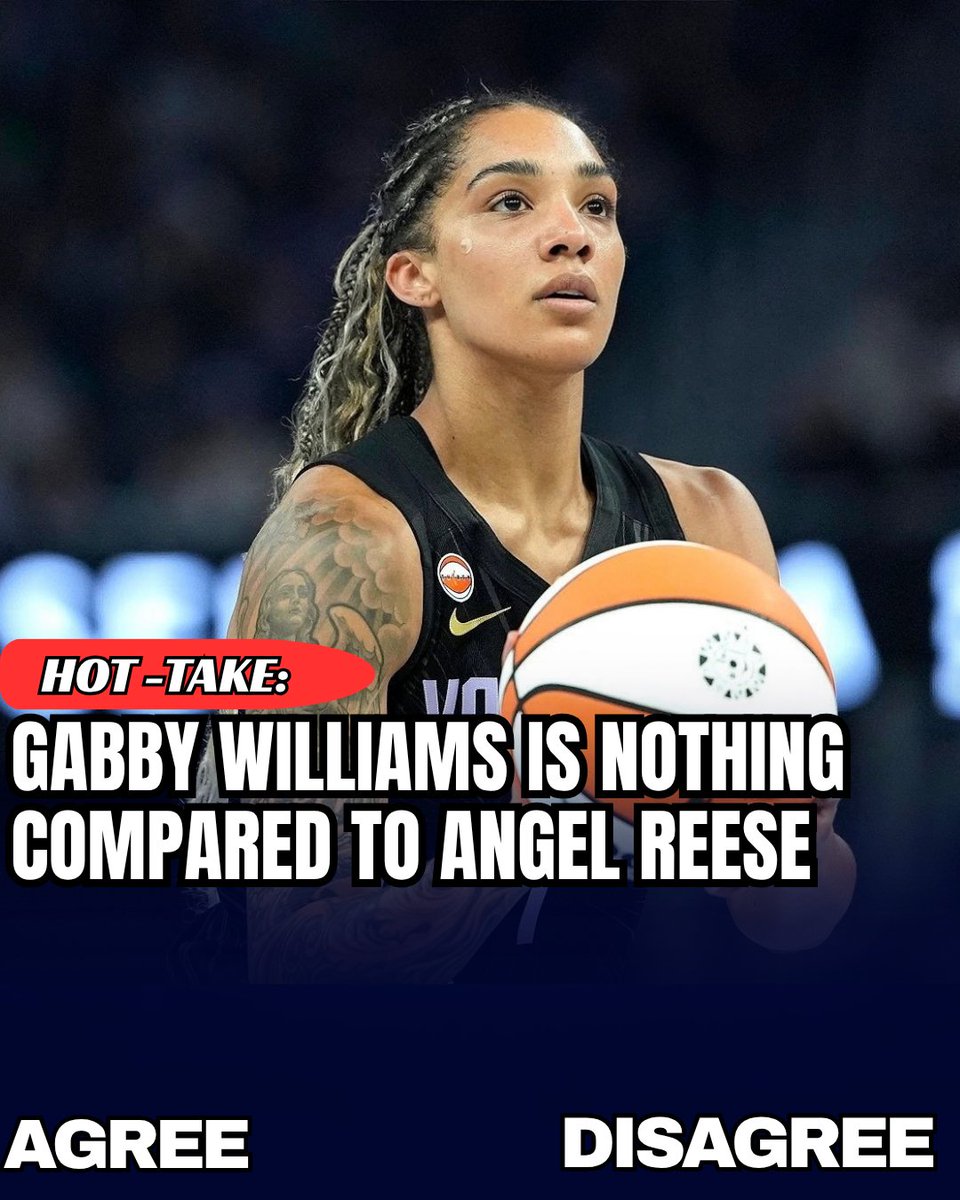
The debate has become increasingly interesting after Angel Reese’s historic 2026 season. At just 24, Reese has already become one of the WNBA’s biggest stars, while Gabby Williams has built a respected résumé through years of elite defense and international success. But when it comes to overall impact, recognition and influence, some fans believe there is already a significant gap between the two.
Reese’s WNBA résumé is developing at an extraordinary pace. She is now a three-time All-Star, 2026 Defensive Player of the Year and three-time league-leading rebounder, while becoming the first player in WNBA history to record more than 500 rebounds in a season. She also set the single-season records for total rebounds, offensive rebounds and double-doubles in 2026.
Williams, however, cannot simply be dismissed. She is a two-time WNBA All-Star, two-time All-Defensive selection and finished second to Reese in the 2026 Defensive Player of the Year voting. She also led the WNBA in steals in 2025 and has built an impressive international résumé, including two Olympic medals with France, two NCAA championships at UConn and three EuroLeague Defensive Player of the Year awards.
But this is where the argument gets controversial. Reese’s influence stretches beyond statistics. Her LSU national championship, massive popularity, fashion presence, endorsements and ability to attract attention to women’s basketball have made her one of the sport’s most recognizable young athletes.
Williams has elite basketball credentials and international achievements, but Reese has arguably created a much larger cultural and commercial footprint at a younger age.
So the question isn't whether Gabby Williams is a great player—she clearly is. The question is whether she can realistically be compared with Reese when considering the entire package: production, awards, popularity, marketability and influence.
IS GABBY WILLIAMS REALLY ON ANGEL REESE’S LEVEL — OR HAS ANGEL ALREADY MOVED INTO A DIFFERENT CATEGORY? 👀🔥
Donald Trump’s second presidency has already become one of the most controversial periods in modern American politics, with fierce debates over executive power, constitutional limits, the media, federal institutions and the extent of presidential authority.
Critics argue that Trump has repeatedly pushed the boundaries of presidential power, accusing his administration of using federal institutions aggressively, challenging established norms and attempting to expand the authority of the executive branch. His confrontational approach toward the media and political opponents has also raised concerns among those who believe a president must be held accountable when they believe constitutional limits are being tested.
For supporters of impeachment, the argument goes beyond whether people agree with Trump’s policies. They believe impeachment is an important constitutional safeguard designed to address serious abuses of presidential power and prevent the office from becoming effectively unchecked.
But Trump’s defenders strongly reject that argument. They say controversial decisions, aggressive political rhetoric and major policy changes should not automatically become grounds for impeachment. They point out that Trump has already been impeached twice by the House of Representatives and acquitted by the Senate both times, arguing that repeated impeachment attempts could turn the process into a political weapon rather than an extraordinary constitutional remedy.
The bigger question is where America should draw the line. When does a president’s use of executive power become an impeachable abuse of power—and when is it simply the exercise of authority granted by voters and the Constitution?
With Trump once again at the centre of America’s biggest political battles, the impeachment question could become one of the defining debates of his second term.
So, does Donald Trump deserve to be impeached again—or are his critics simply trying to overturn the choices made by American voters?
Lando Norris has just won back-to-back races, yet after Zandvoort he insisted that McLaren do not have the best car on the grid. With Norris now dominating two consecutive weekends, those comments are starting to look increasingly controversial — and some fans believe they reveal just how highly he rates himself.
Critics argue that Norris is seriously underestimating how strong the McLaren really is. If Mercedes genuinely has the performance advantage he claims, they ask, then why has Norris been able to consistently beat them and control the recent races? From their perspective, the explanation is simple: McLaren does have the best overall package, and Norris is benefiting from a car capable of winning.
Some fans have even accused Norris of downplaying McLaren’s advantage so that more of the credit goes to his driving. They believe his recent dominance makes it difficult to argue that the car is not competitive — especially when he has repeatedly been able to pull away from the drivers supposedly racing with better machinery.
But there is another side to the argument.
Oscar Piastri’s struggles could actually strengthen Norris’ case. If both drivers have access to the same McLaren machinery but Norris is consistently extracting significantly more performance from it, perhaps the car itself isn't the whole story. Norris may genuinely be operating at another level right now, finding performance that Piastri and the rest of the grid simply cannot match.
And that raises an even bigger question: Is Norris genuinely being arrogant, or is he simply giving an honest assessment of a car that he knows still has weaknesses?
His critics see a driver refusing to admit he has the best car.
His supporters see a driver doing everything possible to expose the limits of it.
With the championship battle becoming increasingly intense, every Norris victory only makes the debate louder.
So, be honest: Is Lando Norris becoming F1’s most arrogant driver, or is he genuinely driving at an elite level that makes the McLaren look better than it actually is?
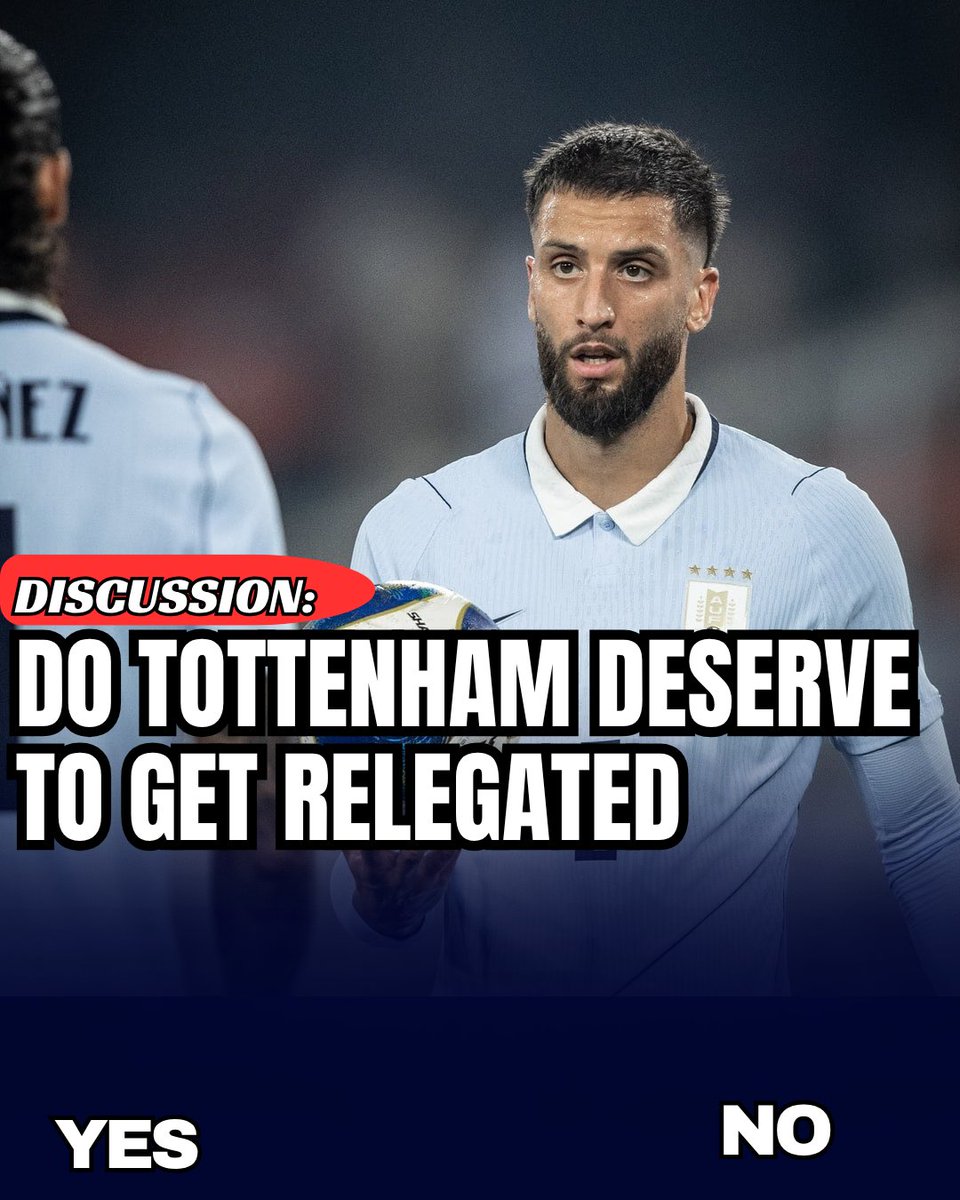
Tottenham’s nightmare start to the 2026/27 Premier League season has gone from worrying to genuinely alarming. After five matches, Spurs are bottom of the table with just two points and only two goals scored, leaving fans questioning whether this is simply another poor start—or the beginning of a full-blown relegation battle.
The most shocking part? Tottenham have spent more than £300 million rebuilding the squad. Sandro Tonali, Mateus Fernandes, Savinho, Omar Marmoush, Jan Paul van Hecke and several other players were brought in as Roberto De Zerbi was given one of the biggest transfer budgets in the club’s history.
Yet the results have been disastrous. Spurs were beaten 3–0 by Brentford, lost 2–0 at home to Newcastle, struggled against Nottingham Forest and later suffered a 3–2 defeat to Aston Villa. They have now endured their worst league start in 18 years.
And this cannot simply be blamed on one bad run. Tottenham finished 17th in each of the previous two Premier League seasons, surviving relegation by the skin of their teeth. Last season, they needed a final-day victory over Everton to guarantee their survival.
Critics therefore have a simple argument: if £300m of investment cannot move Tottenham away from the bottom of the table, what exactly will? The squad is expensive, the expectations are high, and De Zerbi has been given the players he wanted. At some point, poor results stop being a transition period and start becoming a serious warning sign.
But there is another side to the argument.
De Zerbi inherited a squad undergoing an enormous rebuild, with several new players still learning to play together. The manager himself admitted after the Brentford defeat that Spurs were “not a team yet.”
Five games also do not decide a 38-game Premier League season. Tottenham still have plenty of opportunities to turn things around, and a squad containing this much individual quality should theoretically be capable of climbing the table once the players finally develop an understanding.
But that is exactly what makes this situation so fascinating.
Tottenham have spent the money. They have changed the manager. They have rebuilt the squad. Yet the results still look frighteningly similar.
So the big question is:
🔥 DO TOTTENHAM DESERVE TO BE RELEGATED IF THIS FORM CONTINUES, OR ARE FANS WRITING THEM OFF FAR TOO EARLY?
And more importantly—is Roberto De Zerbi the man capable of saving Spurs, or has Tottenham’s £300m rebuild already started to look like another massive failure?
Lewis Hamilton officially has seven Formula 1 World Championships, but the controversial ending to the 2021 season continues to fuel one of the biggest debates in the sport’s history: should Hamilton actually be regarded as an eight-time world champion?
The argument centres around the dramatic Abu Dhabi Grand Prix. Hamilton appeared to be comfortably on course for his eighth title before a late Safety Car completely changed the race. With just one lap remaining, only the lapped cars between Hamilton and Max Verstappen were allowed to unlap themselves, allowing the race to restart. Verstappen was on fresh soft tyres, while Hamilton was on older hard tyres. Verstappen passed Hamilton almost immediately and went on to win the championship.
For Hamilton's supporters, the circumstances were so controversial that they believe he was effectively denied an eighth world title. Some argue that, without the disputed race direction decision, Hamilton would have won the race and secured the championship, making him the rightful eight-time champion in their eyes.
But there is another side to the argument. Verstappen finished the race first, ended the season level on points with Hamilton, and won the championship on countback. The FIA's official classification confirmed Verstappen as the 2021 World Champion. Critics of the eight-title argument say the official result must stand, regardless of how controversial the circumstances were, because changing championship history based on disputed decisions could set a dangerous precedent.
So the debate remains:
Was Lewis Hamilton effectively robbed of an eighth World Championship in 2021, or should he be recognised as a seven-time World Champion because that is what the official record shows?
#lewishamilton #F1
Angel Reese has become one of the most recognizable faces in the WNBA, but her fame has sparked a controversial question that goes beyond basketball: would she receive the same level of attention if her appearance, body shape and off-court image were not such a major part of her public profile?
Reese has obviously earned plenty of respect through her performances. She has established herself as one of the league’s strongest rebounders and defenders, and her 2026 Defensive Player of the Year award further strengthened her basketball credentials. But her popularity extends far beyond what happens on the court, with enormous attention surrounding her fashion, lifestyle, personality and physical appearance.
That has led some fans to compare her recognition with other elite WNBA players. A’ja Wilson, Breanna Stewart, Napheesa Collier and Gabby Williams have all built outstanding basketball résumés, yet some argue that Reese receives a different level of attention because she combines basketball ability with a highly marketable image and physical appeal.
Others strongly disagree with that argument. They believe focusing on Reese’s appearance unfairly reduces her accomplishments and ignores the work required to compete at the highest level of professional basketball. To them, her popularity is simply the result of being a talented player with a distinctive personality and massive fan following.
The bigger question is whether appearance and marketability influence how female athletes are promoted and perceived, and whether some players benefit more than others from that reality.
SO, DOES ANGEL REESE’S BEAUTY, BODY SHAPE AND PHYSICAL APPEAL GIVE HER AN ADVANTAGE IN RECOGNITION — EVEN OVER SOME OF HER GREATER COMPETITORS ON THE COURT? 👀
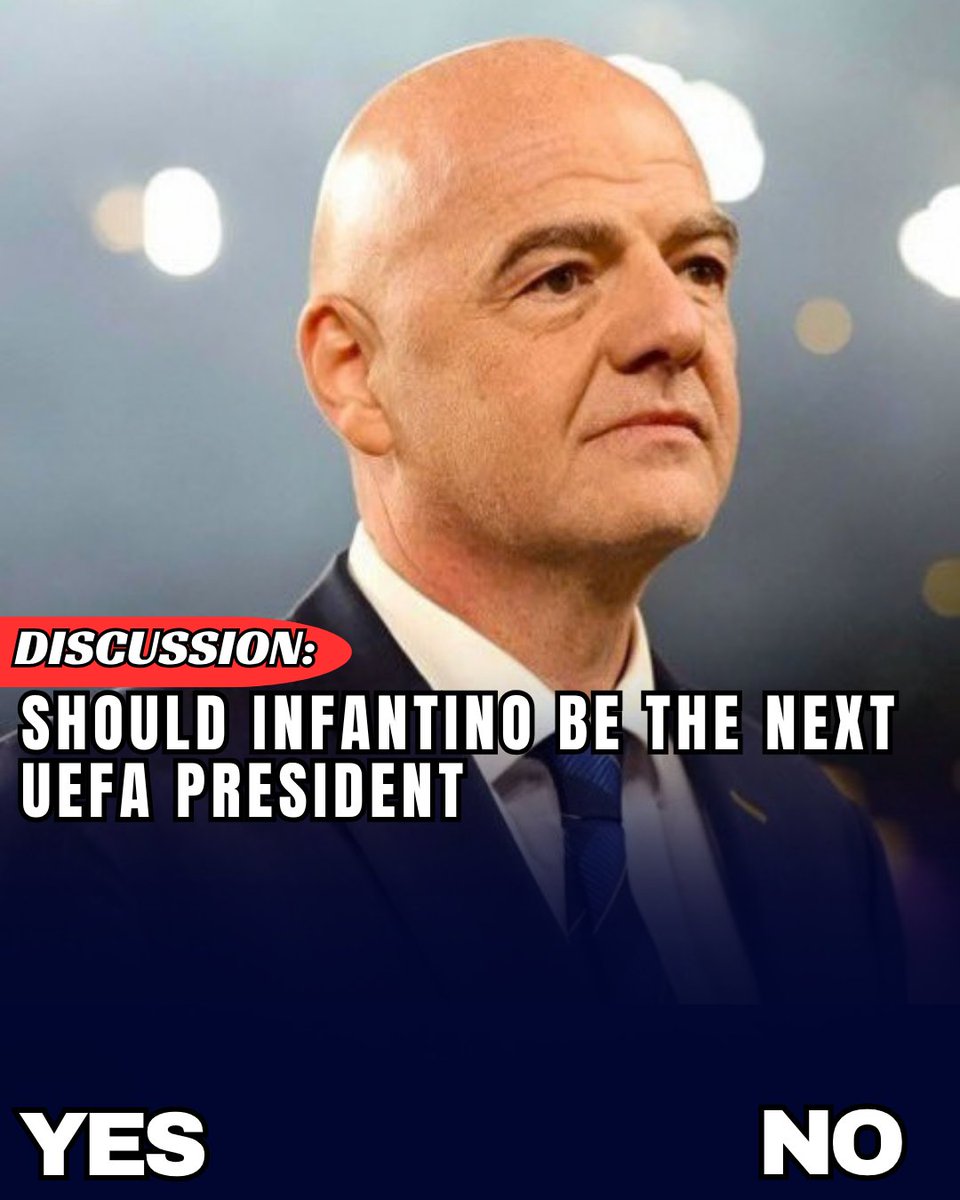
Gianni Infantino spent years working within UEFA before becoming FIFA president, but with relations between Infantino and parts of European football becoming increasingly strained, some fans may wonder whether a return to UEFA could actually be his next move.
Supporters of the idea could point to Infantino’s extensive experience in European football. He served as UEFA’s general secretary from 2009 to 2016, giving him a deep understanding of the organisation and its member associations. He also has years of experience dealing with football’s biggest institutions, making him one of the most experienced figures in global football administration.
However, critics would find the idea difficult to imagine. UEFA has increasingly challenged Infantino and FIFA over major issues, including proposals involving private investment in FIFA competitions. Several European federations have also expressed opposition to Infantino’s leadership, reflecting growing tensions between FIFA and parts of European football.
For his supporters, Infantino’s experience and political influence could make him a strong candidate. For his critics, his relationship with UEFA has become too complicated for a return to the organisation to make sense.
SO, SHOULD GIANNI INFANTINO REALLY BECOME THE NEXT UEFA PRESIDENT? 👀⚽
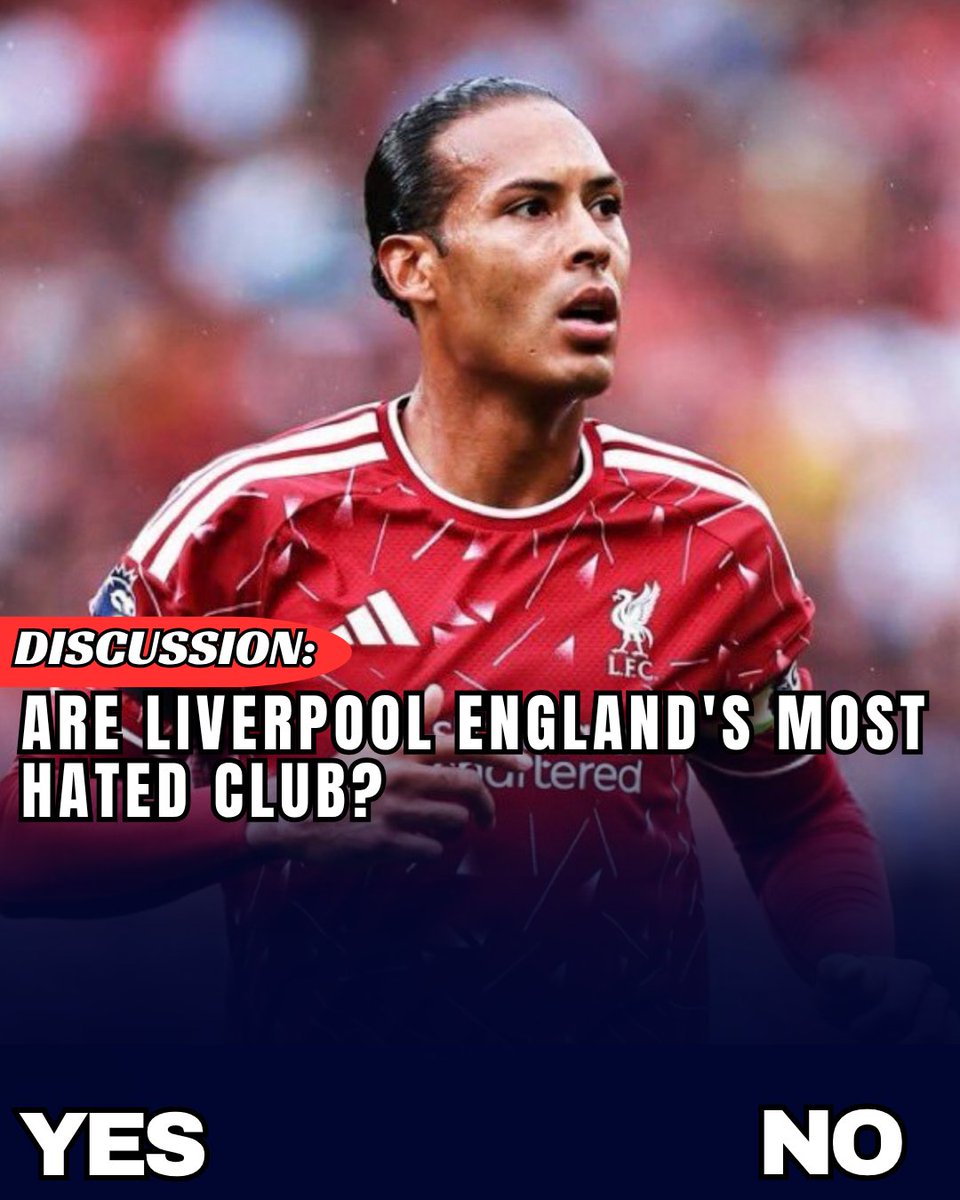
Liverpool have one of the largest and most passionate fanbases in English football, but their immense popularity has also made them one of the most divisive clubs in the country. With decades of fierce rivalries, controversial moments and intense title battles, there is a growing argument that Liverpool could be England’s most hated football club.
Those who support the claim point to the number of rival fanbases that have developed a strong dislike for Liverpool. Their historic rivalries with Manchester United and Everton remain among English football’s fiercest, while clashes with Manchester City, Chelsea and Arsenal have added another layer of hostility. Liverpool’s enormous global following, consistent challenges for major trophies and the perception among some rivals that their supporters can be overly demanding or quick to blame referees have only strengthened the criticism.
Liverpool supporters, however, argue that being disliked by rival fans is simply part of being one of England’s biggest and most successful clubs. Manchester United have attracted enormous levels of hostility throughout their history, particularly during their years of dominance, while Manchester City have faced widespread criticism over their ownership and financial controversies. Liverpool’s history, traditions and passionate support, meanwhile, are exactly what make the club one of the most respected institutions in English football.
So, when all the rivalries, success, controversies and fanbases are taken into account, DO LIVERPOOL HAVE THE MOST HATED FOOTBALL CLUB IN ENGLAND?
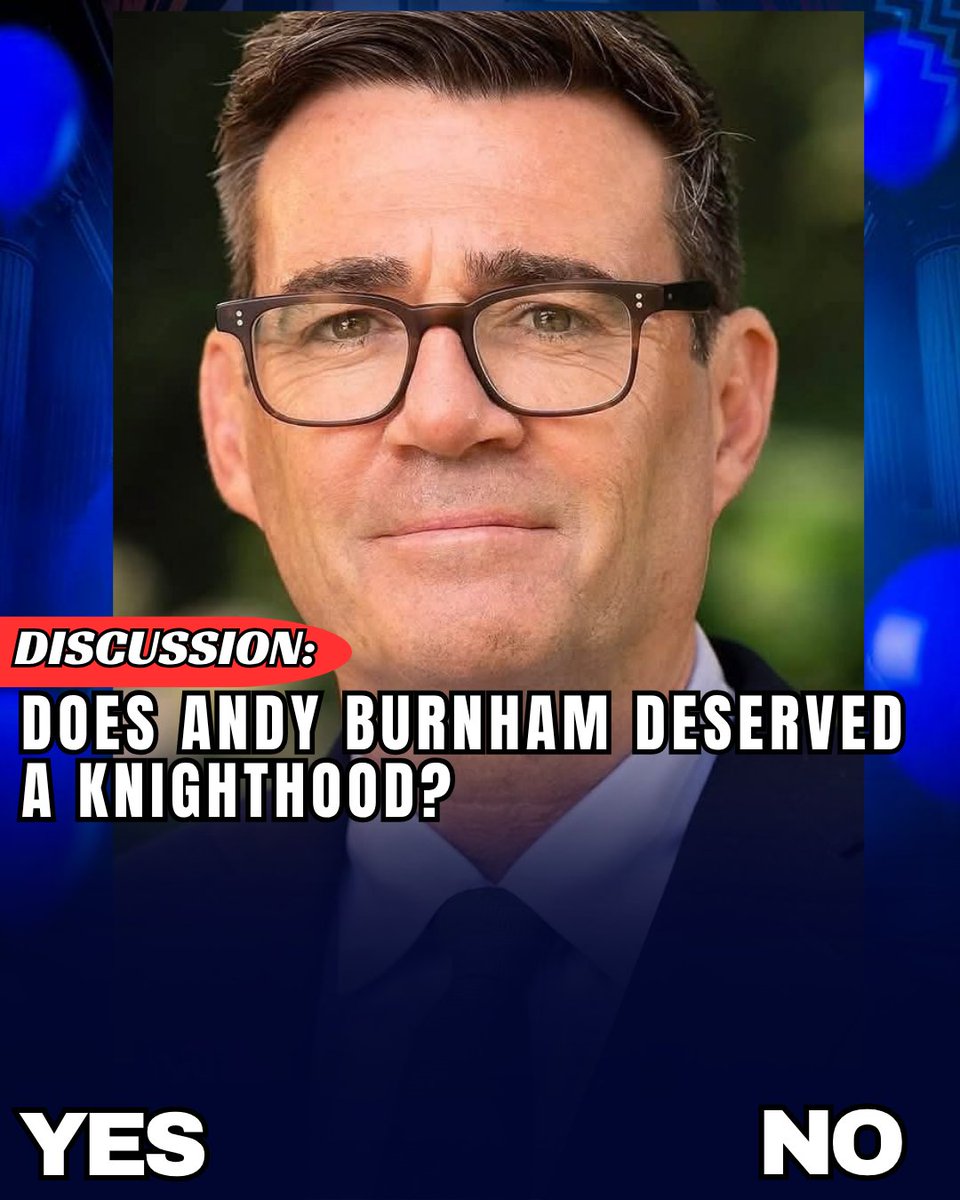
Andy Burnham has spent more than two decades at the heart of British politics, holding several senior government positions before becoming Mayor of Greater Manchester. Now, with his political career entering a new chapter, growing numbers of people are asking whether his years of public service have earned him the right to receive a knighthood.
Supporters argue that Burnham has built a substantial record of public service. He previously served as Chief Secretary to the Treasury, Secretary of State for Culture, Media and Sport, and Health Secretary before becoming Mayor of Greater Manchester. During his time as mayor, he oversaw major changes to the region’s transport system, including the launch of the Bee Network and the return of Greater Manchester’s bus services to local control for the first time in almost four decades. He has also pushed for cheaper fares, improved public transport and greater devolution of power away from London.
But critics believe political experience and a long list of achievements do not automatically justify a knighthood. Burnham has remained a divisive political figure, with opponents continuing to challenge aspects of his record in national government and as mayor. And with his time as Prime Minister only beginning in 2026, some may argue that it is far too early to judge the full impact of his leadership.
So, after more than two decades in British politics, does Andy Burnham really deserve a knighthood?
Lewis Hamilton’s Madrid weekend has once again given his critics ammunition to question how much of his legendary success has been down to the machinery beneath him. After years of dominating Formula 1 with Mercedes, his struggles at Ferrari have led some fans to argue that Hamilton is far less effective when he doesn’t have a championship-winning car underneath him.
Critics point to his inconsistent performances since joining Ferrari as evidence that he is no longer the same driver who dominated the sport with Mercedes. At the Madrid GP, Hamilton crashed at the final corner during FP3 before becoming involved in a tense Turn 1 battle with Max Verstappen, who was forced onto the run-off. Another frustrating Ferrari weekend has only strengthened the argument from some fans that Hamilton struggles to consistently extract maximum performance when the car isn’t clearly the best on the grid.
However, others believe calling a seven-time world champion “useless” without a dominant car completely ignores the evidence. Hamilton secured Ferrari’s first victory of the season in Barcelona and was still running competitively in Madrid before a brake failure ended his race. Ferrari’s limitations and mechanical problems are factors no driver can simply overcome through talent alone.
Hamilton may no longer have the dominant machinery he enjoyed during his Mercedes years, but that raises a bigger question: are his current struggles exposing a weakness in the driver, or simply showing what happens when even an all-time great doesn’t have the best car?
So… is Lewis Hamilton actually useless without an incredible car?
#F1 #lewishamilton
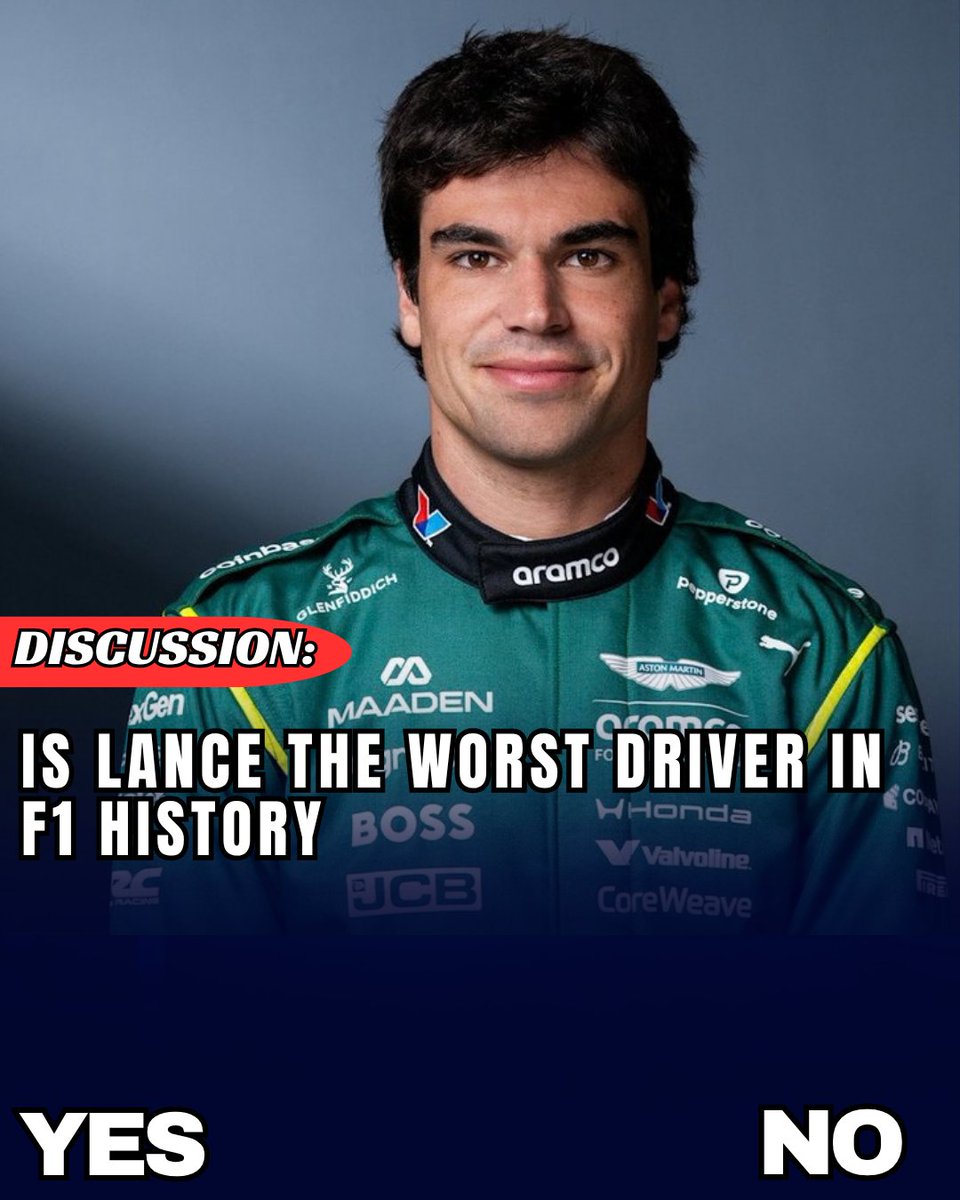
Lance Stroll has spent nearly a decade competing in Formula 1, yet his career continues to divide fans, with some now questioning whether he deserves to be labelled the worst driver ever to compete in the sport.
The criticism is understandable. Stroll has made more than 200 Grand Prix starts without securing a race victory, recording just three career podiums and one pole position. His 2026 campaign has been particularly difficult, with zero points after 14 Grands Prix and nine DNFs according to F1’s current statistics. He has also been outscored by every full-season teammate he has had at Racing Point and Aston Martin, including Sergio Perez, Sebastian Vettel and Fernando Alonso.
However, writing Stroll off as the worst driver in F1 history ignores some of the strongest moments of his career. He claimed a surprise podium in Azerbaijan as a rookie in 2017 and qualified on the front row at Monza later that season. In 2020, he secured his first career pole position and added two more podium finishes.
Stroll has also accumulated 325 career points across more than 200 Grand Prix starts, making his career difficult to compare with drivers who competed in only a handful of races.
His career may have fallen short of expectations, but does that really make him the worst driver Formula 1 has ever seen?
SO… IS LANCE STROLL REALLY THE WORST DRIVER IN F1 HISTORY?
#F1
Lord, protect our President and his family.
Give him wisdom, courage, and strength.
Guide his steps, surround him with honest people, and keep him safe.
God bless our President and the United States of America.
Amen.