Sharing our concept & proposal ( in correlation to Schaefer classification )for novel use of airway ultrasound in early assessment for suspected laryngeal trauma.#winfocus , #POCUS , @Novaleda , @mahatharwahab
https://t.co/fPxK3qhFCA
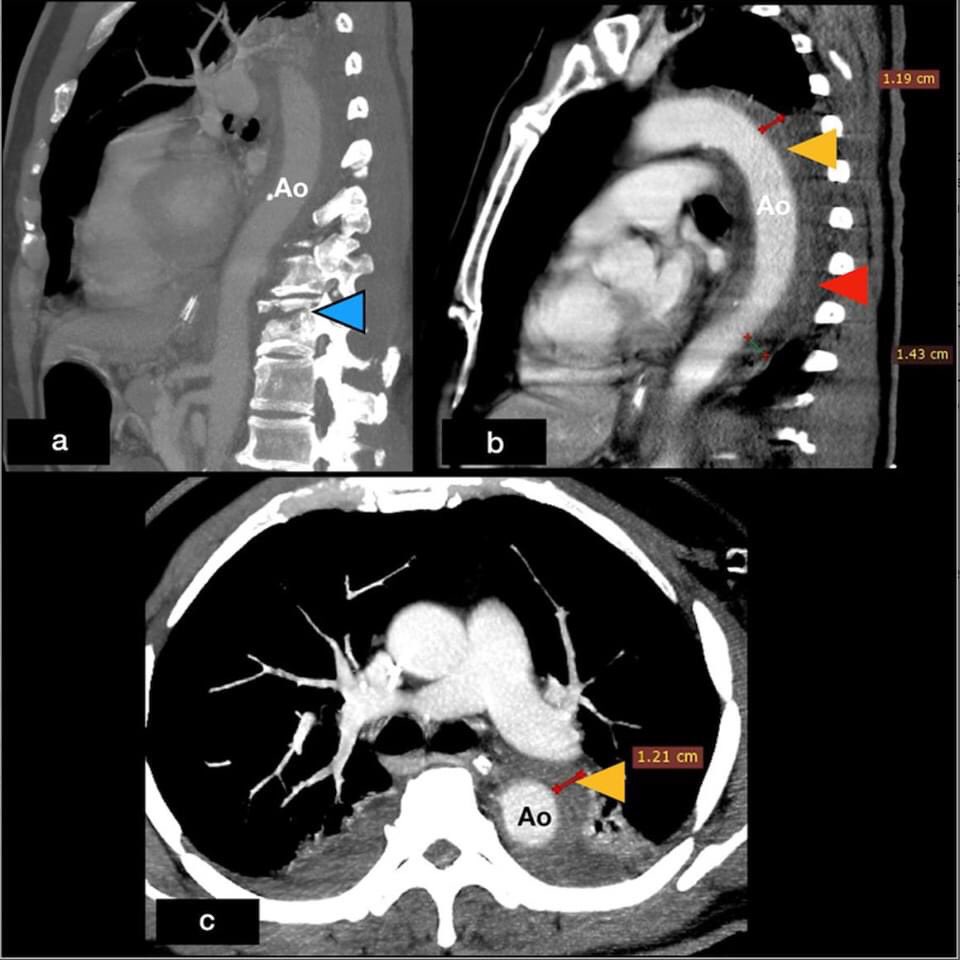
"Hypotensive traumatic paraplegic " .Sharing our images/video and the role of Emergency Department TEE in diagnosis of blunt traumatic aortic injury. #JACEPOpen
https://t.co/gUxgGDG0hd
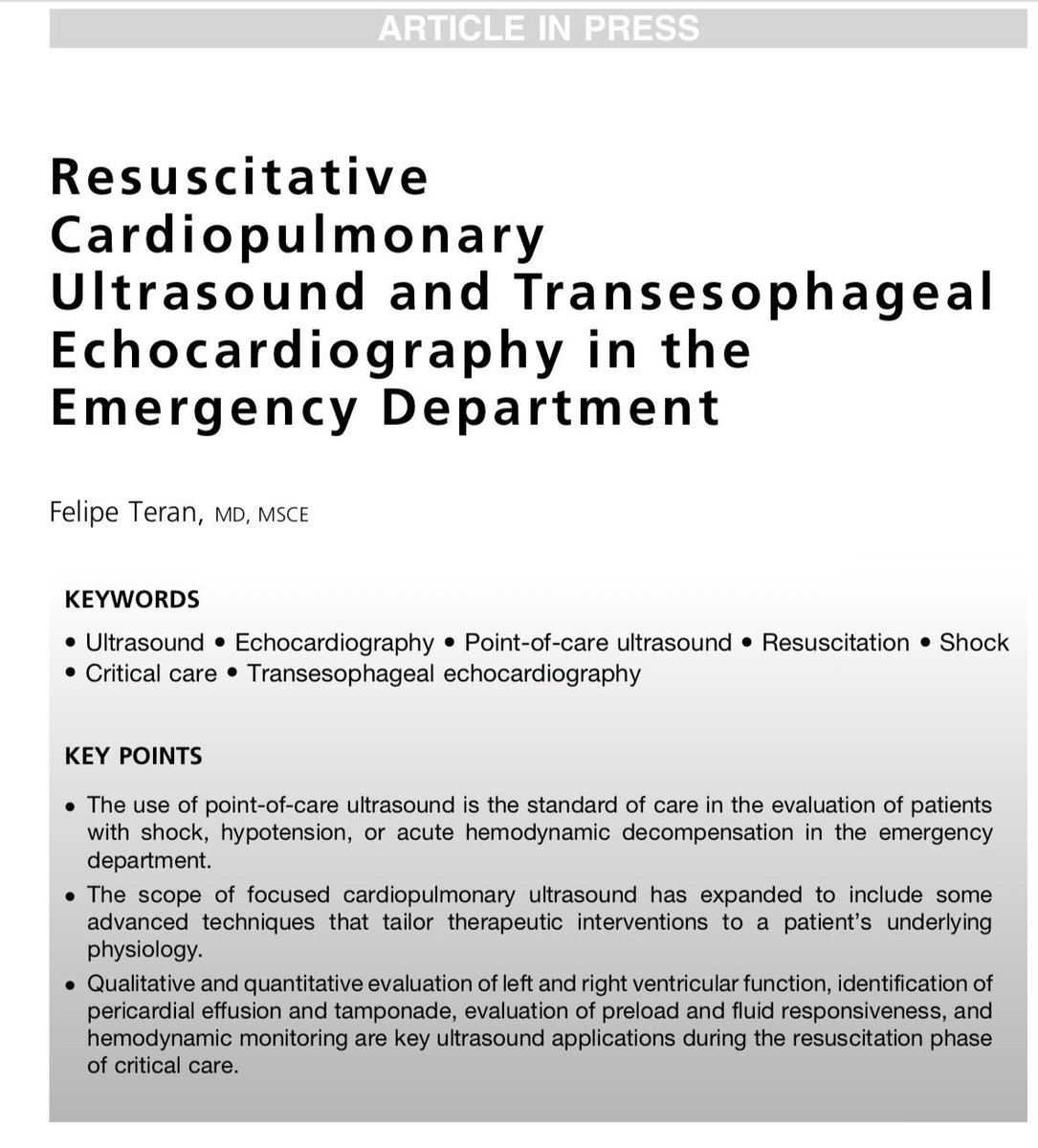
The use of TEE during resuscitation
continues to expand in acute care settings:
Transesophageal Echocardiography at the Golden Hour: Identification of Blunt Traumatic Aortic Injuries in the Emergency Department
https://t.co/n2z13OWseJ
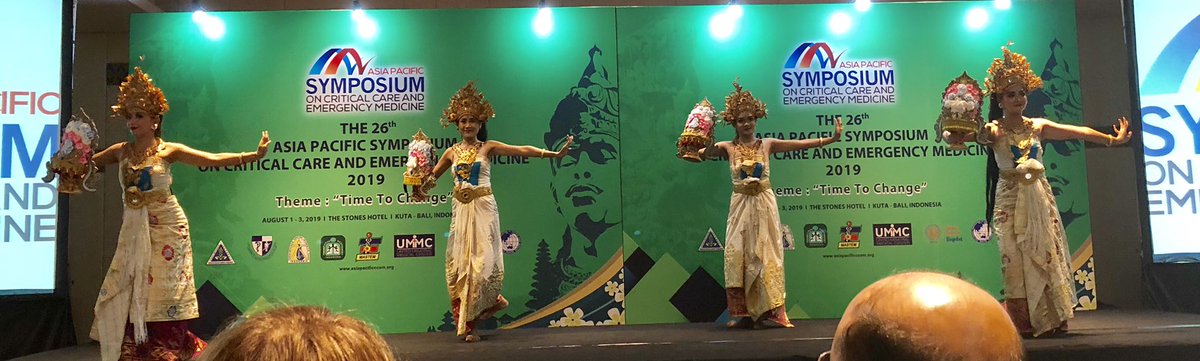
The 26th Asia Pacific Symposium On Critical Care & Emergency Medicine 2019 , The Stones Hotel , Kuta , Bali , Indonesia.Welcome address by Dr Triwahyu & Prof Joseph Varon ( Congress Chairman ). #APSCCEM
For POCUS users around the world....
That’s incredible to see this video and see how we evolved in such a short time ... today we have portable equipment point of care, fast and practical. No bathtub. A lot of gel! Where will we go from here? Artificial Intelligence is coming ...
Former @WINFOCUS president Dr. Miguel Montorfano giving plenary on #PoCUS eval of gsw vascular injuries and penetrating trauma from Argentina at #ICEM2019#ThisIsOurLane!
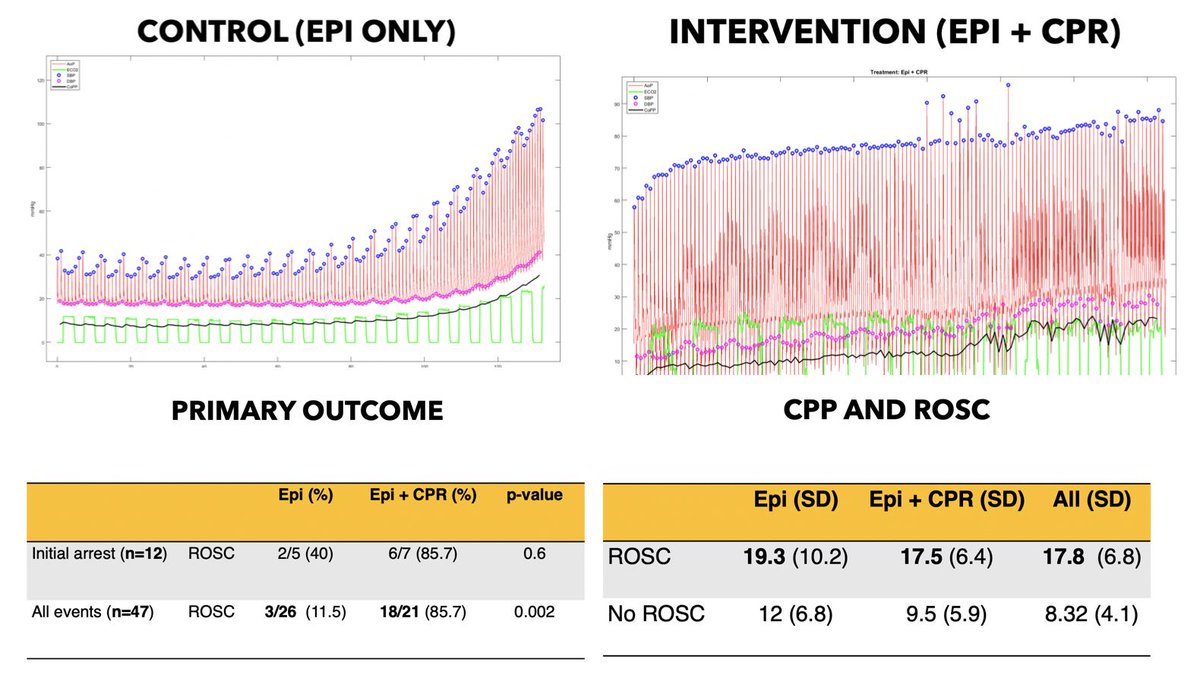
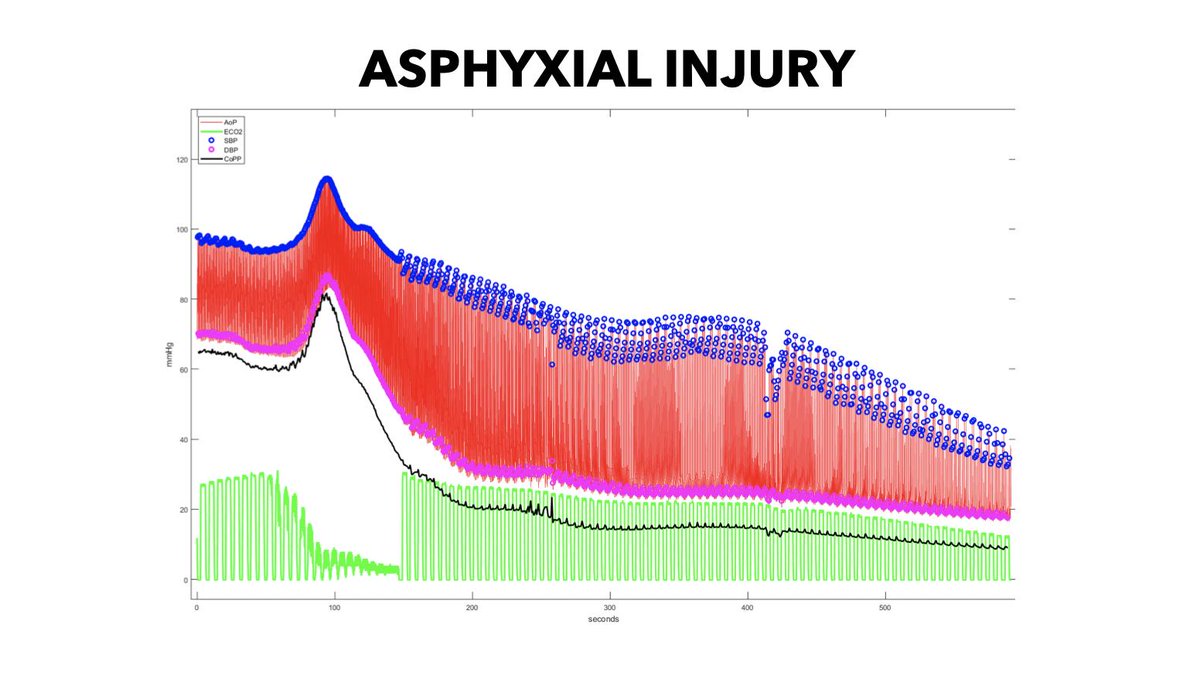
.what is the optimal treatment strategy for lifeless shock (aka pseudo PEA/EMD)? Vasopressors or standard ACLS therapy (i.e. CPR plus Epi)? good physiologic arguments for both. Our team presented prelim pre clinical data at the Wolf Creek Conference addressing this question
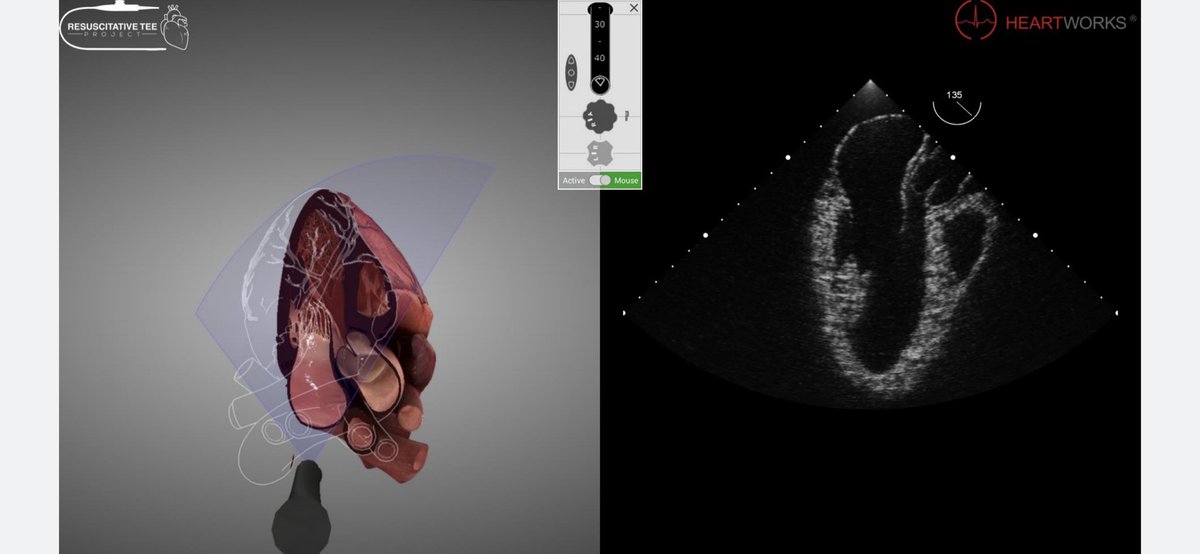
In the heat of an arrest, you may place a TEE probe and not get that easy view you were promised.
This is often because the probe isn’t facing anteriorly.
Go to 30cm and rotate to develop the midesophageal 4-chamber view.
#TheResusTEEWorkshop
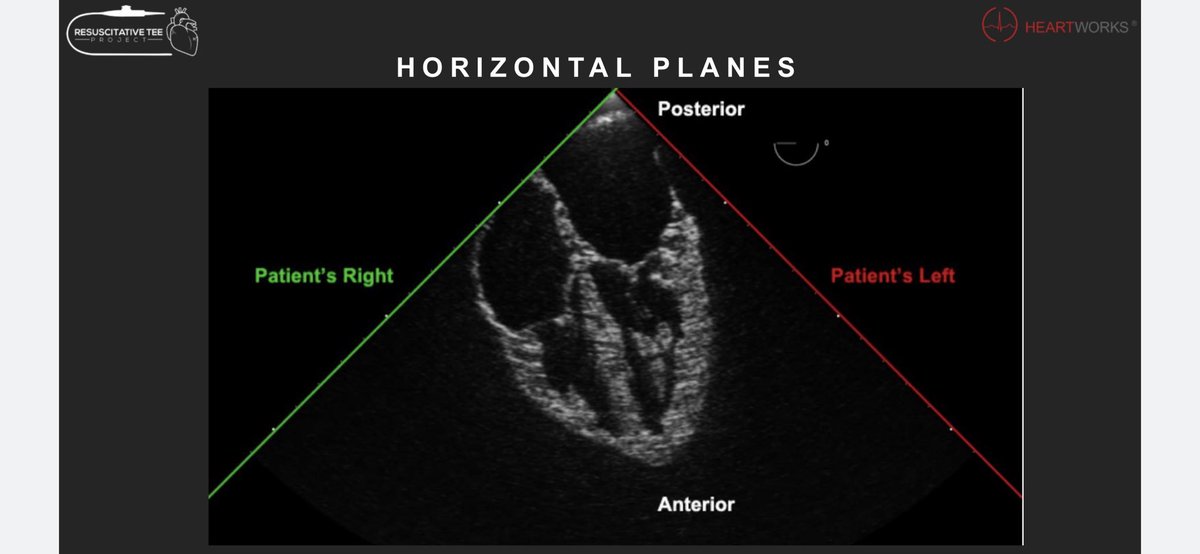
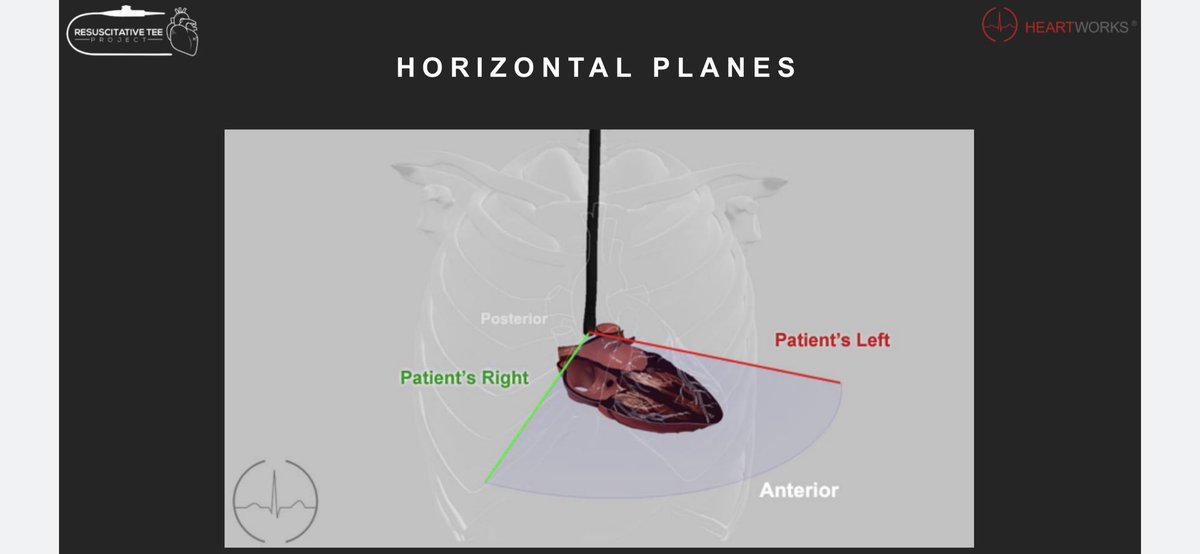
For transesophageal echo, the probe marker is oriented:
Towards the patient’s right in horizontal planes
Towards the patient’s feet in vertical planes
#TheResusTEEWorkshop